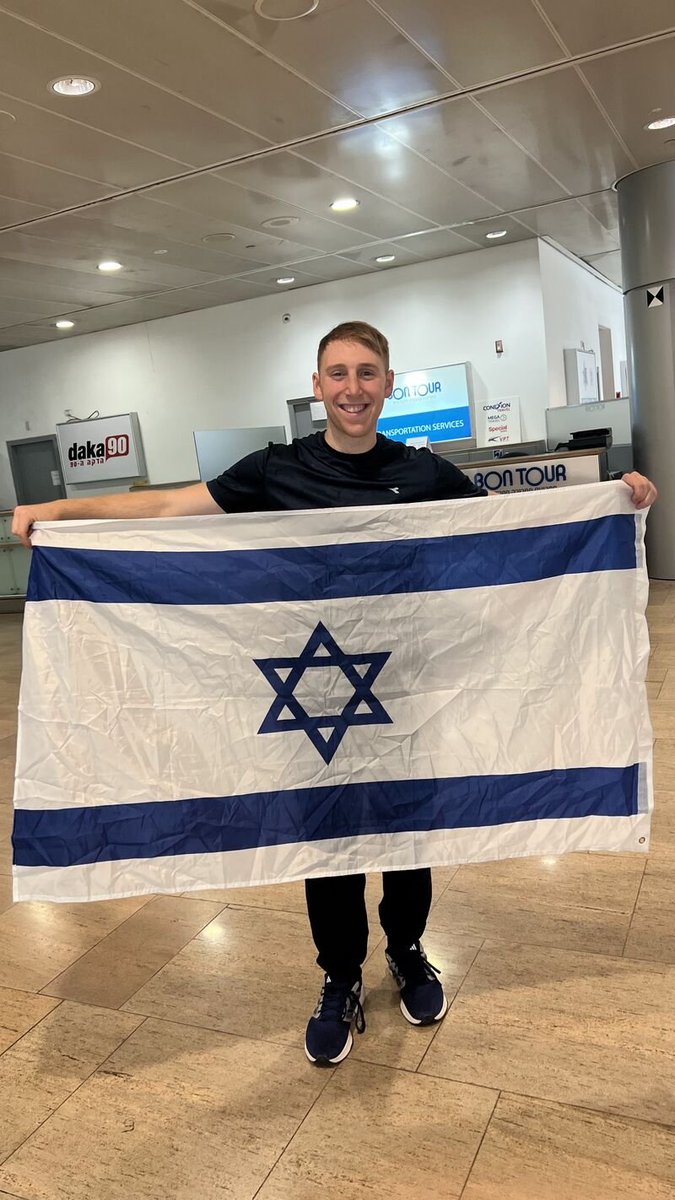
In 2023, I left Ramp to move to Israel.
It's now worth $44B. My equity hadn't even vested yet.
My friends joke that I made the most expensive move in the world.
It was still the right call.
Every time I've had to choose between the comfortable path and the harder one, the harder one paid off.
10 times out of 10.
Since then, I've gotten married, started a company, and become a dad.
I don't think the purpose of life is to live a comfortable life.
I'm optimizing mine for meaning, not comfort.
4 startup programs you can apply to right now (2 take no equity):
1. Thiel Fellowship: $250,000 over two years, no equity. For anyone 22 or younger without a degree applications are open year-round.
2. DMZ Incubator (Toronto Metropolitan University): an 18-month program for 2.5% equity, with $1M+ in credits, discounts and resources. No fees. For software startups already earning monthly revenue. Open year-round to founders worldwide.
3. Entrepreneurship World Cup: equity-free prizes of $20,000 to $200,000 for the winning teams. No application fee. Open worldwide until May 31, 2027. It's a competition, so applying doesn't guarantee money.
4. Halliburton Labs: invests $100,000 in cash and takes $400,000 in in-kind equity for its support, usually through a SAFE. For energy hard-tech companies. It accepts less than 3% of applicants.
Up to $940K in free startup credits.
Save this:
1) Google for Startups Cloud Program
- What it is: cloud credits for startups
- What you get: up to $350K if you're building AI, up to $200K otherwise
- Who qualifies: startups that raised a round (SAFEs count)
- Apply here: https://t.co/YcgwNKKfLi
2) Databricks for Startups
- What it is: Databricks and Neon credits
- What you get: up to $200K
- Who qualifies: early-stage, venture-backed startups, especially data and AI
- Apply here: https://t.co/0rzdb3gZpb
3) AWS Activate
- What it is: AWS cloud credits
- What you get: up to $5K if self-funded, up to $200K through a partner
- Who qualifies: pre-Series B startups founded in the last 10 years
- Apply here: https://t.co/iWhuixFfG3
4) Microsoft for Startups
- What it is: Azure credits
- What you get: up to $150K over time
- Who qualifies: early-stage startups building software, even if you use another cloud
- Apply here: https://t.co/7Kz3NV4uDr
5) Vercel for Startups
- What it is: credits across Vercel products
- What you get: up to $30K
- Who qualifies: Series A or earlier startups, through an approved partner
- Apply here: https://t.co/YLor7aSURj
6) GitHub for Startups
- What it is: GitHub Enterprise credits
- What you get: up to $10K
- Who qualifies: funded startups through an eligible partner, up to Series B
- Apply here: https://t.co/xoxqD2pe3H
Before applying:
→ Many need a payment method on file, and usage past your credits is billed
→ Several only go through partners, so check yours first
Mark Cuban replies to cold emails notoriously fast.
I know because I pitched him different ideas in high school.
I never got a meeting, but he always responded.
A lot of people you'd assume are unreachable are very reachable. Israel's tech scene is small and tight-knit, and everyone knows everyone.
Here's how I met some of the top VCs and founders there in my first month:
1. Get a list of the people you want to meet. I got an Airtable of the top people in Israeli tech from a private program I wasn't in.
2. Send every one of them a very personalized LinkedIn message.
3. About 25% responded, and I had coffee with them.
4. End every meeting by asking, "Who is someone else I need to speak to?"
5 programs that give startups $100K to $2M.
Here's what each one takes in return:
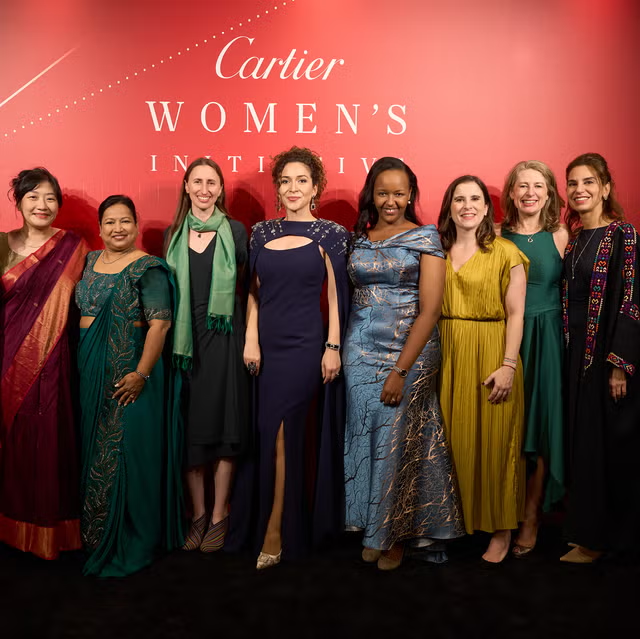
- Cartier Women's Initiative: up to $100K, and they take no ownership. For women-run businesses with social or environmental impact, any country
- MIT Solve (climate challenge): an average of $40K per team, plus six months of support
- South Park Commons: $400K for 7%, plus $600K in your next round. 8-week bootcamp
- a16z speedrun: $500K for 10%, plus up to $500K more. 12 weeks in San Francisco, free to apply
- PearX: $500K to $2M, usually for about 7%. 12 weeks in the SF Bay Area, open year round
Check each program's page for the next application dates.
15 months into building @rallyupteam, I've realized I don't think I can be a successful entrepreneur without God.
Entrepreneurship is an emotional rollercoaster. Clients leave, deals fall through, products fail, and there are days when everything feels like it's going wrong.
When you're building your own company, every setback feels personal. It's easy to go from feeling on top of the world to questioning everything overnight.
That's why I believe you need something bigger than yourself to anchor you.
For me, that's God.
My faith reminds me that I don't control everything, that there's a bigger plan, and that my worth isn't determined by how my business is performing.
It also keeps me grounded in my family and my values.
Especially now, with AI making it possible to work 24/7, you need something that tells you when to stop.
Build a business you're proud of, but never let it become bigger than the life you're building it for.
Emergent Ventures will reject your application if you used AI for anything other than proofreading.
It's a grant program run by Tyler Cowen, since 2018, it has backed about 1,400 people worldwide, including podcaster Dwarkesh Patel, economics creator Kyla Scanlon and writer David Perell.
Anyone 13 or older, anywhere in the world, can apply.
What to expect:
- A one-line pitch plus a proposal of up to 1,500 words, no PDFs
- One application per person and project
- You'll hear yes or no, usually within two weeks, but they don't give feedback or status updates
- No deadline is listed, and no typical grant size: "funding is project specific"
A founder with multiple exits told me halfway through my pitch that I was wasting my time.
The person across the table tells you a lot in the first meeting.
7 questions to ask a VC before you take their money:
1. Who else decides, and what's the process?
2. What happens when the partners disagree?
3. What exactly will you do for me in the first 90 days?
4. Tell me about a time you helped a portfolio company through a crisis.
5. How is the board chosen, and are there independent directors?
6. What do your protective provisions cover? (the rights an investor has to block big company decisions)
7. If I'm terminated after an acquisition, does my vesting accelerate (do my unearned shares vest early), and how do you define a "bad leaver" (someone who loses shares for leaving on bad terms)?
I raised my pre-seed off a cold DM from a VC, before RallyUp had a product.
If your first check is coming, here's what an uncapped SAFE actually costs you:
A SAFE is a contract where an investor gives you money now and gets shares later, when you raise your next round. "Uncapped" means there's no ceiling on the price, so how much of your company they get depends on how your next round is valued.
Neo puts in $750K, and they get shares later, priced at whatever your next round sets.
So the same $750K buys different amounts of your company:
- Next round values you at $5M: Neo gets about 15%
- Next round values you at $15M: Neo gets about 5%
- Next round values you at $100M: Neo gets less than 1%
The better your next round goes, the less that money costs you.
I'm 27, with a wife, a baby, and a company nearing $1M ARR.
I finally have the stability I chased after getting fired. But I'm still filling my notes app with startup ideas, and last weekend I shared a few new startup products with my wife.
She took a slow sip of her coffee and told me to focus on RallyUp.
Sharing them here because I know you won't judge.
Idea #1: The anti-AI social network.
If 90% of the world is racing to automate everything with AI, I want to build something for the 10% craving actual human interaction.
Back in 2022, I recall BeReal blowing up. That app that gave you two minutes to take one unfiltered photo a day.
I want to bring back that same obsession with being real, especially now that AI-generated Claudeslop is flooding every corner of the internet.
Rough idea: A place/platform where being human is the entire selling point.
Idea #2: Authenticity as a Service for B2B brands.
Cold outreach is slowly heading toward zero. Everyone's inbox is overflowing with automated messages, and buyers are developing a hound's nose for it.
So how do you create genuine human connection at scale?
I've been thinking about what Hector Serrano built with Wispr Flow and how real creators making videos about a product can become a powerful distribution channel.
My idea is to build the infrastructure for B2B companies to do this at scale.
You'll notice there's a theme here. There's an itch to create something unmistakably immune to AI.
If you have any direction for how I can make these more concrete, drop them in the replies.
Also, feel free to tell me if I need to trash this "ideas" note from my phone and take my wife's advice.
Exactly 3 years ago I moved to a "war zone" and it's been the best move for me socially, spiritually, and professionally.
Work-wise, Israel has the kind of tech ecosystem that could make Silicon Valley blush.
But the truth is, I'd move here even if that didn't exist. The sense of community I've found here shocks me on a daily basis.
Recently I was in meetings all day with a few super high-profile founders in Sarona.
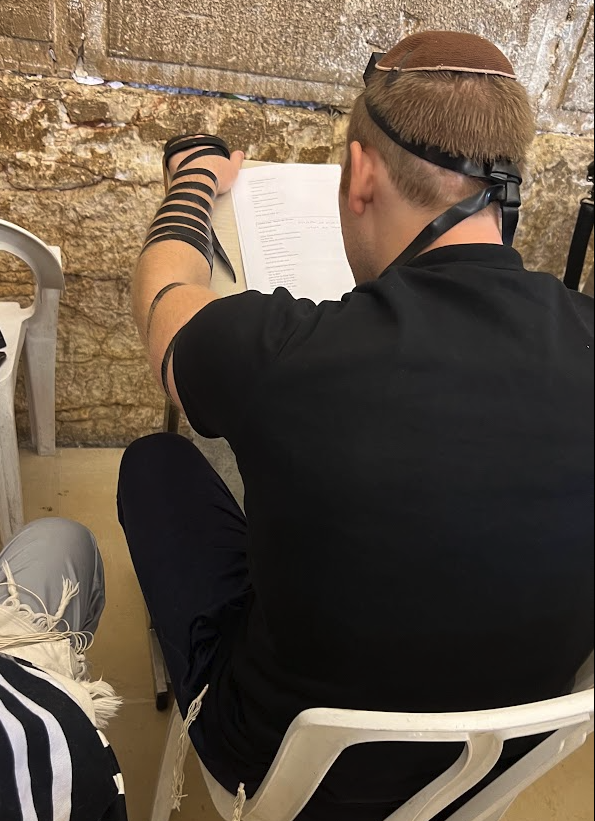
After my lunch break, my friend casually said, "let's go daven mincha (the afternoon prayer)."
I arrived at Vine Ventures (massive congrats on the new fund!), and inside I found twenty founders, operators and investors already standing there, shoulder to shoulder, facing Jerusalem.
Fund managers overseeing billions of dollars in assets, cybersecurity founders who'd sold their companies for nine figures, and young entrepreneurs building their next startup out of tiny Tel Aviv apartments.
Every person in that room had a company to build and investors waiting for answers. For those few minutes, all of it waited.
I still remember how nonchalantly we picked up our phones after finishing and walked back to work.
For all of us, a few quiet minutes with God were worth more than another zero on the balance sheet.
How can you not fall in love with a place where that kind of devotion is part of an ordinary workday?
Still pinch myself every day that I get the privilege of calling this place home.
As much as getting fired sucked, laying someone off was 10x harder for me.
I went viral when I got laid off last August and it was the catalyst to starting my own company.
A few months later, running RallyUp, I had to sit on the other side of the screen.
We pivoted the business, and our founding engineer's role no longer existed.
He was a friend, a father of 3, who believed in me from day one.
Getting on that Zoom call was brutal.
Almost nobody talks about how an employer actually supports their people through it.
We made sure he was fully supported for what came next.
Today, he is building his own company, and I am doing everything I can to help him succeed.
A salary and role are never the full measure of a person's worth.
How you treat people when things get uncomfortable is.
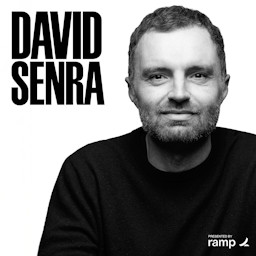
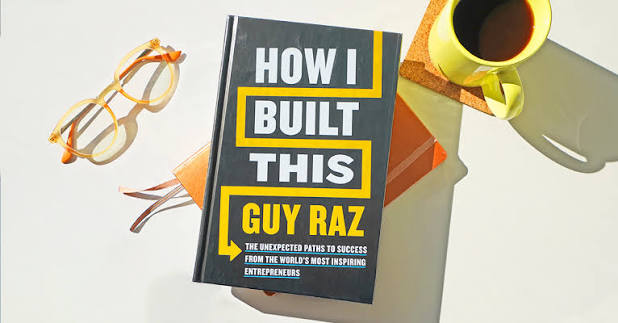
Guy Raz, David Senra, Garry Tan and John Collison all have free podcasts for founders.
Here's what each one covers:
How companies got built:
- How I Built This with Guy Raz: founders walk through how they built their companies, including the parts that went wrong. 700-plus episodes, with people like Sara Blakely and Jensen Huang.
- Founders with David Senra: each episode is one biography of a great entrepreneur. He's done 415 of them.
Startups today:
- Lightcone: four YC partners, including president Garry Tan, talk about startups and what founders are building.
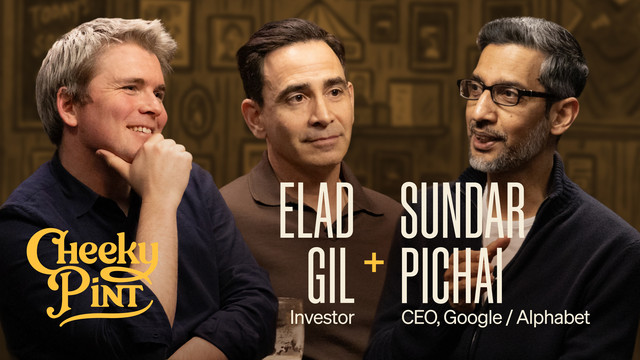
- Cheeky Pint: Stripe co-founder John Collison interviews people over a pint. He's had Elon Musk, Satya Nadella and Sundar Pichai on.
I wish more founders knew about these 4 programs giving away up to $350,000 to startups:
- Up to $350,000 in cloud credits: Google for Startups (AI startups that raised a round)
- $250,000 over two years: Thiel Fellowship (22 or younger, no degree)
- Up to $100,000 in grants: Cartier Women's Initiative (women-run or women-owned businesses with social or environmental impact, any country)
- An average of $40K per team and a six-month support program: MIT Solve (tech-based solutions to climate, learning, health or economic prosperity challenges)
posting on X might be the highest ROI thing you can do for your career
i put together everything i've learned about growing here into one guide https://t.co/gtAPDBGrv1
I grew my 𝕏 account to 13,612 followers in 50 days.
It wasn't luck; I just understand the principles 99% of creators neglect.
🧵 𝕏 Growth Manual: 13 laws to explode your reach (skip #1, #7, or #13 and you're screwed)👇
You don’t have to finish college to get funded.
If you’re 22 or younger and building something, apply to these:
1. Thiel Fellowship
$250,000 over two years. No equity.
Open to anyone 22 or younger without a university degree.
2. Emergent Ventures
A grant program run by economist Tyler Cowen.
Anyone 13 or older, anywhere in the world, can apply.
3. Neo Residency, student track
A $40K grant to take a semester off.
For 5 to 8 students or small teams.