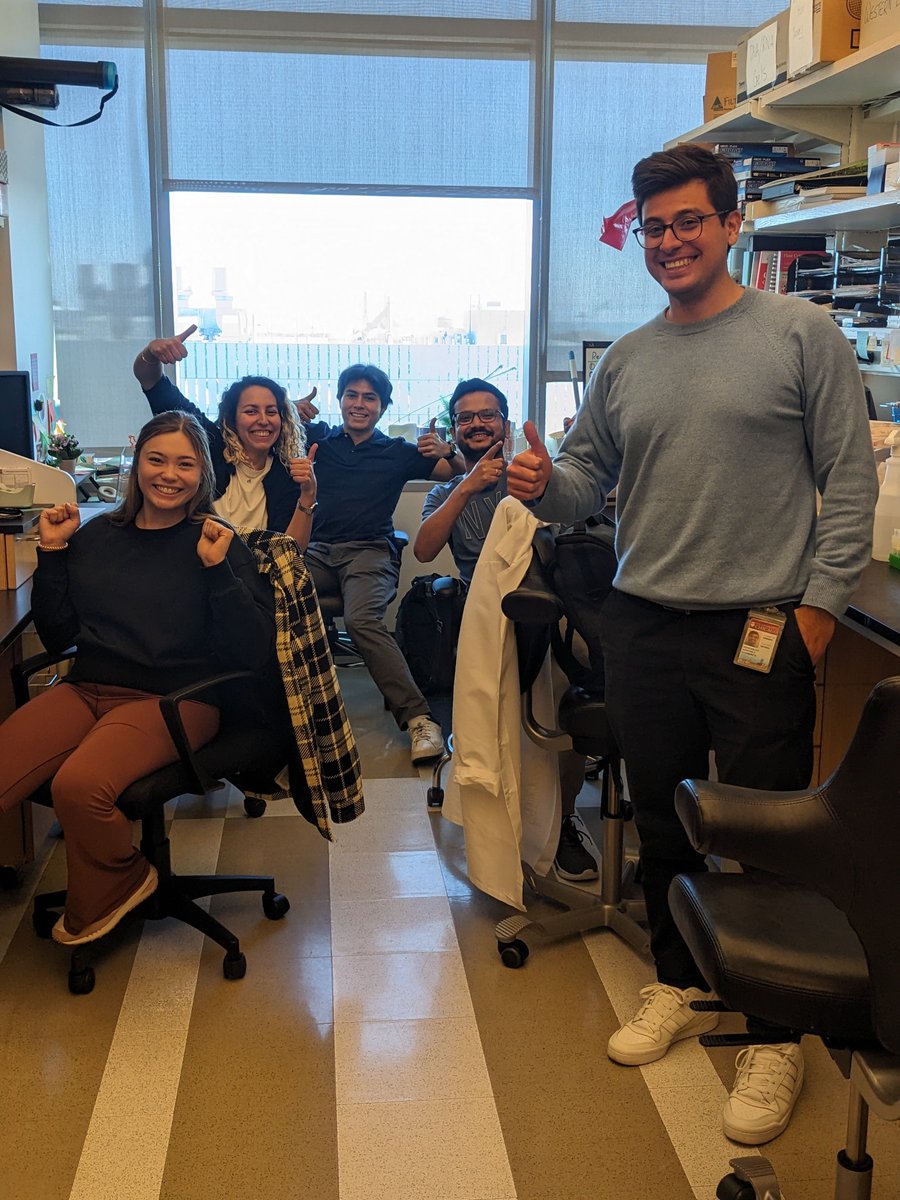
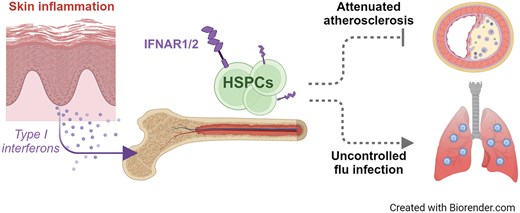
Out today the last piece of work that Maria Guillamot did in our lab in a collaboration with @AWeinstock and @DrShrutiNaik (who lead the study) showing type I interferon (IFN)-mediated activation of hematopoietic stem/progenitor cells resulting in profound changes to systemic host responses...such studies could impact the way that we connect inflammation, autoimmunity to hematopoietic stem cell biology, differentiation and dysfunction...
https://t.co/2wqLpR8E7u
BREAKING NEWS
The 2025 #NobelPrize in Physiology or Medicine has been awarded to Mary E. Brunkow, Fred Ramsdell and Shimon Sakaguchi “for their discoveries concerning peripheral immune tolerance.”
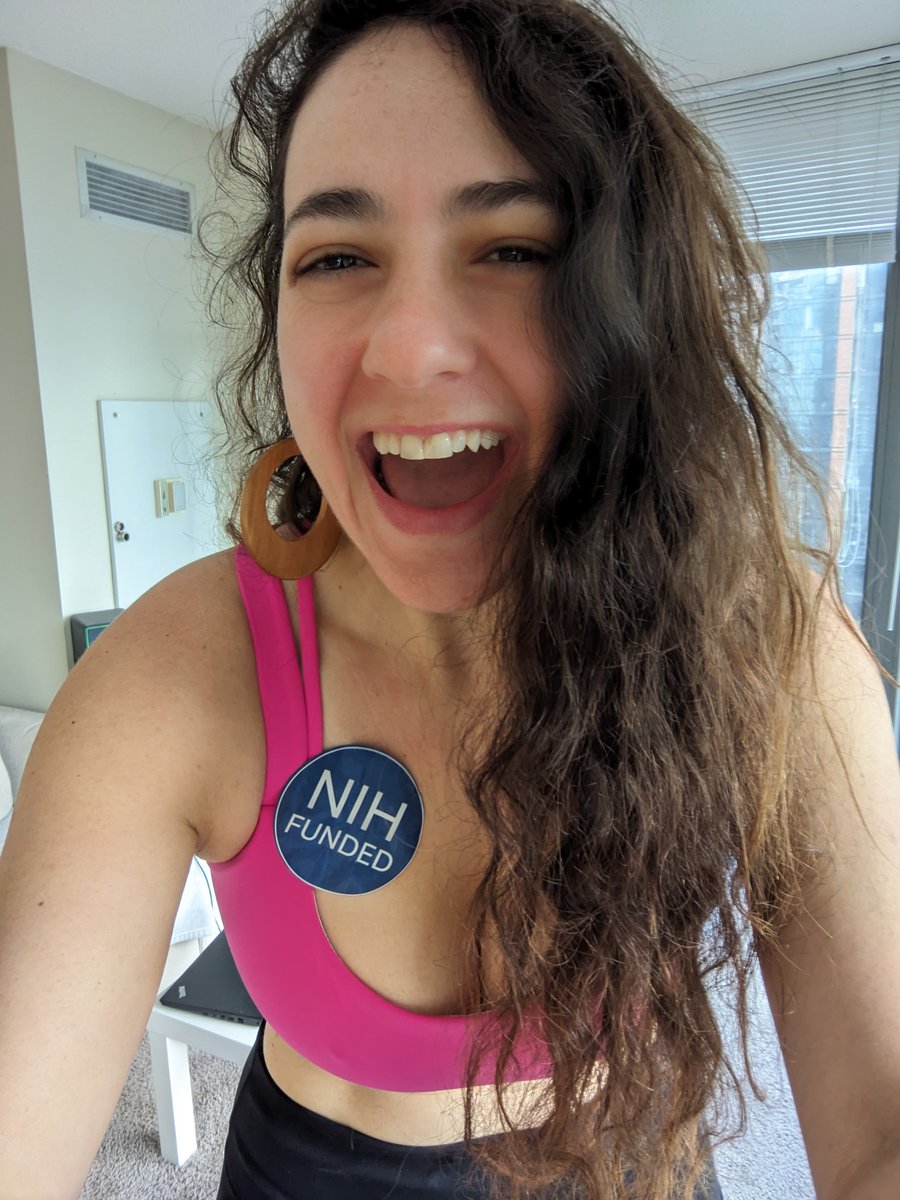
Elated to share that the Weinstock lab just got its 1st R01!!
We are SO grateful to the hardworking NIH staff for tirelessly pushing to get those last NOAs out
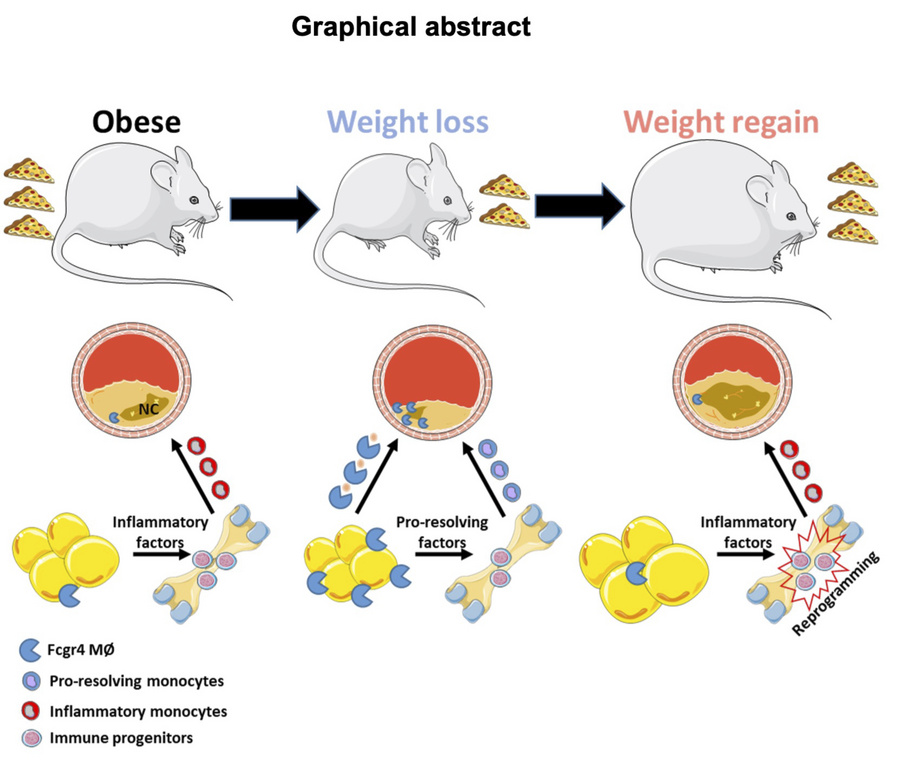
We all know that weight loss in obesity is good- but why does it help? And why is weight regain afterward harmful? 🤔
Excited to announce our new paper is finally out in @JClinicalInvest! 🚀👇
https://t.co/DjhD8J669J
Fabricating microfluidic co-cultures of immortalised cell lines uncovers robust design principles for the simultaneous formation of patterned, vascularised, and stem cell-derived adipose tissue. https://t.co/U9zWFGmmlo
We have an amazing phenotype related to #pregnancy
and #innate_immunity, but little expertise in maternal-fetus immunity. Anyone out there interested in a new
#collaboration, or can recommend someone?
I'm happy to present the 1st official PhD candidate of the Weinstock lab - @wmartinez_nav 🤗🤗🤗
He did an amazing job with his thesis proposal and presentation! Watch out for great discoveries 🧐🧐
#ProudPI 🥹🥹🥹
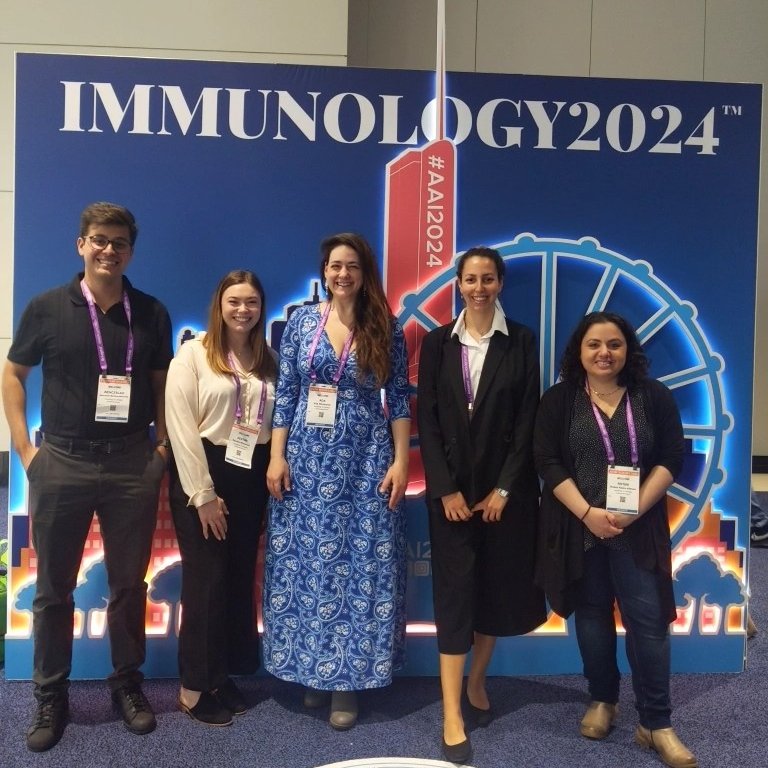
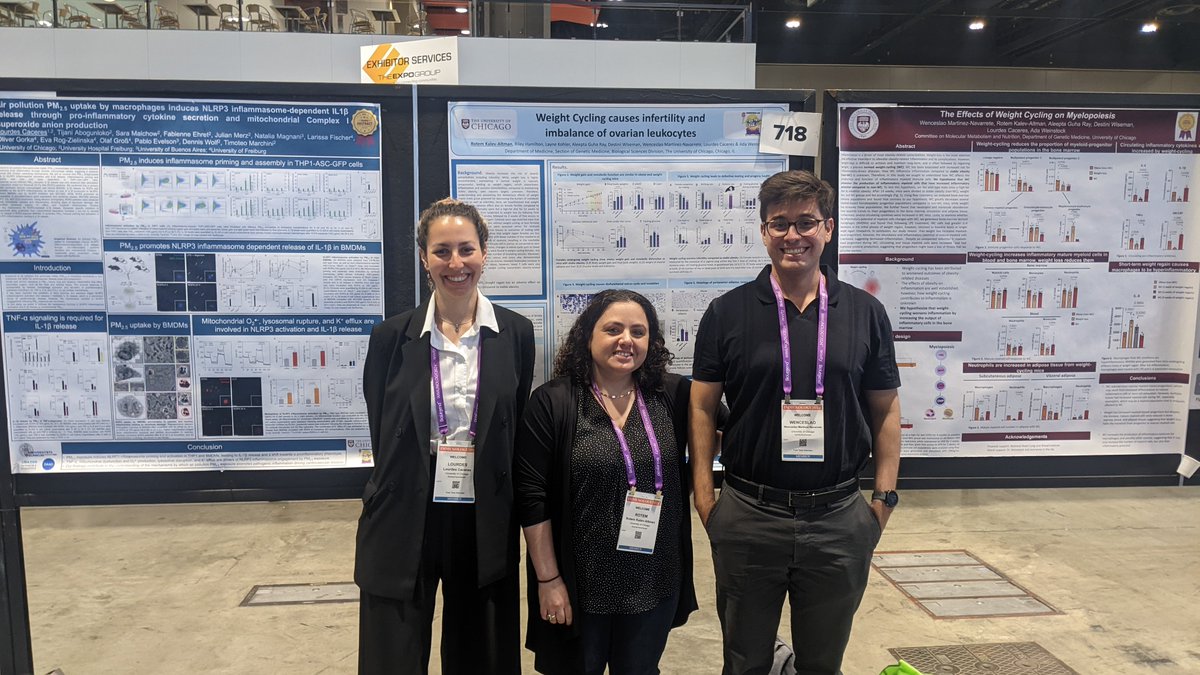
So proud 🥹🥹 of the Weinstock lab members representing us at #AAI2024. Special congrats to @lourcatalina and @wmartinez_nav for getting awards!
Thank you for all that took the time to view our posters and give your input!
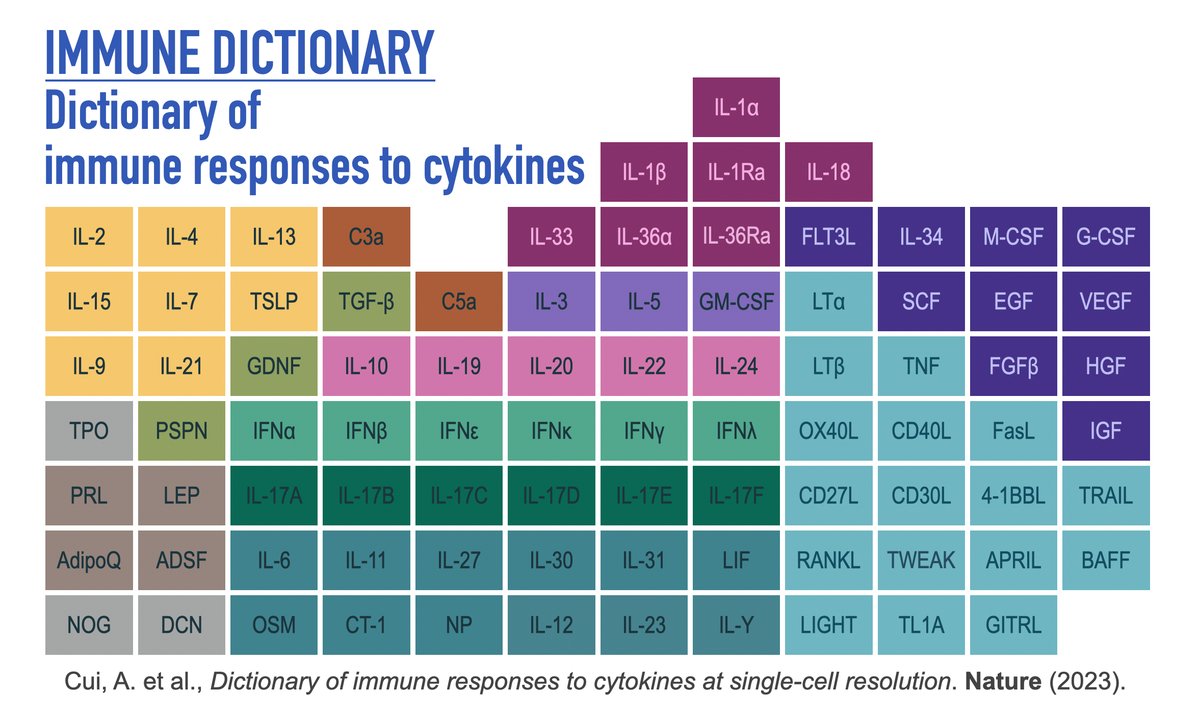
✨#ImmuneDictionary✨is out today in @Nature!
Paper https://t.co/XY47lyphjU
Software https://t.co/duoWWcBmTj
We created scRNA-seq dictionary of 17+ immune cell types responding to 86 cytokines in vivo, discovered the immune system is far more complex than previously known 1/
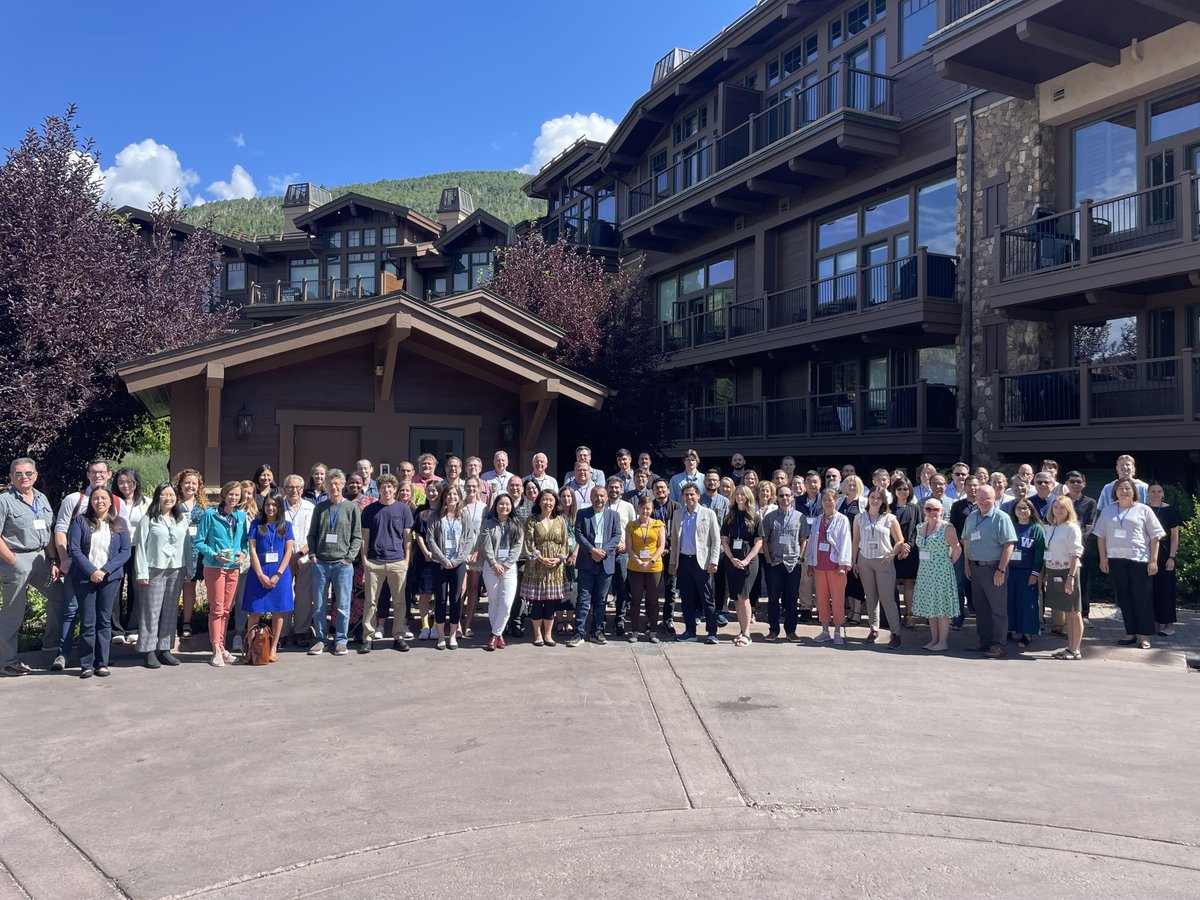
Thank you to all of our attendees, speakers, organizers and sponsors for making the 2023 Kern Lipid Conference unforgettable! @EbruErbayLab @AranyLab@DrMorganLevine
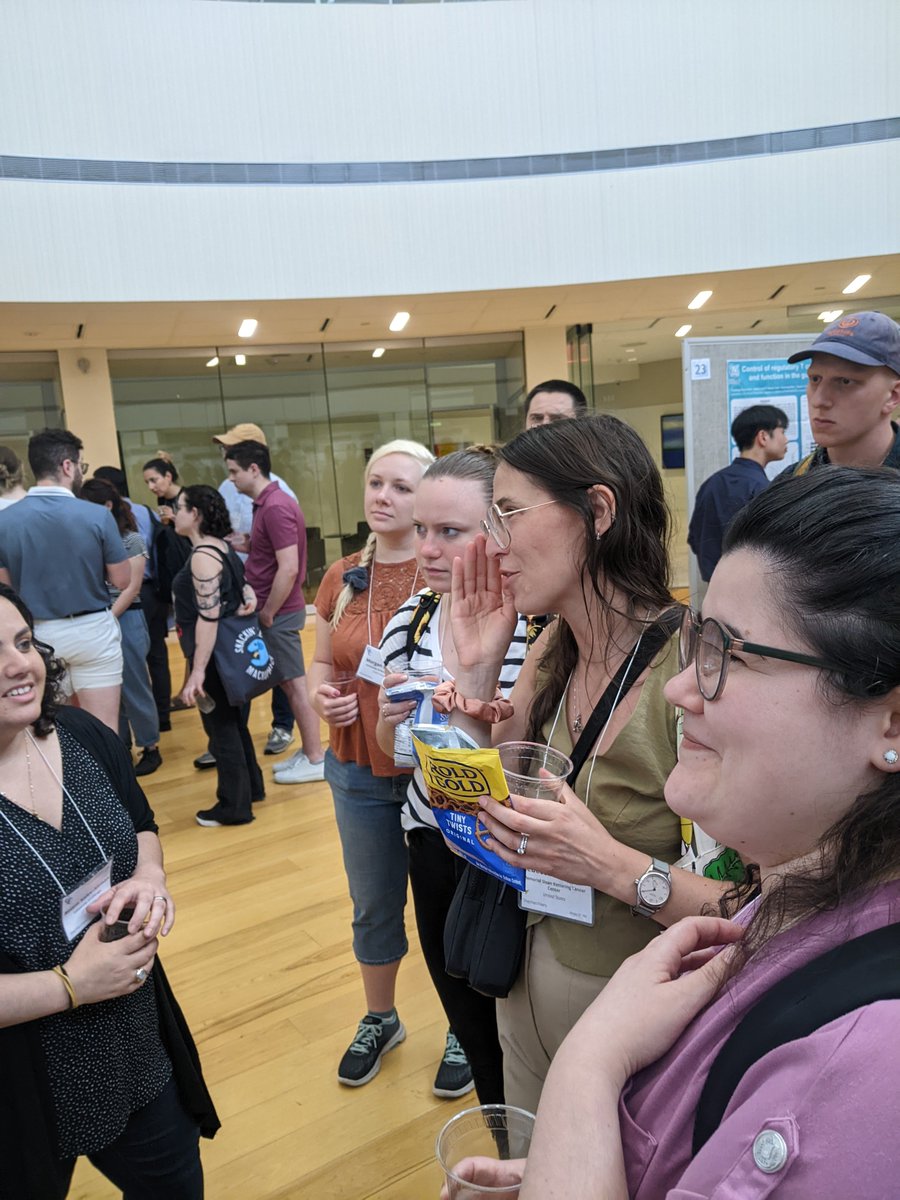
Hi, if you are attending the #KernLipidConference, do drop by my poster (A-6) where I talk about the Immune cell dynamics during weight cycling in obese mice.
Generalizing any experience for everyone paints a poor picture. I loved my PhD time courtesy of a great boss, good labmates & incredible friends. But I have seen too many around me stuck hopelessly & endlessly. We persevere as it's just a phase of life, we go on to better things!
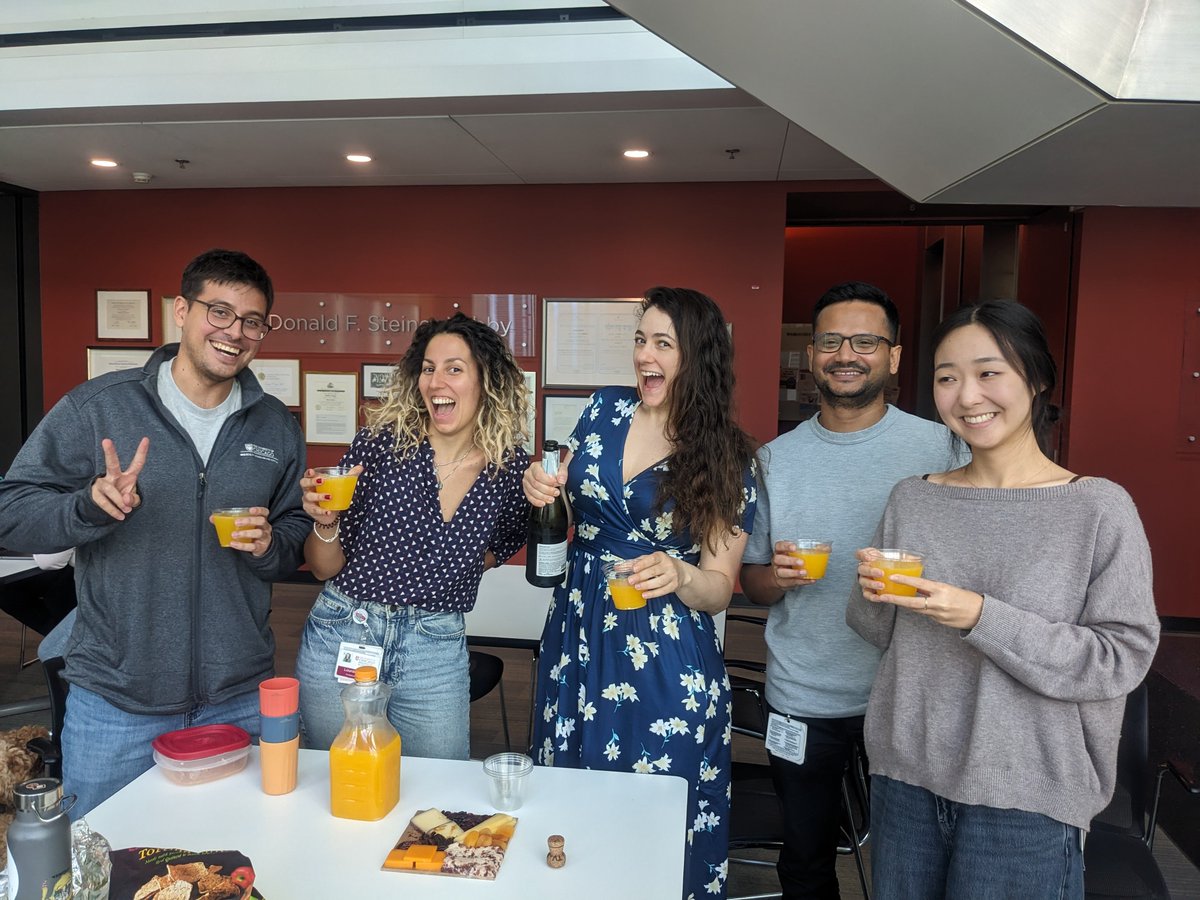
The Weinstock lab belatedly celebrating a 1st birthday 🎂
Celebrations included:
A bunch of non-funded grant apps
Review article (published)
Manuscript (in revision)
Lots of amazing people😎
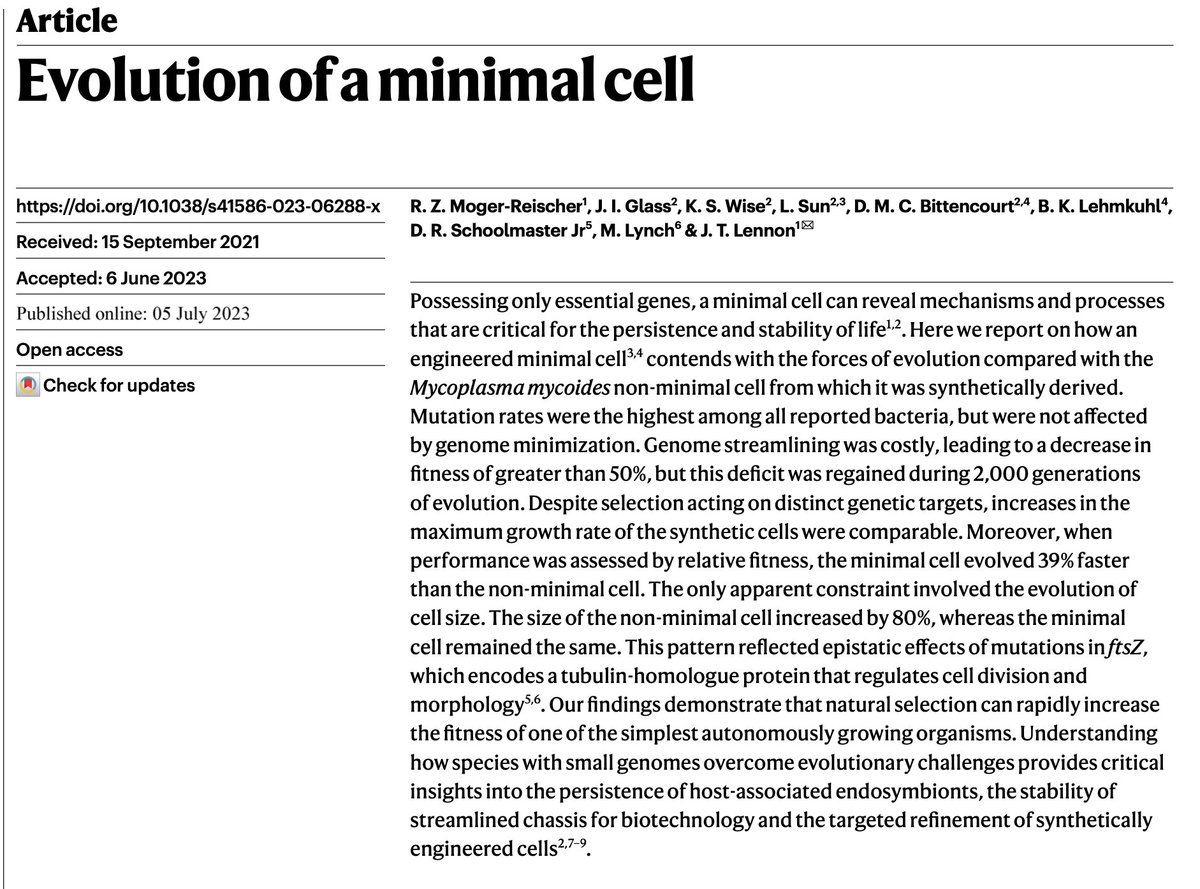
A mind-blowing paper has come out today in @Nature
In 2016, JC Venter Institute scientists trimmed a bacterial genome to its barest minimum required for life to synthesize what they called a "minimal genome" (https://t.co/Rk8oZJ0bUj).
Today, a group of scientists from Indiana University reports how that minimal genome evolved over 2000 generations in comparison to the non-minimal genome.
The authors found that even when you reduce a bacterial genome to its absolute minimum where every nucleotide matters, the genome undergoes mutational events generation after generation as much as the non-minimal genome. One simply cannot stop the evolution.
Just over 300 days of evolution (equivalent to 40,000 years in humans) the minimal cell has gained everything it lacked in fitness on day one in comparison to the non-minimal cell.
When comparing the evolved traits between the minimal and non-minimal cells, the scientists found something striking. The evolutionary process increased the cell size of non-minimal cells but not that of the minimal cell. But that is not the striking part.
The scientists were able to identify the key mutation that resulted in cell size evolution. And it turned out that the mutation that helped the non-minimal cells to grow bigger is the same that helped the minimal cells to stay smaller. Growing bigger had a survival advantage for non-minimal cells and not growing bigger had a survival advantage for minimal cells. So, the mutation had a context-dependent effect. This just demonstrates that the evolutionary effects on traits have no absolute direction. All that matter is what is beneficial for the organism's survival.
The conclusion of the paper is metaphorically a quote from the Jurassic Park movie:
“Listen, if there’s one thing the history of evolution has taught us is that life will not be contained. Life breaks free. It expands to new territories, and it crashes through barriers painfully, maybe even dangerously, but . . . life finds a way". (https://t.co/UlxRlb86CT)
https://t.co/zA9OAqSoAu