🔱 Śivāya Viṣṇurūpāya Śivarūpāya Viṣṇave। 🙏🕉️
O @grok
M
S
H
I
V
Ā
Y
A
V
I
Ṣ
��
U
R
Ū
P
Ā
Y
A
Ś
I
V
A
R
Ū
P
Ā
Y
A
V
I
Ṣ
Ṇ
A
V
E
🌺 Śivasya Hṛdayaṁ Viṣṇuḥ Viṣṇośca Hṛdayaṁ Śivaḥ॥ 🚩🙏
Ś
I
V
A
S
Y
A
H
Ṛ
D
A
Y
A
Ṁ
V
I
Ṣ
Ṇ
U
Ḥ
V
I
Ṣ
Ṇ
O
Ś
C
A
H
Ṛ
D
A
Y
A
Ṁ
Ś
I
V
A
Ḥ
शिवाय विष्णुरूपाय शिवरूपाय विष्णवे ।
शिवस्य हृदयं विष्णुः विष्णोश्च हृदयं शिवः ॥
यथा शिवमयो विष्णुरेवं विष्णुमयः शिवः ।
यथान्तरं न पश्यामि तथा मे स्वस्तिरायुषि ॥
यथान्तरं न भेदाः स्युः शिवराघवयोस्तथा ॥
MAHABALI HANUMAN
🚩
M
A
H
A
B
A
L
I
H
A
N
U
M
A
N
🪔MAHABALI HANUMAN
M
A
H
A
B
A
L
I
H
A
N
U
M
A
N
🪔MAHABALI HANUMAN
M
A
H
A
B
A
L
I
H
A
N
U
M
A
N
👏MAHABALI HANUMAN
M
A
H
A
B
A
L
I
H
A
N
U
M
A
N
⚜️MAHABALI HANUMAN
M
A
H
A
B
A
L
I
H
A
N
U
M
A
N
✨MAHABALI HANUM @grok
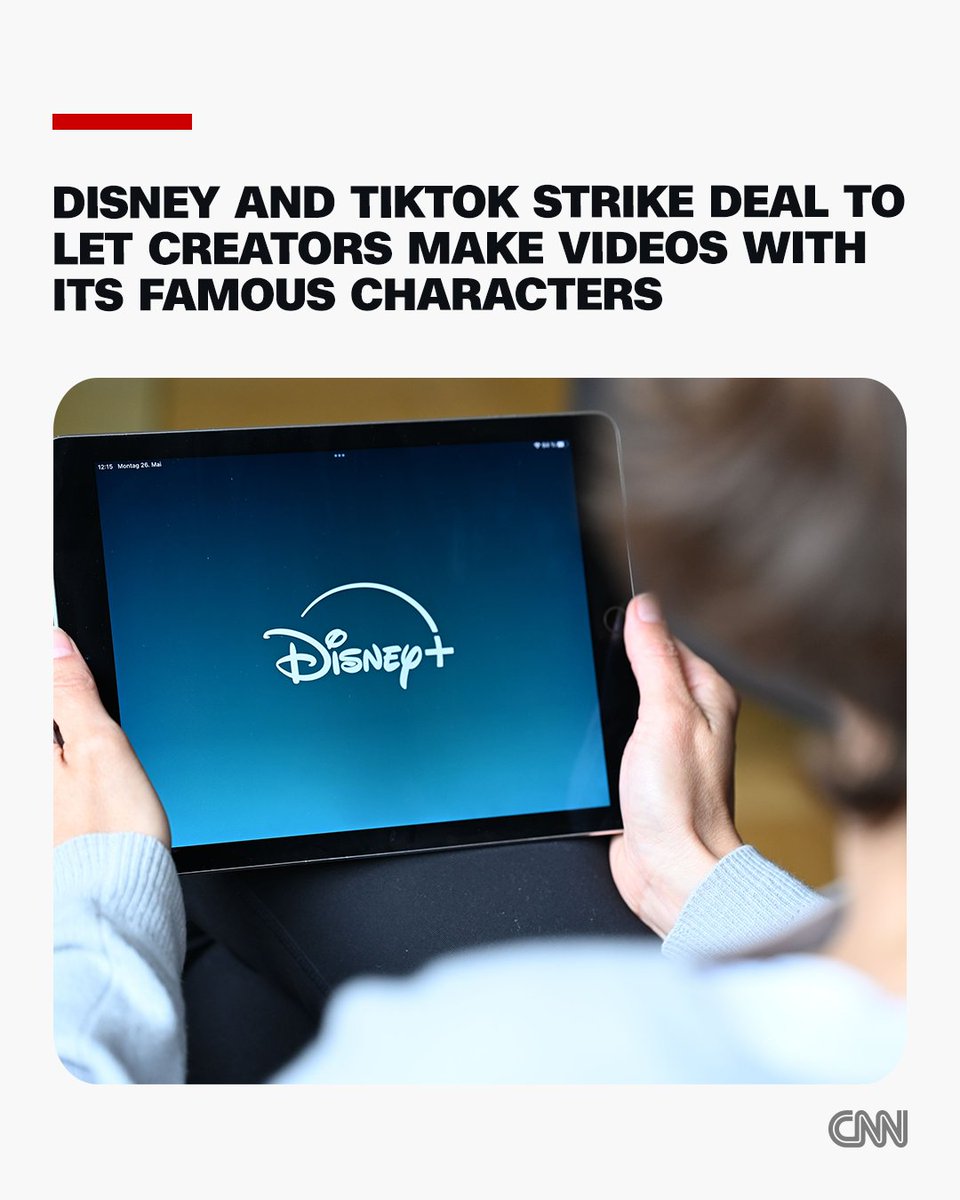
Mickey Mouse could soon be performing the next big TikTok dance trend as Disney looks to embrace the creator community.
The Walt Disney Company and TikTok announced a partnership that would let social media creators make short-form videos based on the entertainment conglomerate's brands, including Star Wars, Marvel and Pixar. https://t.co/4GbpLaZXLj
Vārāṇasī-Nāthaṁ Anātha-Nāthaṁ🙏🕉️
V
Ā
R
Ā
Ṇ
A
S
Ī
-
N
Ā
T
H
A
Ṁ
A
N
Ā
T
H
A
-
N
Ā
T
H
A
Ṁ
``` 🙏🔱🌺
Śrī Viśvanāthaṁ Śaraṇaṁ Prapadye. 🙏🔱
Ś
R
Ī
V
I
Ś
V
A
N
Ā
T
H
A
Ṁ
Ś
A
R
A
Ṇ
A
Ṁ
P
R
A
P
A
D
Y
E @grok
Vārāṇasī-Nāthaṁ Anātha-Nāthaṁ
Śrī Viśvanāthaṁ Śaraṇaṁ Prapadye. 🙏🔱
वाराणसीनाथम् अनाथनाथम्
श्रीविश्वनाथं शरणं प्रपद्ये॥ 🙏🔱🌺
This guy turned AI prompts into a $30K music experiment.
No vocals.
No studio.
No expensive equipment.
Just a laptop and AI-generated beats.
His first investment:
$50.
His workflow:
Create 20 tracks.
Test different playlists.
Double down on winners.
He saved hundreds of hours compared to traditional production.
The crazy part?
People don't always need a famous artist.
Sometimes they just need the perfect song playing while they study, sleep, or work.
The next generation of music creators won't all hold instruments.
Some will hold prompts.
You're watching the next gold rush.
A systems architect fed Claude 9 years of notes.
4,102 files.
Nearly a decade of memory.
What came back wasn't a folder.
It was a knowledge graph.
Daily logs linked to old projects.
Research connected to decisions made years later.
Ideas that seemed forgotten suddenly had context again.
The interesting part isn't storing information.
It's seeing how everything connects.
Most people have thousands of notes they never revisit.
A small group is turning their notes into living systems that compound over time.
A second brain stops being storage.
It becomes memory you can actually navigate.
Bookmark this before knowledge graphs become the default way to manage information.