Elia Kazan on some of the filmmakers he admired in the movie 'industry':
"I regret it’s an industry altogether because I don’t like the word industry. I think they made an industry out of what should be an art. The great people in films are the directors. In Japan, there’s Kurosawa who did 'Rashomon' (1950) and who has done a series of films including one called 'Ikiru' (1952), which is marvelous.
There’s a guy in India named [Satyajit] Ray, who did that trilogy. I think that trilogy is just marvelous, wonderful. There’s a guy in Argentina named Nilsson; there’s Bergman, whom I admire; there’s Fellini and Antonioni and De Sica. I think De Sica is a hell of a good director, by the way. I think his 'Umberto D' (1952), his 'Shoeshine' (1946) and his 'Bicycle Thieves' (1948) were wonderful contributions. I think Antonioni is a fine director, fine artist. We know more about Italy from the work of these three men than through anything else. We love Italy because of that. The image of America overseas is shameful."
(Elia Kazan's interview to Show business illustrated, 1962)
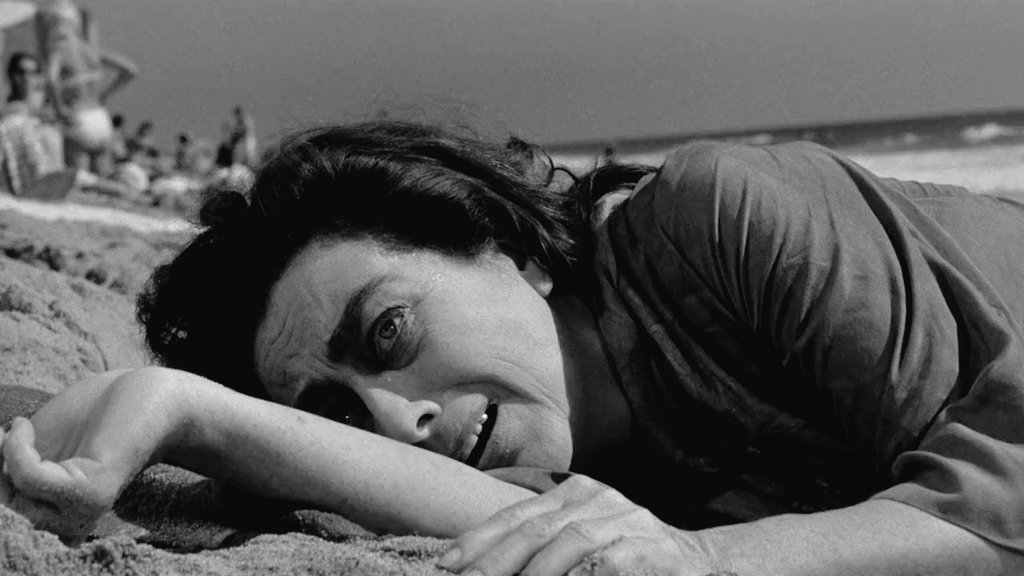
Clip from:
Umberto D. (1952)
Director: Vittorio De Sica
Krzysztof Zanussi on why he feels dialogue is more important than images in movies:
"Zanussi: Here is a heresy that I pronounce quite often: film is not that much about visuals, it is hanging on the word. Film was born of literature, historically. So, because we communicate by words, as long as cinema was mute, it was incomplete. So, cinema started in the 30s. However, I’m aware—and I try to teach my students—"don’t rely on the word only, but don’t neglect words," because most of the time we communicate by words not by images—this is an illusion. This is just to counterbalance a common conviction that it is image only. No, not only, and maybe not even in the first place.
Interviewer: I remember reading a quote in an interview that suggested you don’t necessarily trust the visuals in films. Would “trust” be the right word?
Zanussi: It is not about trust, but images cannot carry as much as words can. We all know, and we notice it with Chekhov and writers of the late nineteenth century, that people don’t say what they mean—they hide what they mean, and we have to guess. If you write your dialogue well you will guess what somebody is hiding which is far more interesting than most TV series where people declare what they feel.
Interviewer: This feels like a particular skill of yours, these pairs of men—in 'The Structure of Crystal' (1969), 'Camouflage' (1971), and Wit even has Marek in 'Family Life' (1971)—who speak around issues and express complex ideas while also retaining a real sense of authentic character.
Zanussi: You have to think about the psychological situation, which is something that I find quite exciting and also deeply paradoxical. I write, and strongly disagree with, my characters. They say not what I want them to say, but what they must say. It sounds very pretentious but it is a mysterious process that, in certain moments, when you write the script, starts to have its own independent life. It brings you to something you did not expect. You feel that if you want to be true to the story you have to follow this line, even if your ideas are totally to the contrary. It happened to me in 'Family Life'."
(Krzysztof Zanussi's interview with Ben Nicholson, MUBI, 2019)
P.S: Happy 87th birthday, Krzysztof Zanussi!
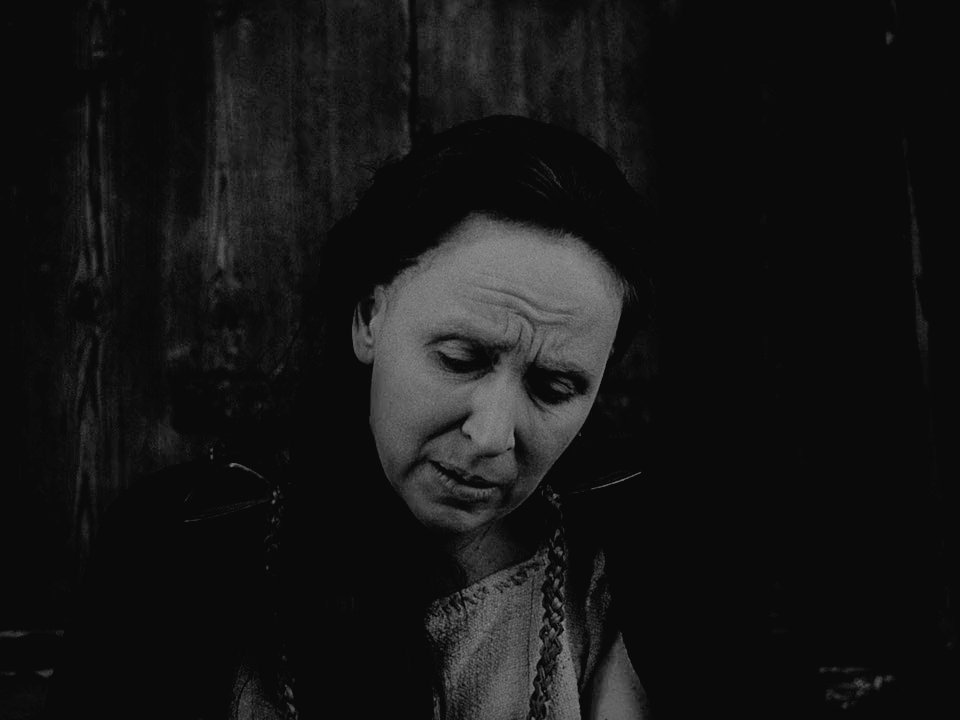
Clip from:
The Structure of Crystal (1969)
Director: Krzysztof Zanussi'