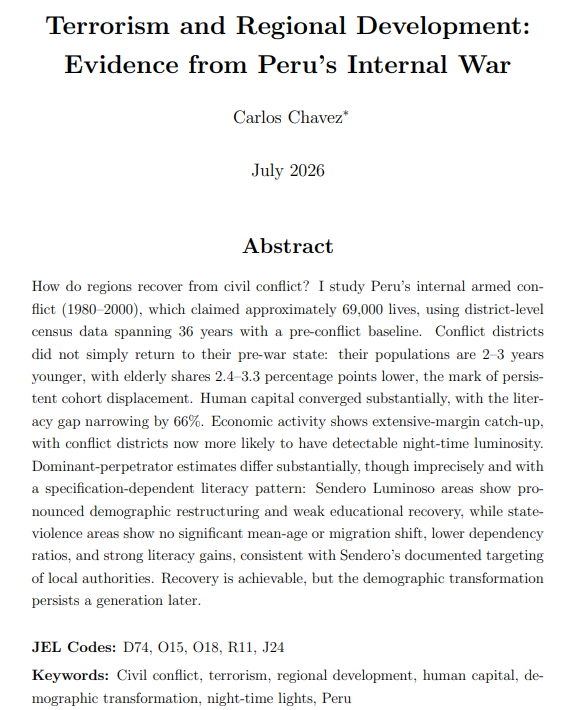
Civil wars can end long before their demographic effects disappear.
Using 36 years of census data from Peru, I find that the most conflict-affected districts recovered economically and educationally, but with younger populations and "missing generations" that remain visible decades later.
Link: https://t.co/Yo6Xq395wM
Comments are welcome.
En los últimos 20 años, un grupo reducido de empresas agroindustriales y agroexportadoras ha concentrado cientos de permisos de uso de agua para agricultura.
La gráfica evidencia un crecimiento sostenido en medio de escasez y desigualdad hídrica.👇
https://t.co/wwuMoQcJCd
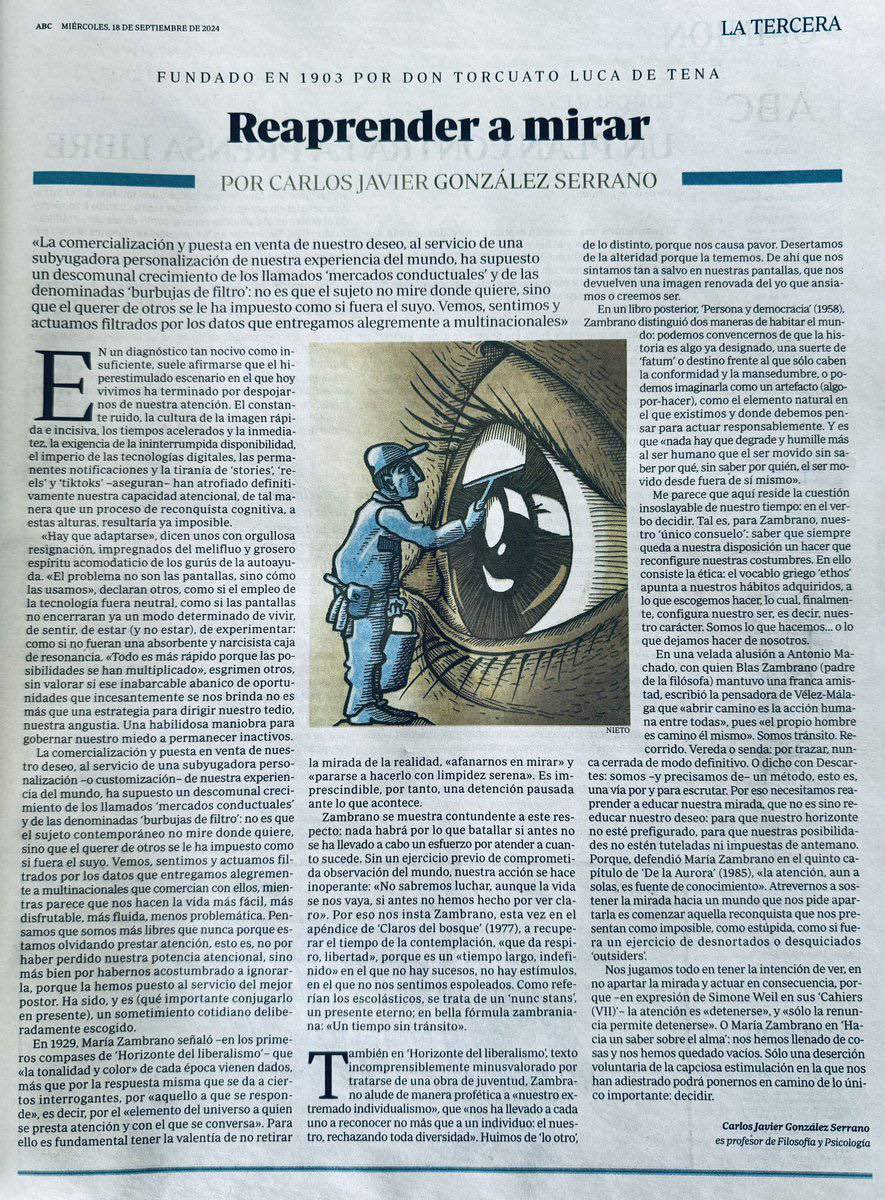
«Es imprescindible una detención pausada frente a lo que acontece. No sabemos luchar, nunca se ha vivido tanto y se ha vivido tan poco». Carlos Javier González Serrano
We've released a new dataset, Newswire https://t.co/Ok6dQM2q4I 2.7M unique newswires reproduced 32M+ times over a century (1878-1977). Articles have location and topic tags and person ids (from Wikipedia). Fun fact: see the prohibition related crime spike in the 1920s
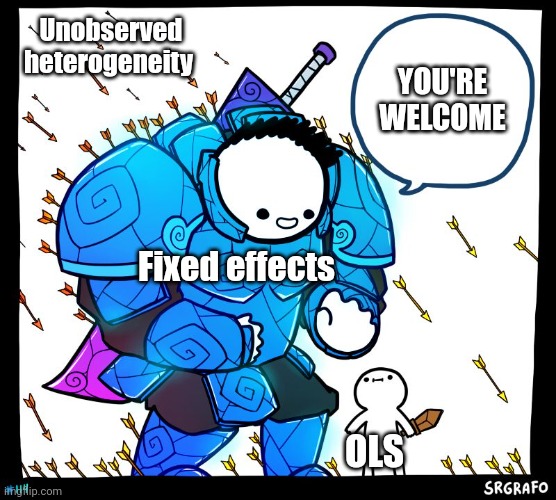
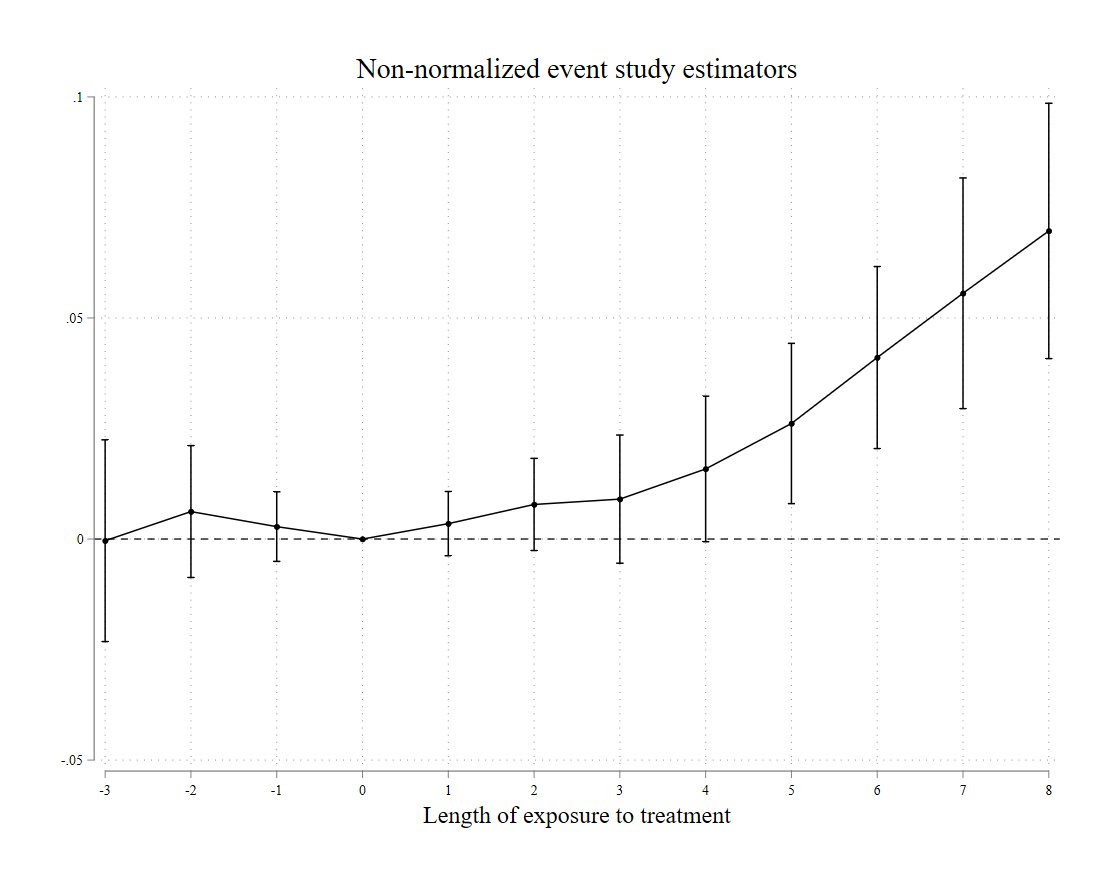
To all DIDstas: is your Y measured less frequently than your D? E.g. you look at US election outcomes, measured every 4 years, but treatment measured every year? Check out great vignette @diegociccia1 has prepared on how to use did_multiplegt_dyn then: https://t.co/6yxLqmLbS6
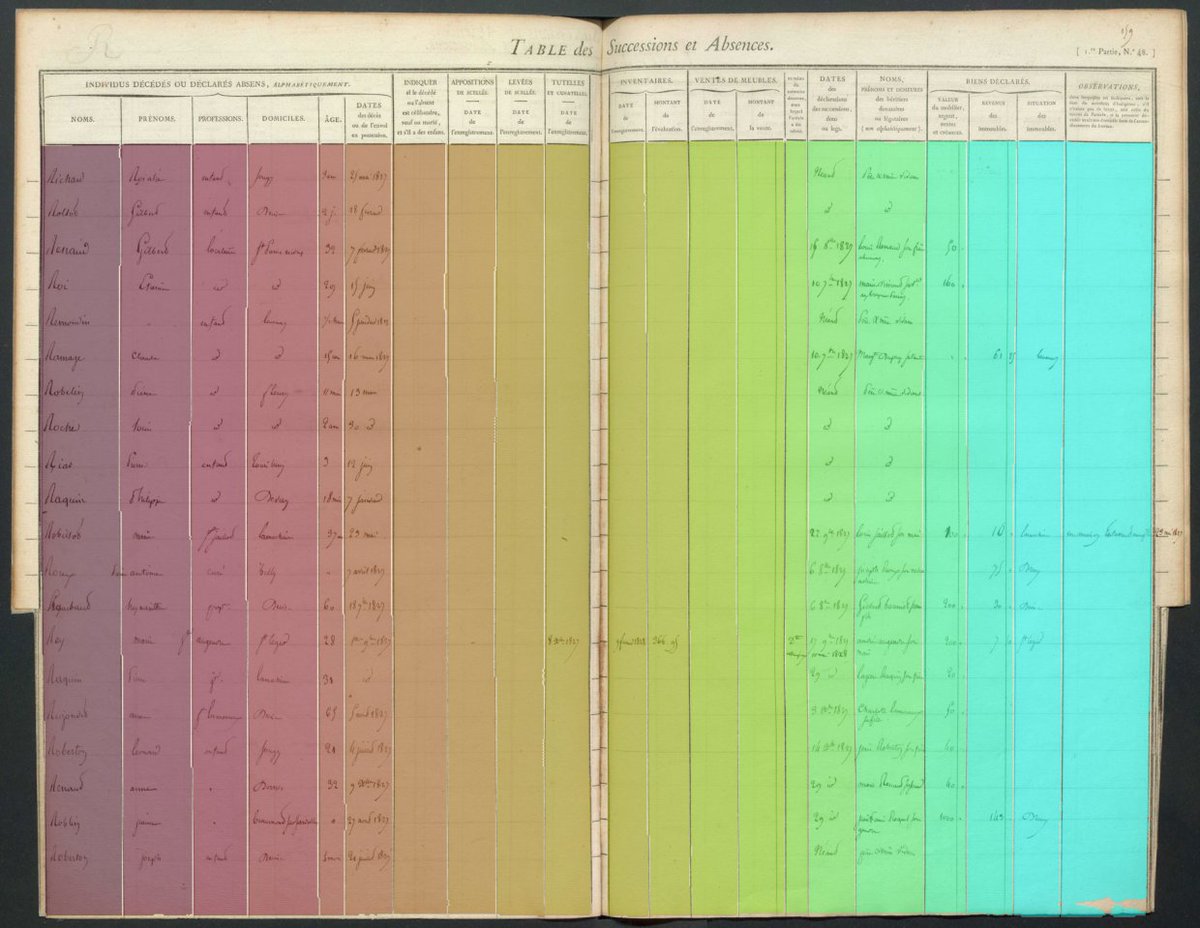
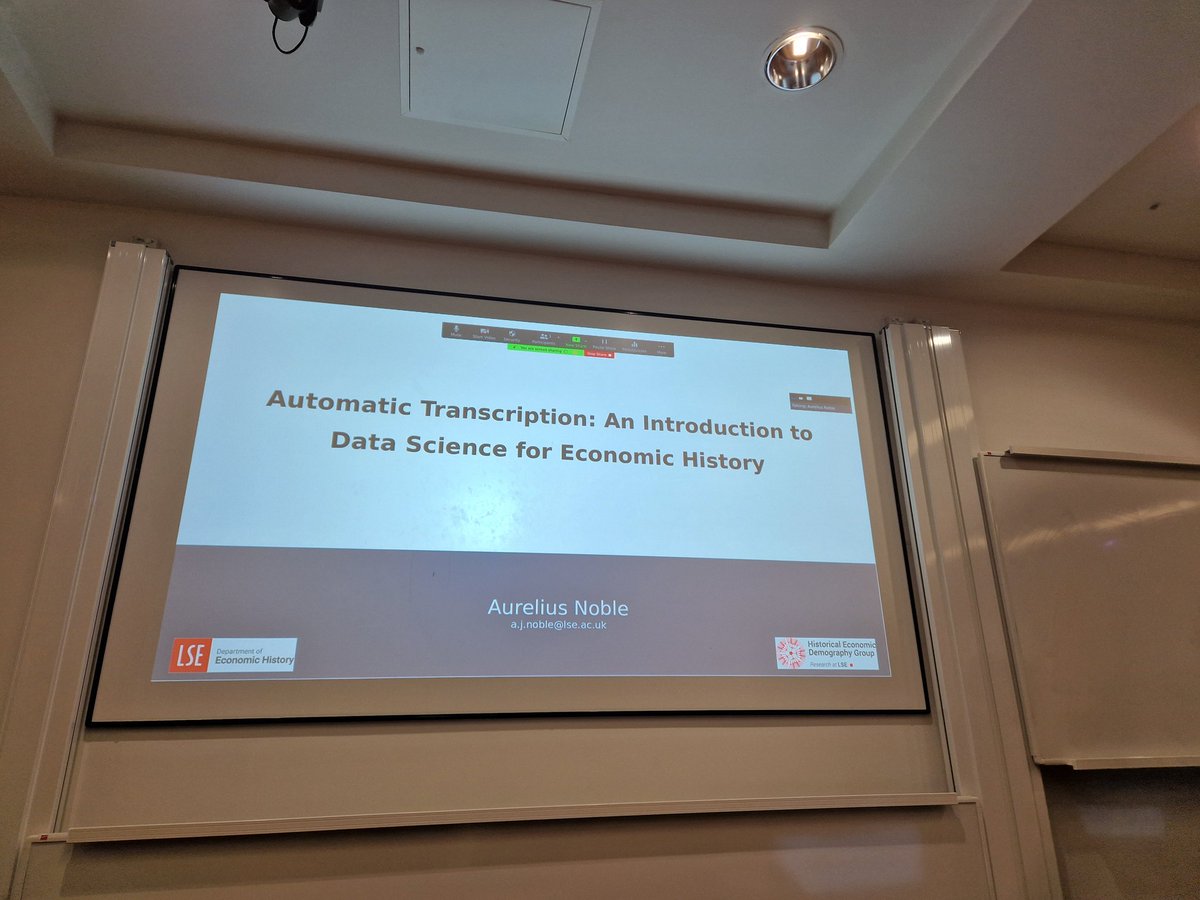
Excited to announce a new interative workshop on automated transcription for economic historians: https://t.co/DOrHq8iKrs! The workshops aims to help beginners explore how to apply these methods, and take their first steps into the field
@LSEEcHist@EconHistAssoc@The_EHES
Time to celebrate! “DID estimators of intertemporal effects” accepted at @restatjournal, and very very fast did_multiplegt_dyn Stata & R commands available from SSC & CRAN, thanks to Mélitine Malézieux @fe_knau@diegociccia1 & @DSDoulo! Celebratory thread! https://t.co/i0lwPE6mtV
New IDB publication: Exodus to Public School: Parent Preferences for Public Schools in Peru. Analyzes migration from private to public schools during early months of Covid-19.
Causal evidence on preferences and insights on how to strengthen public schools https://t.co/VWhnOhFcYt
Our book "Roots of Underdevelopment: A New Economic and Political History of Latin America and the Caribbean" is officially OUT! I cannot be happier and more thankful to all of our wonderful authors, tagged below, and reviewers. Just in time for Christmas! https://t.co/lH6cVpy1HQ
My colleague @AureliusNoble, PhD candidate @LSEEcHist has become an expert in OCR for historical documents. Today is the first of four sessions: the intro lecture, followed by workshops. It will be recorded and I will share the link below. @EcHistSoc@EconHistAssoc#econhist 1/?
EN: Excited to share the publication of my new paper in Labour Economics, which explores the impact of minimum wages on government approval and labor market outcomes in Peru. @eale_sbe https://t.co/2IDtVVKHU6
Don’t waste time using ChatGPT for your academic research needs.
It provides incorrect references and out-of-date information.
Instead use AI-powered tools that are designed for academics:
Our working paper on #MachineLearning for staggered #DifferenceInDifferences is out! Our method explores effect heterogeneity under staggered treatment adoption and is applied to assess the effect of Brazil's Family Health Program on infant mortality: https://t.co/YzTvLEYu0B
Súper feliz de ver nuestro artículo @fabiosanchez_to sobre los orígenes agrarios del conflicto armado en Colombia publicado en @WorldDevJournal.
Acceso completamente gratuito en este link:
https://t.co/8RO5MJ9mlI
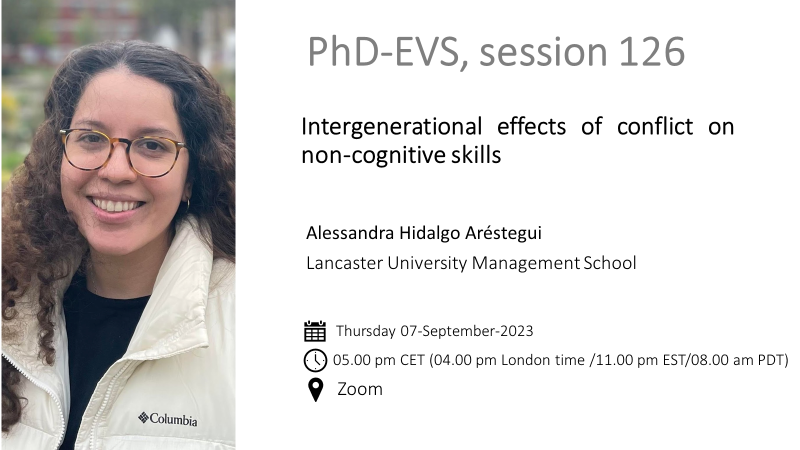
Don't miss out! Our first online seminar of the academic year is TOMORROW!
Join us tomorrow for @alehidalgoa 's presentation on Intergenerational Impact of the 1980-2000 Peruvian Civil Conflict!
Register here for the zoom link🗓:
https://t.co/SySqajASox
#EconTwitter#phdlife