@RCallsign@aaronistan It doesn’t necessarily have to be in the bedroom, the form factor allows it to look “at home” whether it is in the living room, bedroom, office room.etc
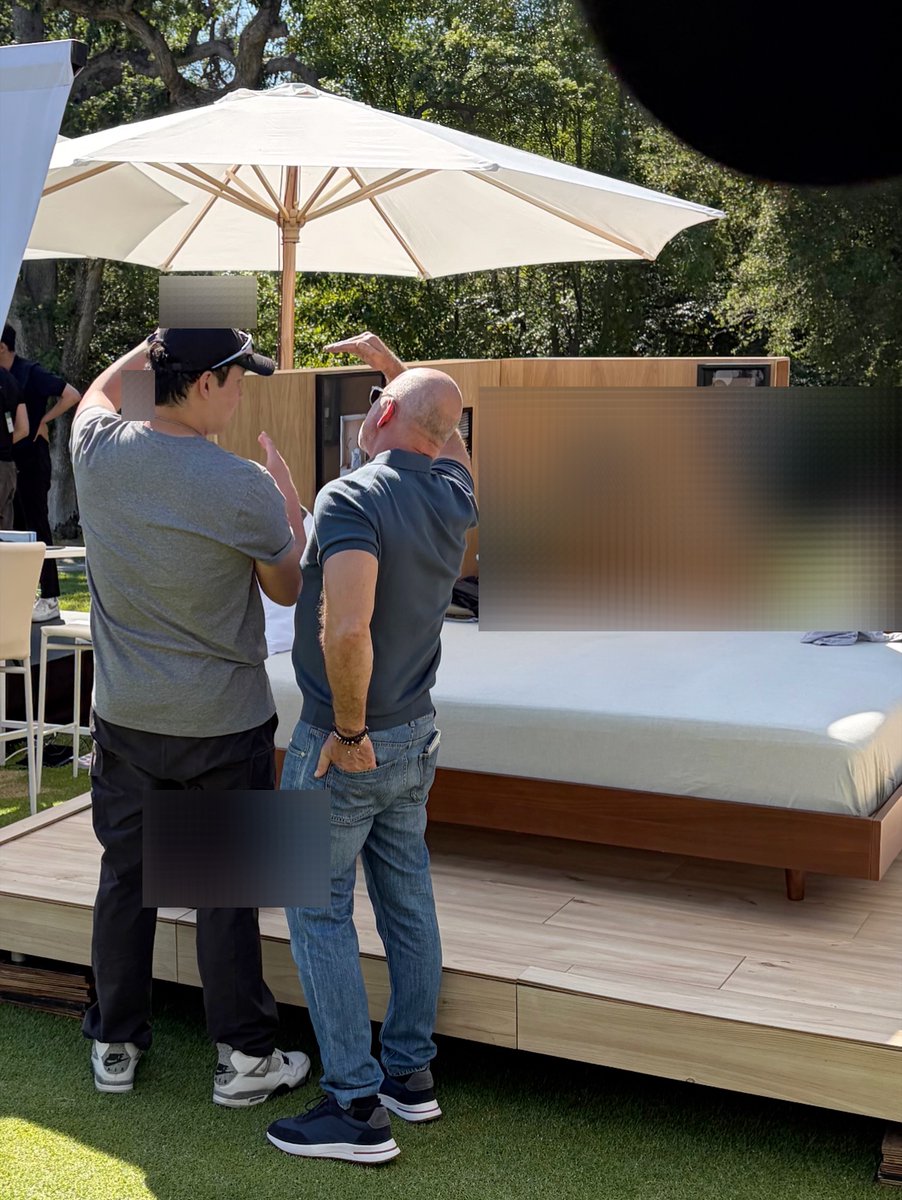
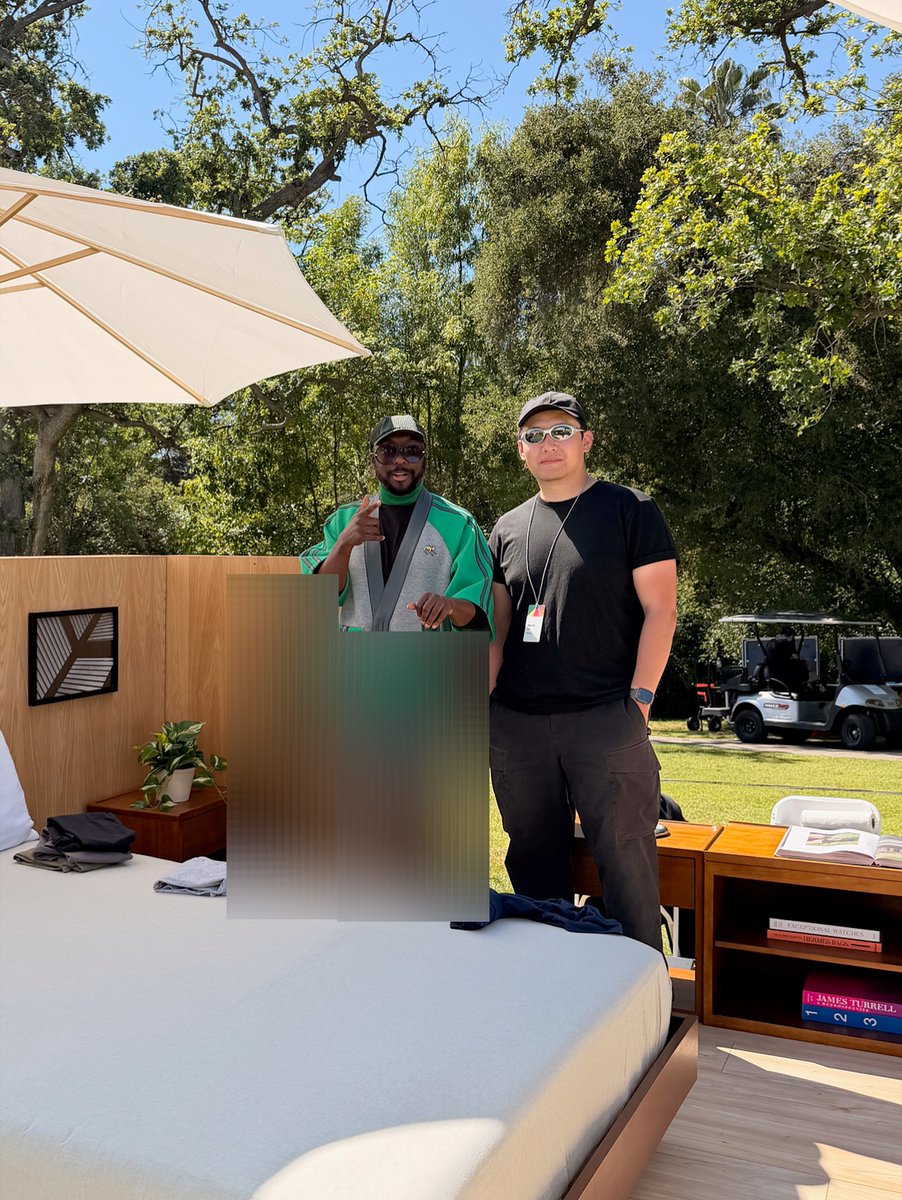
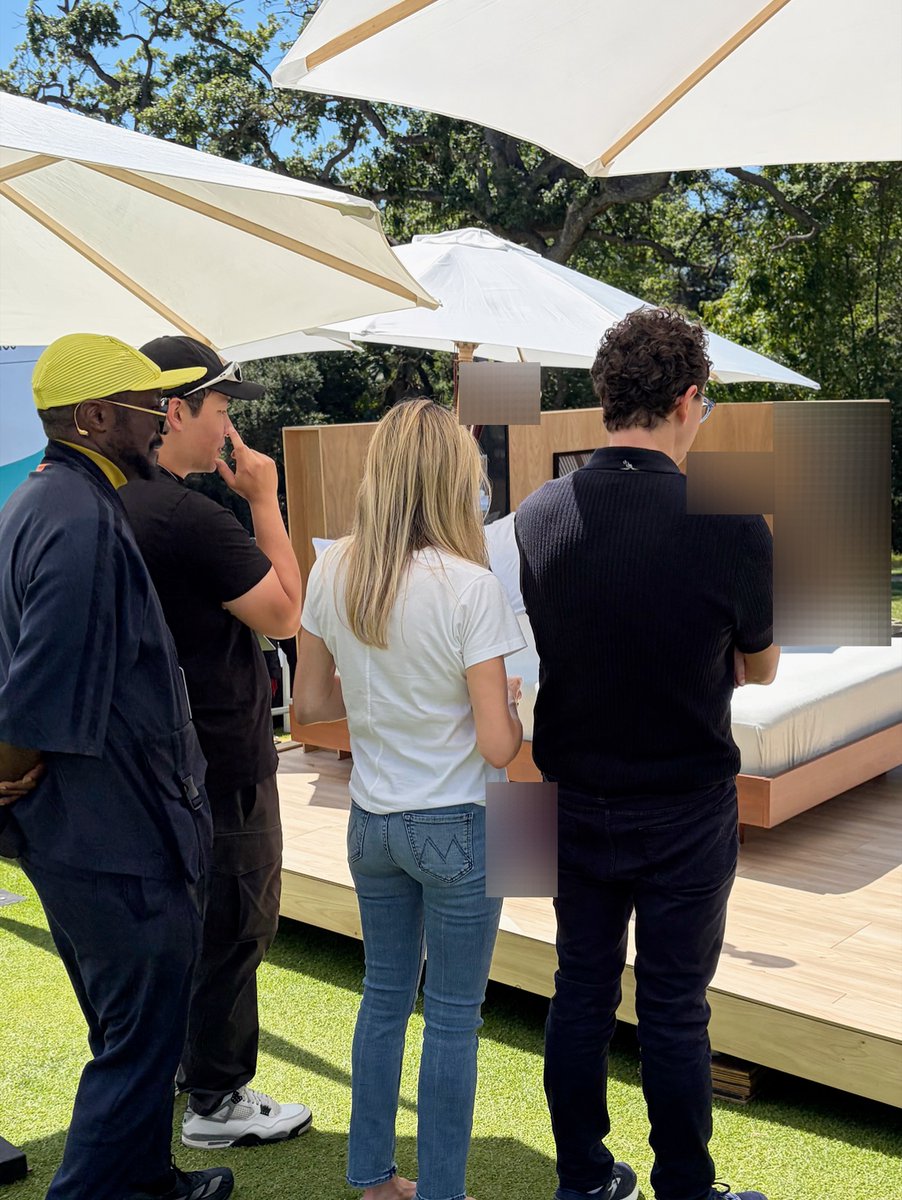
We just did a private demo of Lume for Jeff Bezos, Will I Am, Dario Amodei, and more.
The progress over the past six months has been incredible.
The @bySyncere team is so excited to launch this week.
@bryanwon23@oprydai For sensor field of view studies, it can just be done in CAD by modeling the view cones and just playing with the angles to figure out stuff like blind spots.
More complex sims can be done with Ansys Speos or Zemax but it’s better handled in late stage or by suppliers
@bryanwon23@oprydai Simulation can be very useful if scoped properly. For instance, putting a sensor field of view cone in CAD and checking the position is relatively easy and can save a lot of time.
Building your first functional prototype with whatever means necessary should still be priority
@0x4132@jefftangx Reposting due to wrong link 😅
https://t.co/23bNlwMHVR
For anyone interested
I see they requested FMVSS 108 exemptions but it didn't reference anything on reflex, so I was always super curious how they solved that. My guess was reflex that flipped
@emm0sh@BallifJed I’m guessing sintavia, is doing laser sintering.
Probably super useful for space and defense where they will buy 1 part for 1 trillion dollars
It’s harder to throw a humanoid robot out of your window.
Happy to report that our robot is light enough to be thrown out of a window should you feel the need to.
😆
@faraz_r_khan Once I finished up CAD while taking a flight and kicked off a 3D print in the air. And then marveled at the fact that this is actually possible.
Honestly it’s a great time to be alive and building no matter if you are software or hardware 😊
@faraz_r_khan Cruising 600mph, 50,000ft in the air with internet and getting served snacks and coffee, feeling normal. This is actually kind of insane when you think about the engineering it took to get here lol