If you noticed today I wasn’t all that available,I’m going through a little rough patch now ,I got knocked down yesterday with a little fever without knowing it was a malaria,plus Elon seized my badge and no refund yet,but as soon as I’m back I’m going direct to elon house for questioning,for now let me he better so we can continue from where we stop ,I love y’all 💙😊
Things you should NEVER do during an interview.
You’re on a video call and you’re picking your hair, picking your nose, checking your phone or doing something completely unrelated?
Being distracted or creating unnecessary attention can affect how you’re perceived.
You don’t have to be stiff or robotic.
Just be present.
Listen.
Pay attention.
Keep distractions away.
Be mindful of what you’re doing on camera.
Because even when you’re not speaking, you’re still communicating.
I notice these things too.
And sometimes, I’m more curious about why candidates do them
What do you think causes this?
How Art Changed
Art started as survival and magic
About 40,000 years ago, people painted inside caves like Lascaux and Chauvet.
They painted the animals around them. It was not for fun. It was a prayer to bring luck for hunting, honor the herd, or talk to spirits.
The handprints on the walls were their way of saying, “I was here.”
Art became power and story
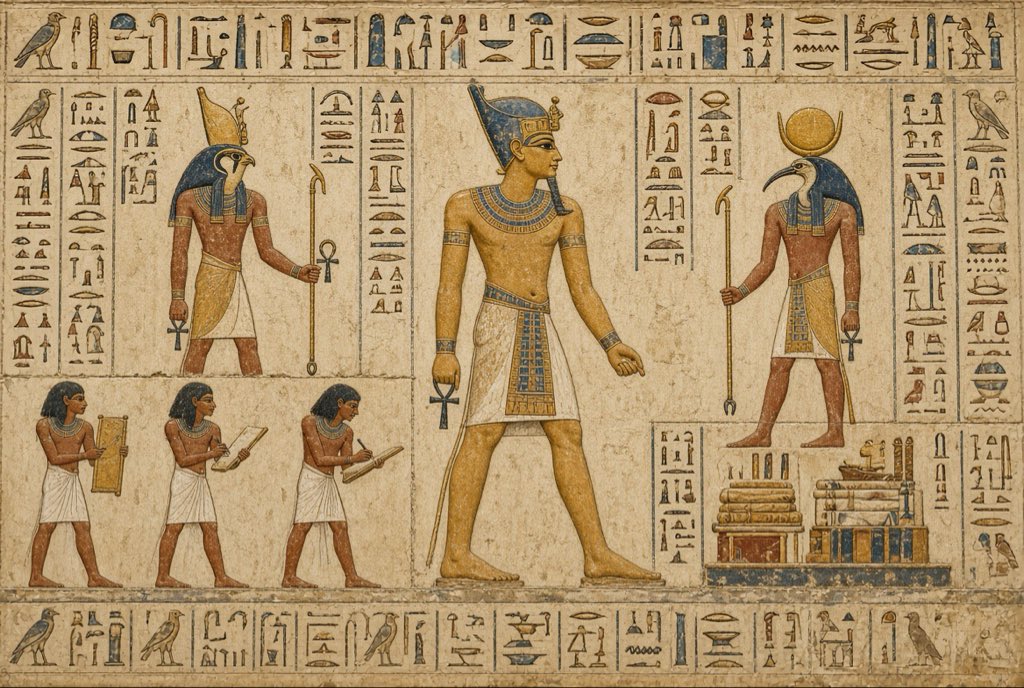
Later, empires like Egypt and Greece used art to show gods, kings, and myths.
In these paintings, size meant importance.
Kings and pharaohs were drawn huge because people thought they were closer to gods.
Most people could not read, so temples, pots, and tapestries were the original Netflix and news feed, they told everyone the stories they needed to know.
Art became about seeing
Around the year 1400, the Renaissance started in Europe.
Artists like Da Vinci and Michelangelo studied how light falls and how bodies move.
They learned how to paint depth so a flat picture looked like a real, 3D room. Art shifted from showing "what we believe" to "what our eyes see."
Rich families and churches paid for it.
Art became about feeling and ideas
In the 1800s, the camera was invented. Since cameras took perfect pictures of real life, painters stopped trying to copy reality.
Instead, they explored new ideas:
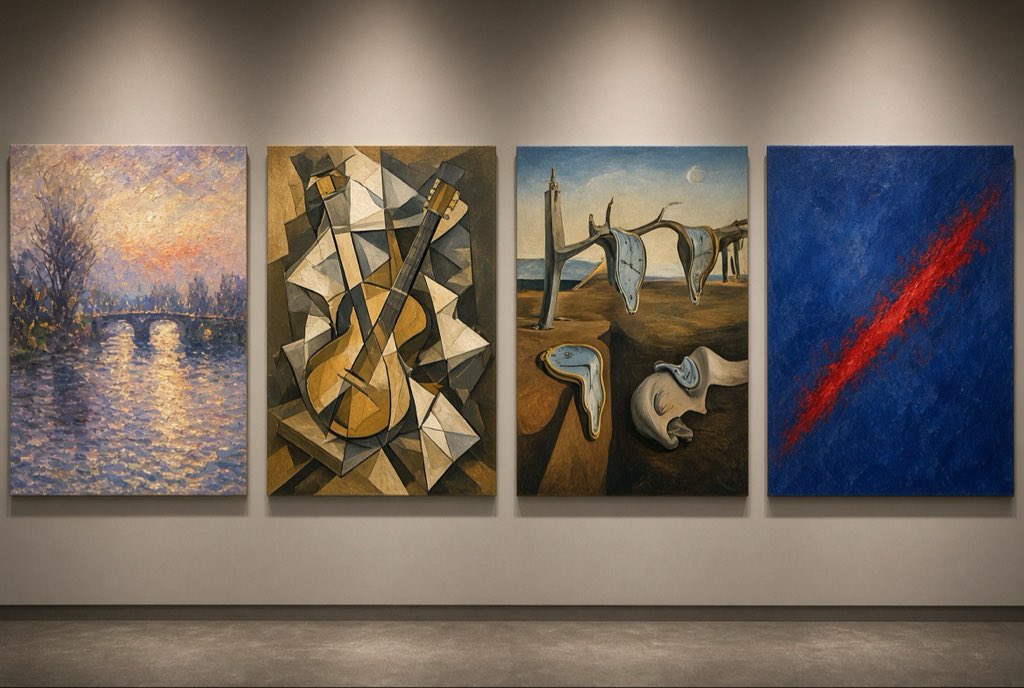
Impressionism: Painting how light looks in a fleeting moment.
Cubism: Showing all sides of an object at once.
Surrealism: Painting the logic of dreams.
Abstract Art: Using only shapes and colors to trigger emotion. Art did not have to look like real life anymore. It just had to mean something.
Art became about questions
Today, art asks tough questions: Who is allowed to be seen?
What makes something valuable?
Is this even art?
We have gone from cave walls to digital art, street murals, and AI images.
The tools change, but the goal is the same: Take something invisible, like fear, love, power, or anger, and make it visible so others can feel it.
The Main Idea
Every era of humans used the best technology they had:
Cave paint → Bronze → Oil paint → Cameras → Computers → AI
But the impulse never changes: We make art so we won't be forgotten.
My bank manager called me one morning.
Manager: “Sir, we noticed a transfer of $39,000 from your account.”
I froze.
Me: “$39,000? I didn't authorize that.”
We started investigating immediately.
The money had been moved through an account I had originally opened for my son.
That was when everything became clear.
My 14-year-old son had access to the account.
I called him.
Me: “Have you noticed anything unusual about the account?”
Son: “No, Dad.”
He looked completely calm.
I didn't tell him what we had discovered.
Instead, I made arrangements for him to be questioned as though I knew nothing.
I wanted to understand exactly what had happened before deciding what to do.
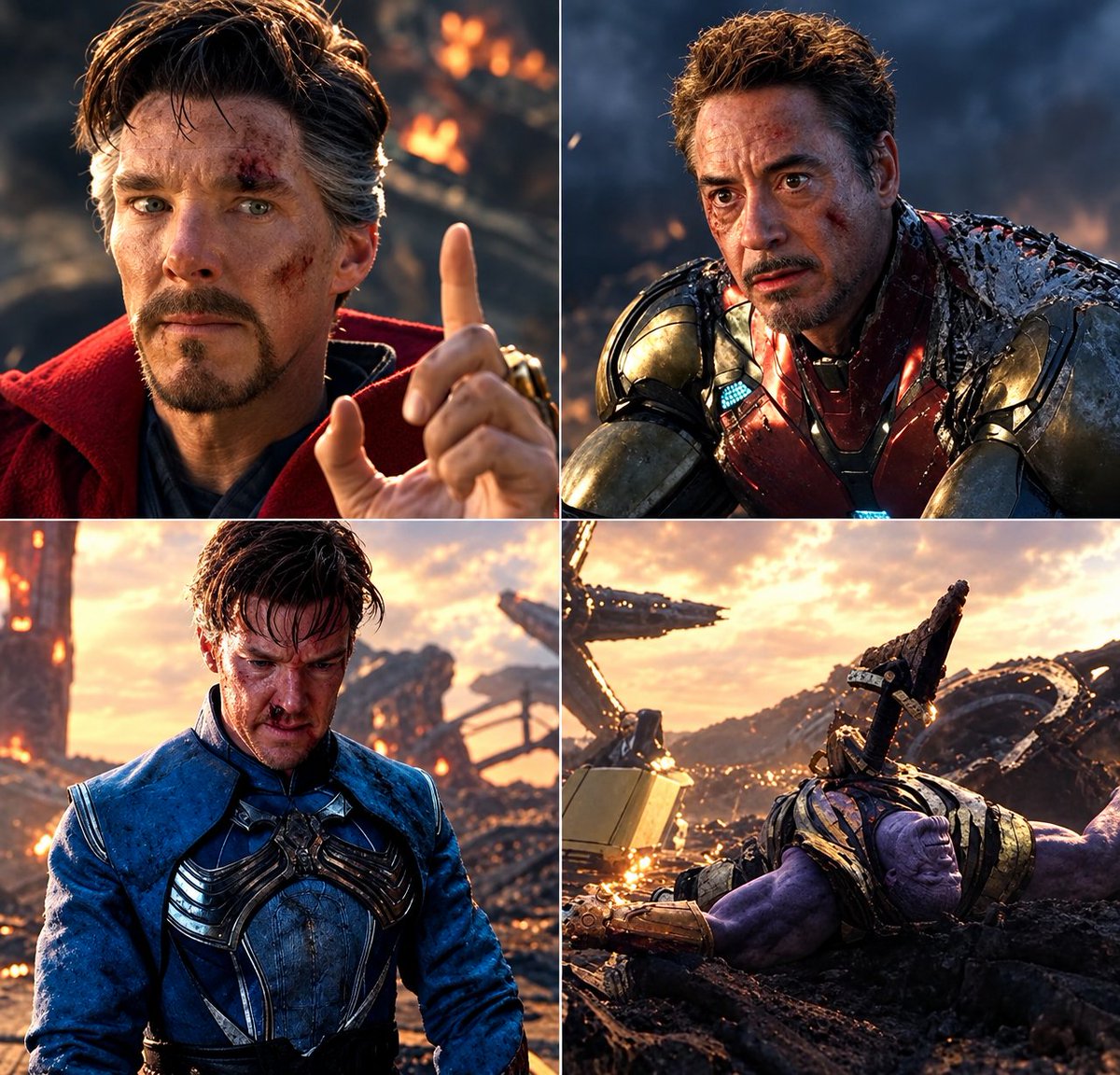
DID DOCTOR STRANGE REALLY TELL TONY THE TRUTH ABOUT THE 14,000,605 FUTURES.
He saw only one winning outcomebut did he hide the details because Tony’s sacrifice was part of it, or was Strange manipulating Tony from the beginning.