Nissan Sentra B-Series 13 For Sale @ KES750,000 Only — +254722979847
✓1991 Super Saloon model.
✓Accident Free.
✓1600cc Petrol Engine.
✓5 Speed Manual Transmission.
✓ECCS Manifold.
✓LED Headlights.
✓Fog Lights.
✓154k Kms from Brand New (Japan import). Pre-owned by an Asian Family, I'm the 2nd owner.
✓15 inch BBS Rims.
✓185/55R15 Tyres Filled with N2.
✓Presidential Privacy Tint (Llumar)
✓Pioneer Music System - Head Unit, 6 inch 3 way Door speakers, 6x9 3 way speakers, TS Tweeters, Amp & Subwoofer.
✓Crossover + fuse.
✓Reliable Indian Battery.
✓Power Windows.
✓Power Side Mirrors.
✓Original fabric seats (not torn)
✓AC works and blows 🌬️❄️⛄☃️
✓Mercedes Horns.
✓Nano Ceramic Coated 12H.
✓Meroni (Italy) Door Locks.
✓Electric Retractable FM Aerial.
✓Well Loved and Cared for car.
✓Absolutely Reliable (UG, TZ trips, Marsabit, Kisumu, Eldy, Iten, Voi, Coasto etc)
✓Fuel Efficient - 16kpl.
✓Runs on coolant.
✓New Generation Plates.
✓Clean Title. TiMS transfer 💯
✓Viewing in Ridgeways along Kiambu Rd.
The book of Hebrews begins by declaring that God spoke in the past through the prophets, but in these last days, He has spoken through His Son. The passage goes on to reveal the identity and supremacy of the Son, who fully shares in the divine identity. Yet we should not overlook its opening truth: our God is a communicating God.
Bertha Benz pushed her husband's car out of the garage before dawn on 5 August 1888 so the engine would not wake him, left a note, and drove 106 kilometres to her mother's house with her two teenage sons.
Nobody had ever driven a car that far. Every previous run had been a short test with mechanics standing by.
Her husband had built the thing and patented it and could not sell it. He was a fine engineer and a poor salesman, and she had already put her own money into the business before they married. She decided the world needed to see one of these actually go somewhere.
There were no petrol stations, no garages and no roads built for it. She followed wagon tracks.
The fuel ran out and she bought three litres of a petroleum solvent from a pharmacy in Wiesloch, which is now generally counted as the first refuelling stop in history. The fuel line blocked and she cleared it with a hat pin. An ignition wire frayed, so she insulated it with her garter.
The brakes wore through. She stopped at a cobbler and had him nail leather strips onto them, which is the first brake lining anybody ever fitted to a car. The boys pushed it up the hills. It only had two gears.
She telegraphed her husband from Pforzheim and drove home a few days later. He added a lower gear and leather brake linings to the next model. Within ten years the company was the largest carmaker in the world.
https://t.co/iCXyCe1P4Z
Between 1837 and 1863, the United States ran no central bank, and prices barely moved. This is no coincidence.
After Andrew Jackson killed the Second Bank of the United States in 1836, America entered what historians call the Free Banking Era. Banks operated under state charters, competed with each other, and issued their own paper notes backed by gold and silver. No Federal Reserve. No lender of last resort handing out cheap money to well-connected institutions.
The result? Average annual inflation sat somewhere around zero. Some years actually saw mild deflation, meaning your dollar bought more over time. Imagine telling that to someone who watched their grocery bill climb 20% between 2020 and 2023.
Free market thinkers have pointed to this period for decades because it demonstrates a fundamental mechanism: competition keeps banks honest. If a bank in Ohio issued more paper notes than its gold reserves could support, people caught on fast and demanded redemption. The bank either held enough gold or it failed. There was no bailout waiting.
Yes, banks did fail sometimes. Free banking critics love bringing that up. But bank failures in a competitive system are exactly how bad actors get flushed out. Depositors learned to check a bank's reputation. Publications like the *Bank Note Reporter* gave people real information on which institutions were solid.
The system wasn't perfect, but it produced something modern central banking has never once delivered: sustained price stability without a government committee deciding what money should cost. The Fed has existed since 1913, and the dollar has lost over 97% of its purchasing power since then.
We -as Kenyans need to get out of this MMF mentality on everything tbh
We need to actually build wealth, create companies ,create employment and the likes .
Si Kila pesa tunaget we store it because it's safe Mahali.
Anyways .
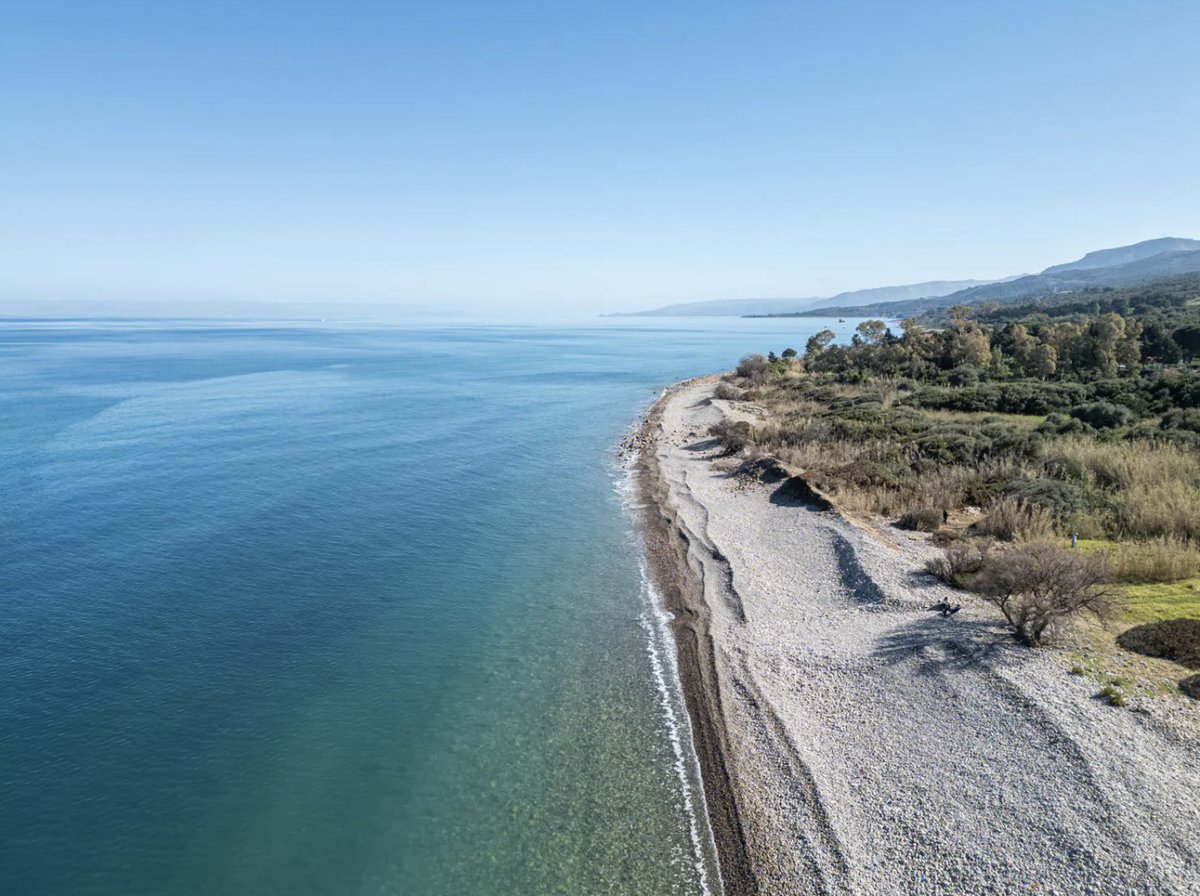
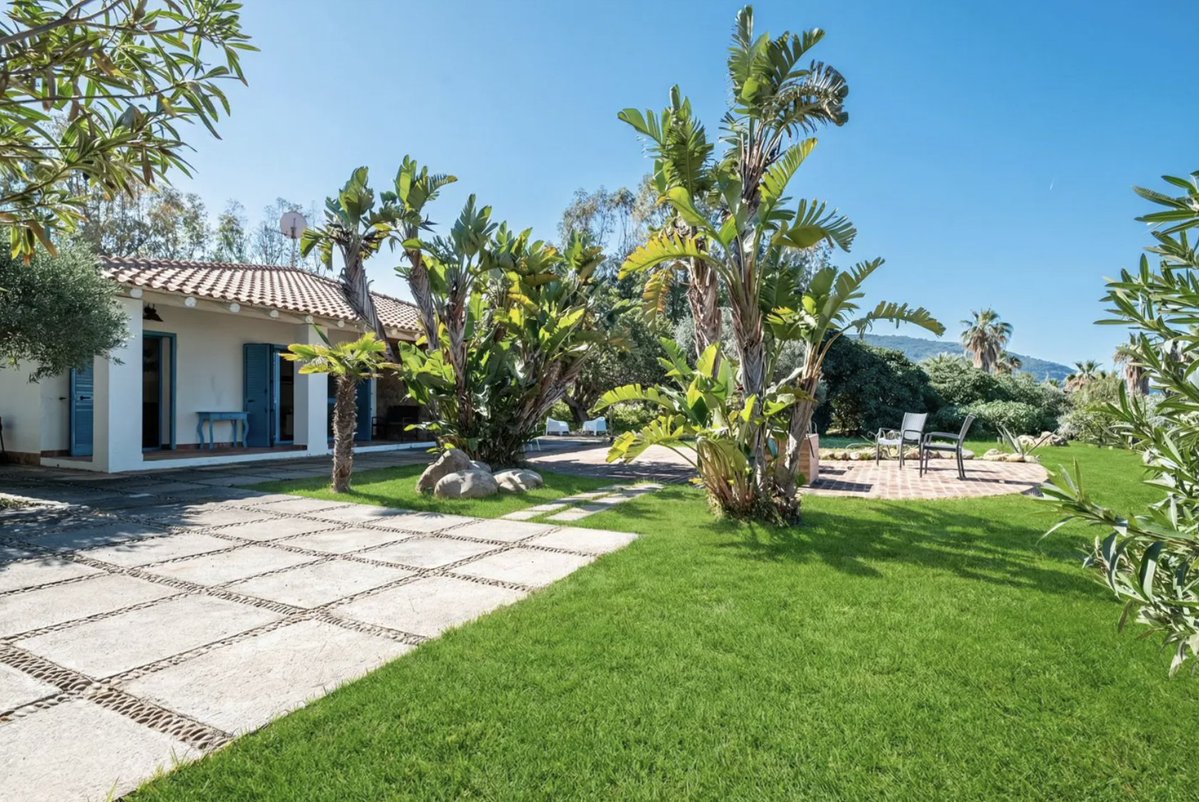
I think Sicily is the only place left in Europe where you could still buy two villas+a beach to yourself for under a million.
€998k ($1.1M) for both. Each with its own entrance, sharing 10,000 m² (2.5 acres) of land between them. 4 beds/4 baths and both sold fully furnished.
In Italy every beach is public, but this stretch has no road in from inland, and the only way down is through the garden. So in practice you'd have it to yourself.
The villas were built in 2005 and are located in Caronia, ~halfway between Palermo and Catania airports. 223 m² (2,400 sq ft) total across both structures. So not big in size, but for me this is more about land and privacy.
How much would something like this cost where you live?
Are you saying that someone who can afford Kes 30000 in fees will benefit from a grant for Kes 100000?
If I can afford 30K for class I am highly likely able to raise 100K for my business.
Ready to scale? Join the Sinapis Aspire Launchpad, an exclusive Early Stage Accelerator for high potential, early stage entrepreneurs motivated to grow. Master business foundations and pitch for a Ksh 100,000 grant. Apply by 15th Aug.
THE SHYLOCK NEXT DOOR
You would never let someone use your ID to borrow money from a Shylock, then expect you to repay the loan. You would call it THEFT.
So why are we so quiet when it happens to our country?
Kenya’s public debt now stands at about KSh 12.8 trillion. This year, about 91 percent of the taxes we collect will go to paying debt, not improving hospitals, schools, roads, or supporting counties.
We feel it every day through higher taxes, delayed county funding, delayed and reduced capitation, struggling public services, and fewer development projects.
Debt is not the problem. Debt without clear results is.
Every Kenyan is paying for these loans. Every Kenyan has the right to ask one simple question.
What did we borrow all this money for?
Your name is on the bill. Your voice should be part of the conversation.
#KenyaDebtCrisis #OdiousDebt #DeniBandia #GetitDone #ReKe
In all fairness,
KRA should extend the 2025 income tax filing deadline by 3 months.
Why?
• By law, taxpayers are given 6 full months to file their annual income tax returns.
• However, KRA opened 2025 tax filing window on March 31. After introducing requirements to scan & send supporting receipts to KRA.
• KRA blocked businesses from filing for 3 straight months.
Given the complexities of 2025 filing. And constant Itax downtimes.
It is only fair that taxpayers receive the full filing period contemplated by law.
A 3 month extension would not be a favour. It would simply restore the time KRA took away.
Do you agree?
Titus Njari Ndei, 41, led Kitengela landlords to build their own private sewer line after years of sanitation problems in the fast-growing town.
With the population ballooning, property owners had relied on expensive septic tanks that often overflowed and posed health risks.
Frustrated by the Kajiado County Government’s failure to provide a lasting solution, the landlords decided to take action.
The push started in 2013 when the county sued 22 plot owners for discharging raw sewage, contrary to the Public Health Act. They were released on bonds of KSh 180,000–200,000.
Two months later, the accused landlords mobilized under Engineer Ndei and registered the Kitengela EPZ Neighbouring Community Sewer Project. They secured approvals from EPZA, NEMA, and other authorities, then funded a KSh 85 million, 45-kilometre, 2-foot-wide sewer line running to the Athi River EPZ trunk sewer.
The project was funded by hundreds of landlords contributing KSh 250,000 each plus a KSh 1,000 registration fee, and paying EPZA tariff fees ranging from KSh 7,500 to KSh 74,000.
The completed sewer now serves 818 landlords and has eased the burden of paying KSh 200,000 every 2-3 weeks to the county for waste disposal. Ndei says the community initiative gives residents a chance to manage sanitation sustainably.
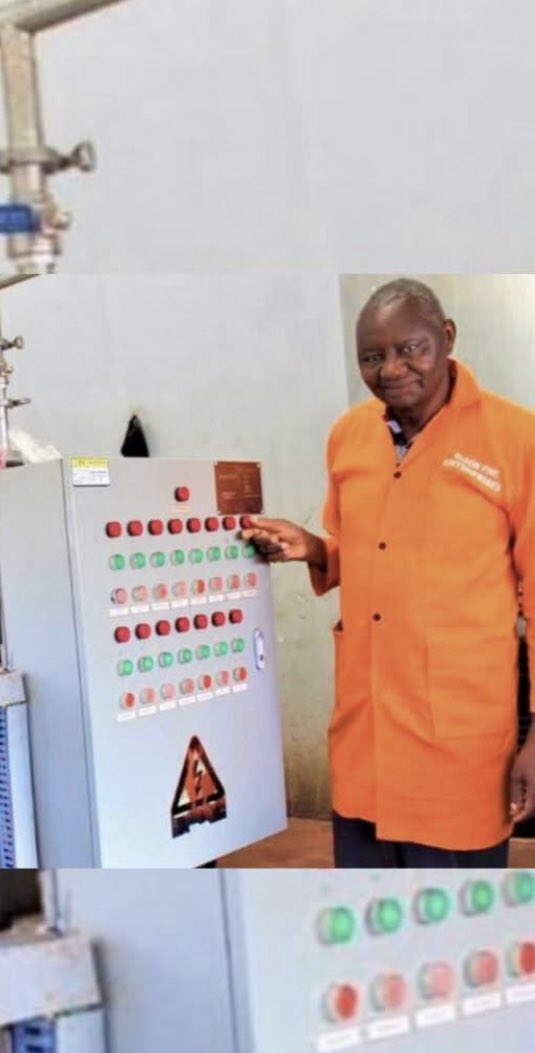
Paul Njuguna, a retired technical manager at the Agricultural Development Corporation, invested Ksh 16 million in 2019 to set up Elgon Pine, a refined oil and animal feed plant in Eldoret. At its peak, the plant processed 90 tonnes of canola, sunflower, and soya annually, with capacity for 300 tonnes. Njuguna contracted about 100 farmers who supplied raw materials, while he also farmed 10 acres himself.
The business also produced poultry feeds and soap from crop by-products.
The venture collapsed after Kenya Power slapped him with a Ksh 400,000 bill in August 2021, compared to his usual monthly bill of about Ksh 30,000. Njuguna disputed it as an error and filed a complaint, but Kenya Power claimed underbilling and refused to adjust. When he failed to pay, Kenya Power disconnected electricity to both his plant and home. Though EPRA ruled in his favour and ordered reconnection, the power was never restored, forcing him to shut down operations.
The shutdown affected the entire value chain - contracted farmers, suppliers, and employees - all of whom lost income. Njuguna now questions whether the disconnection was deliberate sabotage and why Kenya does little to protect small industrial ventures. His case has raised concerns about how utility billing errors and slow dispute resolution can destroy promising local businesses and the livelihoods tied to them.
Last year, the US government said some African governments refused to participate in its forced deportation programme for illegal migrants. Ghana volunteered to collect them and help dump them.
In 2022, the British government decided it no longer wished to host asylum seekers on its own territory and needed somewhere to offload them. Rwanda raised its hand.
In 2016, the United States decided it could not keep certain Guantanamo Bay prisoners in its own facilities. Ghana openly agreed to receive them on African soil.
And now the United States has decided it cannot repatriate its own Ebola patients to its own vastly superior medical infrastructure. Kenya has offered to build them a treatment centre.
Every time a Western government identifies something it considers too dangerous, too embarrassing, too legally complicated or too politically inconvenient to keep on its own territory, there is always an African government somewhere ready to collect it.
Deportees, asylum seekers, terror suspects, infectious disease patients. The willingness of certain African leaders to position their countries as the world’s surrogate waste management service, in exchange for whatever diplomatic or financial token has no visible floor.
There will always be morally bankrupt opportunists in government who will not look at the safety of their people, the dignity of their flag or the solidarity owed to the oppressed, and will instead compete to be the most useful to the powerful.
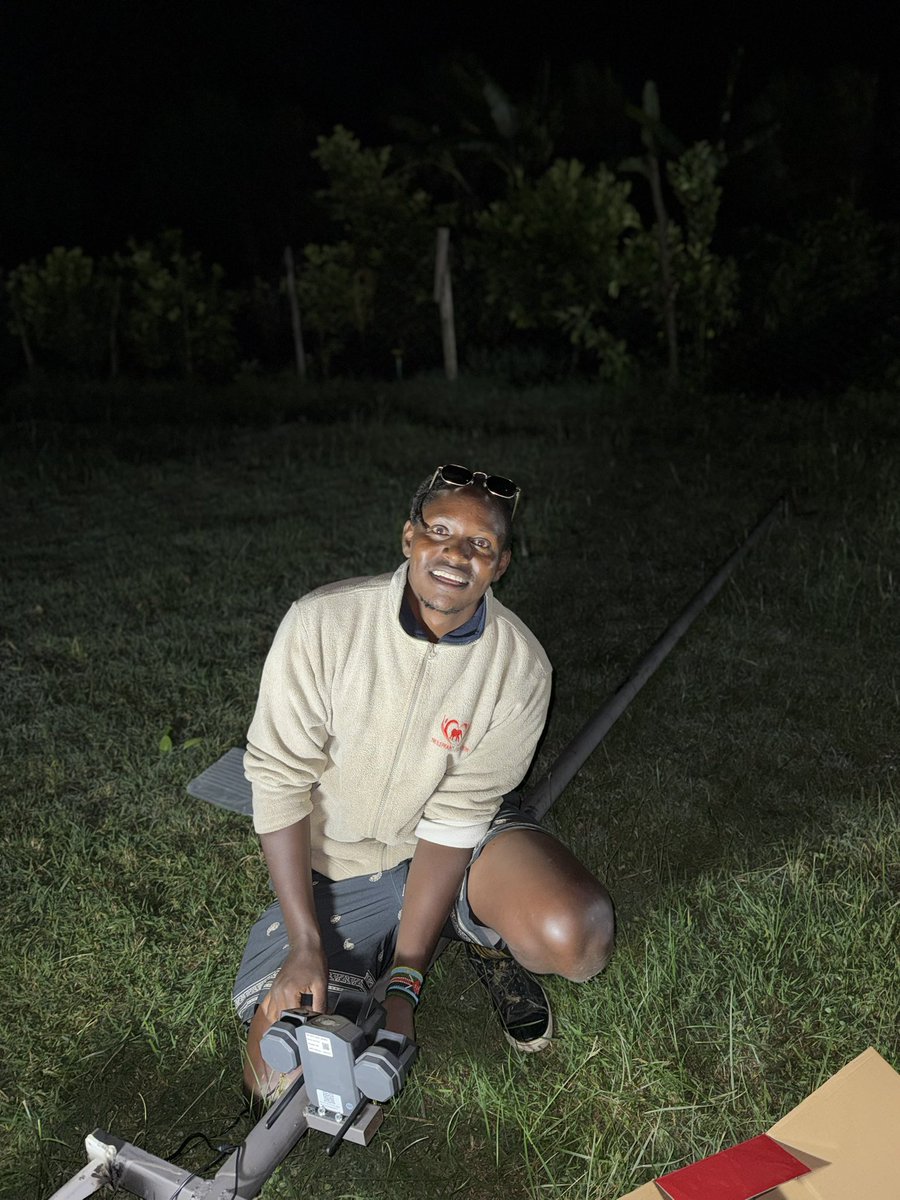
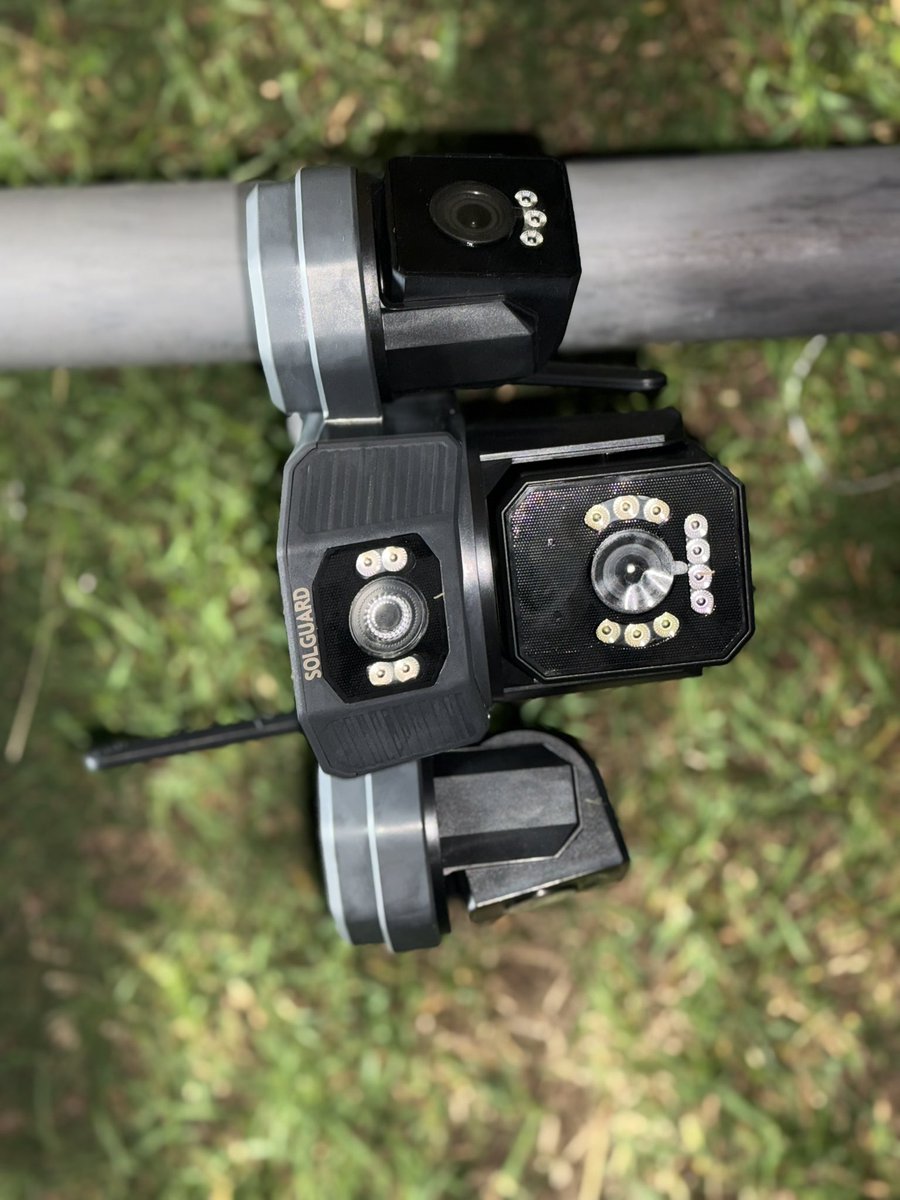
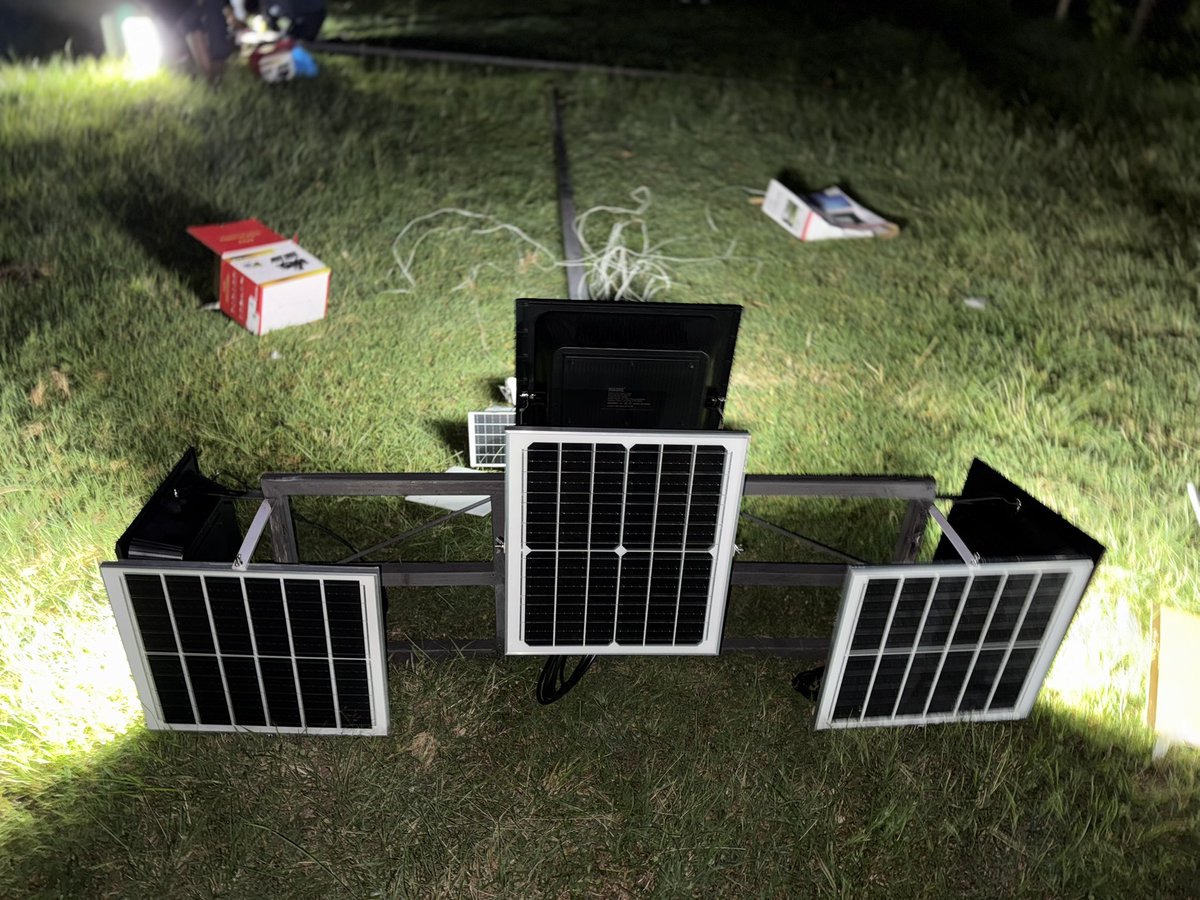
My Cousin Richard Turere came up with an idea of protecting Maasai homes from lion attacks by installing solar lights and he added cameras that rotate 360 degrees and are all weather proof..His project is called LION LIGHTS! Retweet kindly apate ya cabbage! Asante!