#IASC2024
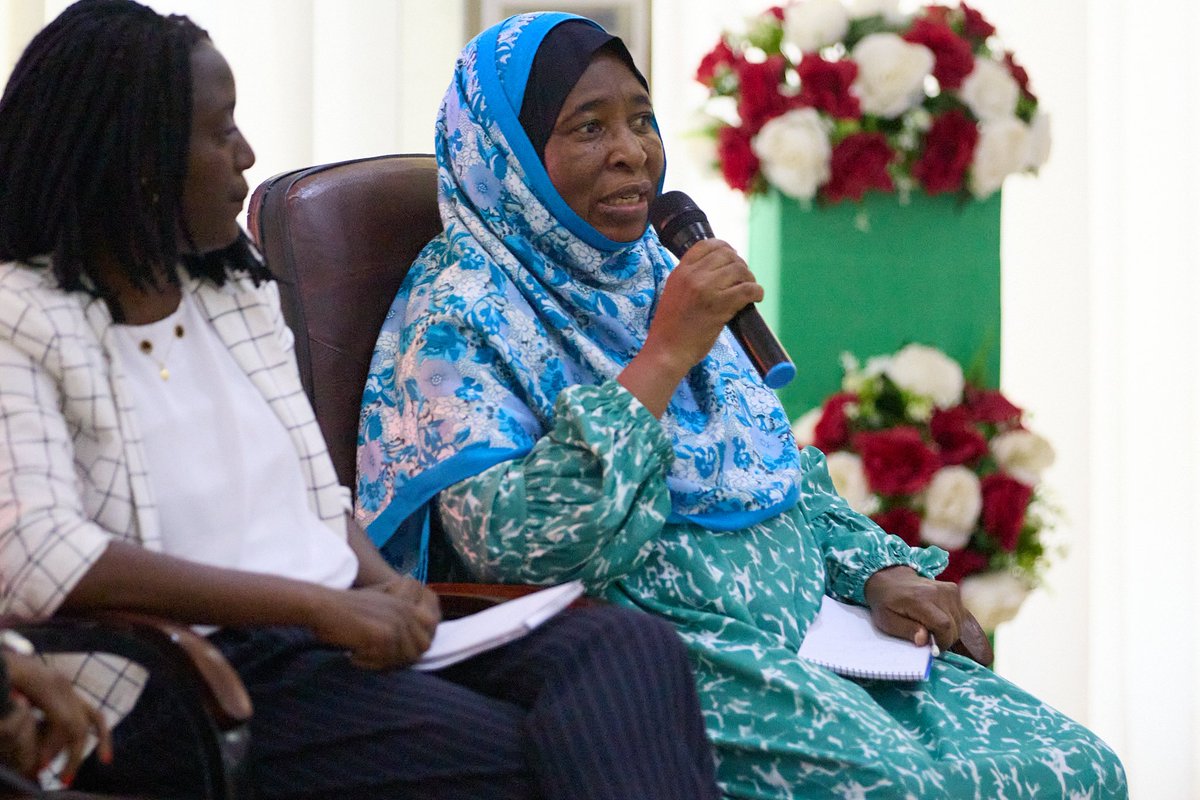
Inspiring the next generation of scientists!
In a session "Inspire to Innovate”, Senior scientist Dr. Fatuma Manzi – with over 20 years of experience in research - and young scientists Aneth Tumbo and Fadhila Kihwele from @Ifakarahealth shared powerful insights on their research journeys, empowering women in science, and the value of mentorship. 💡👩🔬👨🔬
>> https://t.co/0j6bHzfTmC
>> #IFAKARAevents #Innovation #ResearchImpact
I am increasingly interested in the idea that out of the nearly 3500 known mosquito species, the 2-4 that transmit human diseases, can and should be completely wiped out. Species sanitation if you like. I see this as a reasonable goal of serious medical entomologists, and one that would bring tremendous public health value. Top on this list in my opinion should be: Aedes aegypti, Anopheles funestus and Anopheles gambiae. I doubt anyone would disagree...
~
And the work that my colleagues do at @ifakara and @UofGlasgow@UofGSBOHVM and at the Mosquito City in particular is a great step towards this finality:
~
Watch: https://t.co/5lN30Wd57o
DOCUMENTARY:
BBC to feature R21 malaria vaccine story in “Horizon”
The @BBC announced on July 1, 2024, that the "The Battle to Beat Malaria" film will be featured on BBC Horizon, the long-running popular science and philosophy documentary program.
🎬This documentary celebrates the scientific breakthrough of the R21 malaria vaccine, highlighting the achievements of @UniofOxford, @ifakarahealth in Tanzania, and their global partners. 🌍🦟
Watch the trailer in the link below ⤵️
>> https://t.co/fQVwxacvRF
>> #IFAKARAevents
TRAINING:
Scientists sharpen skills on new mosquito surveillance technologies
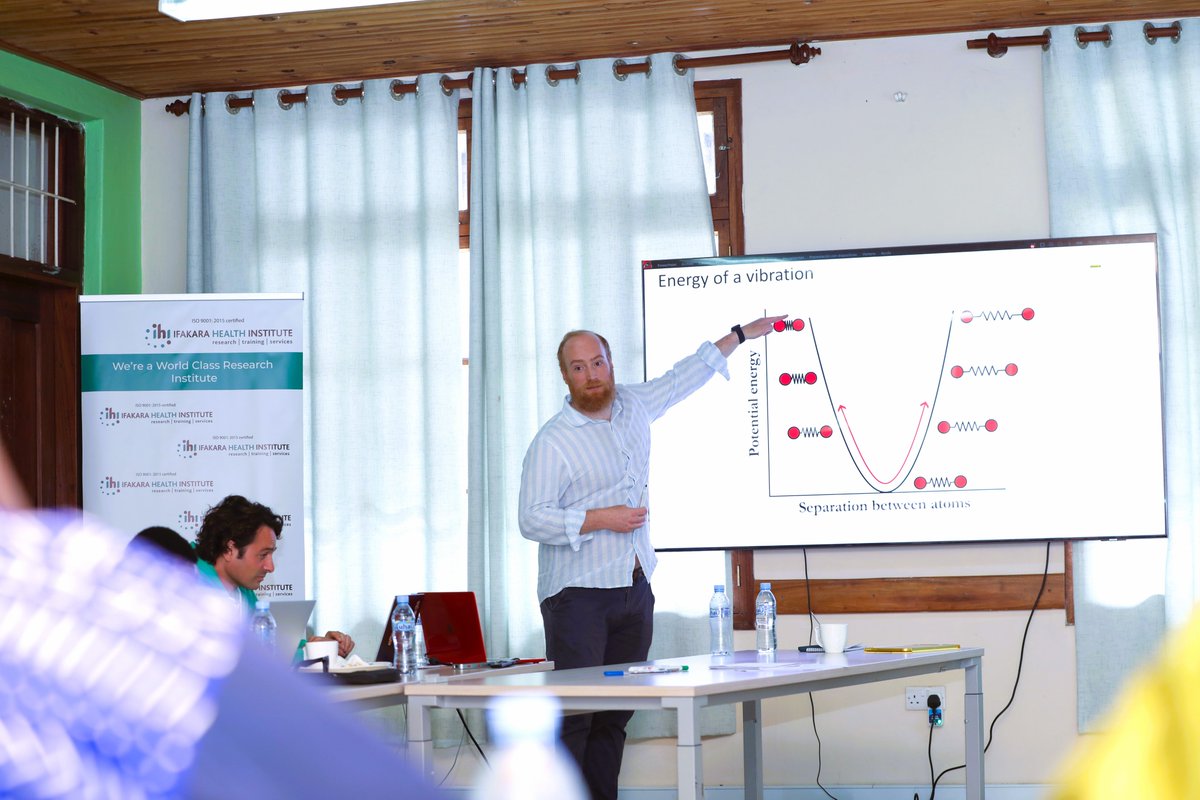
From July 1-5, 2024 in Ifakara Town, Tanzania, @ifakarahealth, @UofGlasgow (@VectorsGlasgow), the Institut de Recherche en Sciences de la Santé (#IRSS) and @pamcafrica are conducting a specialized training course on the use of infrared spectroscopy and machine learning for vector surveillance. 💻🔣🦟
🔟scientists from malaria-endemic African countries gather to learn advanced techniques from experts, aiming to improve malaria vector surveillance through cutting-edge spectroscopic and machine learning methods.
Participating countries include 🇰🇪 Kenya, 🇺🇬 Uganda, 🇲🇼 Malawi, 🇧🇯 Benin, 🇨🇲 Cameroon, 🇧🇫 Burkina Faso, and 🇹🇿 Tanzania.
>> https://t.co/GVOCgG6qyo
>> #IFAKARAevents
Reagent-free detection of Plasmodium falciparum malaria infections in field-collected mosquitoes
~
Here, we demonstrate the first field-application of mid-infrared spectroscopy and machine learning to swiftly and accurately detect P. falciparum sporozoites in wild-caught Anopheles funestus, a major Afro-tropical malaria vector, without requiring any laboratory reagents. The technique is fast, scanning 60–100 mosquitoes per hour, and cost-efficient, requiring no biochemical reactions and therefore no reagents. Given its previously proven capability in monitoring key entomological indicators like mosquito age, human blood index, and identities of vector species, we conclude that MIRS-ML could constitute a low-cost multi-functional toolkit for monitoring malaria risk and evaluating interventions. Work led by @manuepeter_
Mwanga et al 2024 https://t.co/nCayMhveyH @ifakarahealth@UofGSBOHVM@Baldini_Fra@SimonAB@IssaMshani1