Netflix just confirmed in an SEC filing that it paid $587 million in cash for Ben Affleck's 16 person AI startup. That's about $37 million per employee.
And the model is the least valuable thing they bought.
Affleck's logic, in his own words, was that public video models were trained on his peers' films, and he didn't think that was a real business. You can't sell studios a tool their own lawyers would sue over. So InterPositive raised money, spent 8 months shooting its own dataset on a controlled stage, and used that footage only for late-stage training, so output hits real production standards instead of demo-reel quality.
Then comes the part Netflix actually paid for. Each new film fine-tunes a private model on its own dailies. The production keeps the footage and keeps the weights.
Dailies might be the cleanest video training data on earth. Professionally lit, continuity tracked, shot at a ratio of hours of footage per usable minute, with every rights question already settled in the contracts. Hollywood generates this at industrial scale every day, and until now it all went into a vault after the edit.
Affleck was on Rogan in January calling AI writing mid and the valuations overblown, while running this company in stealth since 2022. Turns out the two positions were consistent. Scraped models were the ones he called worthless. The one with clean title to everything it learned was the one he sold for half a billion.
Netflix says around 300 of its titles have already used generative AI. The $587 million bought the pipeline that makes the next 300 defensible in court.
Ben Affleck (Hollywood star & Artists Equity CEO) talks about how he fine-tunes open video models by unfreezing weights and trained only the last cinematic layer so a film crew can hit real production standards.
for context, Ben Affleck founded InterPositive in 2022, a 16-person AI shop for film post and Netflix bought it in March 2026 for $587 mn in cash.
He needed that model because public video models were trained on his peers' films, and he did not think that was a real business. So InterPositive raised money, shot its own dataset for 8 months on a controlled stage, and used it only as late-stage training.
Each new film then trains a private model on its own dailies, so the production keeps the footage and the learning. That is the product Netflix paid $587 million for.
----
From "Bloomberg Live" YouTube channel, (link in comment)
A streamer camped on Mount Kilimanjaro just told Americans that people in Africa don't have phones, houses, or running water.
His livestream is riding on broadband Tanzania ran up that exact mountain. In 2022 the government spent $6.3 million pushing fiber to 12,200 feet, then extended coverage toward the 19,341-foot summit, specifically so climbers could stream.
So "Africans don't have phones" reached American feeds over a network Africans built, on a mountain, at altitudes where most US national parks still have zero bars.
And the phone thing gets worse the closer you look. Kenya, one border away, launched M-Pesa in 2007. People were texting money to each other seven years before Apple Pay existed. Last year Sub-Saharan Africa moved $1.4 trillion through mobile money, two thirds of all mobile money value on earth. Americans were signing paper receipts while Kenyans paid by phone.
What he saw at camp was real. He just misread it. A Kilimanjaro trek routes you through a workplace. The men cooking over open fires are staff feeding clients who paid thousands for the experience, the same way a Montana wilderness guide cooks over a fire for tourists. He watched the product and mistook it for the country.
Tanzania built internet to the roof of Africa so visitors could share the view. One of them used it to announce the internet doesn't exist.
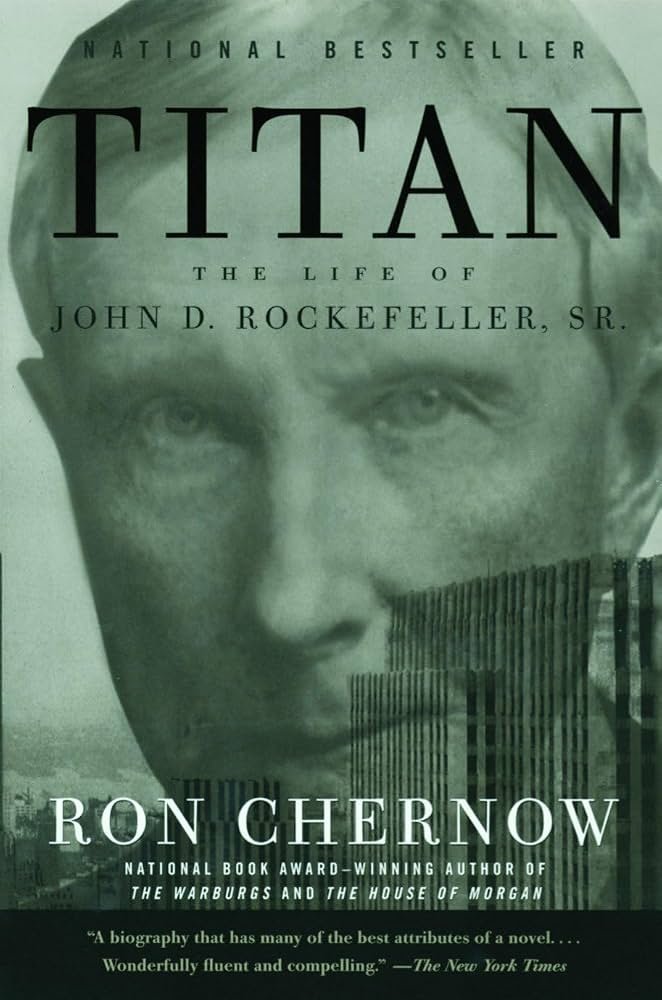
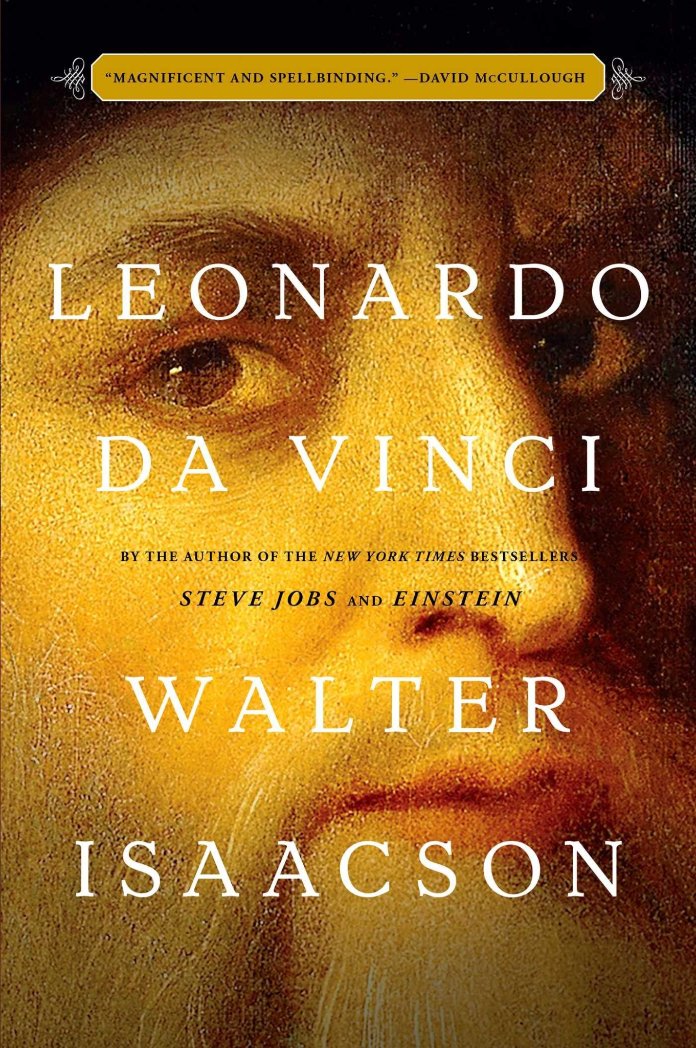
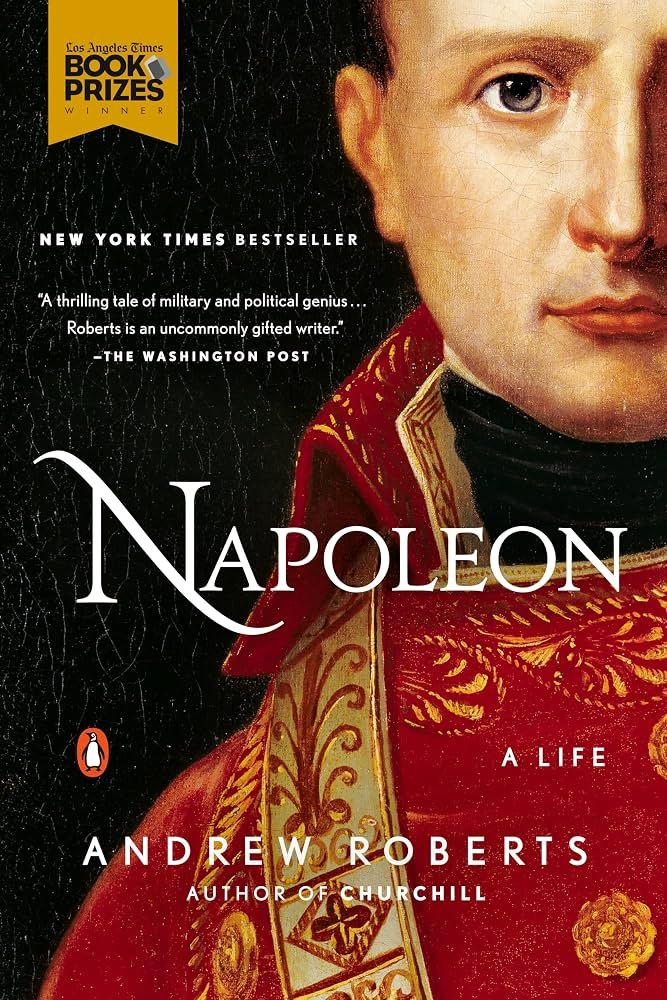
You need to be biography maxxing. Self-help books work, but they work on symptoms. If you want real help you look at biographies. That's how you build a system.
To be greater, you need to read about great people. Not just political leaders, but also economics, business, and artists.
To be what you ought to be, what you can be, you need a framework.
Wake Up Early - Tell No One.
Go to Run - Tell No One.
Work A Lot - Tell No One.
Eat Healthy - Tell No One.
Go to Gym - Tell No One.
Avoid fake dopamine by telling people & disrupt your success, Let your work speak.
If you read books for 3.5 hours or more a week, a Yale team found your risk of dying over the next 12 years was 23% lower than someone who reads no books. This person did more than three weeks of that on one Sunday.
They followed 3,635 Americans over 50, adjusted for things like wealth, education, health, and depression, and found that people who read books do better than people who read newspapers and magazines.
For the record, the 23-month extension is the unadjusted result, so once you adjust for confounding variables, the protective effect is about 4 months.
In another study, researchers at Rush University measured the frequency with which 1,903 people (average age 80) read books, wrote letters, played games, etc. The most active among them were diagnosed with Alzheimer's around 94, while those least active were around 89.
When the Rush researchers performed an autopsy on 695 of those brains, they found that activity level had nothing to do with how many plaques and tangles of Alzheimer's were present. But the more active mind resisted onset for about five years longer.
Now, fiction has a smaller edge. A 2018 review of 14 experiments found that reading a story slightly improves people's ability to correctly guess how other people think and feel compared to when they read non-fiction or do nothing.
These studies are observational, so I'm taking my chances. The Yale cutoff is 30 minutes a day. A 12-hour Sunday reading session gives you the equivalent of 24 daily 30-minute reading intervals.
I fucking love people who become more themselves with age. Stranger taste. Clearer boundaries. Louder laugh. Less interest in impressing random people. Watching somebody slowly stop auditioning for the world is fucking beautiful.