Alindi was primarily woven by men, and wearing it has never been exclusive to one gender. Presenting it that way erases an important part of its history.
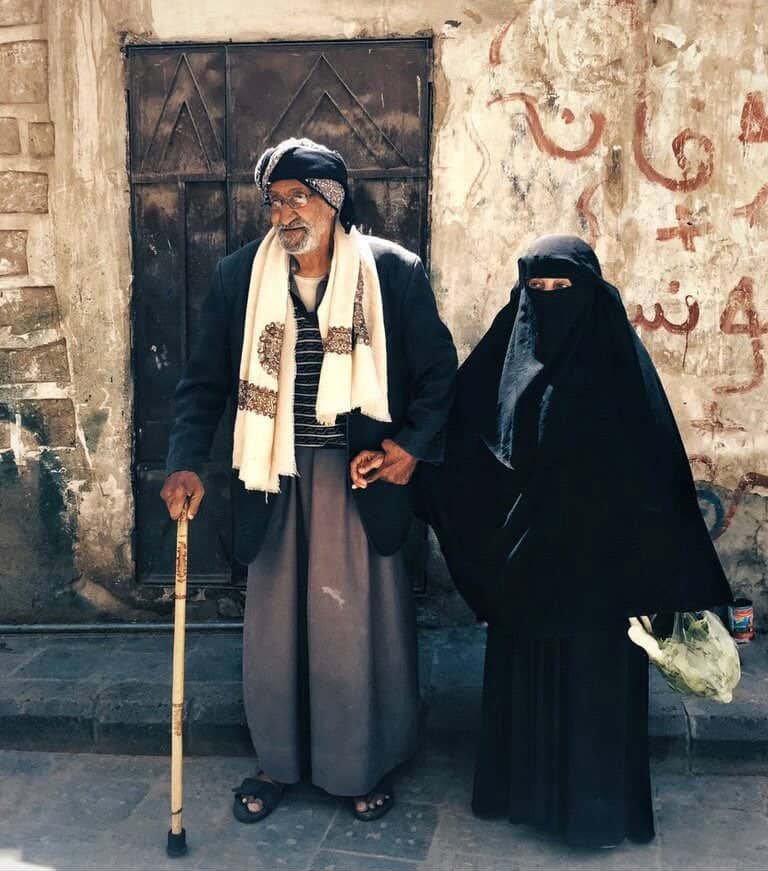
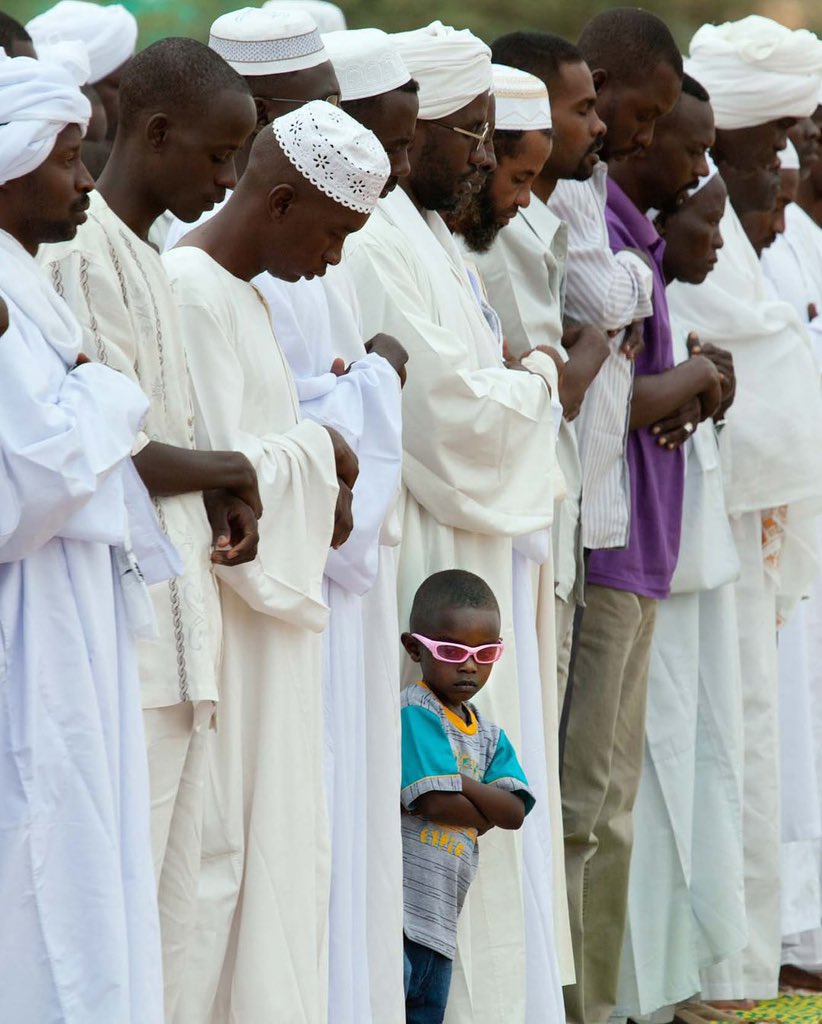
I hate involving myself in these discussions, but Alindi was created for men, they used it as a fabric to wrap around the body and waist, worn as turbans, and wrapped around the waist to hold their jambiyas. Men also wear it during the annual Shir or Istunka. It’s also used to cover the casket of the deceased person
I genuinely don’t know when or why it became so strongly associated with Somali women.
Just another example of how the cultural context behind coastal traditions gets lost.