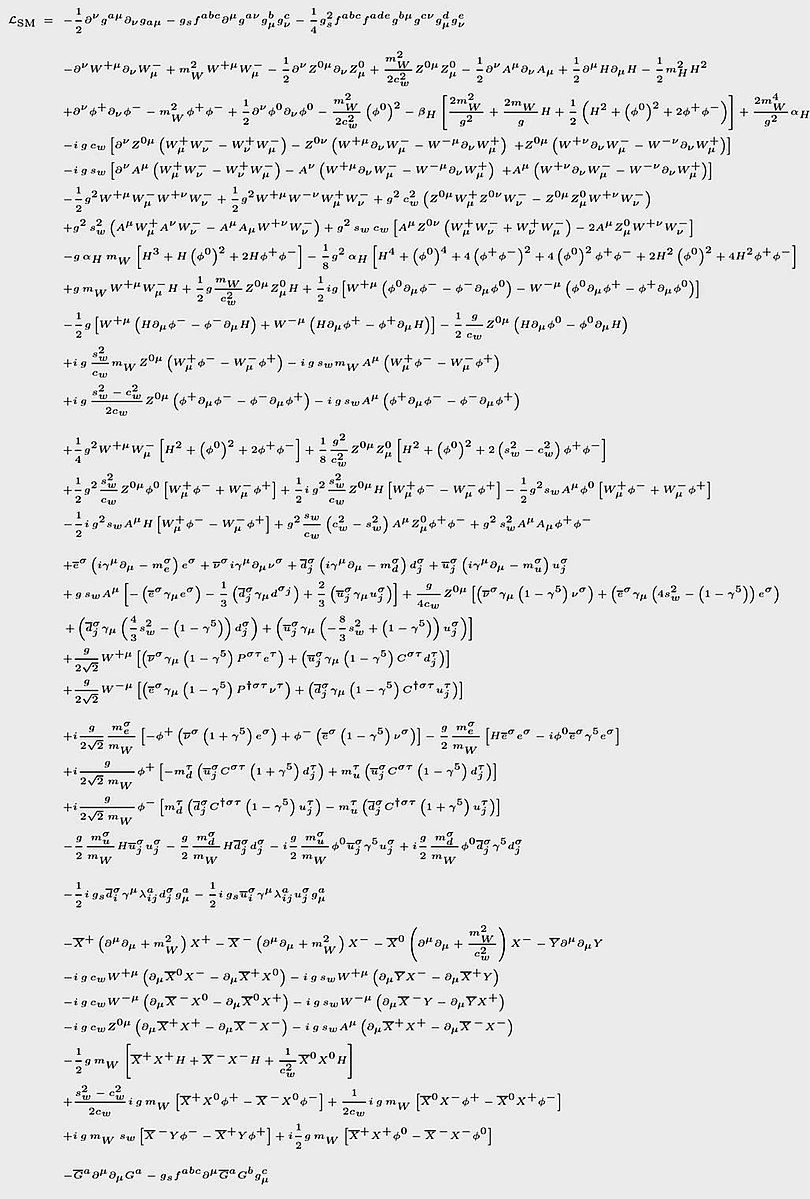
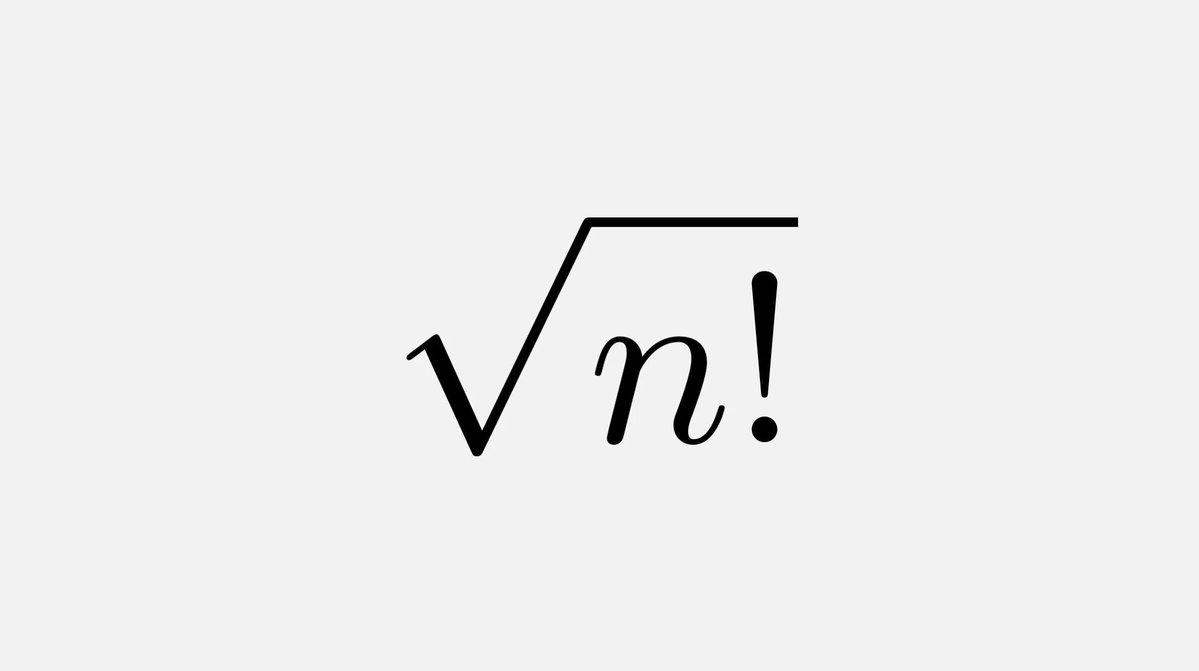
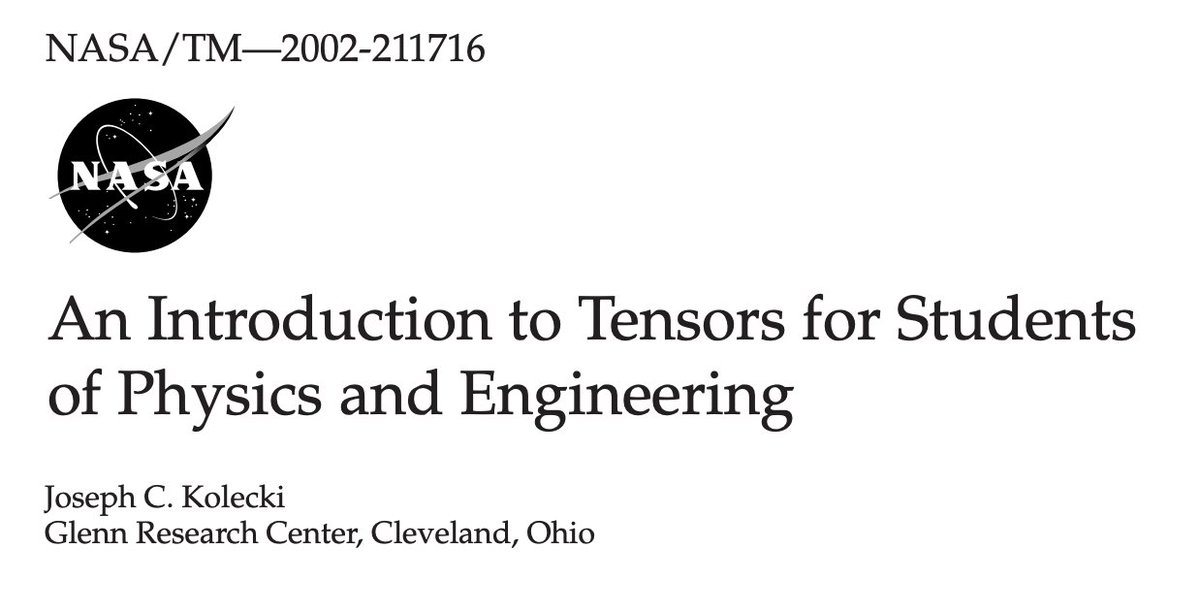
Noether's Theorem is arguably the single most elegant bridge between symmetry and conservation in physics, showing that deep symmetries aren't optional, they dictate what must be preserved.
It was discovered by Emmy Noether in 1918 (published amid World War I chaos, her work initially overlooked due to gender barriers), it states: Every continuous symmetry of the action (a functional encoding the system's dynamics) corresponds to a conserved quantity.
Time-translation symmetry → energy conservation; spatial-translation symmetry → momentum conservation; rotational symmetry → angular momentum conservation.
This theorem flips causality: conservation laws aren't primitive observations or axioms they're inevitable mathematical consequences of nature's indifference to when/where/how we look at a system.
Rationality upgrade: our "priors" about why things like energy don't just vanish aren't ad hoc; they're tied to timeless symmetries.
Breaking a symmetry (e.g., in the early universe or particle physics) means the corresponding conservation fails, explaining phenomena like baryogenesis.
Noether, a brilliant algebraist forced to lecture under Hilbert's name at Göttingen, proved this at Einstein's urging her result underpins virtually all modern theoretical physics, from quantum field theory to general relativity.
Without it, we'd treat conservation as empirical coincidence rather than deep necessity.
I think it must be a very interesting time to be in programming languages and formal methods because LLMs change the whole constraints landscape of software completely. Hints of this can already be seen, e.g. in the rising momentum behind porting C to Rust or the growing interest in upgrading legacy code bases in COBOL or etc. In particular, LLMs are *especially* good at translation compared to de-novo generation because 1) the original code base acts as a kind of highly detailed prompt, and 2) as a reference to write concrete tests with respect to. That said, even Rust is nowhere near optimal for LLMs as a target language. What kind of language is optimal? What concessions (if any) are still carved out for humans? Incredibly interesting new questions and opportunities. It feels likely that we'll end up re-writing large fractions of all software ever written many times over.
We rave about giants like Newton, Einstein, Bohr, Tesla, and Edison. But in terms of direct impact on our lives in the information age, nobody comes close to Claude Shannon.
In 1948, he dropped a straight 10/10 paper:
A Mathematical Theory of Communication.
His work has imbued us with the ability to send whispers across continents.
The paper doesn’t just suggest techniques, it draws the boundaries of reality for information... how far compression can go (entropy), the maximum rate a noisy channel can carry reliably (capacity), and why error correction isn’t optional if you want those whispers to arrive intact.
this isn’t just about math; it’s about method;
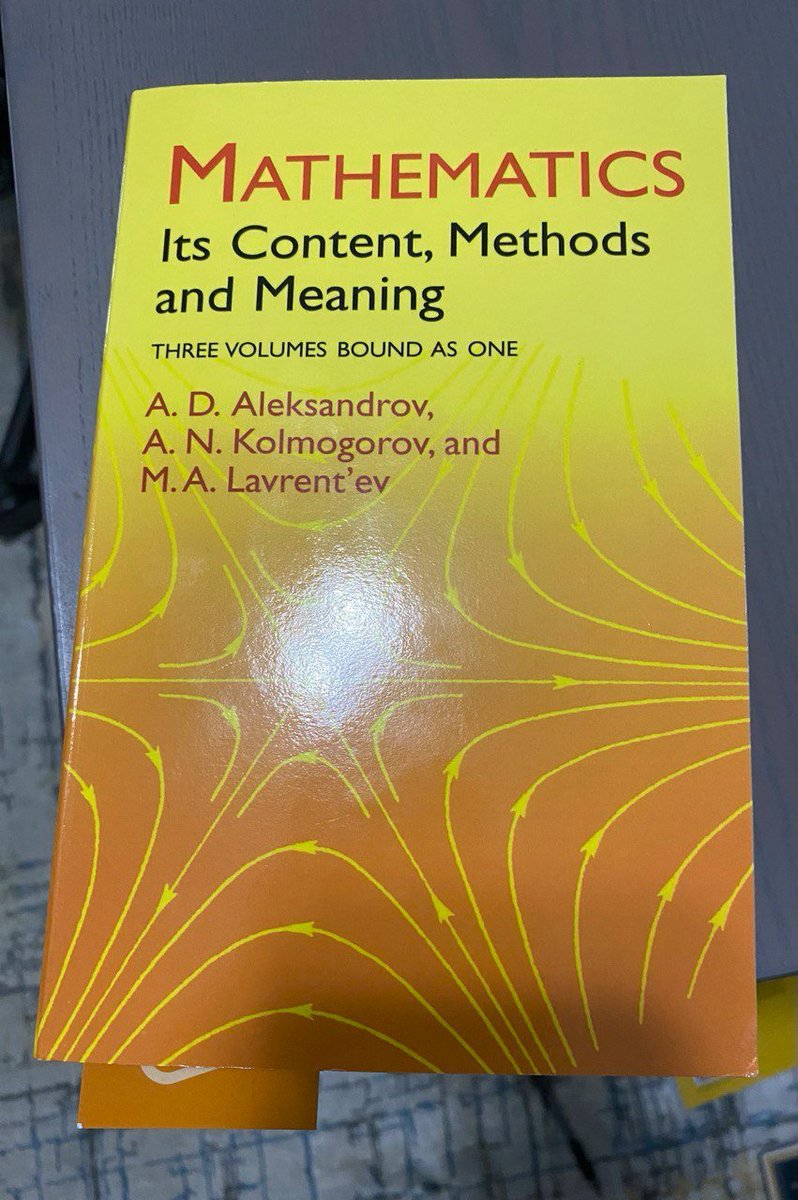
> this book examines the structures, discipline, and cognitive habits behind one of the world’s strongest math education systems
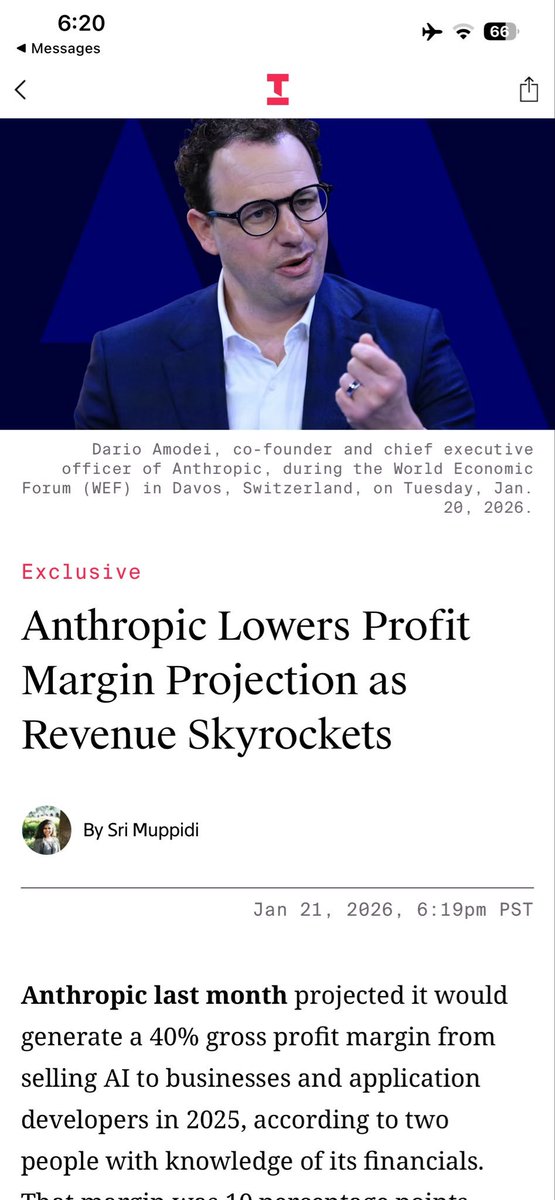
Anthropic’s projected downward margin reset shows how hard it is to price LLMs.
Inference on Google and Amazon servers ran 23% above plan, and the 2025 gross profit margin target fell to 40%.
Dario Amoedi has talked about The great “cone of uncertainty” for AI investments many times.
Chips and data centers take ~2 years to build. But he has to decide and pay for that future compute now. But the usage of that will show up many years later.
Revenue can surge while unit costs still bite, because compute scales with use.
Traditional software expects per-user costs to drop with scale, but LLM inference is metered compute.


![KirkDBorne's tweet photo. #DeepLearning with PyTorch...
1) Cheat sheet [PDF]: https://t.co/A7z68NDHe4
2) Learn fundamentals with hands-on coding [PDF]:
https://t.co/GAhTaiZPnI
3) #GenerativeAI with Python and PyTorch: https://t.co/hfbERRk99u book v/ @PacktDataML https://t.co/8VwSGg5Ecv](https://pbs.twimg.com/media/HBOGWtJXEAAq9qY.jpg)
![KirkDBorne's tweet photo. #DeepLearning with PyTorch...
1) Cheat sheet [PDF]: https://t.co/A7z68NDHe4
2) Learn fundamentals with hands-on coding [PDF]:
https://t.co/GAhTaiZPnI
3) #GenerativeAI with Python and PyTorch: https://t.co/hfbERRk99u book v/ @PacktDataML https://t.co/8VwSGg5Ecv](https://pbs.twimg.com/media/HBOGWtIWAAA_q_v.jpg)



![KirkDBorne's tweet photo. #DeepLearning with PyTorch...
1) Cheat sheet [PDF]: https://t.co/A7z68NDHe4
2) Learn fundamentals with hands-on coding [PDF]:
https://t.co/GAhTaiZPnI
3) #GenerativeAI with Python and PyTorch: https://t.co/hfbERRk99u book v/ @PacktDataML https://t.co/8VwSGg5Ecv](https://pbs.twimg.com/media/HBOGWtKWMAA8Lci.jpg)