Thrilled to say that our paper on accent bias in forensic contexts is finally out, and you can read it here: https://t.co/AZOqc5IQ9I
It’s the first in a series of studies from @ivipproject with @WrightDW @NatalieBraber & Nik Pautz looking at what makes voices sound more guilty.
New blog with Gise Tomé Lourido published by the Higher Education Policy Institute.
💡We encourage Higher Education senior leaders to take proactive steps to tackle accent bias to foster a more inclusive and equitable Higher Education system.
Lecturers at one of Britain’s most eminent universities have become the first in the country to have accent bias training to tackle prejudice against working class and state-educated students
https://t.co/5nzrBVVuSC
@Klassical_Kat @DrAllyLouks@ChattoBooks@vintagebooks@PenguinBooks What is this about? Finding it uncomfortable to see a young woman succeeding?? Something we women do not need MORE of in academia is self-doubt.
New Research: Stereotyped accent judgements in forensic contexts: listener perceptions of social traits and types of behaviour https://t.co/l898vIX7Oi #FrontiersIn#Communication
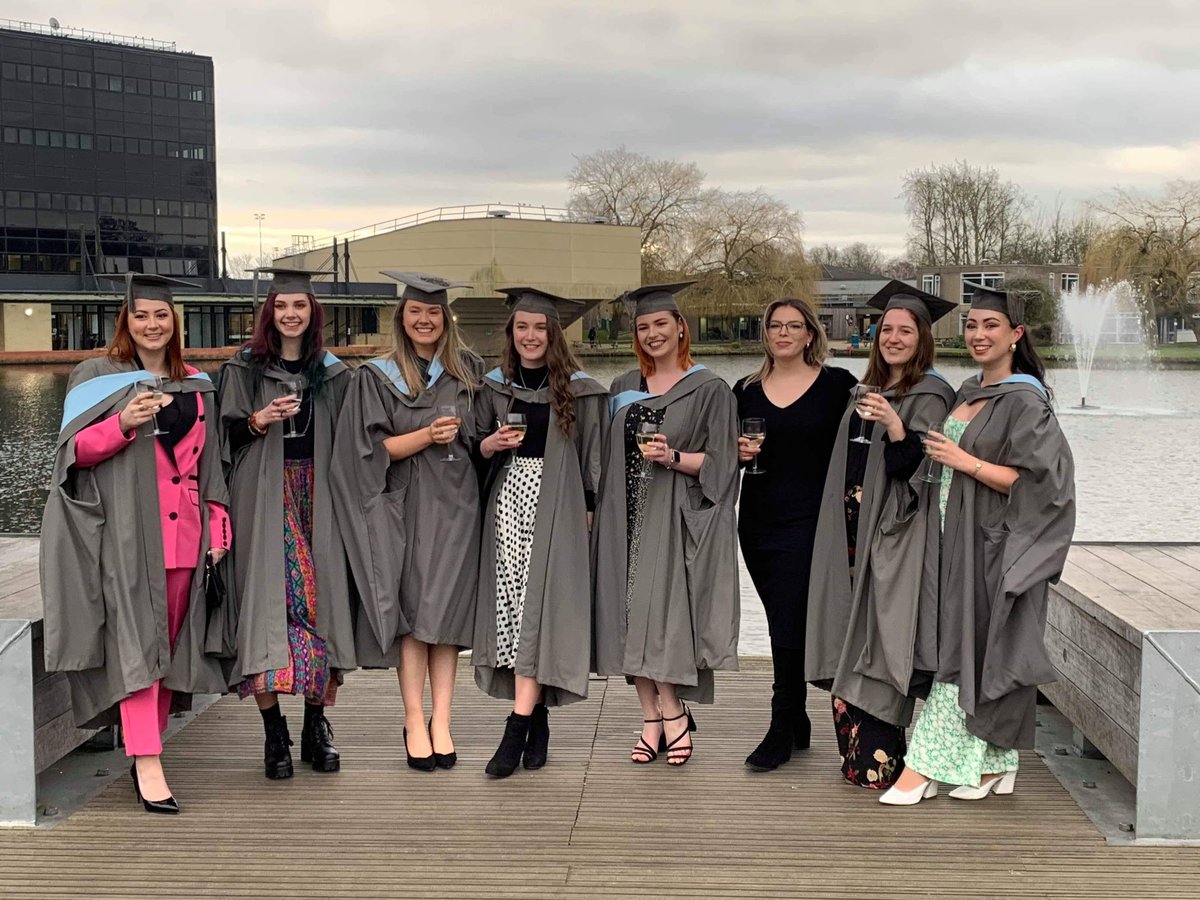
How has it been 5 whole years since we graduated from the MSc in Forensic Speech Science at @UniOfYork @FssYork?? So many of us still work in the field. Personally had a ~5 year research job out of it and am now nearly halfway through a FSS PhD. So grateful 🥹
I was on @BBCRadio4 PM show yesterday evening talking about two of my favourite topics: accent prejudice and The Traitors!! Listen here from around 51 mins : https://t.co/x3Kdgrcznr
I urge & request all accounts who posted about Gaza to LOUDLY post about the airstrikes, blockades, kidnappings and pogroms in the West Bank right now. This is not a ceasefire. Palestinians are still being killed, kidnapped, displaced and terrorized.
📺 Are you watching #TheTraitors? Is traitor Charlotte right that a Welsh accent makes her sound more trustworthy?
Explore what our researchers found out about how different accents are perceived 👇https://t.co/P5taG97DgP
Do Accents Influence Guilt Perceptions?
A study found that accents strongly influence perceptions of guilt, with lower-status accents being associated with a higher likelihood of criminal behavior.
Researchers analyzed responses from 180 participants who rated voices from 10 UK accents on social traits and their likelihood of committing crimes or moral behaviors.
Results revealed that perceived social class, judged from accents, played a larger role in criminal assumptions than trustworthiness or kindness.
While accents like Standard Southern British English (SSBE) were rated less likely to be associated with crimes, they weren’t always linked to prosocial behaviors, like defending harassment victims.
The findings highlight the risk of accent-based prejudice in the justice system, as assumptions about class and behavior may influence legal outcomes.
Researchers advocate for awareness of these biases and recommend pre-testing voice evidence to mitigate their effects.
“Stereotyped accent judgements in forensic contexts: listener perceptions of social traits and types of behaviour” by Alice Paver et al. Frontiers in Communication
https://t.co/VcM4ykTdMm
We're so excited that our study on accent prejudice and stereotypes in forensic contexts is finally out, and has got some serious media attention over the weekend! A thread with some links is linked below, and we will retweet the links as well. Read here: https://t.co/JY4FwQhXpF
Thrilled to say that our paper on accent bias in forensic contexts is finally out, and you can read it here: https://t.co/AZOqc5IQ9I
It’s the first in a series of studies from @ivipproject with @WrightDW @NatalieBraber & Nik Pautz looking at what makes voices sound more guilty.