عزیزان،
اگر کسی ۶۰ سال کامل عمر کنه و از همون بدو تولد بخواد روایت یکی از جاویدنامها رو بنویسه،
تقریباً روایت ۲۱٬۹۱۵ جاویدنام رو میتونه بنویسه،
اما خب ما میلیونها نفریم و هر روز این جنایت فحیع رو روایت میکنیم.
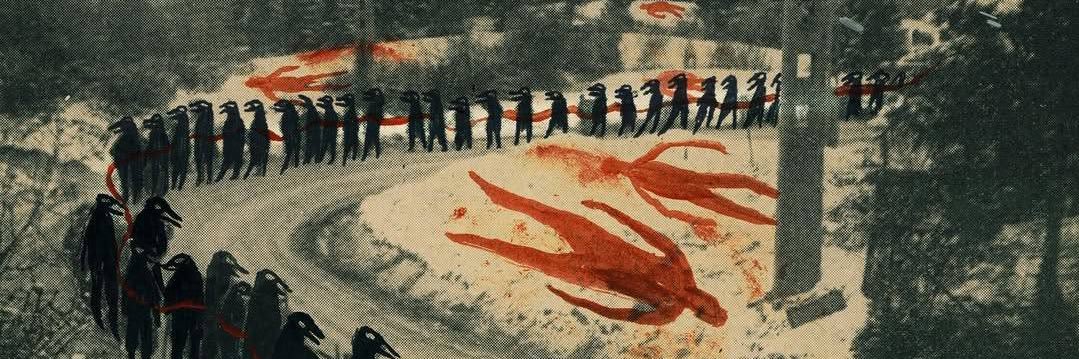
این دوستمون از جاویدنام «بیژن حبیبی» نوشت که فیلمهای ۱۸ و ۱۹ دی دوربینهای مداربسته در شهر زنجان رو پاک کرد و تحویل نداد تا رژیم قاتل و تروریست شیعهسانان رافضی نتونه چهرهی معترضان رو شناسایی کنه و یک ماه بعد جانیهای رافضی تو خونهش به قتل رسوندنش.
چقدر شریف و شجاع بودی مرد ۱۷ ساله…
اخرین حرفی که گفت : ما اگه رفتيم امشب, اگه برنگشتیم، پاتون رو عقب نكشيد... ما داريم مى ريم براى اين مملكت بجنگیم.
قسم به خون شما ایستاده ایم تا پایان
💔💔💔😭😭🥀🥀🥀
#اميرعباس_رضا_بخش#KingRezaPahlavi#IranMassacre
1. At this moment, there is no perfect option on the desk of president Trump. This predicament is the direct result of the path chosen during the latter half of the recent conflict. From the very beginning, the war was caught in a web of political ambiguity because America’s true objective was never fully clear. On one side, the widespread massacres in January and the administration's initial support for the Iranian people essentially forced regime change onto the agenda. On the other side, the sweet taste of an easy victory in Venezuela, combined with the bitter memories of the Iraq war, convinced leadership to try and preserve Iran's existing political structure. The hope was to find a pragmatic figure within the system who could simply change the country's macro policies. The war began while the administration was trapped between these two entirely contradictory goals.
It was clear from the start that these two paths could not be walked at the same time. Helping the Iranian people overthrow their government requires dismantling the regime’s machinery of power. The second option, however, depends on keeping that machinery intact. Anyone who might sign the agreement the United States desires would need a functioning power structure to force that deal upon the rest of the regime.
During the first half of the war, the United States and Israel successfully weakened the regime's offensive capabilities, culminating in the elimination of the supreme leader. The United States gave Israel the freedom to target military bases, police stations, and the command centers of the suppression forces. By mid-March, this campaign had expanded to target street-level Basij checkpoints. Following this trajectory, it was easy to imagine a moment when the Iranian people could be told that the skies were secure, encouraging them to take to the streets and finish the regime themselves.
We do not know exactly what happened in the final week of March, though we can certainly guess. That was the turning point when those who favored preserving the regime’s structure seemingly gained the upper hand in the US cabinet. They managed to convince President Trump that overthrowing the government through a popular uprising was an impossible dream. The clearest sign of this shift was the sudden halt of nighttime strikes on Basij street checkpoints, a pause requested by the US administration. The president's tone shifted simultaneously. When asked why the Iranian people were not rising up, President Trump no longer said the people were being told to stay home. Instead, he framed their presence in the streets as an impossibility, stating that while the people of Iran are brave, they are not crazy, and they will not walk into certain death. While this might sound like a respectful acknowledgement of a people who have suffered tens of thousands of casualties, it actually denies them their only avenue to express their will. It dismisses the very power of their demands.
From that moment, the war turned into an exercise in managing the battlefield, hoping a figure like the current speaker of the parliament might step forward to sign a deal. We know this has not happened, and it will not happen in the way Washington hopes. The regime, which spent years deceiving Western diplomats with the illusion of moderates fighting hardliners, has now managed to deceive the US vice president with a new illusion: the pragmatic against the ideological. This deception has effectively led the United States down a strategic rabbit hole.
The recent ceasefire arrived exactly when the strategy of the war's second half hit a dead end. It was obvious that continuing on the same path would bring no new results. The administration had to decide if it was willing to accept higher risks and costs.