Journalist, Writer, and Waistcoat Boy. Has a small, lovely dog called Oscar, and writes an excessive amount of poetry. #ActuallyAutistic. Any pronouns.
Dear writers, we need your imagination, your narrative creativity and your lively thinking. We need these to create spaces of freedom and authenticity, within which divine grace can make the promise of consolation and peace resound. https://t.co/FEmCrdQ392
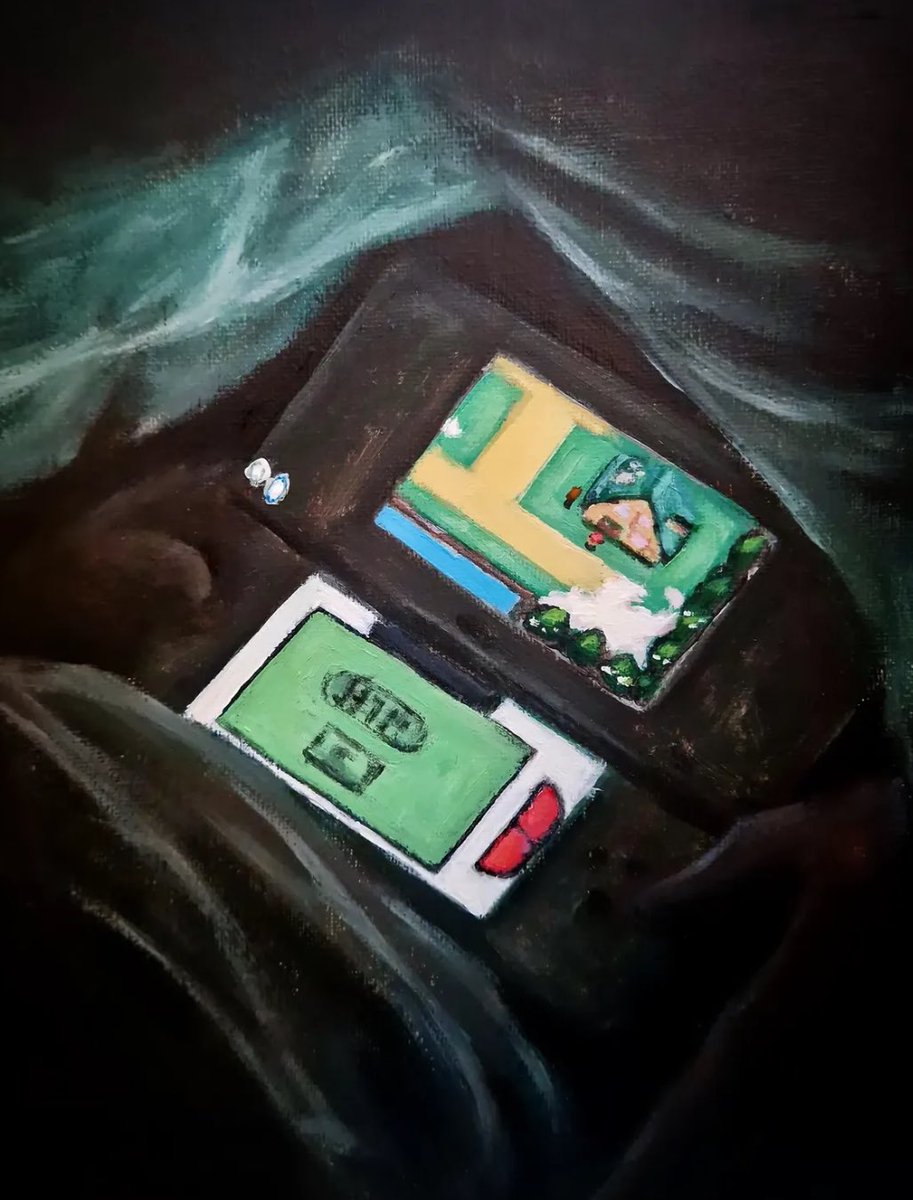
Batman: the Riddler's final clue was simple. "Art thou surely not". the Gotham City GameStop! Of course video games can't be art
Commissioner Gordon: but Batman! What about Ico and Majora's Mask?
Batman, chuckling: classic titles indeed. But lacking in a certain verisimilitude
North Chinese Buddhist temples: hark! The dread horns of the guardian deities of old bellow across the wastes! a thousand Buddha bodies descend. Boiling flesh and holy light!
South Chinese Buddhist temples: (slot machine noises) w-w-w-win BIG with Buddha! (cash register sound)
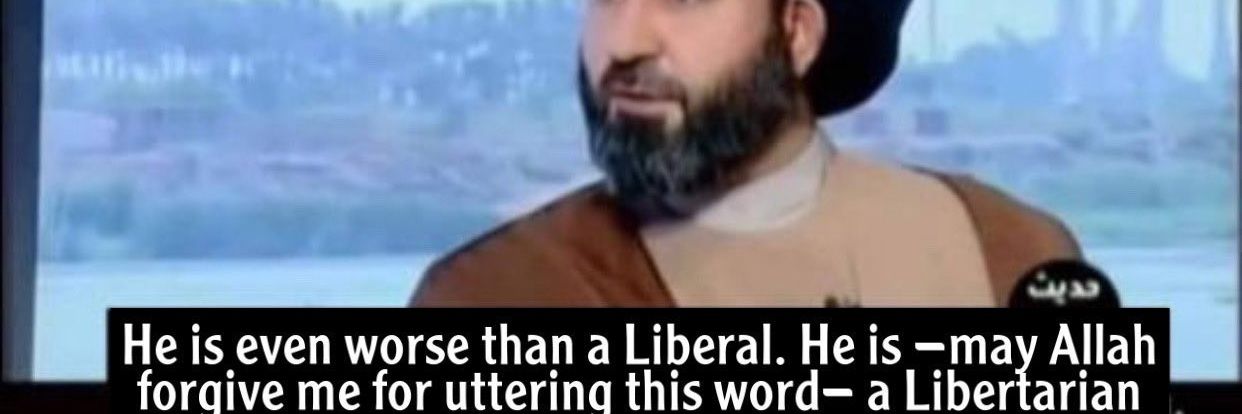
i thought the standard meat-eating leftist opinion was “it is a moral failing that i continue doing this and i should probably stop” whats with all the jumping through hoops
the aesthetics are incredible. cigars and crystal decanter with japanese whisky. black dress shirt, tight suit, two-toned double monks, and tie bar. arne jacobsen egg chair teamed with a studio backdrop with a car inexplicably inside the room. a 12 yr old's idea of masculinity
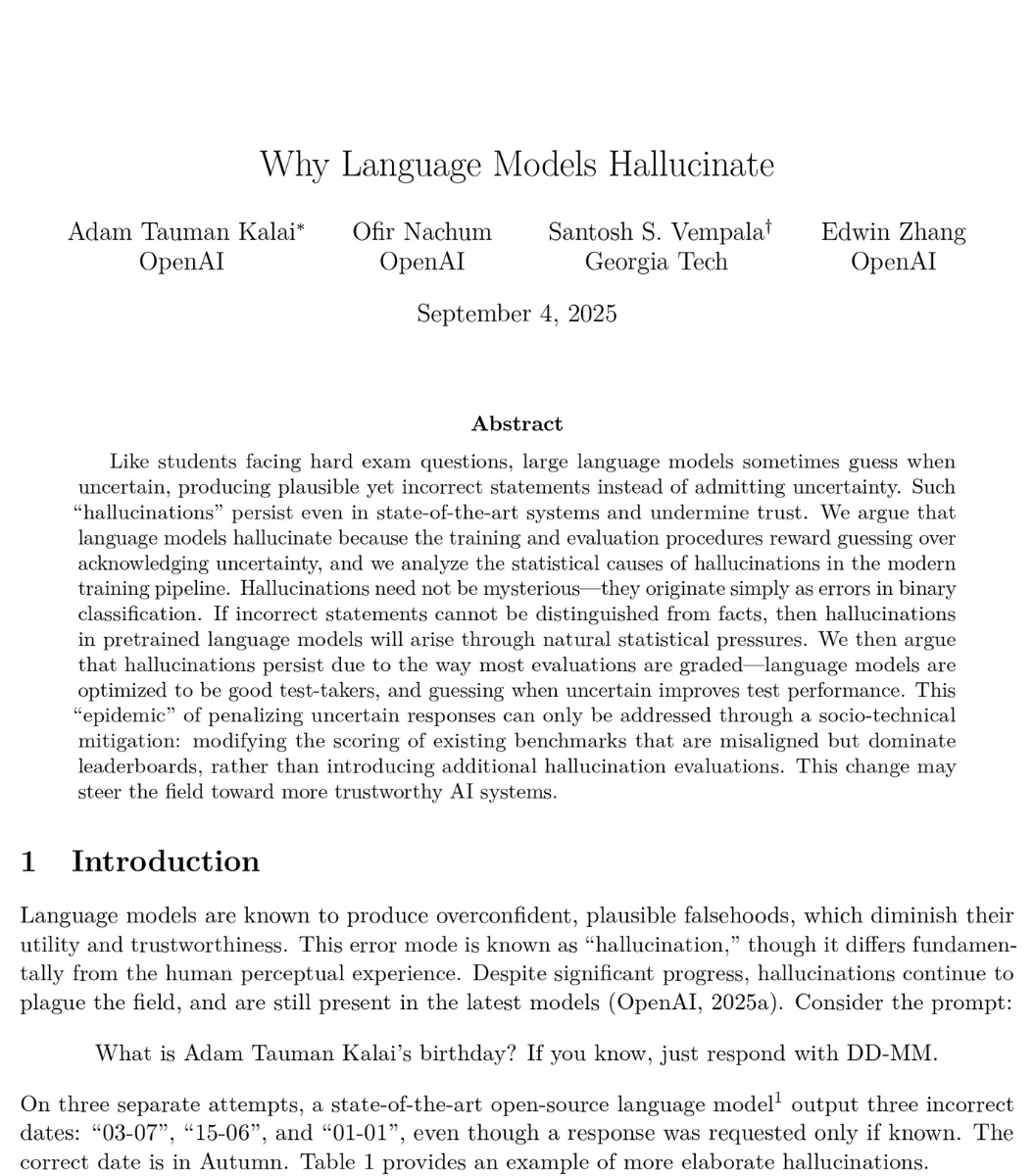
🚨BREAKING: OpenAI published a paper proving that ChatGPT will always make things up.
Not sometimes. Not until the next update. Always. They proved it with math.
Even with perfect training data and unlimited computing power, AI models will still confidently tell you things that are completely false. This isn't a bug they're working on. It's baked into how these systems work at a fundamental level.
And their own numbers are brutal. OpenAI's o1 reasoning model hallucinates 16% of the time. Their newer o3 model? 33%. Their newest o4-mini? 48%. Nearly half of what their most recent model tells you could be fabricated. The "smarter" models are actually getting worse at telling the truth.
Here's why it can't be fixed. Language models work by predicting the next word based on probability. When they hit something uncertain, they don't pause. They don't flag it. They guess. And they guess with complete confidence, because that's exactly what they were trained to do.
The researchers looked at the 10 biggest AI benchmarks used to measure how good these models are. 9 out of 10 give the same score for saying "I don't know" as for giving a completely wrong answer: zero points. The entire testing system literally punishes honesty and rewards guessing.
So the AI learned the optimal strategy: always guess. Never admit uncertainty. Sound confident even when you're making it up.
OpenAI's proposed fix? Have ChatGPT say "I don't know" when it's unsure. Their own math shows this would mean roughly 30% of your questions get no answer. Imagine asking ChatGPT something three times out of ten and getting "I'm not confident enough to respond." Users would leave overnight. So the fix exists, but it would kill the product.
This isn't just OpenAI's problem. DeepMind and Tsinghua University independently reached the same conclusion. Three of the world's top AI labs, working separately, all agree: this is permanent.
Every time ChatGPT gives you an answer, ask yourself: is this real, or is it just a confident guess?
bbc neo-noir about a detective investigating a murder in a small village and finding an incredibly loose knit community. they just do not care about each other at all