CEO/Founder @Medixbot | Immigrant 🇮🇶 🇹🇷
Technologist, Entrepreneur, Inventor, and Developer.
I am passionate about #ai, #work, #security, and #biotech.
@UHC You Averay AI Agent and your Cost estimate both are not working! Your advocates hanging up the call when they are not able to answer our questions! How I can complain about your services!!!
8/8
And this raises;
If EI ≠ AI, is EI the same thing as the increasingly popular Agentic Enterprise?
I don’t think so.
Agency is important—but agency and intelligence are not identical.
That’s Part 2.
Research and article work continues under Cogito Machines.
7/8
I think modern EI increasingly looks like a closed loop:
Observe → Contextualize → Remember → Reason → Predict → Decide → Authorize → Act → Verify → Learn
AI provides capabilities.
EI makes those capabilities coherent at the organizational level.
6/8
Here’s the distinction:
A predictive model can tell you that demand may fall 18%.
AI!
But can the enterprise understand what that means for customers, inventory, capacity, and so on?
Can it choose a response, authorize it, act, and learn?
That’s a different problem.
5/8
The question:
How can the enterprise itself operate as an intelligent system?
My definition:
Enterprise Intelligence is the governed capacity of an enterprise to understand, remember, reason, predict, decide, act through authorized humans & machines, and learn from results.
4/8
Enterprise systems can now:
understand → remember → reason → predict → simulate → recommend → plan → act → learn
That goes far beyond reporting and decision support.
The question is no longer only:
“How can we use information intelligently?”
3/8
“Enterprise Intelligence” isn’t a new term.
It has roots in Business Intelligence, knowledge management, organizational learning, analytics, and systems thinking.
But the technological boundary has moved.
So I think the definition needs to move too.
2/8
The series:
EI ≠ AI, EI ≠ the Agentic Enterprise, and Today’s EI ≠ Yesterday’s EI
Part 1: EI ≠ AI
Part 2: EI ≠ the Agentic Enterprise
Part 3: The Architecture of Enterprise Intelligence
Today: Part 1.
1/8
AI everywhere does not make an enterprise intelligent.
A company can deploy a lot of predictive models, copilots, foundation models, and AI tools—and still remain fragmented, reactive, and forgetful.
That’s the starting point for a 3-part series on Enterprise Intelligence.
I tried it, and I'm amazed by AI's performance. But they all still fail at one thing: judgment. Even with all the inputs and context, it's just not human!
I find the WhatsApp Web app to be quite frustrating to use. I'm curious whether the developers actually test the guardrail rules they've implemented. I'm honestly considering developing a free chat app myself to spare others from dealing with this ..... app.
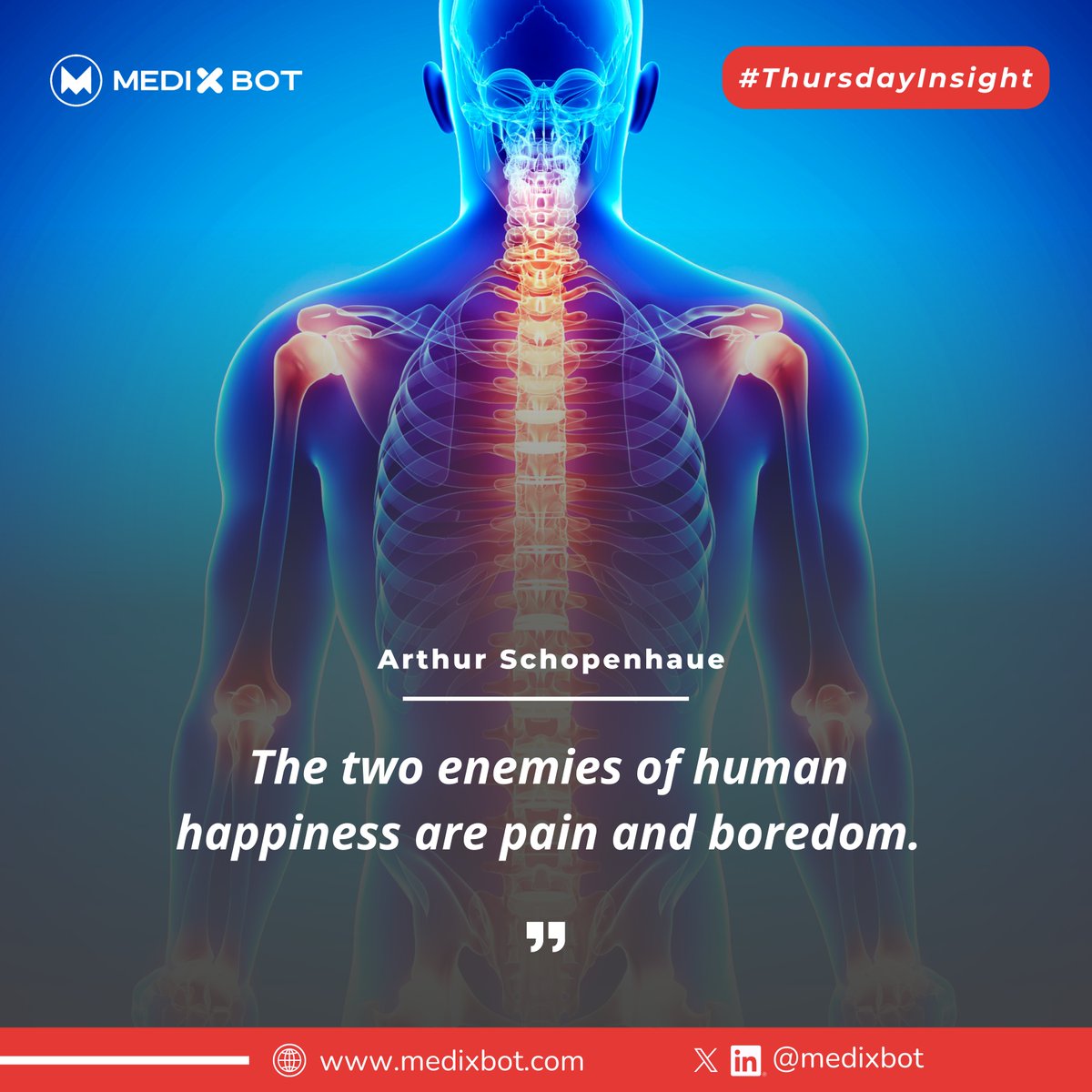
For millions with diabetes, pain is part of daily life.
We’re building AI-driven systems that replace finger pricks with seamless monitoring, resulting in less pain and more living.
#Medixbot#DigitalHealth#AIinHealthcare
#HarvardAlert
Cambridge Police are reporting that an unidentified male on a bicycle just shot at another person on Sherman Street. The suspect is on a bicycle heading toward Garden Street. Please avoid the area and shelter in place.
Chronic diseases are today’s biggest health challenge. Yet, most healthcare remains reactive, treating emergencies only after they occur.
What if AI + continuous monitoring could shift care to proactive prevention?
#DigitalHealth#AIinHealthcare#ChronicCare
I recently had an inspiring conversation with Dr. Ted James from @HarvardChanSPH and @EndeavorHealth — a leading advocate in the fight against cancer.
We share the same mission, and we both wear!
Read my full reflection here 📷:
https://t.co/JwsDHYDMQg...
#MenWearPink