🚨 New paper alert 🚨
TLDR: Schools are key, oft-ignored stakeholders in the national discourse about youth mental health and social media
https://t.co/EyZyQSl8o0
Authored by @CinnamonBloss, @amybintliff and I!
Learning from the brilliant and creative @karvmd who is tackling systemic racism in pediatric oncology. Incredible work presented to the #PHO division at @seattlechildren
Despite my accidentally mini poster, it was great to share my research during CCTR Science Day at @seattlechildren with @astanjeyte yesterday. I will miss working with the brilliant @pcresilience team!
How can we help teens stay #SafeOnSocial? Our new report offers ten evidence-based recommendations to guide parents, youth, policymakers, health practitioners, and tech companies. https://t.co/FH75dGUMba
@ntvandam Thanks for sharing our work,
@ntvandam! Lots of implications for #digitalmentalhealth app research and clinical implementation from this paper.
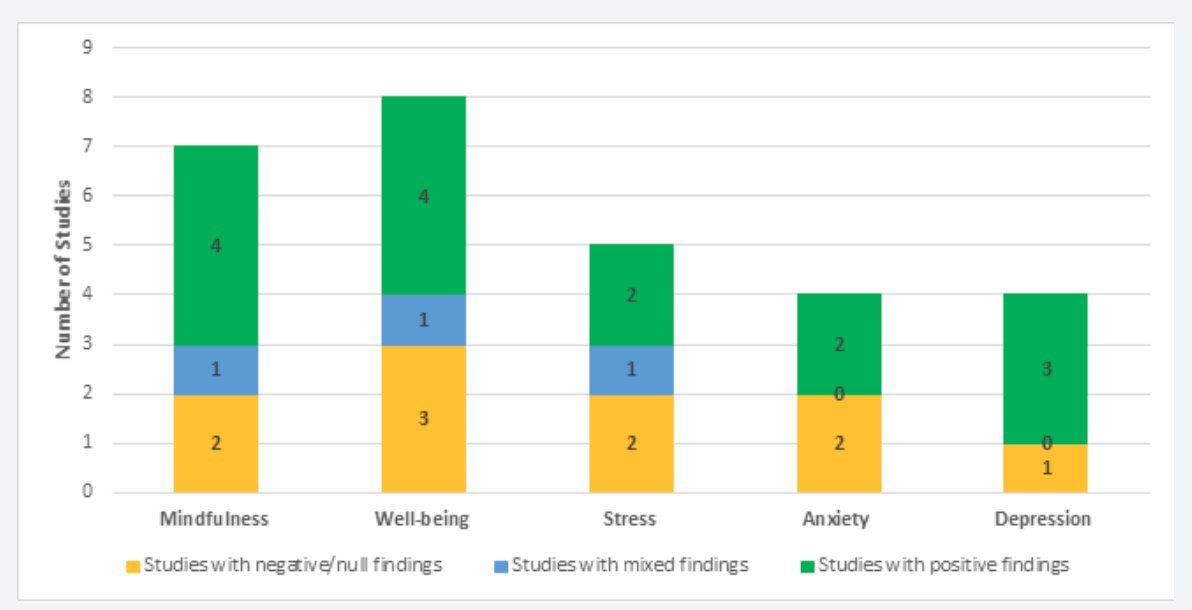
Reviewing conflicts of interest in #mindfulness and #meditation apps. Large concerns around conflicts of interest. Studies largely not designed appropriately (underpowered). Studies largely NOT done with populations that they claim to help (#mentalhealth) https://t.co/Gr1m2VpyHk
I am so excited to share that I will be joining the UCSD-SDSU @JDPClinicalPsy PhD program under the mentorship of @CinnamonBloss this fall! I am so grateful for the chance to join such a brilliant group of researchers, and I look forward to this new chapter in sunny San Diego.
Important report outlining key issues of digital media use in early adolescence. Early adolescents are one of the biggest demographics entering digital spaces which bring a lot of opportunity for development. However, they do so w/ limited competence which can amplify some risks.
Are more popular mindfulness apps "better" ? This new @JMIR_JMH review paper explores RCTs for Headspace and Calm. Nice reporting of evidence and interesting to explore results by control condition: https://t.co/3GbZIzoTKb
Future research is needed on: Calm efficacy, Headspace efficacy based on dosage & specific populations, & a wider variety of mental health interventions.
[END OF THREAD]
It's a surreal day-- my first first-author paper was published! So grateful to my mentor @NancyLauPhD, our co-authors, and the efficient @JMIR_JMH team. THREAD below on our efficacy & COI findings about the 2 most popular mental health apps -->
JMIR Mental Health: Efficacy and Conflicts of Interest in Randomized Controlled Trials Evaluating Headspace and Calm #Apps: Systematic Review https://t.co/ovMS6WyUTc
Takeaways:
Headspace efficacy on psych outcomes = promising. More research needed on Calm.
App company support of trials = more studies of Headspace, which may erroneously lead people to believe it is the "best" or "most efficacious" #digitalmentalhealth intervention
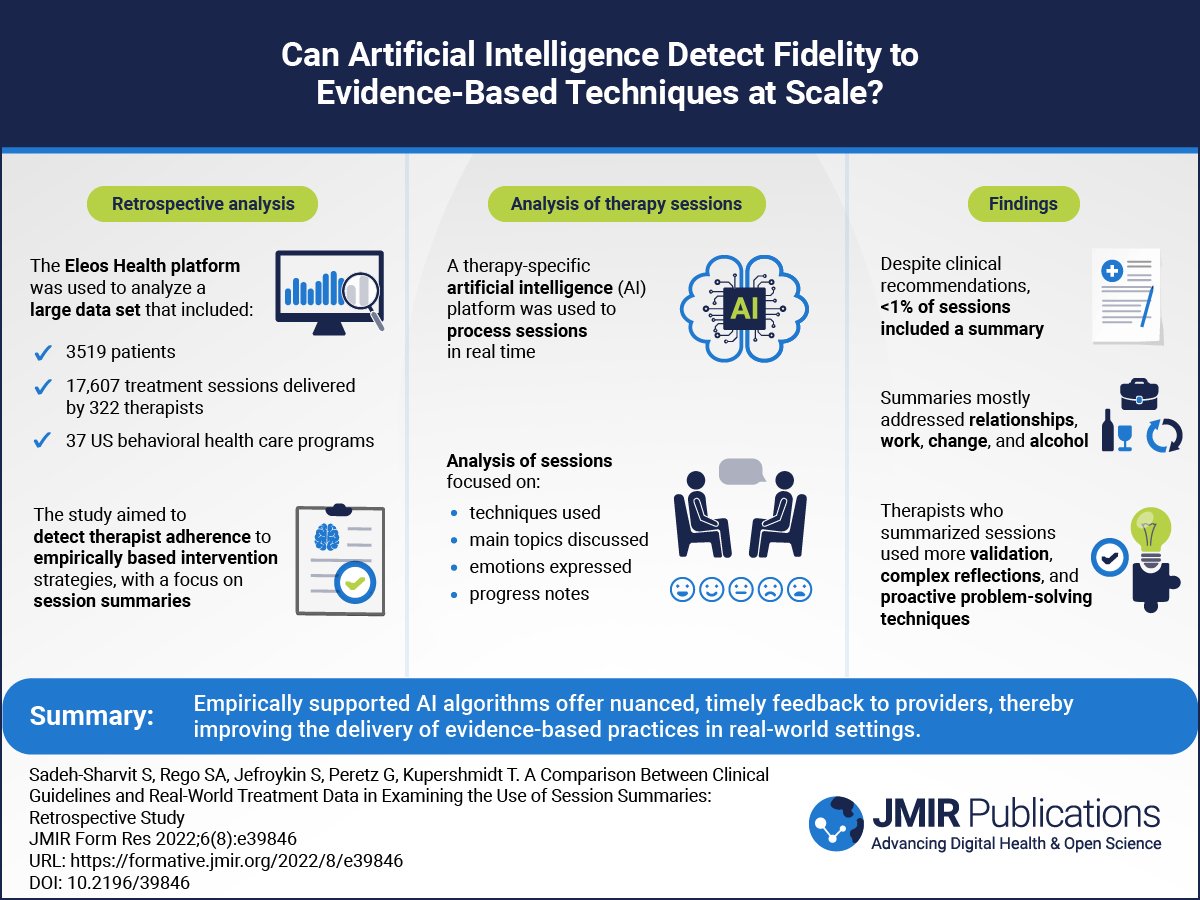
JMIR Formative Res: A Comparison Between Clinical Guidelines and Real-World Treatment Data in Examining the Use of Session Summaries: Retrospective Study https://t.co/ewVhXvYgOz
A timely article I recommend: Drs. Nina Arhin, Caroline Nebhan & Walter Clair discuss patient harassment of trainees (& propose solutions) in this Feb 2022 piece: https://t.co/pRbpyP19ML
It's been a little over one year since my "On My Mind" piece was published calling for research and policy change to address the issue of sexual harassment via telemedicine. Since then, I've heard a number of similar stories. It's clear this problem is not going away.