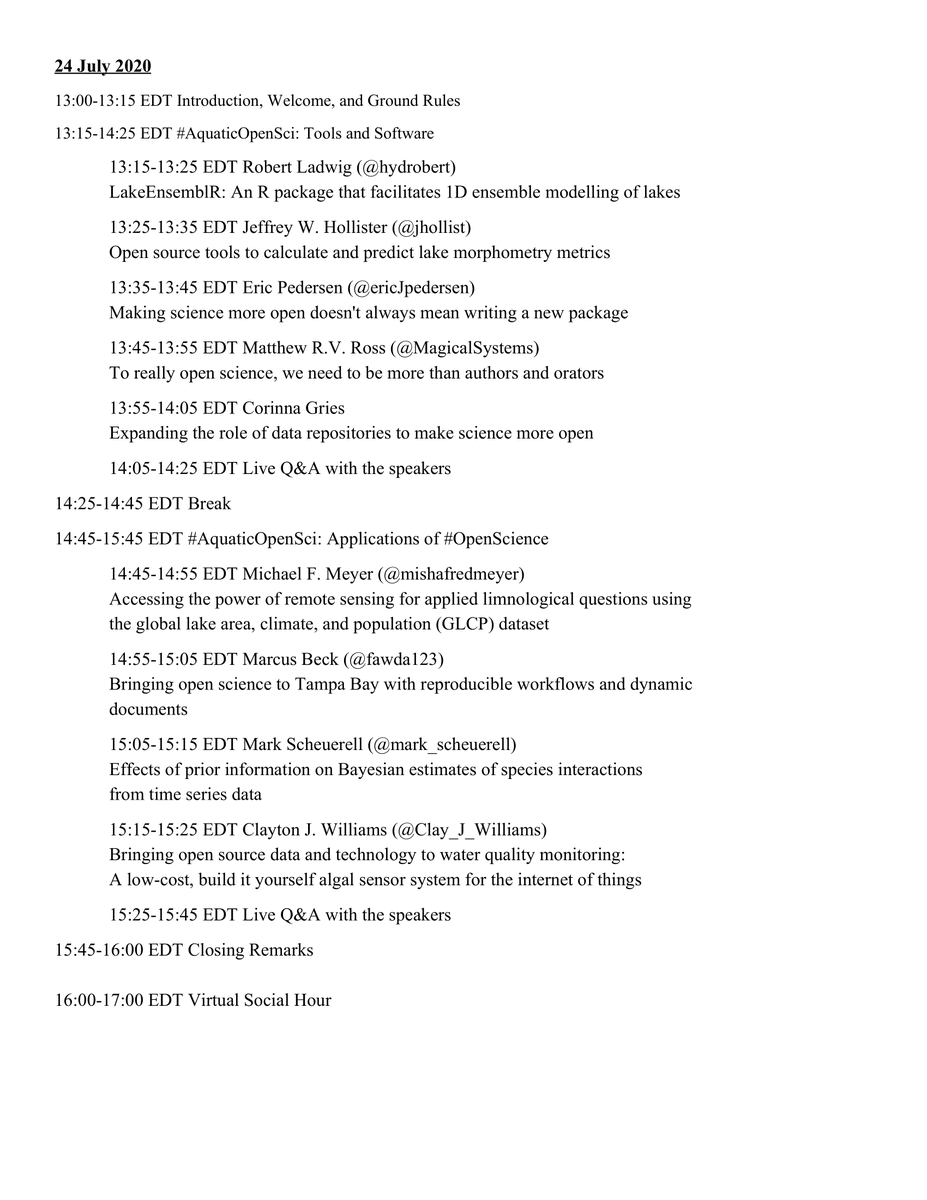
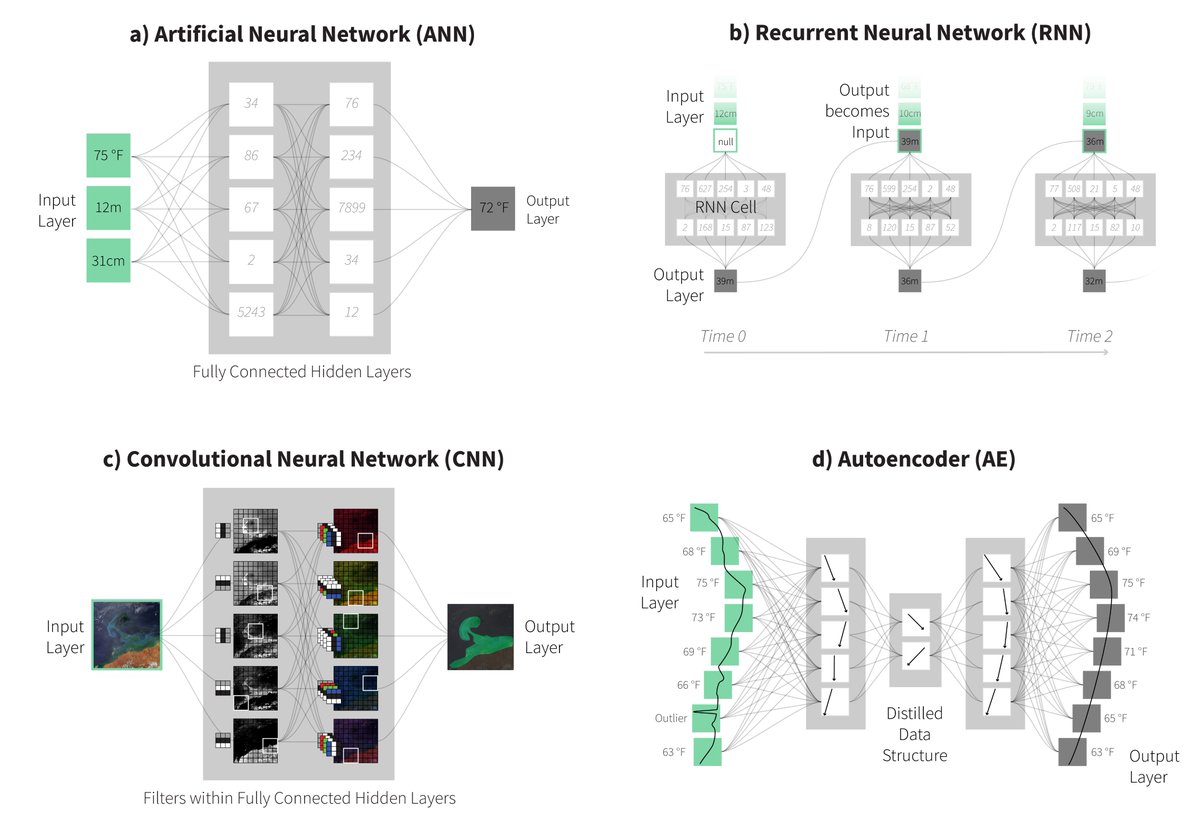
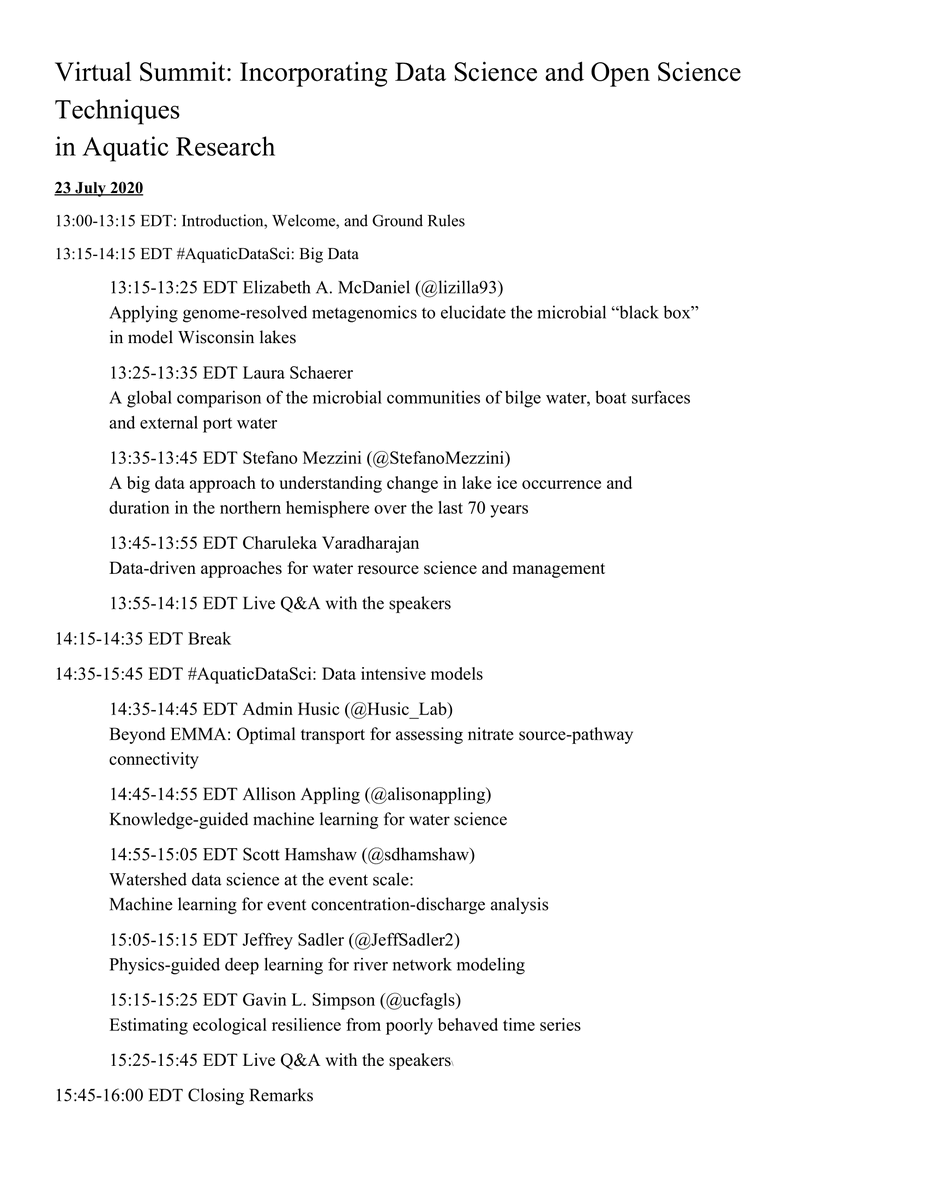
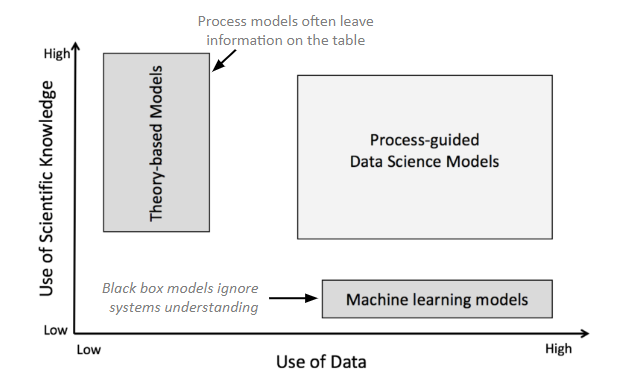
Many types of #MachineLearning exist, and we’d like to choose the right tool for each job. Fortunately, there are several flavors of #ML that are super useful for questions in #limnology#hydrology#ecology – see a few below! 1/7 #MLforInlandWaters https://t.co/cJgGDYEXTg
Shout out to @cee_viz for bringing this static figure to life! The animated version really captures the power of ML to expand how we approach learning and discovery.
Many people assume #ML is only good for prediction, but that’s not where it stops! ML can help us expand the scientific method to ask new types of questions and create new pathways to understanding https://t.co/cJgGDYFvIO #MLforInlandWaters 1/5
📢 Keep the water science workshops rolling!
Join us for the 2nd annual workshop on knowledge guided machine learning (Aug 9-11) for cool examples in aquatic sciences of how machine learning and ecological knowledge come together to advance science(https://t.co/KRxJlK1RtI).
Have ideas for how to combine scientific knowledge with machine learning methods?! (Or wish you had ideas but don’t?)
Join us for the 2nd Workshop on KGML August 9-11. Call for posters open now until July 7 #KGML2021
https://t.co/KCwmywjHRq
https://t.co/rC71MPcY4V
4/ Stay tuned for a new #dataviz of USGS #snow#hydrology research dropping this spring ⛷ where we dive into the nitty-gritty of how snow turns into flow ❄️➡💧
Photos by #USGS research hydrologists John Hammond, Graham Sexstone, and Colin Penn.
Here’s the scoop on the #datascience#jobs@USGS_DataSci. We’ll soon be hiring for several:
- #MachineLearning Specialists (a few at the National Water Center in Tuscaloosa, AL, a few remote)
- Data Scientists (a few at the NWC, a few #remotework)
1/22
🤩!!! awesome opportunity to work on #USGS#DataScience research for Process-Guided #DeepLearning stream water temperature.
https://t.co/Zw3qESFZOV
- 3 yrs funding ($76~85K/yr)
- GREAT ADVISOR (Alison Appling)
- flexible location
- exciting #MachineLearning subdiscipline
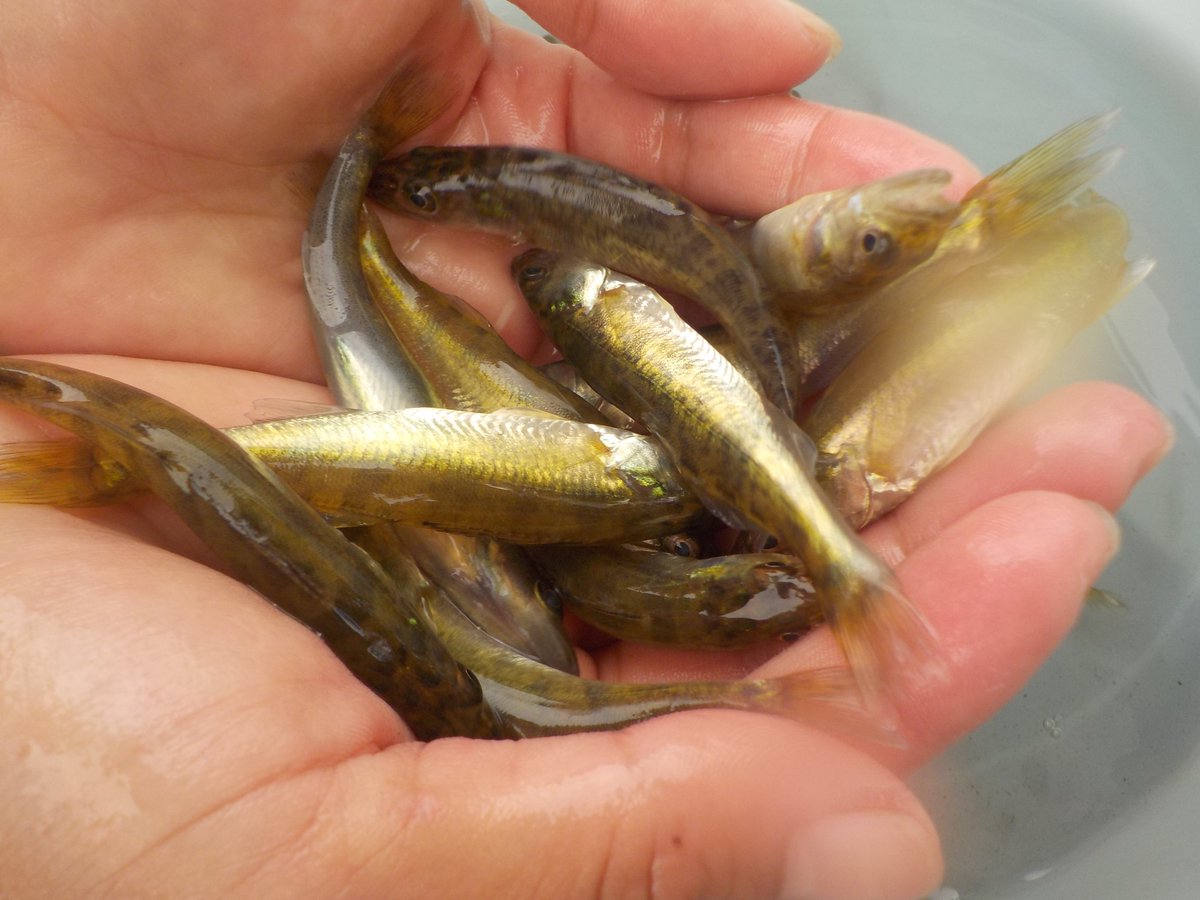
I am hiring! Looking for a #postdoc to lead our analysis of drivers of walleye recruitment across the #GreatLakes and inland lakes. Two year project, start date between Sept and Jan. Please share widely and hit me up with questions! https://t.co/STDdpV8k60
@Ted_Underwood@CharlieSeguin Another thing your tweet reminded me of was attention networks (not in this paper, but very much about the model choosing what to focus on).
@Ted_Underwood@CharlieSeguin Hi Ted, one thing we do in this paper is pretrain the network on process model output, then finetune on field observations (i.e., focus on the new stuff).
Join us! Apply your AI/ML know-how to important environmental and human health questions - on a team that will value your skills and challenge you to be your best.
Want to join our #datascience team at #USGS and work on integrating theory into #MachineLearning models for water prediction? Our job post is open for 10 days: https://t.co/XkdGJZeSfU
Learn more about what we do https://t.co/vwI9AZEcsY
image credit @anujkarpatne
Remarkable @usgsJWP conclusion of remarkable Working Group on Dam Removal effects: data synthesis from 1400 dam removals shows strong evidence that effects are predictable, recovery substantial. Bellmore et al. 2019, @BioScienceAIBS https://t.co/7auMqfDRPY
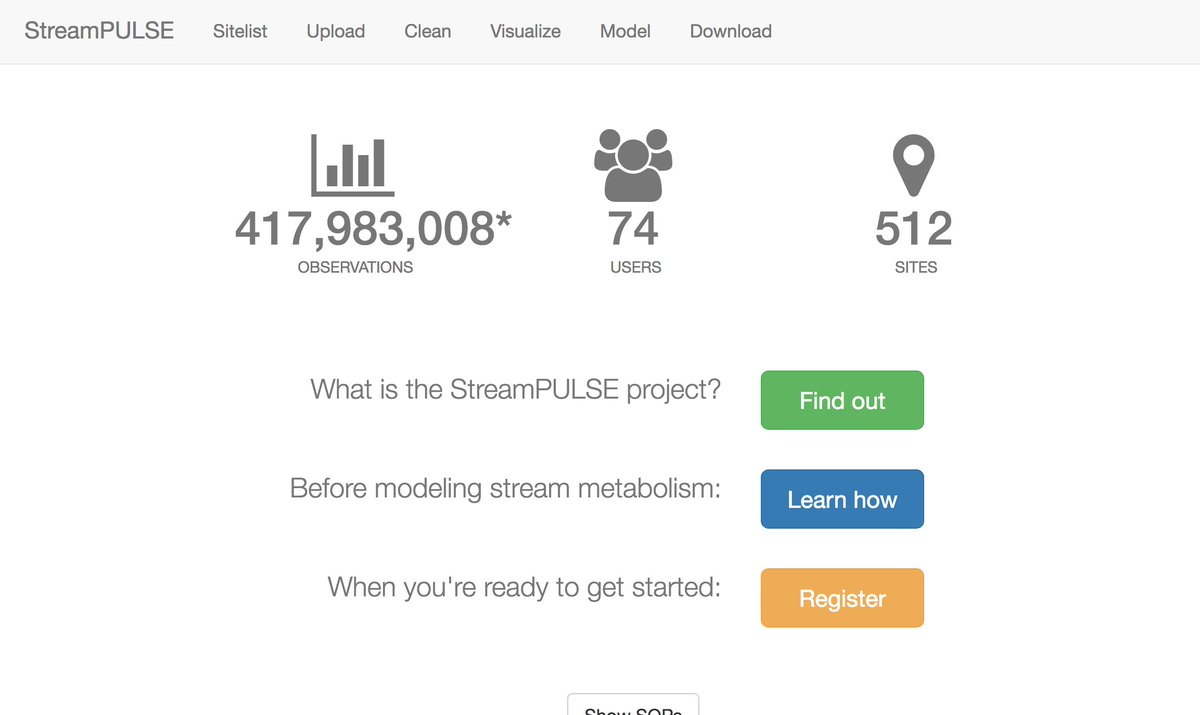
Great community momentum at StreamPULSE thanks to @DrBioGC, #MikeVlah, and the team! If you study river metabolism, or are even thinking about it, head on over to https://t.co/Umpc4QVF3h
We are now hosting continuous oxygen and flow records and metabolism models for more than 500 rivers on
https://t.co/TBipt4UlC4 Use our data! Add your data! Help us measure the pulse of streams throughout the world.@NSF_BIO @usgsJWP
Out now in #ASLO_LO (open access): Drought increases water clarity & stimulates photosynthesis in rivers, but only if riparian canopy cover is low. Results from our @NSF-funded work: https://t.co/L7opUVzDWo @aslo_org@YaleFES