i made a map of everyone on twitter!
yes you're on there too ^w^
every account is placed next to the people they talk to, so you can find out where you are, which cluster claimed you, and exactly who you're stuck next to
https://t.co/vTCg4INLNa
Explícitamente antes de ver final de #TADC te piden por favor que no spoilees por respeto a las personas que no alcanzaron a verlo en cines
.
.
.
En menos de 24 horas ya están compartiendo spoilers a lo desgraciado…. Chngn a su mother como pueden ser cero empaticos??
Here's a 2-min #RAINAdigest for my recent Luminara/Camana #RAINArambles:
People have said that it's hard to publicly call out bad actors in this space, and what we "instead" need is "better education" on how to spot red flags so you don't get suckered in.
Speaking up about experiences with bad actors - and educating the space - isn't supposed to be a dichotomy. I think most people agree that with more people sharing their stories, the space eventually does become better-informed and educated for it.
It's not either-or, and I can see why people argue that it's a "moral responsibility" to come forward if it's within your ability to (i.e. no legal roadblocks).
However, the trouble with speaking up in this space is multilayered no matter who you are (talent or staff, big or small, indie or corpo) - but here are the main issues:
1) You basically have to be the perfect victim/observer - bulletproof receipts, measured tone, nothing in your history they can use, no possible ulterior motive they can attribute to you
2) Lack of trust due to noise from people who abused the practice - those who should've kept their issues in the DMs, and bad actors trying to do smear campaigns
3) The lessons that DO travel and stay tend to get flattened into soundbites - "get a lawyer" "trust your gut" "vet people properly". They tell you what, but not when or how - and that's how the cycle repeats
The deck is stacked against most people who go public with their stories, and it's why the practices of whisper networks and subtweeting exist. Demanding that people stop using them without fixing any of this asymmetry is probably the wrong call here.
Personally, prevention is typically better than cure - but being specific about the useful patterns/practices to know for preventing future heartache is what's missing in this "better education" vacuum I'm seeing.
The three red-flag patterns I've listed in the full post - "visions and vibes" as a business model, non-disparagement being abused as "standard NDA practice", and "rules for thee but not for me" with critique - are some that I feel are worth knowing.
Now is there a risk that people may just "overfit" and immediately assume "anyone who does X is automagically a bad actor"...yeah. But it's why I ALWAYS say "treat your reads of pattern fits as early data, not as solid proof."
Above all, though: don't let anyone rush you into deciding things. If there's another pattern that's held up over time, it's that FOMO pressure/urgency tactics are a common strat used by people who don't want you looking too closely before deciding.
An early "no" - they can always push back, or rush on to the next victim. A "let me look into this" - that's scrutiny they can't survive.
Read my fuller thoughts in the post below 👇
Having a 20-year-old YouTube channel is a lot like having a 20-year-old dog. It's impressive, sure, but let the poor thing die already. Thank you all for allowing me to have this ridiculous, amazing job! I hope I can repay you with more laughs in the near future <3
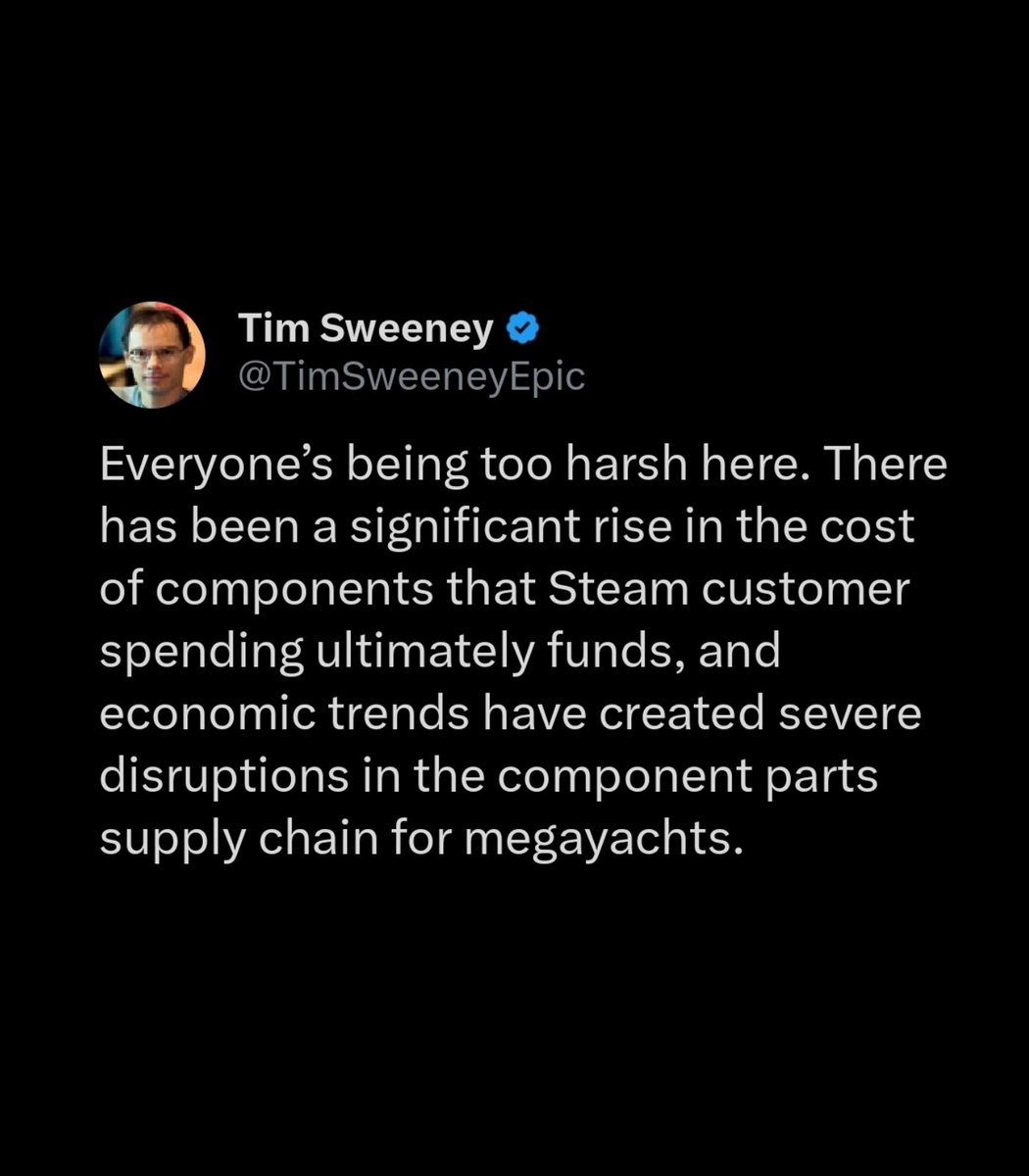
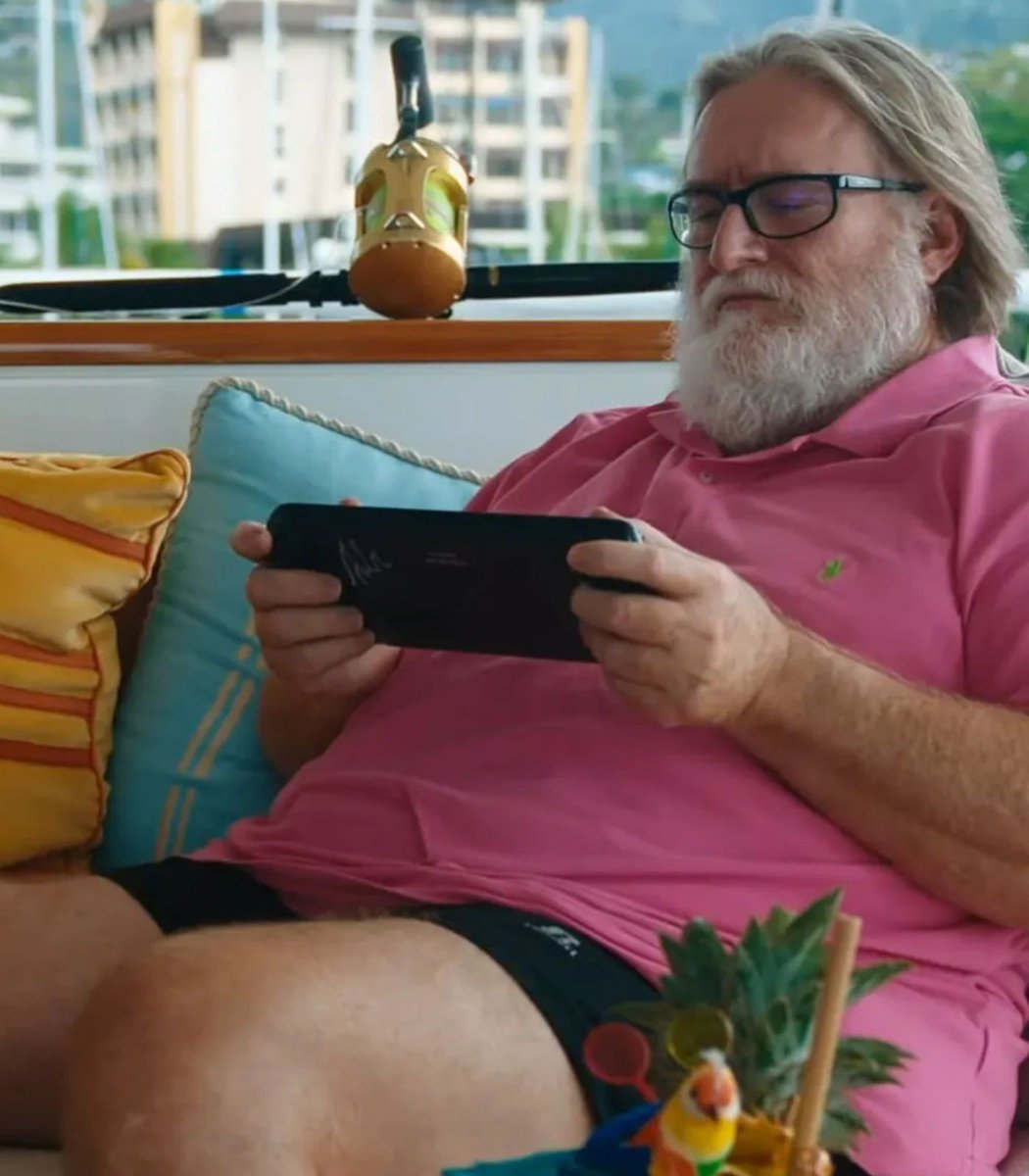
Epic Games CEO Tim Sweeney joked that Valve increased Steam Deck prices to fund Gabe Newell’s megayacht
"There has been a rise in the cost of components that Steam customer spending funds ... and disruptions in the component parts supply chain for megayachts"