Most English learners know few.
But a few and the few completely change the meaning.
Master this once, and you'll never confuse them again. 👇
Few = almost none
A few = some
The few = the limited ones
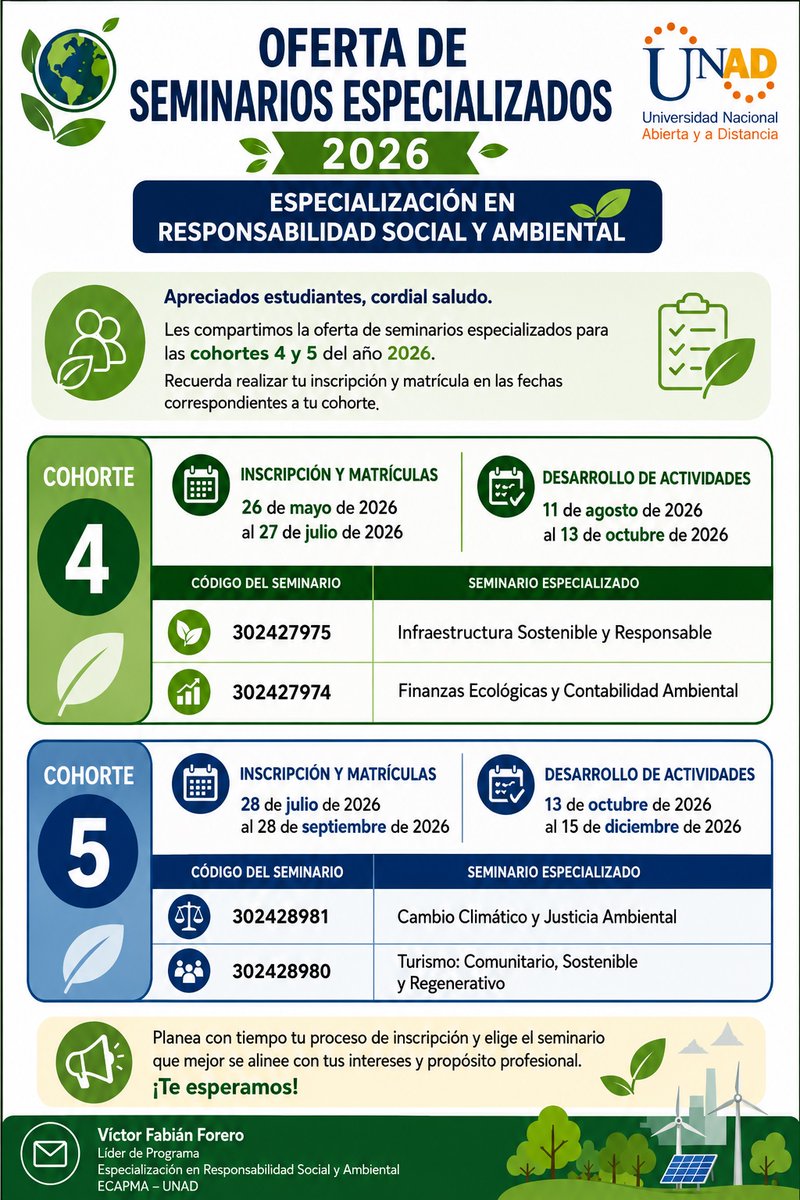
🌱🎓 ¡Abiertas inscripciones a los Seminarios Especializados 2026 de la Especialización en Responsabilidad Social y Ambiental UNAD! ♻️🌎 Temas: Cambio Climático, Turismo Regenerativo, Finanzas Ecológicas e Infraestructura Sostenible. 🚀#ECAPMA#Sostenibilidad#MásUNADmásEquidad
These six words all relate to "taking" something, but they are different in how, why, speed, force, and context.
🔹Take (most general & neutral)
= To get or carry something (usually without hurry or force).
Examples:
Please take this book home.
She took her coffee and left the café.
✍️Key point: This is the basic, everyday verb. It's neutral; no special speed or emotion.
🔹Grab
= To take something quickly with your hand (often because you're in a hurry).
Examples:
I grabbed my keys and ran out the door.
Let's grab a sandwich before the meeting.
✍️Key point: Informal and fast. Often used for food, bags, or things you need right now. It doesn't usually mean stealing.
🔹Snatch
= To take something very quickly and suddenly, often by force or in a sneaky way.
Examples:
The monkey snatched the banana from my hand.
Someone snatched her purse on the street.
✍️Key point: Has a negative feeling; suggests theft, rudeness, or aggression.
🔹Pick up
= To take something from a surface (floor, table, ground) — usually something that has fallen or is lying there.
Examples:
He picked up the pen that fell on the floor.
Can you pick up some milk on your way home?
✍️Extra uses (very common!):
Pick up a language = learn it naturally.
Pick someone up = collect them by car (I'll pick you up at 7).
🔹Catch
= To stop and hold something that is moving or falling.
Examples:
She caught the ball perfectly.
Quick! Catch the glass before it falls!
✍️Extra uses:
Catch a bus/train/plane.
Catch a cold (become sick).
Catch what someone says = understand.
🔹Seize
= To take something officially, powerfully, or by force (often legal or dramatic).
Examples:
The police seized the stolen money.
The army seized control of the city.
✍️Key point: Formal and strong. Used in news, law, or big situations. Not for everyday use like taking a pen.
✍️Extra Tips✍️
✍️"Take" is your safe default word. Use the others when you want to be more precise.
✍️Phrasal verbs with these are very common:
Take away (remove),
take over (control),
grab onto (hold tightly),
pick up on (notice something),
catch up (reach the same level).
✍️British vs American: "Take" and "grab" are the same, but British people might say "nick" (slang for steal) instead of snatch sometimes.
Phrasal Verbs With "Run"
🔹 RUN INTO
= To meet someone unexpectedly (by chance).
Example:
I ran into my teacher at the mall yesterday.
🔹RUN ACROSS
= To find something unexpectedly (usually an object or information).
Example:
I ran across an old photo while cleaning.
🔹RUN UP
= To accumulate a large amount of something (especially debt, bills, or costs).
Example:
He ran up a huge bill at the restaurant.
🔹RUN UP AGAINST
= To face or experience difficulties/obstacles.
Example:
We ran up against problems during the project.
🔹 RUN AFTER
= To chase or pursue someone or something (literally or sometimes figuratively).
Example:
The boy ran after the ball in the park.
🔹RUN THROUGH
= To examine, review, or practice something quickly.
Example:
Let’s run through the plan before the meeting.
Other very common “run” phrasal verbs you’ll hear all the time:
Run out of → to have no more left:
We ran out of milk this morning.
Run over → to hit someone/something with a car:
The cat almost got run over.
Run by → to quickly show or explain something to someone for approval:
Can I run this idea by you?
Run for → to campaign for a political position:
She’s running for mayor.
Run away → to escape or leave suddenly:
The dog ran away from the park.
Run down → to criticize someone, or for a battery to lose power:
He’s always running down his colleagues. / My phone is running down.
🎓✨ ¡Buenas noticias, comunidad unadista!
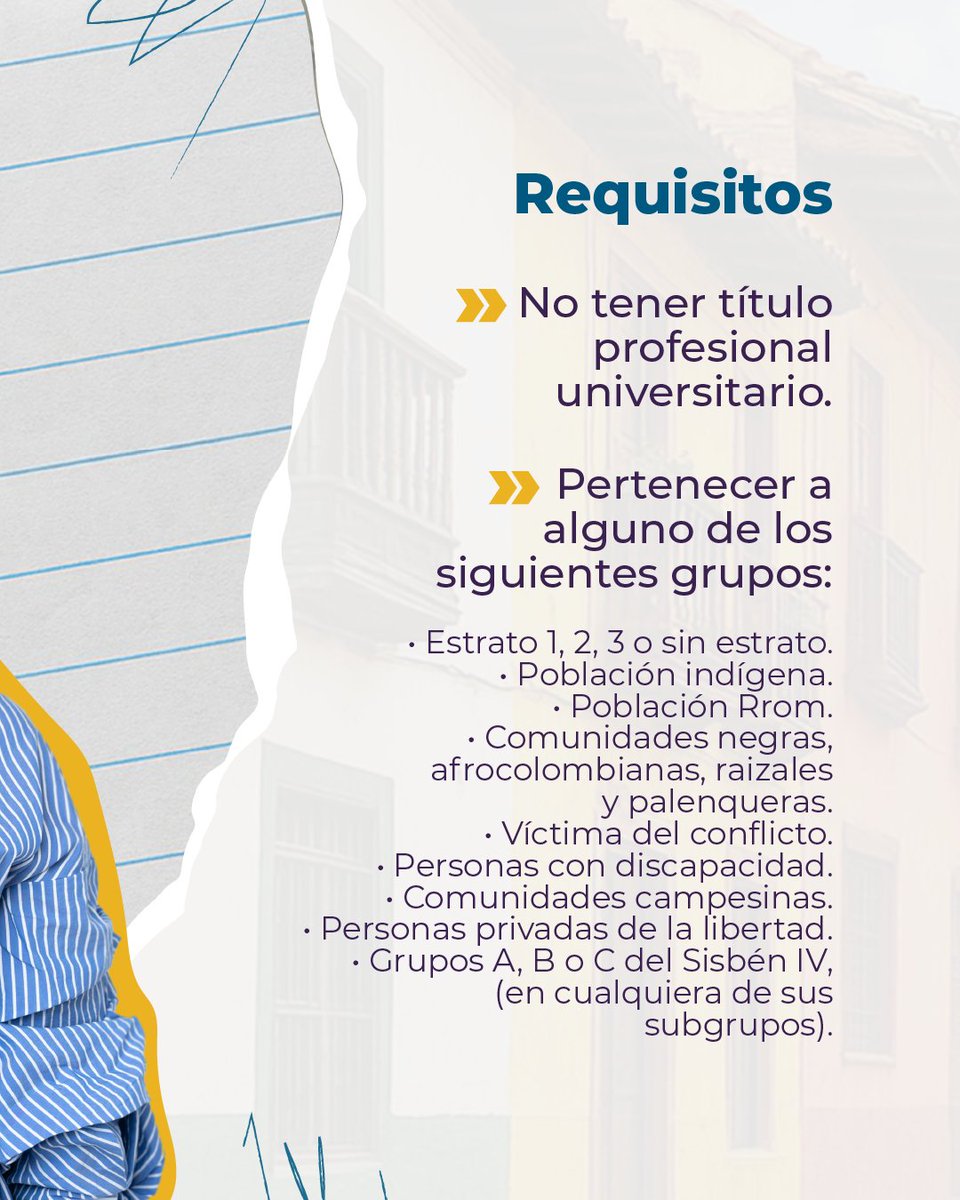
La Política de Gratuidad 2025-II (Periodo 16-05) ya está disponible. Si cumples con los requisitos, esta es tu oportunidad para estudiar sin costo de matrícula. 🚀📚
🔑 Fechas clave:
📌 Inscripciones: del 21 al 28 de agosto de 2025
📌 Resultados: desde el 4 de septiembre de 2025
👉 Encuentra más información en este link sobre los requisitos, beneficios y cómo postularte: https://t.co/OP2xeBqsub
https://t.co/0sFMC4VZd0
A "thorough" action or activity is one that is done very carefully and in a detailed way so that nothing is forgotten.
E.g. "We are making a thorough investigation."
#learnenglish#thesaurus#synonyms#ielts
Lo responsable en Medellín un viernes es escoger las películas que uno verá durante el fin de semana y separar el almuerzo con la mejor comida árabe casera de la ciudad. O ambas cosas, por supuesto. CC @dianalunareja, @Bearangomoda, @lapesadademoda, @Vanepalaciola