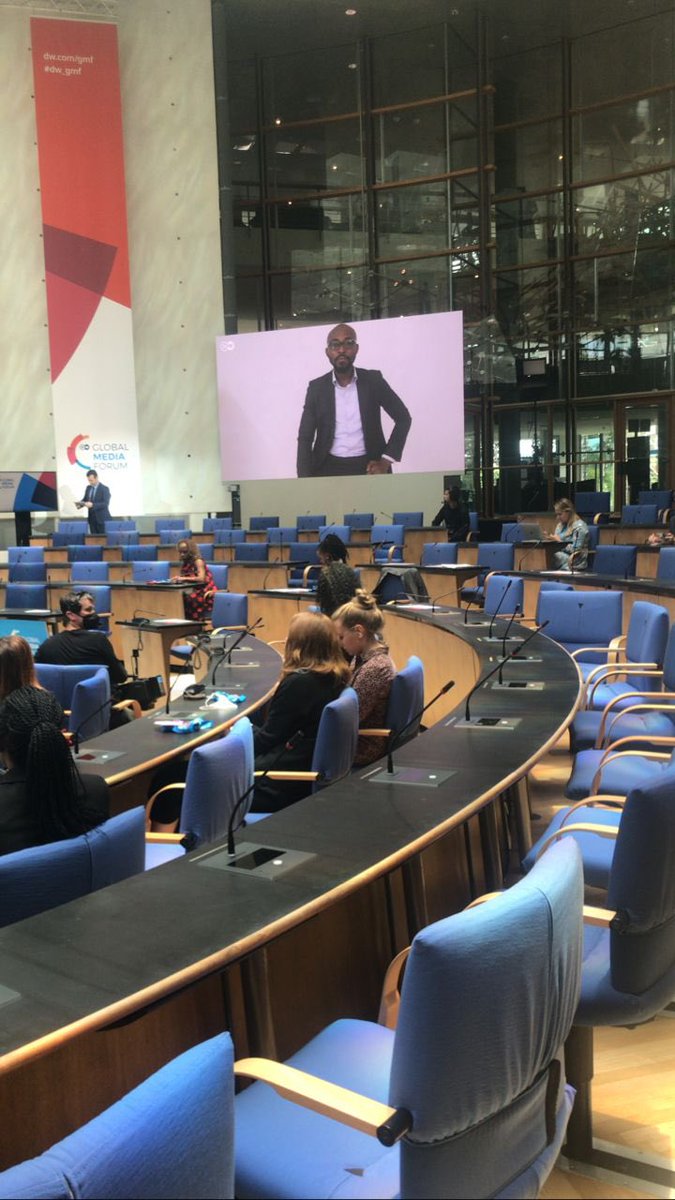
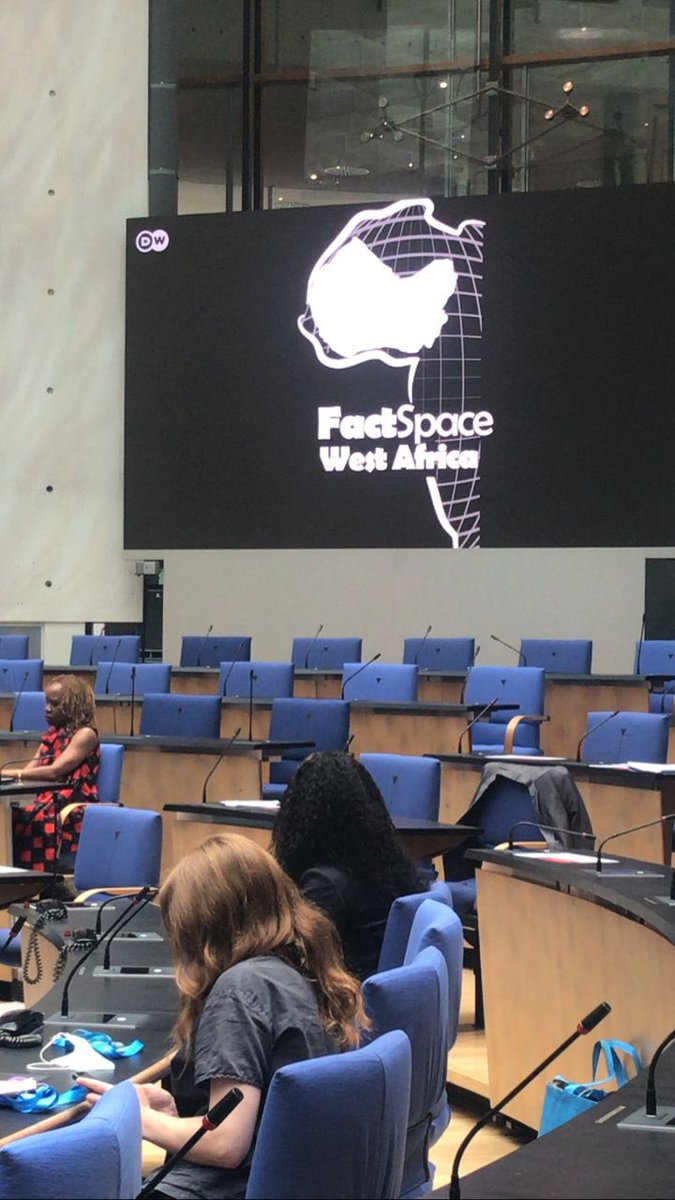
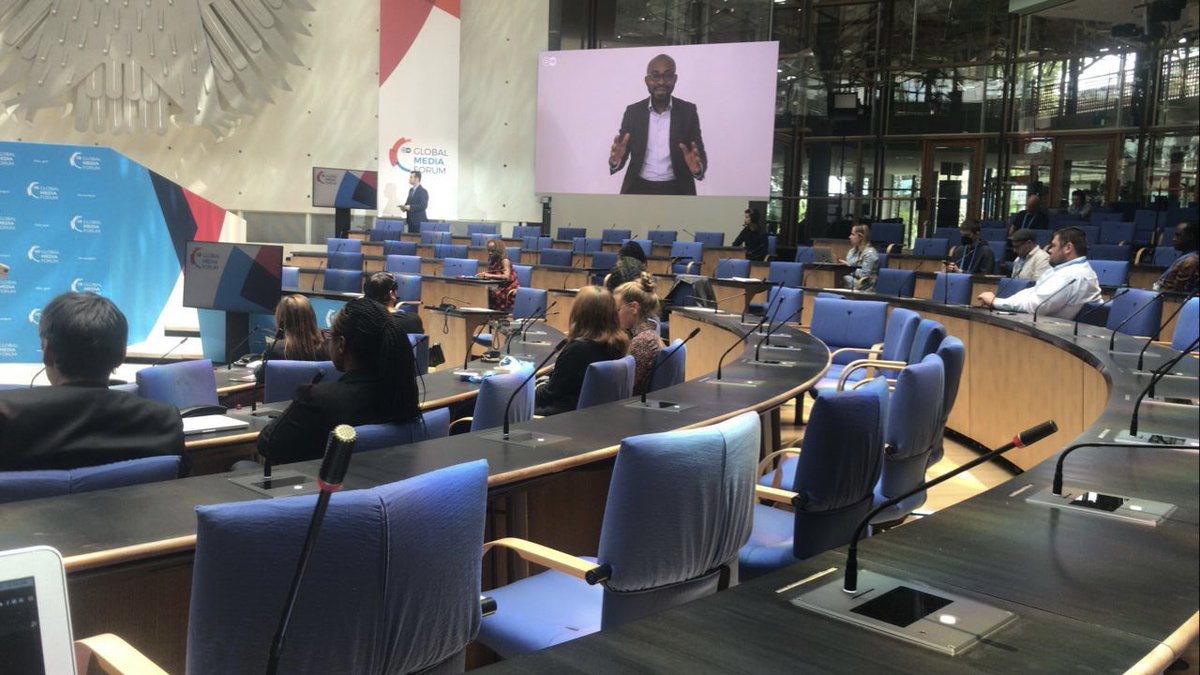
We missed out on the top prize.
But still excited about the journey so far. We placed second in the DW start-up contest at the Global Media Forum out of close to 100 applicants from 39 countries. Congrats to the team.
From Germany with ❤️
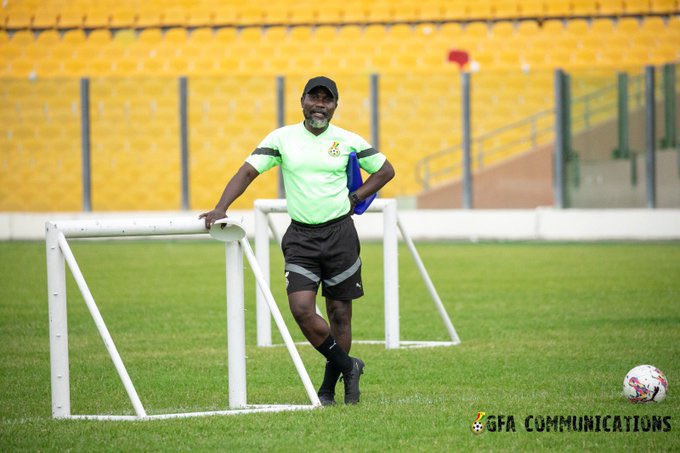
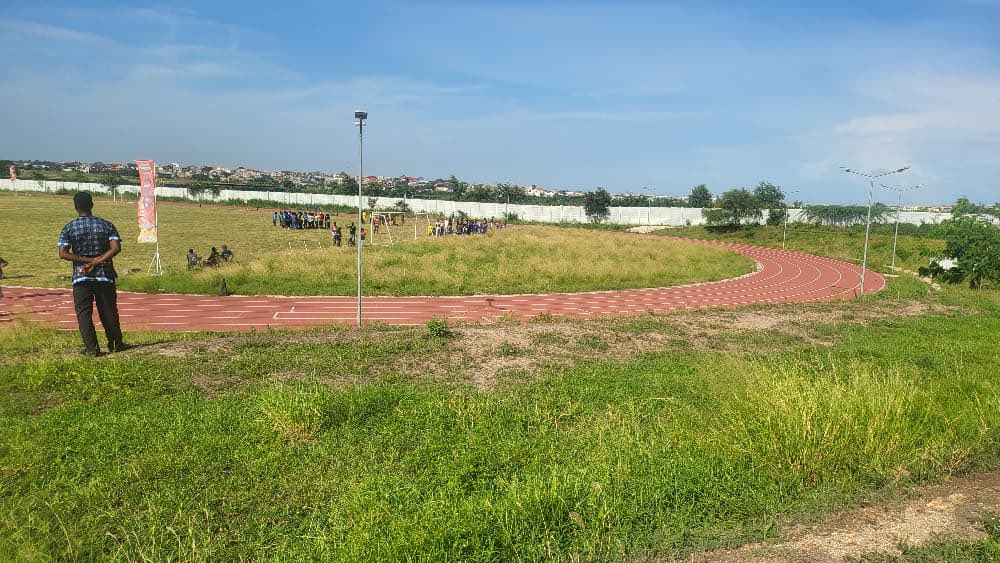
After crashing out of the WAFU B U17 tournament in 2024 and missing out on the AFCON and World Cup, 🇬🇭 Laryea Kingston resigned as Black Starlets head coach.
Tonight, he has taken 🇺🇬 Uganda to the U17 World Cup by beating Ghana.
What a journey.
Ghana has rejected a bilateral health deal with the U.S., a source familiar with the negotiations told Reuters, the latest stumbling block to the Trump administration's effort to overhaul foreign aid. https://t.co/R3LfYFuxQk
Los alto al fuego siempre son una buena noticia. Sobre todo si conducen a una paz justa y duradera. Pero el alivio momentáneo no puede hacernos olvidar el caos, la destrucción y las vidas perdidas.
El Gobierno de España no aplaudirá a quienes incendian el mundo porque se presenten con un cubo.
Lo que toca ahora: diplomacia, legalidad internacional y PAZ.
In a small Gambian village founded decades ago by Ghanaian fishermen, many of their descendants languish without ID documents.
🔗: https://t.co/UabLAeM3VR
Letter to my dear Bongo Brother!
1. This letter is addressed to my brother Manasseh Azure Awuni (@Manasseh_Azure). But in truth it is intended to be read by all interested in the conversations evoked by his recent writings.
2. Precisely because of that wider target audience, I apologize in advance. For my writing will be a little dense and perhaps too academic for how I usually write on social media.
3. For all who follow me; you know that I try to separate my academic work from how I engage here because I want to carry along the most amount of people when I write. Many say they appreciate how I make law accessible.
4. But issues at hand beget their own manner of responding. The issues are at once academic and dense, so forgive.
5. Manasseh is correct. Correct in that African merchant involvement as middlemen in this barbaric enterprise must be catalogued and be part of the broader reparations conversation.
6. Now in having that conversation we must do so to educate and enlighten so we can better acknowledge how we too repair. YES ! WE TOO MUST REPAIR!
7. My worry however, is that we must be careful that we do not tether too closely to the ever regressive argument which holds that the participation of African merchants and polities in the transatlantic slave trade somehow negates or dilutes the moral and legal case for holistic repair.
8. Still, this line of reasoning which many find in your writing, deserves serious engagement, because it touches on genuine historical complexity. Yet, I find that it ultimately rests on a conflation of complicity with causation; or worse, it conflates moral imperfection with an imposed forfeiture of justice.
8. Now, let us be precise about what the historical record shows. Yes, African rulers, merchants, and intermediaries participated in the capture and sale of enslaved persons.
9. This is neither new scholarship nor a suppressed truth. It has been extensively documented by historians from Walter Rodney to Toyin Falola. The question is not whether this happened. The question here is what follows from it, legally and morally.
10. This is what I feel you address inelegantly, if at all!
11. Consider an instructive parallel. During the Holocaust, some Jews run the Jüdischer Ordnungsdienst, Jewish police units in the ghettos tasked with maintaining order and, in some cases, facilitating deportations to extermination camps.
12. The moral anguish of that role has been the subject of profound reflection, from Hannah Arendt’s controversial treatment of the Judenräte to more recent and more sympathetic scholarship recognising the impossible conditions under which these individuals operated. And yet no serious person has ever suggested that the existence of the Ordnungsdienst undermines the case for Holocaust reparations, restitution, or even the basic moral claim that what was done to the Jewish people constituted an unparalleled crime.
13. The reason is straightforward: the system was not designed, or imposed, by its victims, even where some among the victimised were drawn into its machinery as key players.
14. The same structural logic applies to the transatlantic trade. The system of racialised chattel slavery that defined the Atlantic world from the sixteenth century onward was conceived, financed, legislated, and enforced by European powers and their colonial successors.
15. The legal architecture of the Code Noir, the Slave Codes of the British Caribbean and the American South, the asientos, the joint-stock companies chartered by European crowns: none of this originated in Africa. African participation occurred within a system whose terms, prices, destinations, and ultimate purposes were determined by external demand.
16. To put it bluntly, treating the middleman as the architect is to confuse a distorted market response with the market’s creation.
Sorry to hear.
The good news is that there are proven methods for screening for trustworthiness and other psychological traits while hiring. By the time you finish reading this, you will know a little more about integrity testing and industrial psychology, so you can hire more young Ghanaians (or young people in developing countries in general). However, this is not employment advice.
A thread on integrity testing.
Muslims worldwide often face institutional discrimination, socio-economic exclusion, biased immigration policies & unwarranted surveillance & profiling.
This International Day to Combat Islamophobia, let’s re-commit to the equality, human rights & dignity of every person, no matter their faith.
Stanford Law Review Online is seeking short essays for a special collection on Technology, Artificial Intelligence, and the Future of Civil Rights. Submissions open April 3-May 1, 2026. Scholars, practitioners, industry experts, and policymakers welcome!
https://t.co/qBwQZOlLl0