I'm still mad about this. Most egregious cheating performance by someone who isn't Michael Chandler or Cyril Gane that I've seen in a long time. #UFCSeattle#UFC
Can we please get this decision reviewed @ufc?
Last night at #UFCSeattle Musayev cheated repeatedly. Bahamondes was winning that fight and then Musayev fence-grabbed, he head-butted. He bit. He glove grabbed.
The referee did nothing. Do something about it @UFC@danawhite.
She didn’t fall out of love overnight.
It was slower than that.
First she stopped feeling safe bringing things up… because every conversation turned into a debate.
Then she stopped feeling supported… because his “help” meant she had to manage him too.
Then she stopped feeling close… because affection always had an agenda.
And then sex didn’t just “slow down.” It died.
One guy in our program (I’ll call him Tom) came in saying the same thing most men say:
“I work hard. I provide. I’m not a bad guy. Why does she treat me like I’m the enemy?”
And like most men, he was making the biggest mistake:
He was trying to “fix the marriage” by fixing the bedroom — initiating more, hinting more, getting frustrated more.
But here’s the truth:
Sex isn’t the problem. Sex is the thermometer.
If the relationship climate is cold (stress, resentment, emotional unsafety), turning up sexual pressure doesn’t create heat.
It creates distance.
To her, sex-first looks like:
“You want my body, but you won’t change the part that hurts.”
So we didn’t start with dates.
We didn’t start with flowers.
We didn’t start with “communication tips.”
And we definitely didn’t start with more initiation.
We started with the correct order.
Step 1: Remove the respect killers.
For 14 days, Tom committed to two rules:
No sarcasm. No lectures. No courtroom energy.
No stonewalling. If he needed a break, he’d say it and return calm.
The first week wasn’t romantic.
It was quiet.
And that quiet mattered more than any grand gesture because her nervous system finally stopped bracing for impact.
Step 2: Become a net relief.
Next, he took ownership of two repeating burdens end-to-end (no reminders, no “just tell me what to do”).
For them it was: mornings + kitchen reset.
Not “I’ll help.”
Ownership.
He handled it like a man, not like an assistant waiting for instructions.
A strange thing happened: she started talking to him again.
Not deep talks yet. Just… normal.
Small jokes. Updates about her day. Less edge in her voice.
That’s what men miss:
A wife doesn’t soften because you argue better.
She softens when she feels safe and less alone.
Step 3: Rebuild emotional connection (without fixing).
Then came the hard part for most men: listening without solving.
10 minutes a day.
One question: “What’s been heavy for you lately?”
And his only job was to reflect back what he heard.
No solutions. No corrections. No “well, actually…”
At first she tested him.
She expected the old Tom to show up.
When he didn’t, she cried. Not because he said something magical — but because she finally felt met.
Step 4: Calm leadership + boundaries.
Once the house was calmer, we added initiative:
He planned one simple date a week.
He made decisions.
And in conflict he stayed steady:
“I want to solve this with you. I’m not doing shouting. I’ll come back in 30 minutes calm.”
That sentence alone changed everything.
Because leadership isn’t control.
It’s composure.
Step 5: Attraction signals.
Only after safety + relief + connection did we go after the “multiplier”:
Gym 3x/week.
Haircut. Grooming. Better-fitting clothes.
And yes—decent “at home” clothes.
Not vanity. Respect.
Men underestimate how much a wife reads as:
“If he’s given up on himself, he’s probably given up on us.”
Step 6: Reset sex (without pressure).
Finally, we addressed the bedroom.
He stopped initiating with tension.
He stopped taking “no” personally.
He increased non-sexual affection with zero agenda.
And when he initiated, it was clean:
“I’d love to be close tonight. No pressure.”
Two weeks later she initiated for the first time in months.
Not because he used a trick.
Because the context changed.
Tom didn’t “win her back” by convincing her.
He won her back by becoming the kind of man she could relax with again:
Safe. Useful. Warm. Steady. Attractive.
And that’s the order.
Not because you ignore the later steps.
But because their impact is capped until the foundation is fixed.
If you’re trying to fix your marriage and you’ve skipped the first steps, you’re pouring romance on top of resentment.
You should still hit the gym. Still dress like a man. Still build purpose and friendships.
Just don’t expect those things to melt resentment if you’re still defensive, sarcastic, or emotionally unsafe at home.
Think of it like layers:
Step 1 creates safety. Without it, Steps 2–6 are working with the handbrake on.
Step 2 reduces the load.
Step 3 rebuilds warmth.
Step 4 restores trust in your leadership.
Step 5 multiplies attraction.
Step 6 revives the bedroom — because the climate is finally warm again.
If you skip Step 1 and rush to Step 6, sex becomes a demand instead of a desire.
Fix the climate first. The thermometer rises after.
Remove respect killers
Reduce her overwhelm
Rebuild connection
Lead calmly
Upgrade attraction
Fix the sexual dynamic
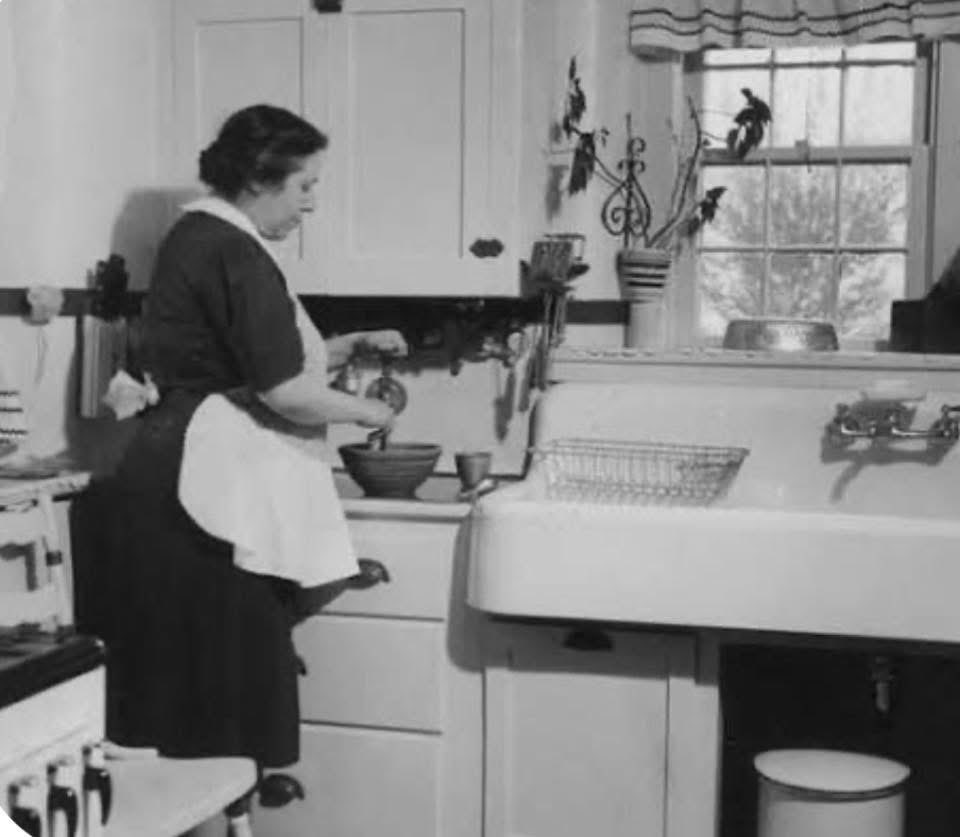
I’m worn out hearing people moan, “Our grandparents could buy a house on one paycheck, but now we can’t even afford rent on two!”
Yeah, maybe because Grandma wasn’t dropping half her income on $14 iced lattes and avocado toast shaped like art projects. Back then, if they wanted coffee, they boiled it at home in a dented pot. It tasted like burnt rubber and regret — but it woke you up and cleaned your pipes.
And Grandma wasn’t “out to brunch.” You think she had time for mimosas and hashtags? She was making something called whatever’s left in the fridge and feeding six people with it.
Don’t even start with Uber Eats. You think Grandpa was out here paying $38 to have a burger delivered three blocks away? Please. He grilled mystery meat on a rusted barbecue, and everyone called it dinner.
Now people cry about being broke while sitting in a house full of gadgets. Two SUVs in the driveway, six streaming services, three air fryers, and matching tattoos that cost more than their light bill. You think Grandpa had a tattoo? He did. It said “Korea, 1951,” and it came with trauma, not Instagram likes.
And the kids—Lord help us. “We can’t make ends meet, but Brayden needs the new iPhone!” No, he doesn’t. You’re handing an $1100 device to a child who still eats crayons and forgets to flush.
When we were kids, there was one phone. It hung on the wall like a family relic. The cord stretched just far enough for you to whisper secrets before someone yelled, “Get off, I need to make a call!” And guess what? We lived.
The TV? One. In the living room. With three channels and a dial that clicked like a safe. And if Dad wanted to watch bowling, you were a fan of bowling, end of story.
Now there’s a flat screen in every room, the baby’s got an iPad, the dog’s got a camera, and everyone’s wondering why they can’t afford rent.
Because you’re living like rock stars on retail salaries, that’s why.
Grandpa wasn’t leasing Teslas or buying $12 smoothies called “Green Zen Awakening.” He drove a truck that coughed smoke, rattled like a storm, and smelled like oil and hard work.
They lived within their means. Whatever Grandpa brought home on Friday — that’s what they had. They weren’t keeping up with the Joneses; they were keeping the lights on.
So yeah, Grandpa bought a house on one salary. But he also didn’t have a gym membership, three delivery apps, and emotional support crystals on his nightstand. His only support system was Grandma, who told him to quit whining and mow the yard.
Nowadays, everyone’s broke, anxious, and “manifesting abundance” while ordering tacos on DoorDash for the fourth time this week.
It’s not the economy — it’s the lifestyle.
Wake up, turn off your subscriptions, make your own coffee, and maybe—just maybe—you’ll smell the truth.
Credit to original author, unknown