Also, this was an organic growth no shady dev run your scans on the coin it’s clean. $icehorse should run pretty high.
4MNMghUQeEwDYdC6pN8q4RDAbCWbXtqpah9o2Laipump
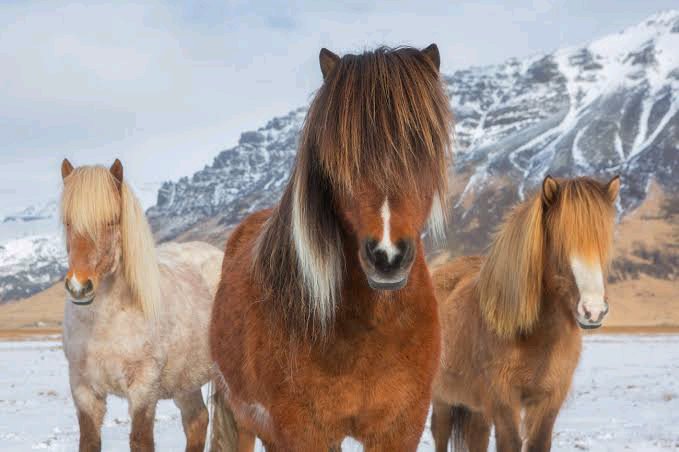
Icelandic Horse is a breed of horse developed in Iceland. Icelandic horses arent allowed to leave the country. If they do, their return is banned. In their native country, they have very few diseases & this is one of the measures that are in place to prevent imported new diseases
Yes, there is a rich ‘lore’ surrounding the Icelandic horse, deeply rooted in Norse mythology, Viking-era traditions, Icelandic sagas, and later folklore.
The Icelandic horse arrived with Norse settlers in the 9th–10th centuries and has remained genetically pure due to isolation and strict import bans. Beyond being a practical animal for travel, farming, and survival in harsh conditions, it quickly became a cultural and spiritual symbol.
Norse Mythology Connections
Horses held sacred status in pre-Christian Germanic and Norse religion, often venerated as symbols of fertility, power, and divine travel. This reverence carried over to Iceland:
- Sleipnir, Odin's eight-legged horse, is the most famous mythical horse. Born from Loki (in mare form) and the stallion Svaðilfari, Sleipnir could travel between worlds and realms. Icelandic folklore links Sleipnir directly to the landscape — the horseshoe-shaped canyon
Ásbyrgi - in northern Iceland is said to be formed by one of Sleipnir's hooves stamping the ground.
- Other Norse horses appear in myths, like **Skinfaxi** ("shining mane") and **Hrímfaxi** ("frost mane"), who pull the chariots of Day and Night across the sky.
- Horses were sacrificed in blóts (pagan rituals) and sometimes buried with warriors to accompany them to the afterlife (e.g., Valhalla).
Many modern Icelandic horse names, herds, and riding clubs still draw from these mythological names.
In the Icelandic Sagas
The sagas (written mostly in the 13th century but set earlier) feature horses prominently as loyal companions, heroes, and sometimes pivotal plot elements:
- Horses play key roles in famous sagas like *Hrafnkels saga*, *Njáls saga*, and *Grettis saga*.
- They symbolize status, loyalty, and bravery — a good horse could mean power or survival.
### Later Icelandic Folklore and Beliefs
Post-Christianization, some older pagan reverence persisted in folk beliefs:
- Icelandic horses are often linked to **huldufólk** (hidden people/elves). Stories describe elves riding them, or horses acting as protectors with magical abilities like healing or sensing danger.
- Horses appear as benevolent guardians that save lives or guide people.
- On the darker side, the **Nykur** (or Nennir) is a malevolent water spirit that takes the form of a beautiful horse to lure victims (especially children) into drowning — it has backward hooves/ears as a giveaway and features in cautionary tales near lakes and rivers.
Overall, the Icelandic horse is far more than livestock — it's a living link to Viking heritage, a national symbol of resilience and spirit, and a creature still regarded with deep affection and occasional mystical awe in Iceland today. Many Icelanders view their unique gaits (like the smooth tölt) as carrying echoes of ancient magic.