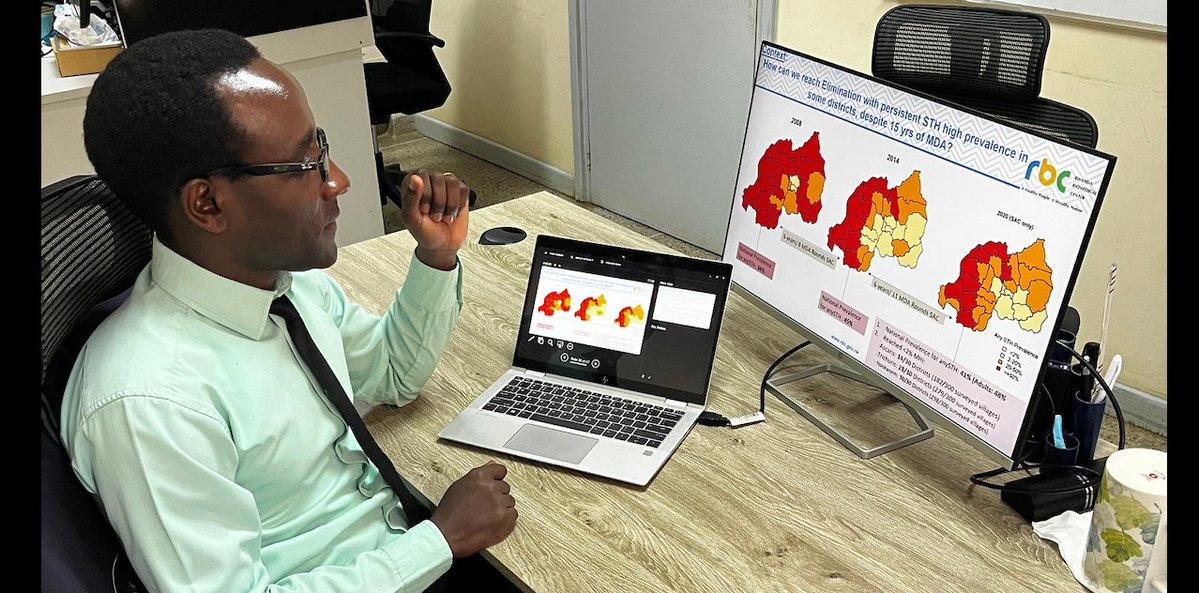
In Rwanda, #STH remains a crucial yet often invisible public health problem, with #intestinalworms prevalence reaching up to 90% in some areas.
In this story, our fellow @jboscombonigaba talks about how he's helping tackle the STH problem.
https://t.co/dq6GGOgRsq
@CEMA_Africa
Baringo County is set to host the world’s first Kala-azar vaccine trial in a major scientific milestone that could transform the fight against one of the world’s most neglected tropical diseases.
Read more: https://t.co/GfO5Nq0DWQ
Kenya is at risk of a rapid resurgence of deadly and disabling diseases after the government failed to allocate any funding for Neglected Tropical Diseases (NTDs) in the financial year beginning July 2026.
#HealthyNation https://t.co/Jy4GPYfWm1
Revisiting this opinion piece by @GheorghePaul on the drivers of kala-azar in Kenya and the urgent actions needed to save millions from this #NTD. Thanks to @StandardKenya for providing a platform to spotlight this important issue.
@CEMA_Africa
OPINION: Kenya is at a critical juncture in its fight against neglected tropical diseases (NTDs), affecting millions primarily in arid and semi-arid lands. Here, poverty, malnutrition, and climate vulnerability converge, with the burden of NTDs extending far beyond health, perpetuating poverty and constraining productivity.
https://t.co/tiLkmxGmBL
Estimating #Chikungunya burden begins with data collection, and takes working closely with communities in study regions, ensures that the #ACHIEVE project goal of informing vaccine development and deployment is met. #NTDs
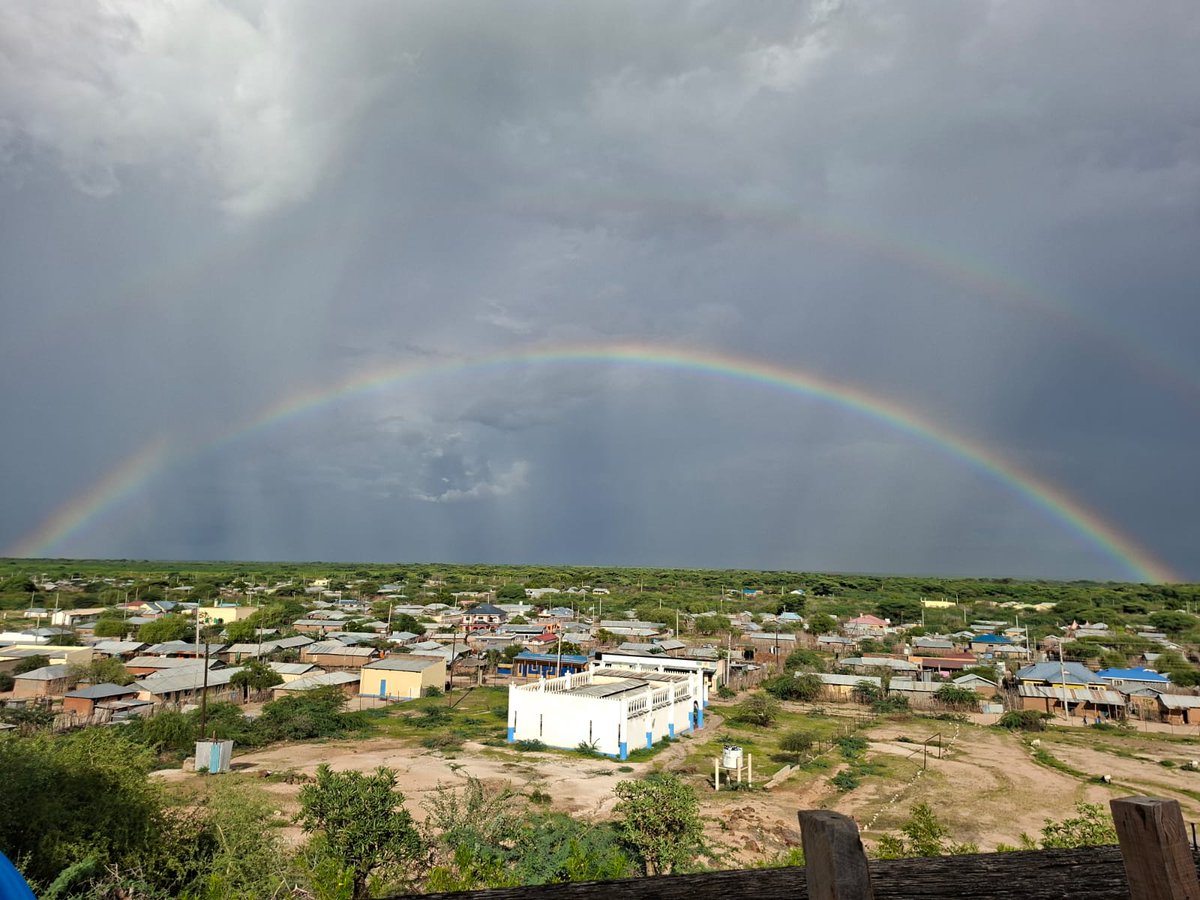
This week, the #ACHIEVEstudy team engaged healthcare workers & communities at Merti Sub-County Hospital to support #Chikungunya burden estimation in Kenya & Tanzania, helping inform vaccine policy. A strong step toward equitable, evidence-based public health action. #GlobalHealth
#Am2ntd#CEMA recently hosted Dr. Pauline Mwinzi @pmwinzi from @ESPEN_WHOAFRO. Together, we are co-developing #schistosomiasis models to support elimination efforts across the continent, because strong partnerships drive real impact. #NTDs
@MutonoNyamai of #CEMA & #modelling & training lead for @am2ntd shares an overview of modelling organizations across Africa and how they have evolved over time to strengthen research, collaboration, and public health decision-making on the continent.
#AfricaSeminarSeries
Save the Date | 13 May | 12:00–13:00 EAT
Join the next seminar series hosted by GSIDD in partnership with #CEMA on"Strengthening Infectious Disease Modelling in Africa."Hear how #modelling is shaping #publichealth decisions across Africa.
Register:https://t.co/IlmRtpcHc5
@AM2NTD
"The path forward requires capturing when and where infections happen, predictive modeling, and a costed roadmap..." says @GheorghePaul in this opinion piece on #Kalaazar in Kenya. #NTDs
More:https://t.co/oJwpp9Tk7L
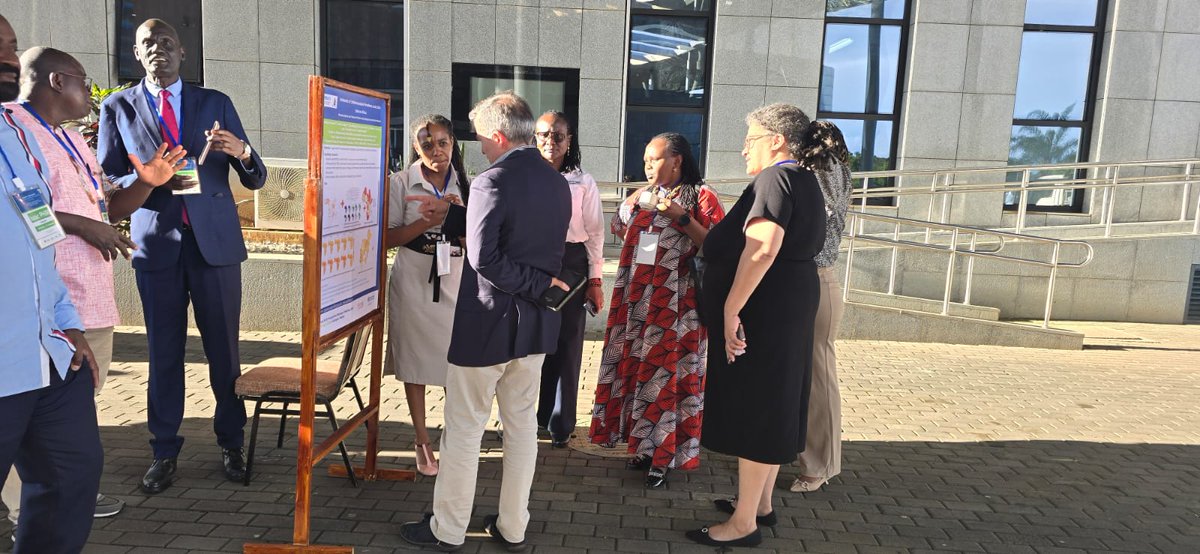
Dr. @MutonoNyamai presented her poster on Estimates of #Schistosomiasis prevalence across Sub-Saharan Africa, sparking conversations on how fine-scale estimates can strengthen #NTD elimination planning at the local level.
#NTDPMM2026
Africa’s #NTD elimination targets are achievable—but demand innovation, integration into primary health care, sustainable domestic financing, and stronger cross‑border collaboration. PMM2026 calls for turning political commitment into accelerated action toward 2030.
Proud of the #CEMA team for leading the way in making sample integrity a reality on ground. Delivering cold chain solutions to support sample storage & transport is a critical step in ensuring quality data for the #ACHIEVE study & Chikungunya vaccine decisions.
#DataQuality
Our team @CEMA_Africa were in Isiolo yesterday, delivering cold chain solutions for sample storage & transport for the Accelerating #Chikungunya Burden Estimation to Inform Vaccine Evaluation Research Study, to maintain sample integrity & ensure reliable #data collection. #NTDs
Africa’s #NTD elimination targets are achievable—but demand innovation, integration into primary health care, sustainable domestic financing, and stronger cross‑border collaboration. PMM2026 calls for turning political commitment into accelerated action toward 2030.
We were pleased to host Benjamin Singer, a postdoctoral researcher in infectious disease modeling @UCBerkeley last week for an engaging session.
It was such a great opportunity as Ben shared 3 projects with our team: 2 on schistosomiasis and ongoing AMR work.@CEMA_Africa
#KalaAzar was 1st reported in Mandera and Wajir in 1935. Then, around 80s and 90s, in the Rift Valley areas of Baringo & West Pokot, more cases were reported. Prevalence then grew to new areas. For prevalence & more click: https://t.co/yfGWXfGhsT
#NeglectedTropicalDisease#NTD
For more than a decade, Kenya has worked to push back kala-azar, a disease that continues to affect communities in arid and semi-arid regions, often slipping by unnoticed until it becomes severe.
Progress has been made but challenges remain. Undetected infections, climate pressures and gaps in surveillance make elimination complex. For many families, late diagnosis still means long journeys for care and difficult treatment outcomes.
Kenya’s 10-year march shows that defeating kala-azar will require sustained funding, stronger early detection, and consistent community awareness.
Read the full story
https://t.co/ZgbGLtvQMe
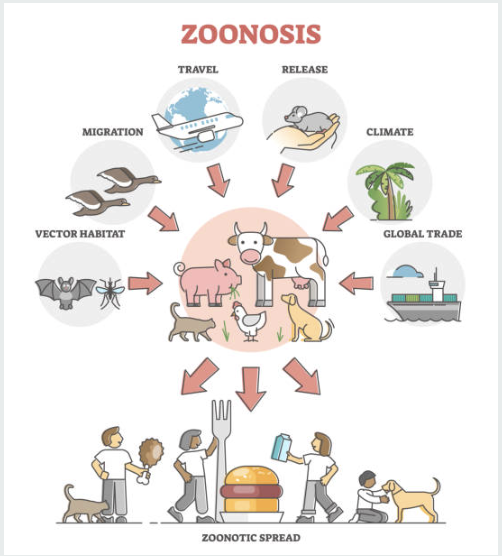
Zoonoses don't just affect animals, they are a direct threat to human health, especially in communities already burdened by Neglected Tropical Diseases #NTDs.
From #Rabies to #KalaAzar, the overlap is real, and so is the urgency.
#OneHealth is the only way we close the gap.
Happy Monday! Did you know ~60% of human infectious diseases originate from animals, & 75% of emerging diseases have an animal link (WHO)? Protecting human health is closely tied to animal & env health. Learn: https://t.co/902LmeirmC
#OneHealth#Zoonoses#GlobalHealth@AM2NTD
Still on #Kalaazar, this story outlines when the #VisceralLeishmaniasis was first reported in Kenya, how the spread continues, & why targeted control is the path to elimination. #VL#NTDs https://t.co/a3c9CnRQaj
Did you know that over 70 per cent of Kala Azar cases in Kenya are asymptomatic and are greatest contributors to spread of this disease, which if not treated, is 95 per cent fatal?
Indeed, a powerful piece on why sustained investment in early detection, surveillance, and access to care is critical to tackling #Kalaazar in Kenya. Delayed diagnosis continues to cost lives.
Read more:
https://t.co/BXb3OYK3U1