La salud mental en la Gen Z y Millennial es un tema abordado sesgadamente, donde la epidemia de ansiedad y depresión siempre es vista como un problema individual. Sin embargo, después de leer a Fisher, encontré un concepto fundamental para comprendernos: la hedonia depresiva 🧵
Se confirma lo que sospechábamos:
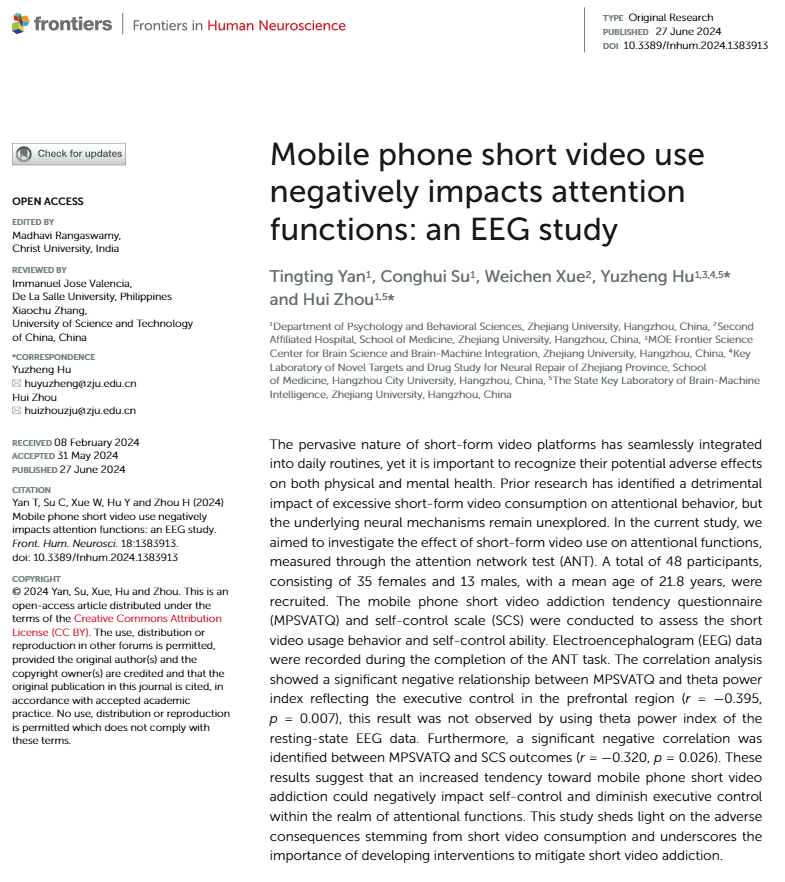
La adicción a los vídeos de corta duración reduce la actividad cerebral en el lóbulo frontal, debilitando la capacidad de concentración.
Shocking new MRI study on 3–5 year olds: Just 2 hours of interactive screen time per day is linked to measurable loss of white matter in the brain.
Professor Mike Nagel (University of the Sunshine Coast):
“White matter is myelin — it insulates axons like plastic on a wire. Deficits in myelin early in life mean deficits in neural connectivity.”
The more screen time, the greater the white matter loss — especially in areas tied to language development and literacy.
Nagel’s first reaction (as a researcher and father):
“Wow… I was not anticipating seeing anything like that. It hadn’t occurred to me that something as little as two hours a day was having such a profound effect.”
Parents: Has this changed how you think about screen time limits for young kids — or do you think the risks are overstated?
Sam Darnold shares how "failure" became the foundation of his comeback.
"You have to embrace failure and you have to learn from your mistakes."
Most people run from failure. Successful people know that adversity is inevitable.
"Learning from my mistakes early in my career, I feel like, has gotten me to this point."
Darnold was the 3rd overall pick. Then came the struggles - the turnovers, the losses, and being cut.
"Every time you fail or you lose a game or you don't do exactly what you want to do on every single play - you learn from that."
Failure isn't final - it's feedback. Combat unhealthy beliefs about yourself and believe that change is possible.
"As long as you learn from it, you can always look ahead to better things and not making the same mistake twice."
The most resilient people cultivate resilience over time. The most resilient people accept that sh** happens. They own what they can and focus on what they control.
(🎥Seattle Seahawks )
El entrenador de fútbol Joshua Paul enseña algo clave a sus chavales... y a cualquiera: no tengas miedo de hacer el ridículo cuando estás aprendiendo algo nuevo. Porque siempre hacemos bastante el ridículo mientras aprendemos algo nuevo.
Djokovic is describing neuroscience, not parenting philosophy.
The prefrontal cortex doesn’t finish maturing until age 25. This is the area responsible for judgment, impulse control, and planning.  Between the ages of 10 and 25, the brain undergoes changes that have important implications for behavior. 
Here’s the problem: dopamine levels in the limbic system increase during adolescence, making teens more emotional and more responsive to rewards.  The reward circuitry is running hot while the brakes are still being installed.
Laurence Steinberg, one of the world’s leading adolescent development researchers, likens this to engaging a powerful engine before the braking system is in place. 
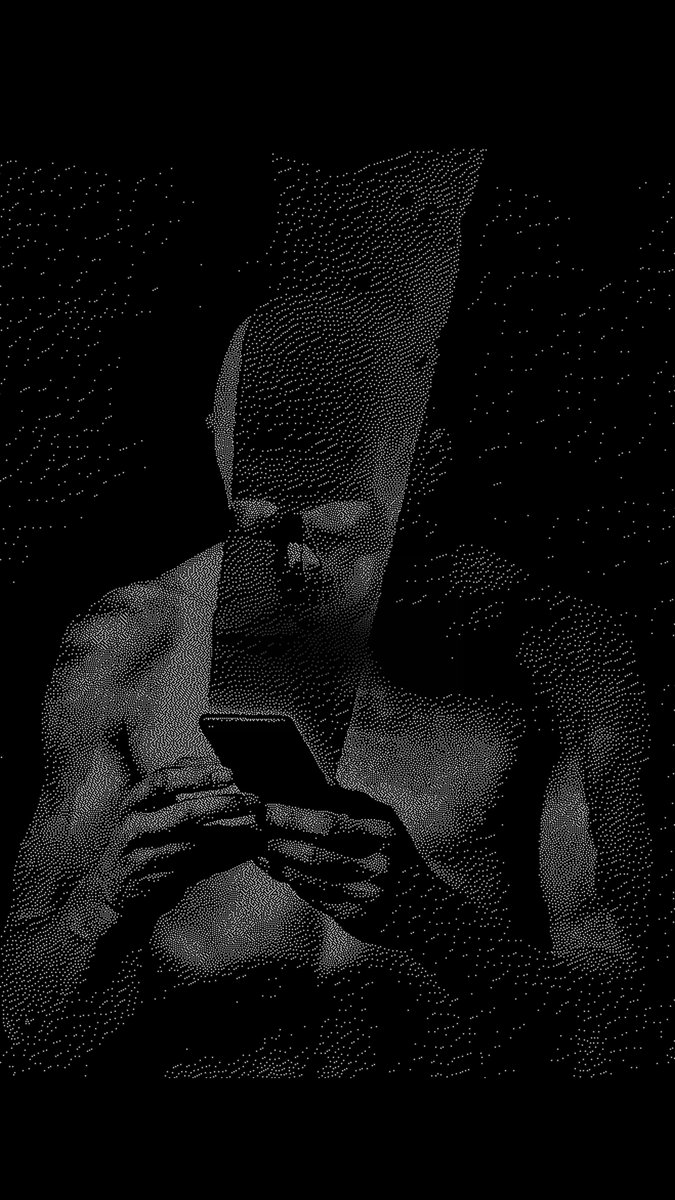
Now add a phone. Infinite scroll. Push notifications. Variable reward schedules engineered by thousands of product managers optimizing for engagement. You’re flooding a system that’s already hypersensitive to dopamine with the most potent non-pharmacological reward delivery mechanism ever invented.
As prefrontal dopamine fibres continue to increase in density during adolescence, they may be particularly vulnerable to external influences, both positive and negative. 
The delayed dopamine connectivity in the prefrontal cortex during adolescence may underlie the heightened risk to develop mental disorders.

The “everyone else has one” argument his kids make proves his point. The social conformity pressure is a feature of the developing adolescent brain, not a reason to give in.
Djokovic has trained his entire life to resist immediate gratification for long-term performance. He’s applying the same model to his kids’ brain development. Let the hardware mature before installing software designed to exploit its vulnerabilities.
Todas las terapias funcionan… ¿por igual?
Un nuevo meta-análisis de 9,637 pacientes acaba de actualizar el famoso “efecto Dodo-Bird” en psicoterapia.
Los resultados son fascinantes: todas las terapias son efectivas, pero algunas actúan más rápido que otras.
Les cuento👇
El debate eterno en psicoterapia
Desde hace décadas, clínicos y pacientes discuten cuál terapia “funciona mejor”: ¿la cognitivo-conductual? ¿la psicodinámica? ¿mindfulness?
El efecto Dodo-Bird propone que todas son igualmente eficaces, porque comparten factores comunes que curan más allá de la técnica.
Esta nueva investigación quiso comprobarlo con rigor estadístico y métodos modernos.
📘 Contexto:
El “efecto Dodo-Bird” en psicoterapia es una hipótesis clásica que sugiere que todas las terapias funcionan más o menos igual, independientemente de su orientación teórica (CBT, psicodinámica, humanista, mindfulness, etc.).
El nombre proviene de la frase del Dodo en Alicia en el País de las Maravillas: “Todos han ganado y todos deben tener premios.”
El estudio
📚 Se revisaron 90 ensayos clínicos controlados (RCTs) publicados entre 2014 y 2024.
👥 En total: 9,637 pacientes con 18 diagnósticos distintos (desde ansiedad y depresión hasta trastornos de la conducta alimentaria).
🧩 Terapias incluidas:
Cognitivo-conductual (CBT)
Psicodinámica
Centrada en la persona
Basada en mindfulness
Terapia de arte
El flujo metodológico (figura PRISMA) muestra la solidez del proceso de selección:
📊 De casi 3 millones de registros iniciales, solo 90 estudios cumplieron criterios de calidad y comparabilidad.
El hallazgo principal
👉 No hubo diferencias significativas en eficacia final entre modalidades.
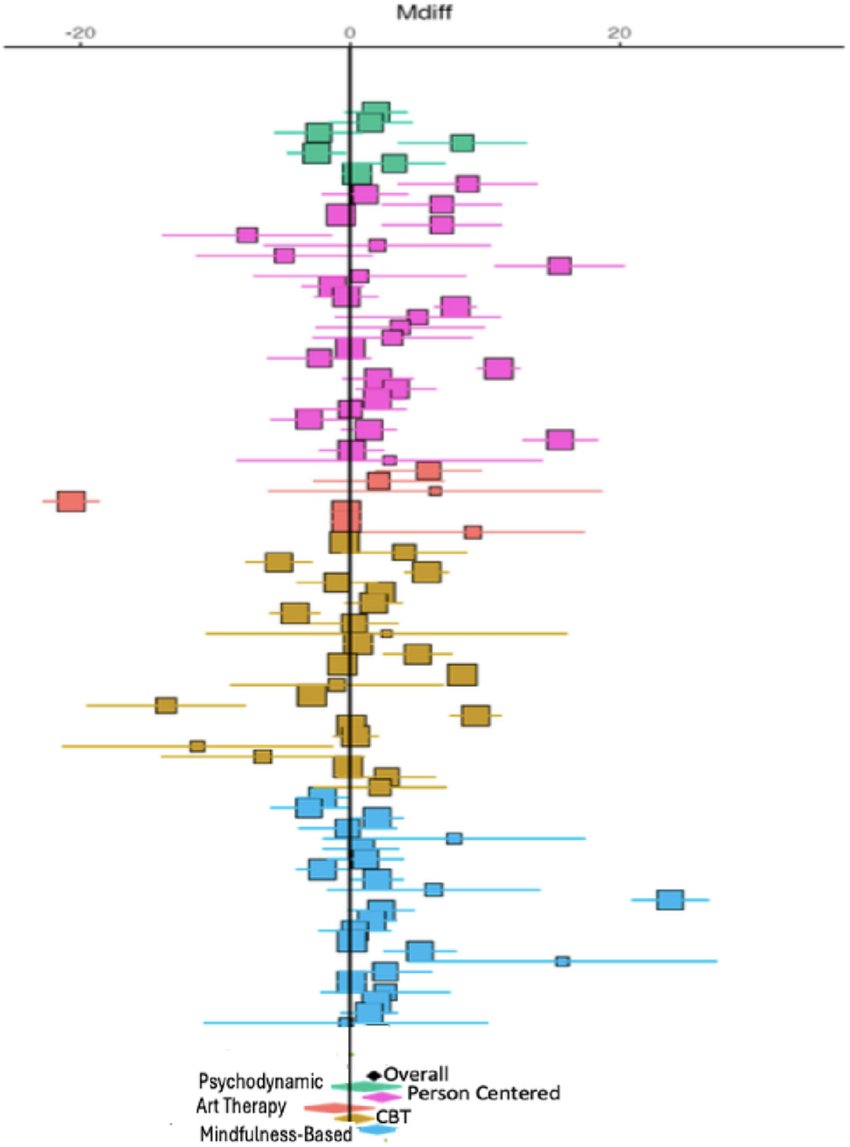
El tamaño de efecto global fue g = −0.32, estadísticamente y clínicamente relevante, pero sin variaciones por tipo de terapia ni diagnóstico.
💬 Traducido: todas las terapias estudiadas fueron efectivas y ninguna se impuso sobre las demás.
La figura tipo forest plot muestra cómo los efectos de las distintas terapias se distribuyen alrededor de un promedio común.
¿Entonces el Dodo tenía razón?
En parte, sí. Pero este meta-análisis fue más allá.
Los autores aplicaron análisis factorial para identificar si las distintas terapias comparten un factor latente común de cambio.
🔶 Resultado: todas las modalidades cargaron sobre un mismo “factor Dodo-Bird”, un núcleo común de eficacia.
Este factor puede reflejar elementos transversales como:
- la alianza terapéutica
- la empatía del terapeuta
- la esperanza del paciente
- la regulación emocional compartida
Pero hay un giro interesante…
Por primera vez, los autores modelaron la tasa de cambio durante el tratamiento, no solo el resultado final.
Y ahí apareció algo nuevo:
🕓 Las terapias basadas en mindfulness mostraron una mejoría más rápida que las demás modalidades.
Las otras terapias alcanzan beneficios similares, pero lo hacen con una pendiente más gradual.
Esto no invalida el efecto Dodo-Bird, pero lo matiza:
👉 Todas las terapias ayudan, pero no todas lo hacen al mismo ritmo.
¿Por qué puede pasar esto?
El mindfulness entrena la atención plena y la conciencia corporal desde las primeras sesiones, lo que puede generar "alivio" emocional rápido.
La CBT o la psicodinámica, en cambio, implican procesos cognitivos o narrativos más progresivos, que consolidan el cambio con el tiempo.
En otras palabras, las rutas son distintas, pero el destino es similar.
Implicaciones clínicas
👩⚕️ Para el clínico: elegir la modalidad según las necesidades y el tiempo del paciente.
🧩 En cuadros donde la gravedad o la urgencia demandan alivio rápido, el mindfulness puede ser un punto de partida eficaz.
🪞 En procesos más profundos o estructurales, la psicodinámica o la terapia centrada en la persona siguen siendo opciones valiosas.
El mensaje no es que todas las terapias sean idénticas, sino que todas pueden ser efectivas cuando se aplican con calidad y ajuste al paciente.
Implicaciones para la investigación
Los autores proponen un cambio en el diseño de futuros ensayos:
no basta con medir el resultado final, hay que observar la curva de mejoría.
La velocidad del cambio también es una dimensión terapéutica.
Además, recomiendan incorporar modelos factoriales que integren los “factores comunes” con las técnicas específicas.
Esto podría redefinir cómo entendemos la eficacia psicoterapéutica.
Limitaciones del estudio
- Solo se incluyeron ensayos recientes (2014–2024).
- Gran heterogeneidad de diagnósticos y formatos (individual, grupal, online).
- La tasa de cambio se modeló estadísticamente, no siempre medida directamente.
En resumen
✅ Todas las terapias estudiadas son eficaces.
✅ Comparten un núcleo común de cambio (“efecto Dodo-Bird”).
✅ Pero difieren en la rapidez de la mejoría: el mindfulness tiende a acelerar los resultados iniciales.
✅ La calidad de la relación terapéutica y el ajuste al paciente siguen siendo el corazón del cambio
Quizá la pregunta ya no sea “qué terapia es mejor”, sino “qué es lo que realmente hace que una terapia funcione, y por qué funciona lo que funciona”.
La psicoterapia, en todas sus formas, sigue siendo una de las intervenciones más potentes y humanas de la clínica moderna.
Link: https://t.co/V3kY6TtS7E
¿Ustedes qué opinan?
I showed this video in my Sunday School class.
There were not many dry eyes in the room.
Never forget, you are a child of Heavenly parents.
You have a divine destiny. You are loved by the most powerful being in the universe.
I showed this video in my Sunday School class.
There were not many dry eyes in the room.
Never forget, you are a child of Heavenly parents.
You have a divine destiny. You are loved by the most powerful being in the universe.
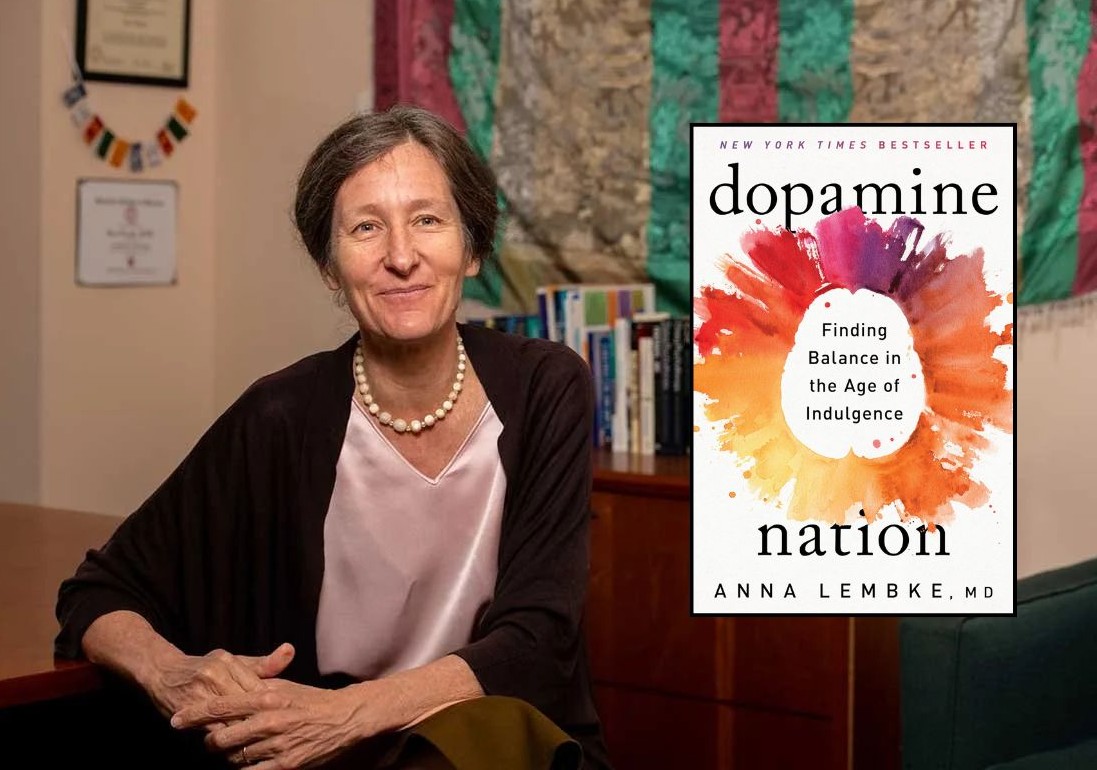
Dr. Anna Lembke is Stanford’s leading neuroscientist and addiction expert.
Her 25+ years of research reveal why we’re more stimulated than ever, yet so unmotivated.
Her 10 most important insights on how to reset your brain’s balance:
One of the most important talks ever given from the conference pulpit.
If you were ask any Prophet or General Authority, living or dead,
They would sustain this speech with great enthusiasm.
we are overstimulated and we don’t even notice. netflix while eating. reels in the bathroom. music while cooking. podcasts on walks. we consume by default, not by intention. you keep filling every gap, then wonder why you feel foggy and unmotivated. boredom and silence are the real growth drivers. they give you space to think and create. that’s when solutions show up for problems that have been stuck for months. leave some room
“Merry Christmas from our Father in Heaven who never flags nor fails, and from His Only Begotten Son, His baby—this baby and our Brother—who grew up to '[bear] our griefs, [carry] our sorrows: [and be] bruised for our iniquities.' We thank our Father in Heaven for the promised Messiah, the greatest gift of all at Christmas.”
— President Jeffrey R. Holland (@HollandJeffreyR), 2025 First Presidency Christmas Devotional
Artwork: "The Nativity" by N.C. Wyeth
Un padre recibió 350 días de permiso pagado gracias a sus compañeros que le donaron sus vacaciones para que no se separara de su hija con cáncer.
Se trata de Jonathan Dupré, quien pudo acompañar cada fase del duro tratamiento contra el cáncer que enfrentaba su pequeña hija, sin verse obligado a escoger entre su empleo y su familia.
El gesto fue completamente voluntario: decenas de colegas cedieron parte de su descanso hasta reunir 350 días de permiso remunerado, permitiéndole atravesar uno de los momentos más difíciles de su vida con apoyo y estabilidad.
Este caso, real y documentado, se convirtió en un poderoso ejemplo de lo que puede lograrse cuando la empatía deja de ser una palabra y se transforma en acción. ❤👏🏻
Many years ago, we recorded my grandsons Ben and Jake retelling from memory the story of Jesus Christ’s birth as found in Luke 2.
What stands out to me about their version the most is the pure and simple truth of this Biblical passage. Jesus Christ was born of humble circumstances, yet lived the most important life ever lived.
May we remember His glorious birth and live His teachings during this Christmas season. Merry Christmas!







![Ch_JesusChrist's tweet photo. “Merry Christmas from our Father in Heaven who never flags nor fails, and from His Only Begotten Son, His baby—this baby and our Brother—who grew up to '[bear] our griefs, [carry] our sorrows: [and be] bruised for our iniquities.' We thank our Father in Heaven for the promised Messiah, the greatest gift of all at Christmas.”
— President Jeffrey R. Holland (@HollandJeffreyR), 2025 First Presidency Christmas Devotional
Artwork: "The Nativity" by N.C. Wyeth](https://pbs.twimg.com/media/G8ko_TEWIAASXiG.png)