An Iroko has fallen. 🤍
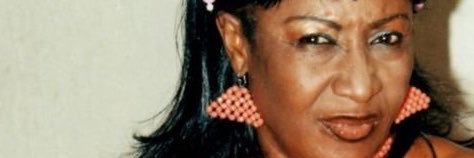
Chief Pete Edochie was more than an actor; he was a cultural institution whose voice, wisdom and presence helped define generations of African storytelling.
I am honoured to have had a legend of his stature grace one of my music videos. His legacy will live on through the stories he told and the generations he inspired.
My deepest condolences to his family. May his soul rest in perfect peace.
Rest Well EBUBE DIKE 🕊️
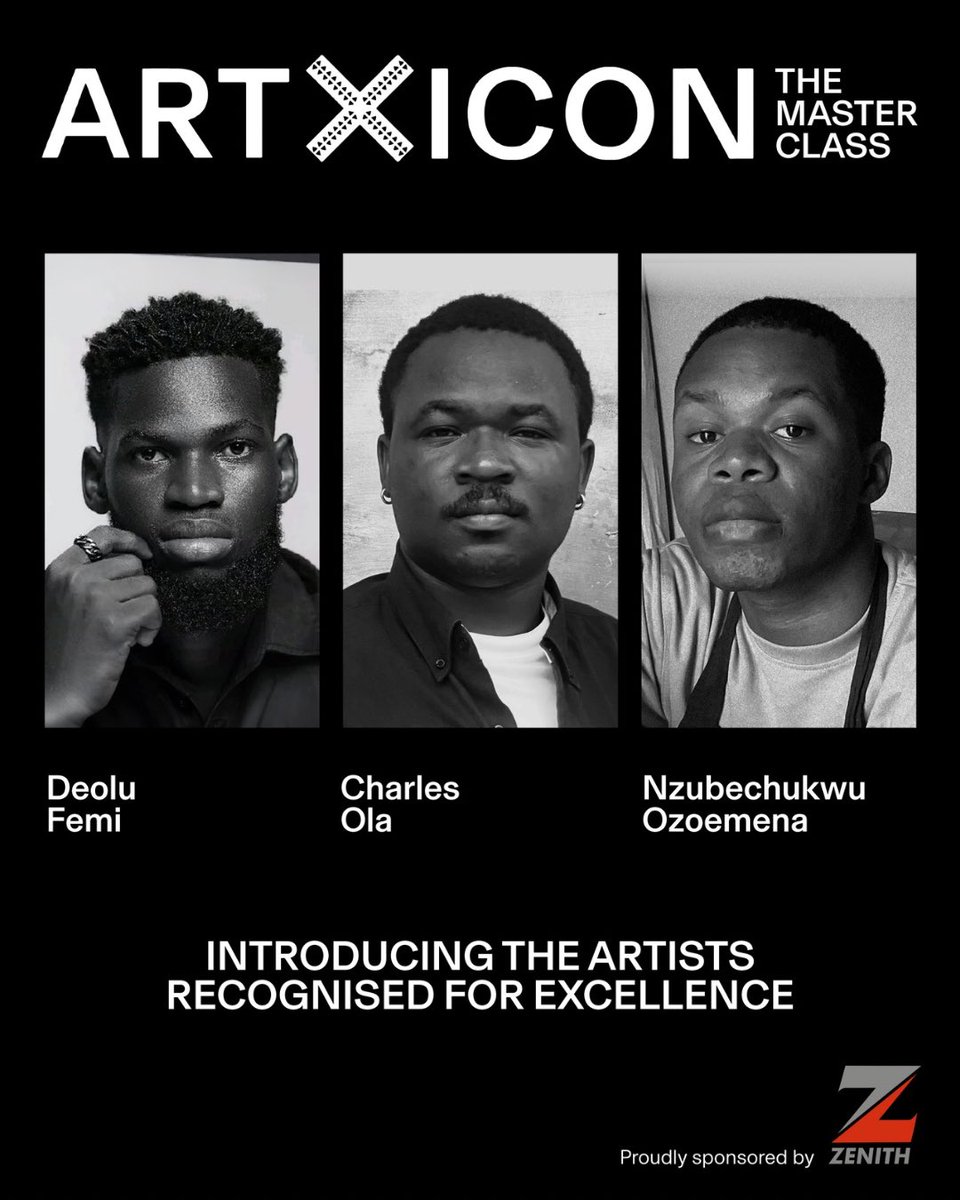
Meet the three artists selected from the 10 participants of ART X ICON: The Masterclass 2026, whose practices engage with the ideas explored in this year’s edition, inspired by Ladi Kwali’s ability to challenge artistic hierarchies and move between craft and fine art.
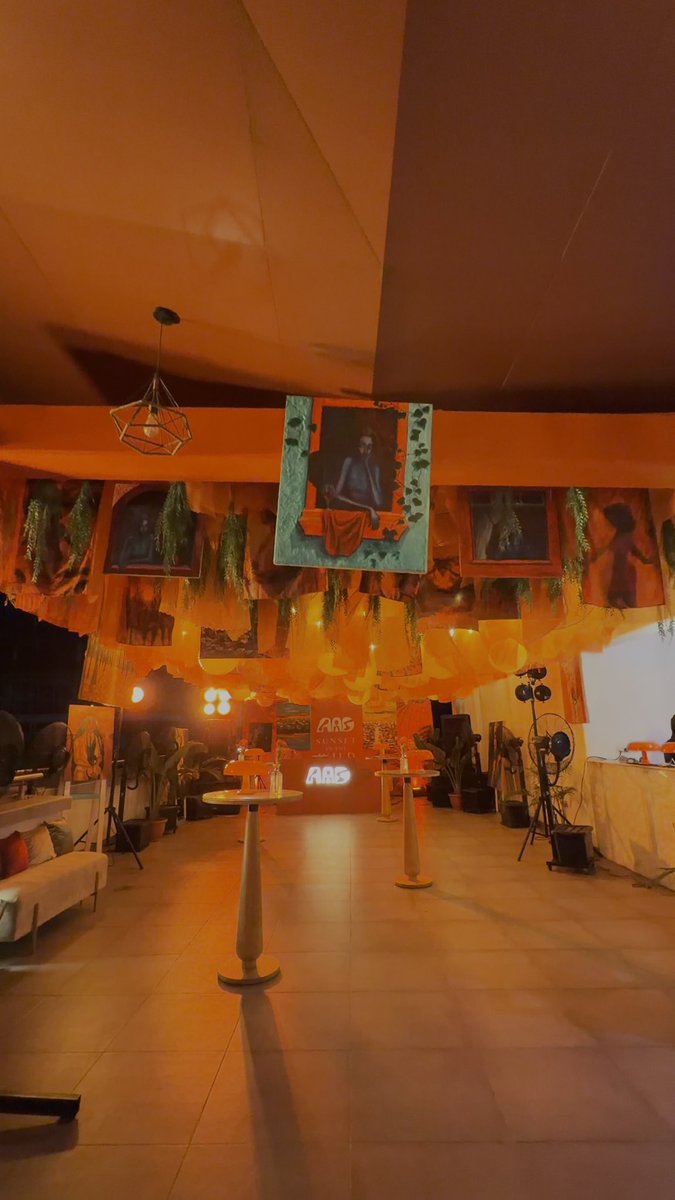
I got commissioned by Art After Dark to make 15 drawings that would be printed on drapes & hung up as decor at their Sunset in the Wild themed event & they came out so well! For this commission I imagined an island mostly dominated by women who have companions in lovers, friends-
No man can rïg me out again, I'm fully prepared for them. Do your own part, vote and stand your ground until it is recorded on the IREV portal.
__ Peter Obi
NIGERIANS, GO AND VERIFY (4)
Building a Healthy Nation: Our Health Sector Record in Anambra
Peter Obi
In the previous instalment of this series, I discussed our investments in education and explained why we considered human capital development central to the progress of Anambra State. Another sector that received considerable attention under our administration was healthcare. We understood that education gives people the tools to build their future, while good healthcare enables them to live healthy and productive lives.
When we assumed office in 2006, the healthcare system in Anambra faced serious challenges. Our health institutions required rehabilitation, medical equipment was inadequate, many communities lacked accessible primary healthcare facilities, and several medical training institutions had not secured accreditation. We therefore decided to approach healthcare as a comprehensive development priority, rather than concentrate resources on a few prominent hospitals.
Under our Anambra Integrated Development Strategy (ANIDS), we invested simultaneously in primary, secondary, and tertiary healthcare, medical training, maternal and child health, medical equipment, and partnerships with religious and private institutions.
Our approach was simple: healthcare should be accessible to people wherever they live, and the quality of treatment they receive should not depend on their status or whether they live in a city or a rural community.
Building a Teaching Hospital and College of Medicine
One of our most significant achievements was the establishment of the Chukwuemeka Odumegwu Ojukwu University Teaching Hospital at Awka.
We initiated, constructed, equipped, and secured accreditation for the institution, building it virtually from scratch. When I discovered that the state university was admitting medical students without having a teaching hospital through which they could complete their training, possibly with the intention of assigning them elsewhere, I considered the situation unacceptable. We therefore embarked on the construction of a modern teaching hospital to address this deficiency.
We constructed more than 25 buildings and provided facilities for the College of Medicine, laboratories, pathology, accident and emergency services, pediatrics, male and female wards, special wards, consultant clinics, and other essential departments.
We also provided vehicles, including ambulances and staff buses, to support the hospital and the College of Medicine as part of the accreditation requirements.
The objective was not merely to build another hospital but to establish an institution capable of providing specialist healthcare while training the next generation of Nigerian medical doctors.
Rehabilitating General Hospitals
We also recognized that a teaching hospital alone could not meet the healthcare needs of the population. General hospitals had to function effectively because they provide the essential link between primary healthcare and specialist treatment.
We rehabilitated and resuscitated 15 general hospitals across the three senatorial zones of Anambra State. We undertook substantial improvements in their buildings, wards, equipment, and general facilities.
In 2013, we provided ₦400 million for the ongoing renovation of 11 selected general hospitals, alongside other healthcare interventions.
Our intention was to ensure that people did not have to travel unnecessarily long distances to obtain basic secondary medical care.
Taking Primary Healthcare to the Communities
We believed that the best healthcare system is one that prevents illnesses and treats people early, rather than one that waits until minor health problems become emergencies.
That informed our extensive investment in primary healthcare. We built over 120 primary healthcare centers across communities in the 177 autonomous communities of Anambra State and rehabilitated existing facilities.
If you’re going to INEC to collect your PVC, you must go with your slip so you can be attended to quickly. If you can’t find it, here is how to retrieve the details on the slip.
Retweet and share with people who are yet to collect their PVC.
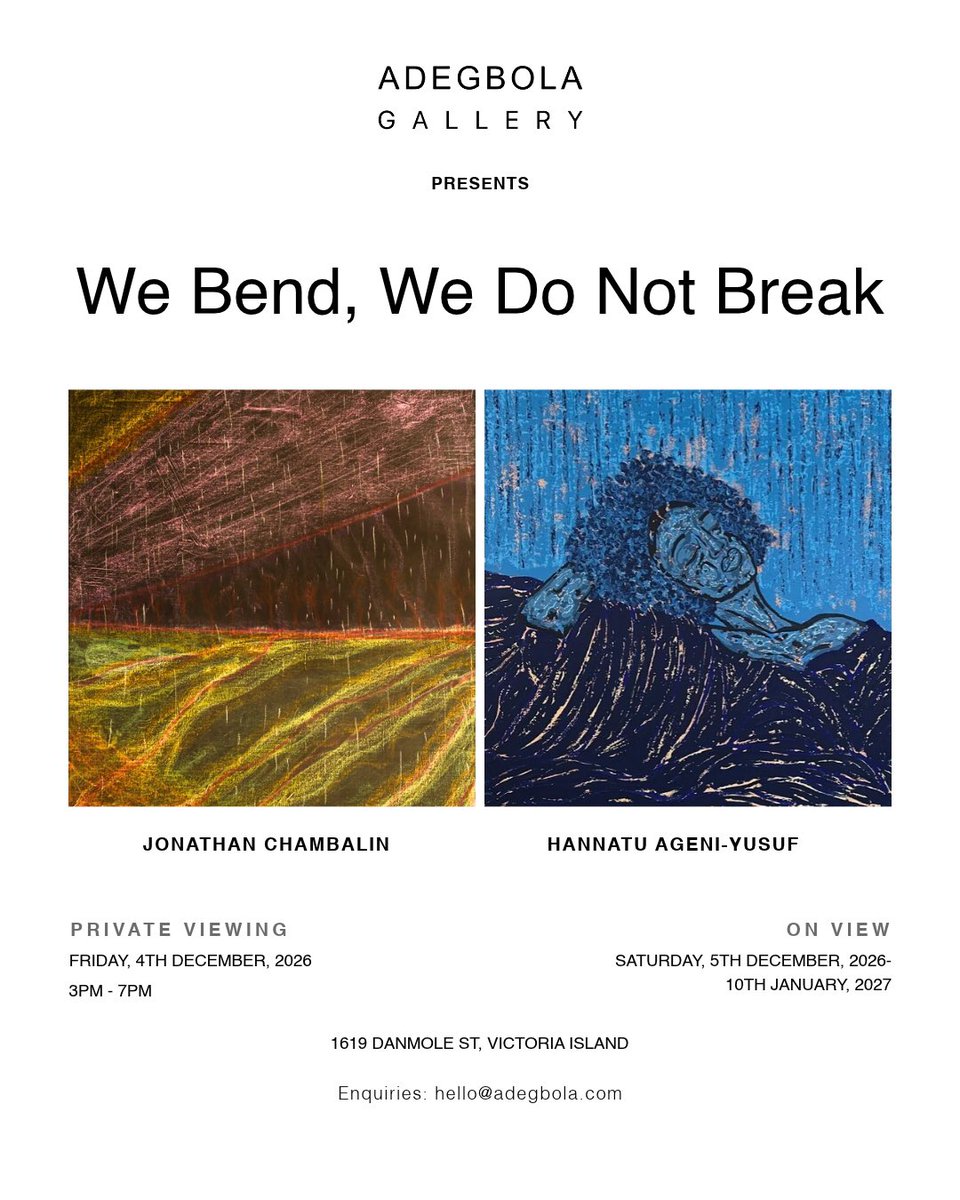
Excited to invite you for a duo Exhibition which I would be presenting a body of work I have been developing through out his year , it’s taking place at Adegbola Gallery , look forward to welcoming you .
Imagine paying house rent for 25 years. Your children have grown up, you are approaching retirement, and you are still worried about the next rent increase.
This is the reality for many hardworking Nigerians.
When I embarked on my economic reforms in 2023, expanding access to affordable, long-term credit was a priority.
That is why we established the ₦1 trillion MOFI Real Estate Investment Fund (MREIF) @mreifng.
Through this initiative, eligible Nigerians can now access mortgages of up to ₦100 million at a fixed interest rate of 9.75%, with up to 20 years to repay and an initial deposit of just 10%.
What does this mean for you?
If you want to buy a ₦10 million house, you can make an initial deposit of ₦1 million and repay about ₦85,400 monthly over 20 years.
Already, over 2,300 Nigerians across 27 states have accessed ₦160 billion in mortgages through MREIF alone.
We have also strengthened the Federal Mortgage Bank of Nigeria (FMBN), where eligible Nigerians can access housing loans of up to ₦50 million at 6% interest, with up to 30 years to repay.
If you have a pension account, you may also qualify to access up to 25% of your retirement savings towards your initial deposit. If you are married, you can submit a joint application with your spouse, increasing your chances of accessing a higher amount.
For Nigerians who cannot afford a mortgage, Family Homes Fund @fhfl_ng supports the delivery of affordable housing, with more than 53 social homes delivered for vulnerable and underserved households.
Our Renewed Hope Social Housing Programme also targets 77,400 affordable homes across the country. We have already delivered 100 free homes to widows in Kaduna and another 50 to the wives of our fallen heroes in Ibadan.
Across Nigeria, over 15,000 homes are also under construction through our Renewed Hope Cities and Estates Programme.
You should not need to know a minister, a governor or anybody in the Presidential Villa to apply and benefit from these opportunities.
These programmes are for Nigerians who meet the requirements, wherever they live and whatever their beliefs.
As President, I take particular satisfaction in seeing hardworking Nigerians become homeowners and families gain the security that comes with having a place of their own.
That, too, is what my economic reforms are about.
From Reforms to Opportunities.
Bola Ahmed Tinubu, GCFR
President