AMELIE (Anchored Muscle cELls for IncontinencE) is a ground breaking #H2020 research project using revolutionary #celltherapy to treat #faecalincontinence.
The first patient was recently treated in the AMELIE clinical trial! The team at The Royal London Hospital implanted healthy muscle cells attached to microscopic beads in humans for the first time.
Find out more about AMELIE: https://t.co/5Hl4sR3MPx
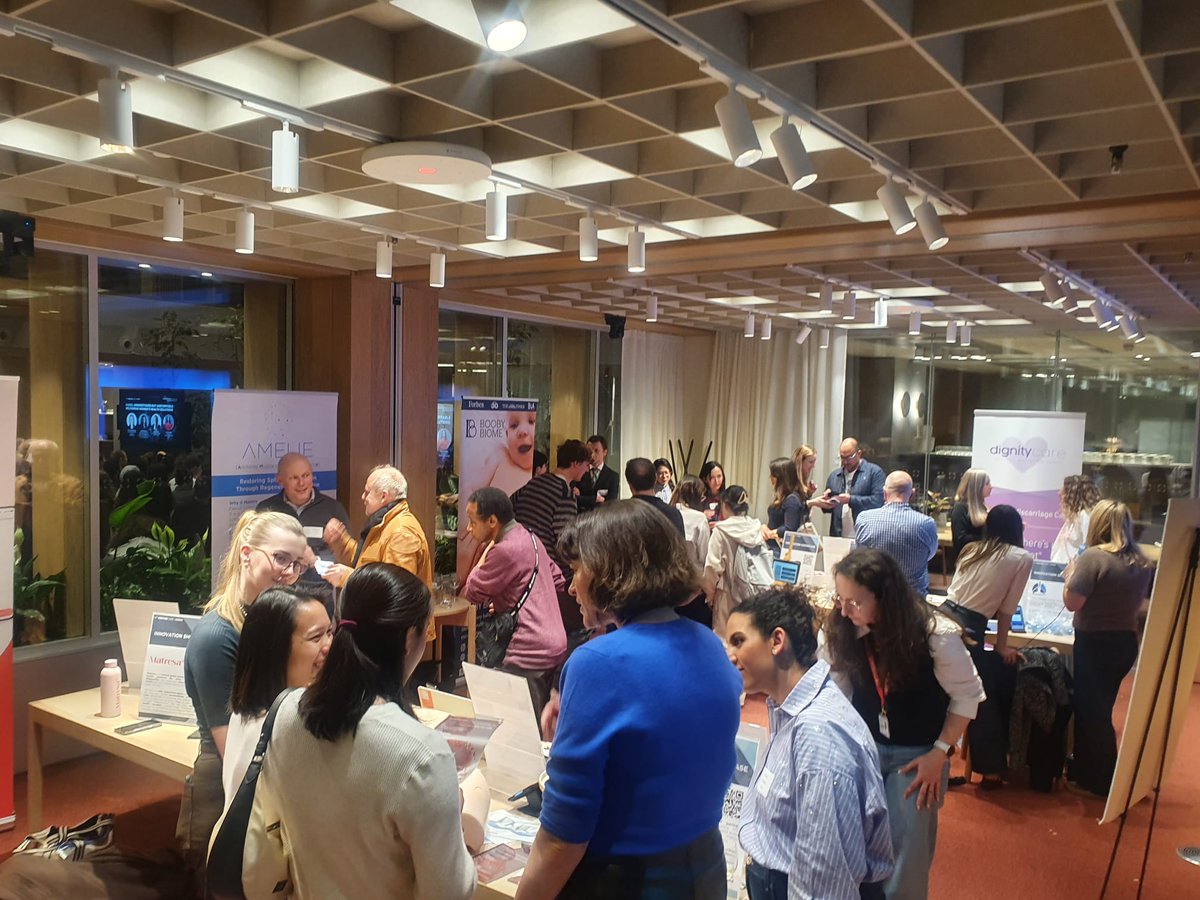
Last week we had the opportunity to present AMELIE (Horizon 2020 funded project) at VC Café London, where we hosted a stand showcasing our approach to treating faecal incontinence and supporting women’s health.
The discussions also provided useful insights into how health-focused investors evaluate early-stage medical innovations, highlighting the importance of clearly articulating the value proposition, development pathway, and future milestones.
The evening will bring together researchers, entrepreneurs, healthcare evaluators, and investors who are committed to advancing women's health innovation responsibly while meeting the enormous unmet demand for solutions. @QMUL@istecnico@AarhusUni@auhdk@quironsalud@NHSBT
We're showcasing at Venture Café London’s Thursday Gathering, "From Research Gaps to Breakthroughs: Women's Health Innovation", on Thursday 26th February. Register here: https://t.co/HgOKTz4XUJ
Patients needed to help with faecal incontinence research! Do you have experience of faecal incontinence? The AMELIE project is developing a new cell therapy treatment, and we need your feedback. @QMUL@istecnico@AarhusUni@auhdk@quironsalud@NHSBT
Clinician input needed! The AMELIE Project is developing a minimally invasive regenerative therapy for faecal incontinence using injectable autologous muscle-derived cells. We’re now seeking insight from HCPs.
@QMUL@istecnico@AarhusUni@auhdk@quironsalud@NHSBT
Our YouTube channel now features interviews with the AMELIE research team. Hear from six team members about their roles in this study into improving faecal incontinence after anal sphincter injury. https://t.co/ax9WubPz2I
This means that in the future, these cell-based treatments could be produced in advance, stored in a “cold chain” and delivered to hospitals when needed, making regenerative therapies much more practical and accessible.
In case you missed it: This paper looked at whether tiny, implantable beads carrying human muscle cells can be safely frozen and stored for later medical use. https://t.co/KKsKG8dWdk
The researchers tested different freezing and thawing methods and found that the muscle cells survived well, stayed attached to the beads, and still behaved normally after thawing. The beads themselves also remained structurally sound.
The AMELIE project has taken great strides this year! We saw the compilation of documents for regulatory approval, and received UK and EU clinical trial authorisation. And we recently recruited the first patient! Find out more: https://t.co/81ApJRwGjw
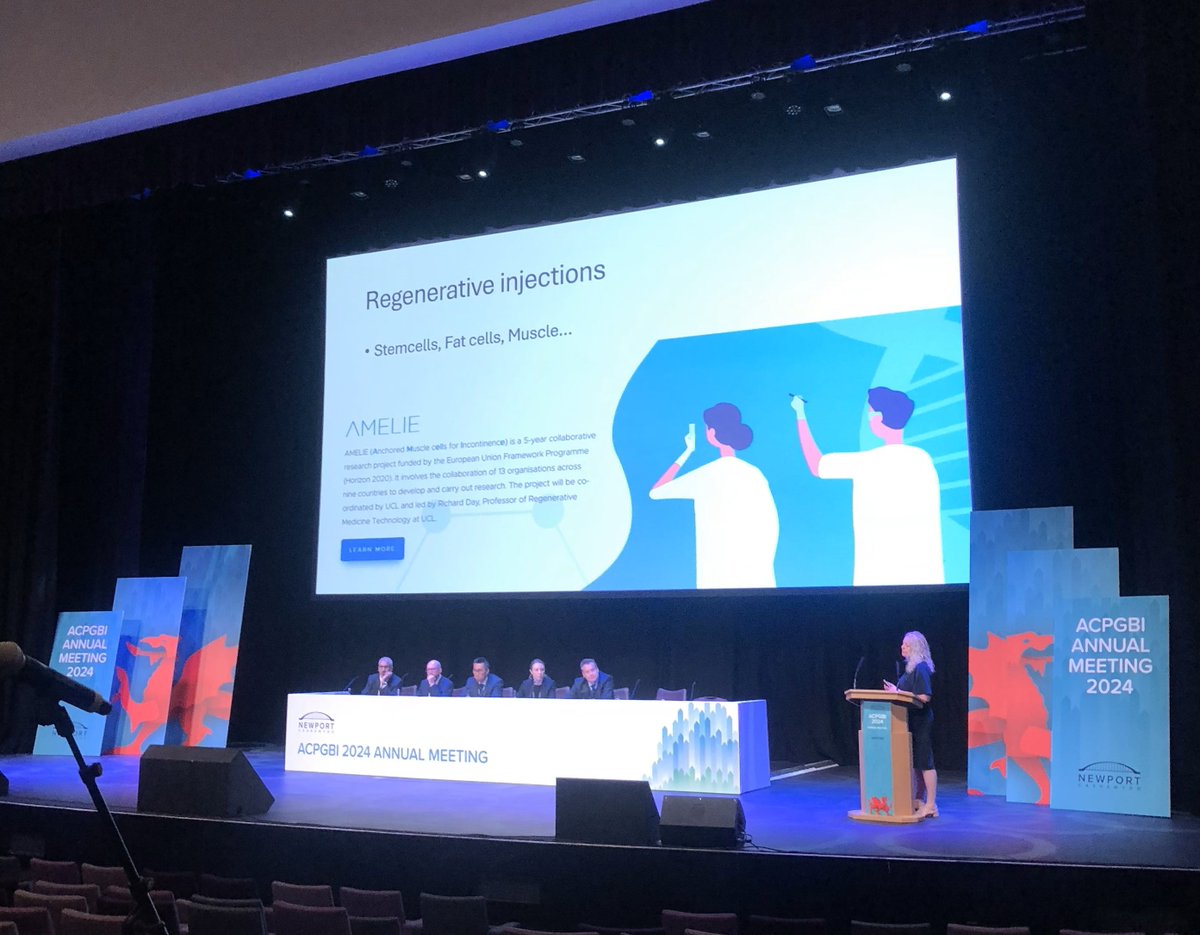
Great to see @jules_cornish spreading the word at #ACPGBI2024 about the @CV_UHB involvement in the AMELIE Project as the newest trial site. Patients with #faecalincontinence deserve improved treatment options to tackle this devastating condition