Some of the compliance failures are:
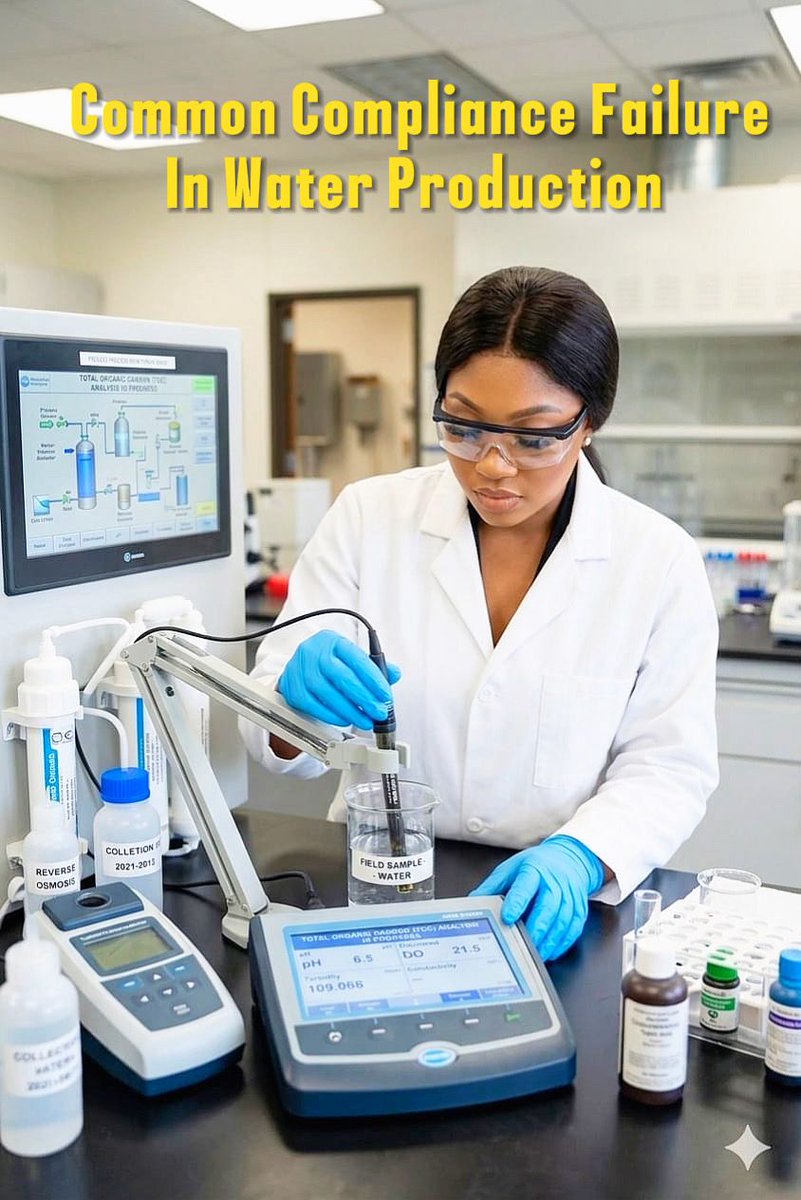
🔸 Inadequate testing of water sample
🔸Poor disinfection method
🔸Poor equipment maintenance
All of this can result to ineffective removal of contaminants in water.
#water#cleanwater#publichealth
Water compliance standards are scientific limits and guidelines set for physical, chemical, and biological parameters in water.
Without standards, there would be no clear way to judge whether water is truly safe or unsafe.
#WaterQuality#Water#PublicHealth#CleanWater
What You Can’t See Can Harm You
The real danger in drinking water is biological.
Biological contaminants are microorganisms that can enter water and cause disease. These include:
Once consumed, these pathogens can cause illnesses such as diarrhea, cholera, and typhoid
#Water
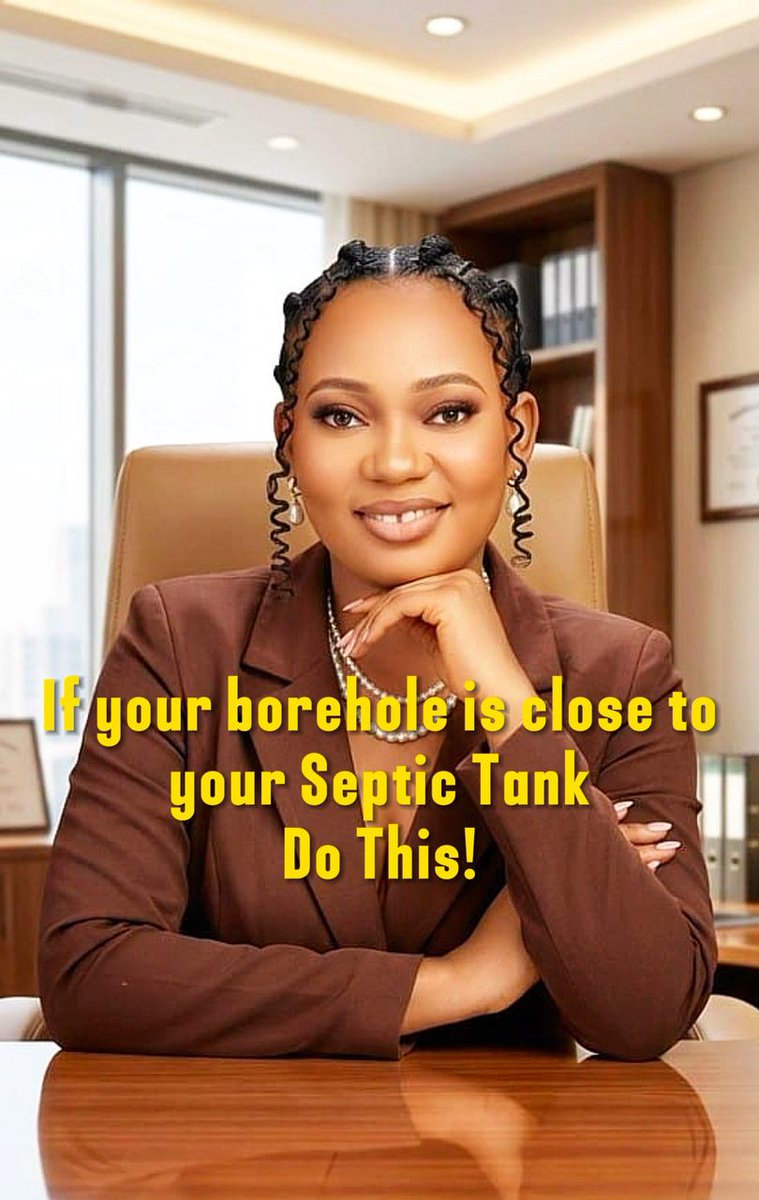
Do This 👇
🔸Conduct a comprehensive water quality assessment
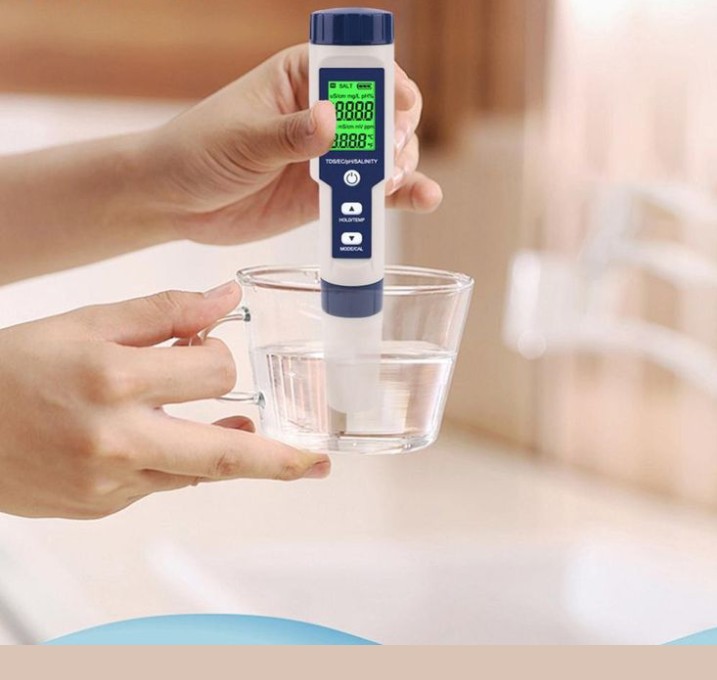
🔸 Test for nitrates, microbial contamination, pH, and Total Dissolved Solids (TDS)
🔸 Regularly monitor the water quality
🔸Install appropriate water treatment if contamination is detected.
#WaterQuality#water
Parameters Your Eyes and Nose Can Tell You are the physical parameters of water quality.
Physical parameters are the first indicator of water quality
Some of these parameters include;
🔸 Color
🔸 Turbidity (Cloudiness)
🔸 Odor
#WaterQuality#PublicHealth
Families will always say, our water is clear, so it must be safe.
Untill members of the household began experiencing frequent stomach discomfort, fatigue, and in some cases persistent gastrointestinal infections.
This is why water quality assessment matters.
#WaterQuality
Water contamination isn’t always visible. But sometimes, your water gives warning signs 👇
🔸 Unusual Color
🔸 Strange Taste
🔸 Bad Odor
🔸Cloudiness (High Turbidity)
🔸Finally is frequent Stomach Issues
#WaterQuality#AnalyticalChemistry#PublicHealth#CleanWater#Health
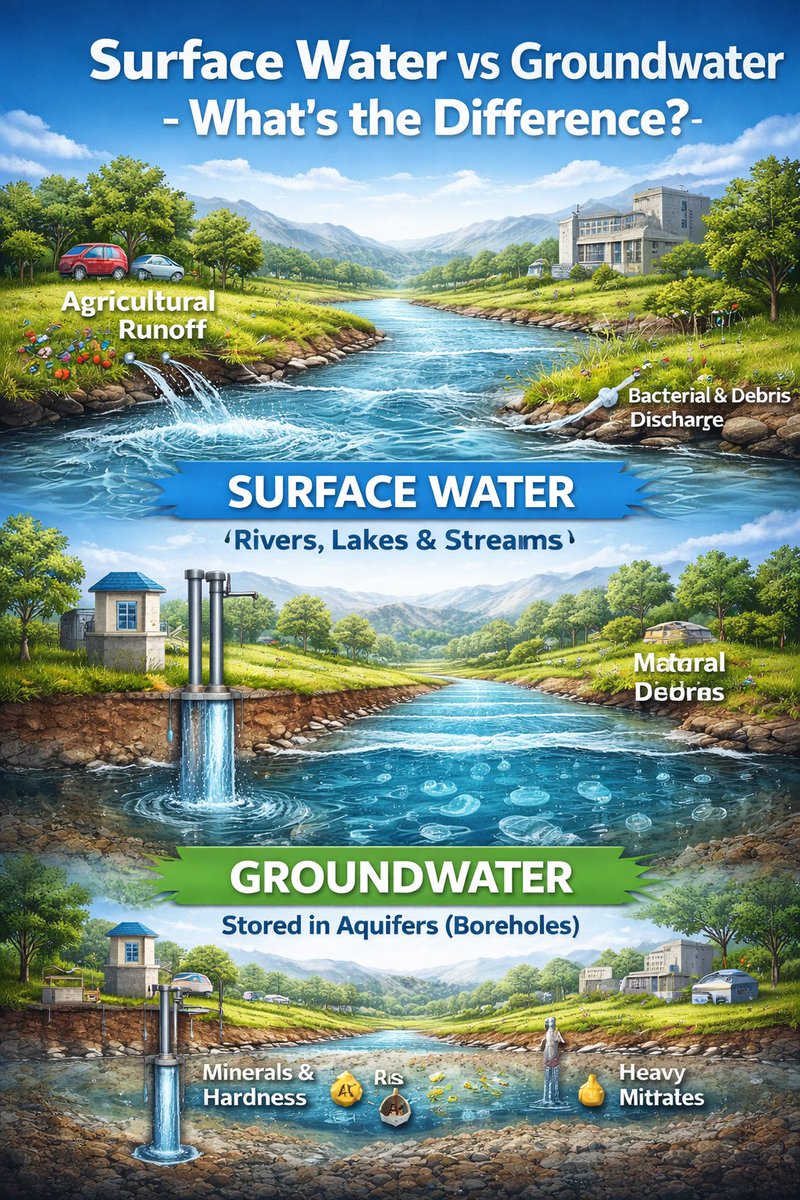
Different drinking water sources
1. Boreholes (Groundwater)
Clear borehole water does NOT automatically mean safe water.
2. Surface Water (Rivers & Streams)
3. Sachet & Bottled Water.
4. Municipal Tap Water
#WaterQuality#PublicHealth#AnalyticalChemistry
Water quality assessment is simply the process of testing water to determine if it is safe for use, especially for drinking.
In chemistry, we don’t assume water is safe just because it looks clear.
#WaterQuality#AnalyticalChemistry#PublicHealth#CleanWater