The U.S. Forest Service recognizes timber harvest as an important tool for improving forest health, reducing wildfire risks and supporting rural economies.
https://t.co/1gHXdGn7BN
Does leaving forests alone store the most carbon?
New research in National Science Review finds that harvesting western conifer forests as their growth slows can increase both carbon storage and timber production.
https://t.co/C08DUnfXaQ
#ForestManagement
Seattle Times raises concerns about declining DNR timber revenues and the consequences for schools, counties and other trust beneficiaries. Washington's public working forests must continue supporting these communities through sustainable timber harvest.
https://t.co/qMzcVjRQ5c
AFRC President Travis Joseph urges Congress to advance bipartisan forest management reforms that reduce regulatory delays, expand active management and support rural communities.
Read more: https://t.co/ygg9Huar6b
This Veterans Day, we honor all who served, including the many veterans working in the timber industry. Thank you for your service and sacrifice.
AFRC's offices are closed Wednesday, November 11, in observance of Veterans Day.
What's next for federal forest management after the midterms? AFRC's November newsletter covers bipartisan reforms, post-fire recovery, forestry litigation, timber harvesting and carbon sequestration, and Washington state trust lands.
Read more: https://t.co/dvRDTYqQwd
New AFRC Podcast! Jacque Buchanan joins us to discuss the Forest Service's record timber sales in FY 2026, post-fire recovery, industry partnerships, and priorities for 2027.
Listen on Spotify, Apple Podcasts, or the web:
https://t.co/HxFlHak5Zh
Unmanaged #forests can become major sources of carbon emissions from wildfire, insects, and disease. Sustainable forest management helps reduce these risks, keeps forests growing and absorbing carbon, and produces renewable #wood products that store carbon for decades.
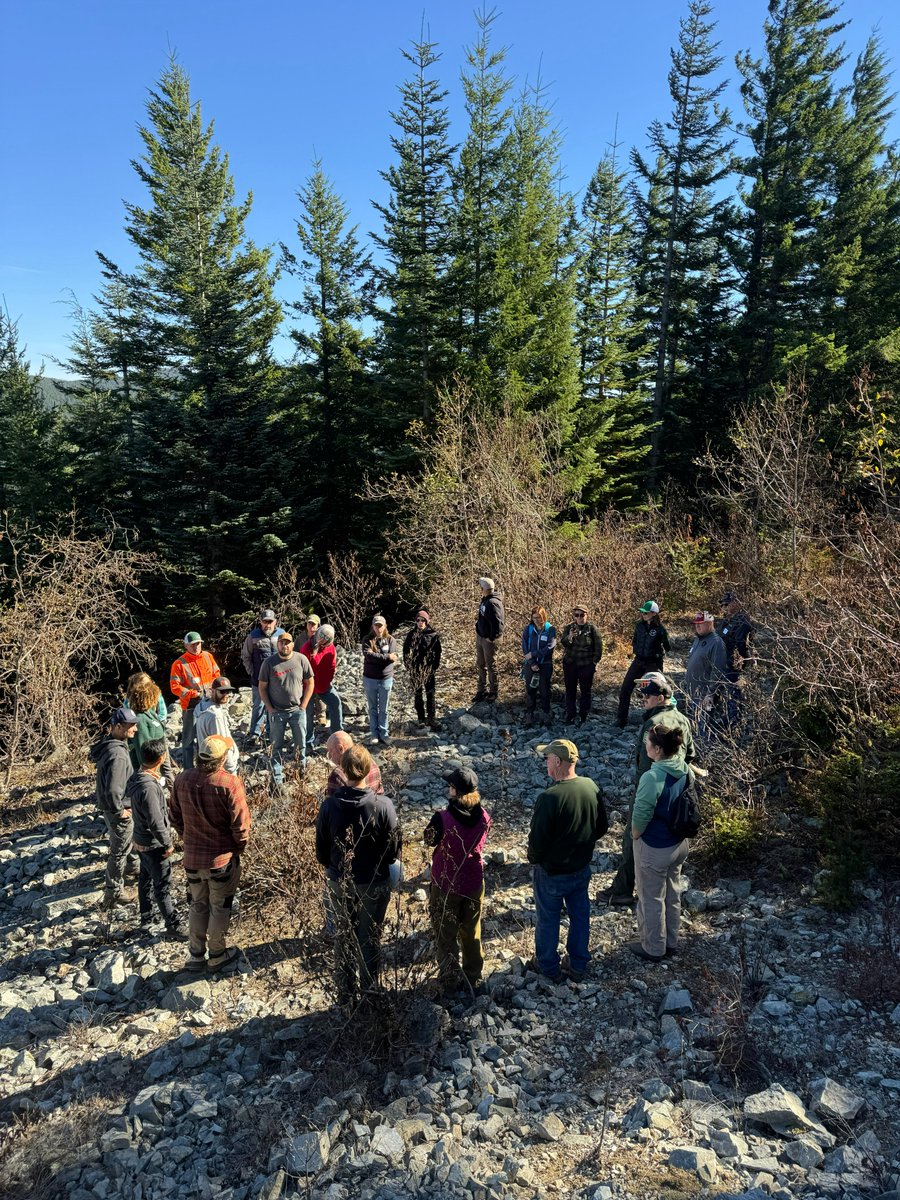
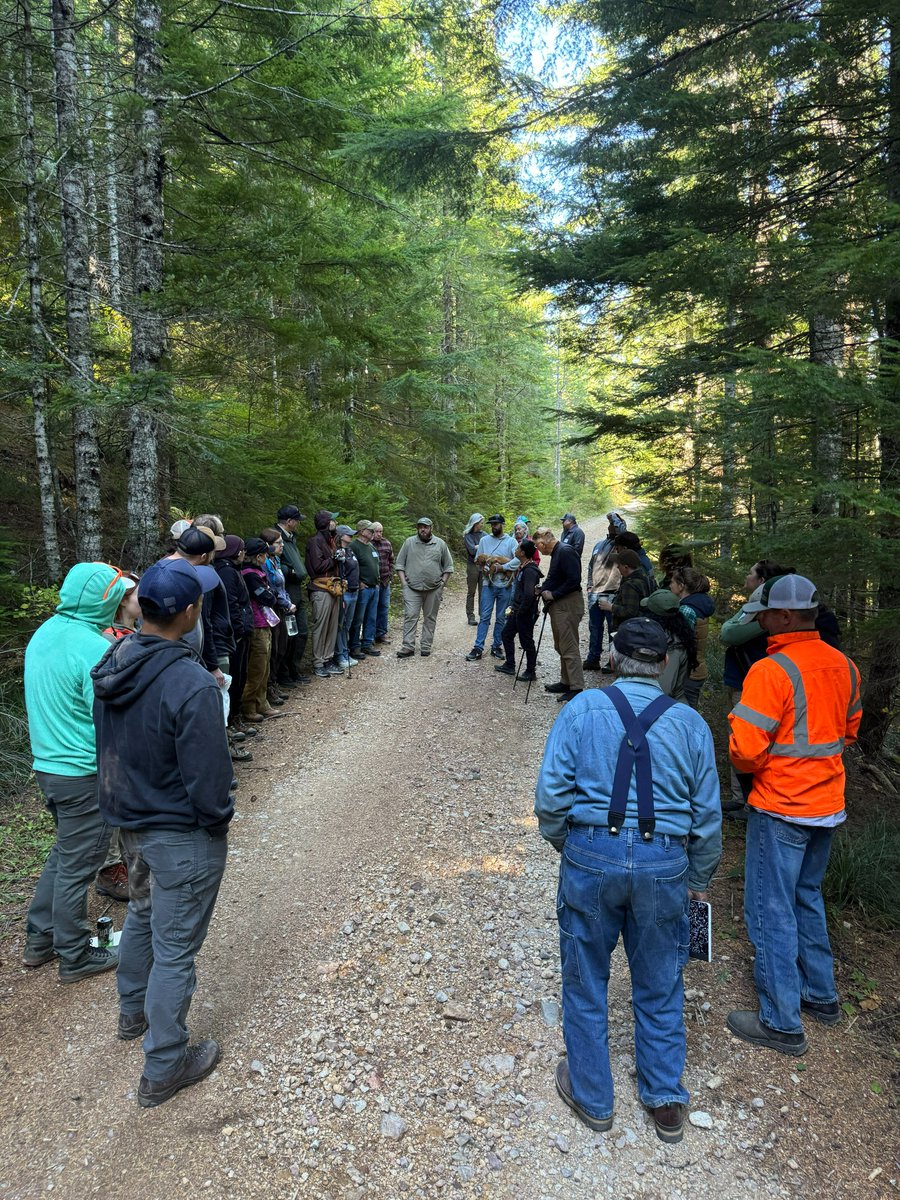
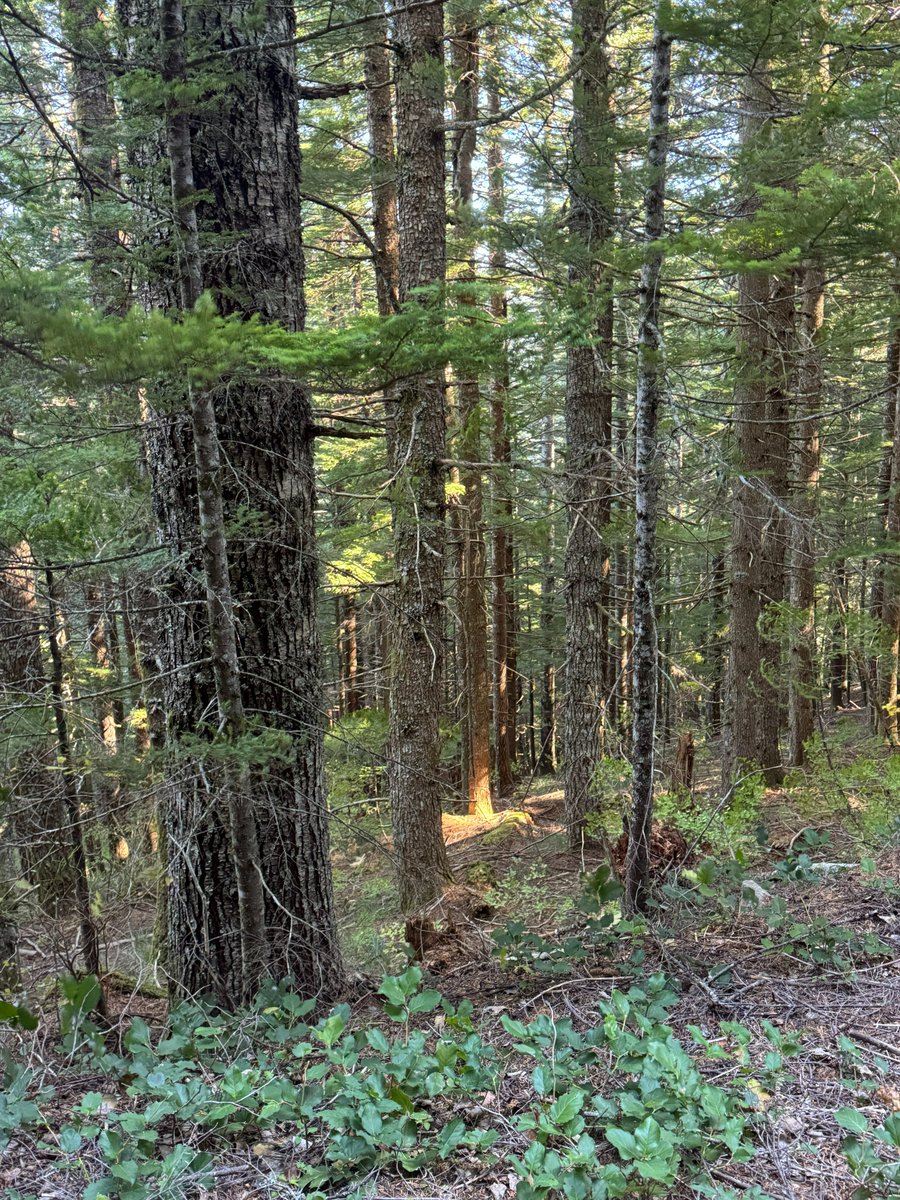
AFRC’s Matt Comisky joined the Pinchot Partners and South Gifford Pinchot Collaborative for a field tour of Washington’s Gifford Pinchot National Forest.
These partnerships bring diverse stakeholders together to advance forest restoration and improve forest management.
Predictable timber revenue helps communities plan ahead.
AFRC’s Matt Comisky explains how Washington’s state trust lands help fund school facilities, library technology and emergency equipment through consistent timber harvests.
Learn more at https://t.co/jzj80c3hac
Strong partnerships improve forest management. Last week’s FTPC meeting included a field tour of the Black Hills National Forest and discussions on strengthening federal timber programs, improving forest health, and reducing wildfire risk.
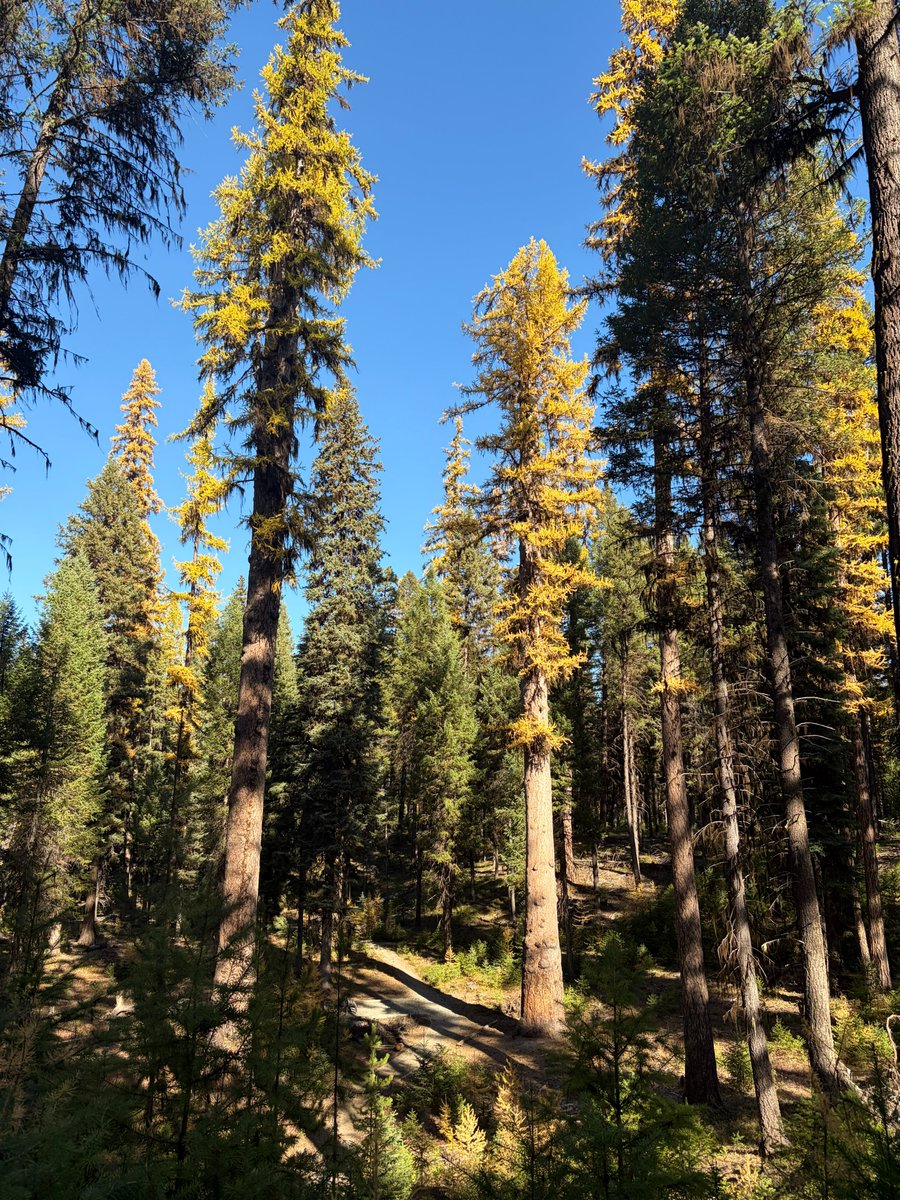
AFRC's Tom Partin photographed two 900-year-old western larch trees on the Colville National Forest. The upcoming 30,000-acre Buckhorn Project will thin surrounding forests to reduce wildfire risk and help protect these ancient trees for future generations.
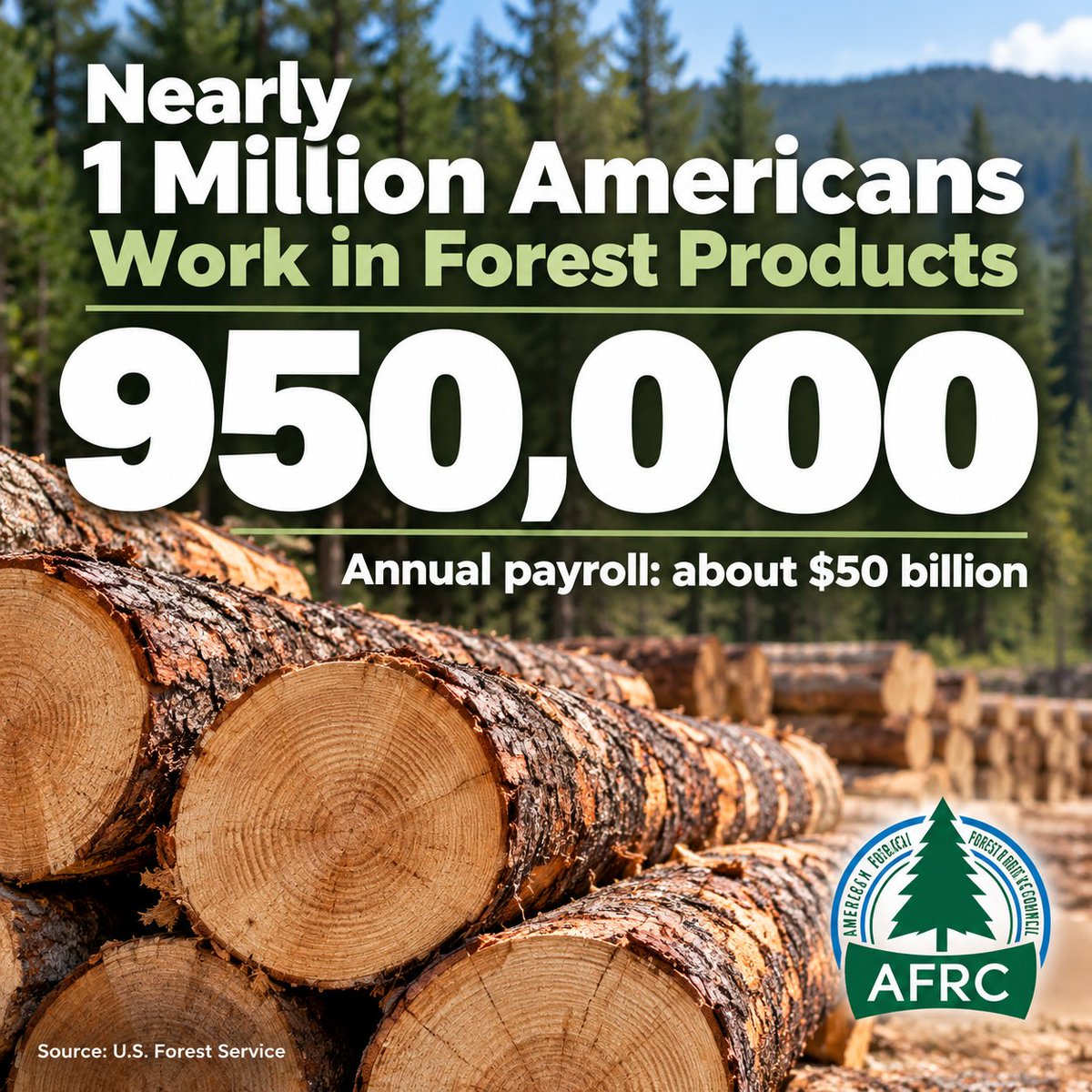
The forest products industry supports family wage jobs across America, from the woods to the mills.
This National Forest Products Week, we celebrate the hardworking Americans who strengthen rural economies and help keep forests as forests.
Did you know the forest products industry ranks among the top 10 manufacturing employers in 45 states?
This National Forest Products Week, we celebrate the people who provide sustainable wood products, support rural jobs, and help keep forests as forests.
It's National Forest Products Week! From lumber to paper and packaging, sustainable wood products are part of everyday life.
We celebrate the hardworking people who make these products possible, support rural communities, and help keep forests as forests for future generations.
Timber revenue from Washington’s state trust lands funds schools, hospitals, roads and other services while supporting family wage jobs. Without it, communities face budget cuts or higher taxes.
Working forests support thriving communities.
Learn more at https://t.co/jzj80c3hac
After 30 years of Northern Spotted Owl policy, the owl still declines, rural communities have paid a steep price, and forests face severe wildfire. What have we learned? AFRC President Travis Joseph weighs in: https://t.co/atEpjTF6pU
The October AFRC Newsletter is here! Read about 30 years of Spotted Owl policy, federal timber sales reaching a 29-year high, permitting reform, BLM litigation, post-fire recovery, Washington DNR’s fiscal challenges and more.
Download: https://t.co/pfhrcZQ3Pb