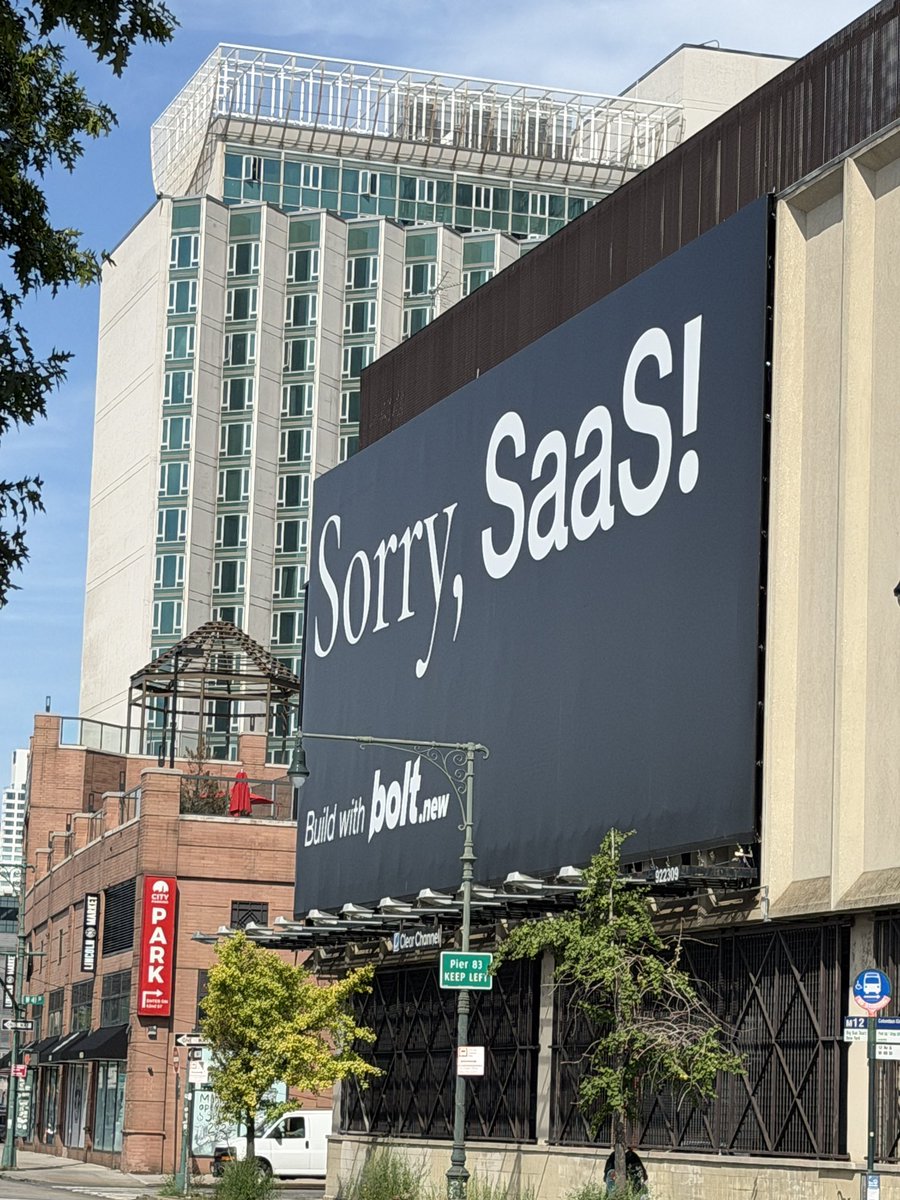
cool product, but wouldn’t feel sorry so fast
people are lazy. people are greedy with their time. and most importantly people are averse to the new (outside the sf/ny early adopter bubble)
as long as the tool cost is lower than the mental and financial burden of building, even if we take out the technical complexity, SaaS will still be the go-to choice
6 million new U.S. businesses launched last year.
Today, we're launching Rho Incorporation to 10x that number.
In as little as ten minutes, you can incorporate your business and open a @rhobusiness account in the same tab, so you don't get caught like Erik did with the Sharks.
Congrats to the product squad for getting this in front of customers quickly, and to our amazing partners at @SoxtonAI.
C-corps available now. LLC support shipping in a few weeks.
Try Rho Incorporation out today - we'd love your feedback.
AI psychosis is real. We found the cure.
Introducing the Rho API. Your live financial data, anywhere MCP works. Claude native support is live today, with more platforms coming soon.
Connect once and ask what you spent, which vendors you paid, what came in this week. Real numbers from your real accounts. No exports, no hallucinations.
Available now for all Rho customers.
Dr. Remi has the full diagnosis.
Think you might be infected? Get your diagnosis at https://t.co/9ItYzpMU1y
founder-culture went from anti-conformity to its own conformity bubble.
it’s especially obvious in sf. but honestly all startup-activated spots are guilty of creating a culture that is pressuring young people to conform to expectations of the startup/vc world.
dropout, don’t sleep, energy drinks, move to sf, raise as much as you can, ai for everything, _aaS, network constantly, same political views, hoodie and sweats, forget about family, name chasing, now or never.
-> black sheep herd
young and impressionable engineering students are attracted to the startup space and i think often misled by the supposed glory
all they wanted to do was prove themselves / have a good career / finally make their parents proud. but the sf competition and other unfortunate practices in the sf bubble are lead to more credential chasing, capital chasing, and a surprising uniformity
many of the sf bubble activities i also fell into as a 20 year old on leave from university. taking vc funding early on, immersing myself in the sf community, working 997 and trying to find a place for myself.
but please, if you are young and ambitious in the startup space, stay grounded, don't take bad deals, work hard, and stay a person beyond an empty tech bro.
The next Camp application is now open, and the theme is The New Agentic Economy
Abundant intelligence will result in radical changes to both companies and our economy - we want to see how you are building for this future!
Read more about the theme here:
https://t.co/kFP2fFNuNO
$550M+ raised by alumni of one accelerator most people in tech haven't heard of.
activator 2027. free, equity-free, 6 months, built for academic founders in life sciences. 180 teams selected from 800+ last cycle.
rolling admissions through october 5th.
@NucleateHQ
an event is just a vessel.
for builders, the destination is access to other builders. not insights from panels or keynotes. so the best vessel is a room where everyone is making something real.
this can be applied to any event. before you plan the format, define what you actually want. brand, friends, going wide, going deep, etc? completely different rooms.
intention -> format (not the other way around)
every founder community dies the same way. burst of energy, 50 people join, silence by week three.
the ones that last have standards, not status. small room where everyone is building, and no one is coasting.
same with teams. seen it come alive at @rhobusiness. no one person carrying the team. interns aren't the only ones staying late. everyone shows up and owns outcomes.
the instinct is always to grow. but the best teams got better by staying small and raising the bar first.
Introducing Waddle Labs: Claude Code for robots.
Connect our API to your robot and enter a prompt, then our agents write code to achieve the task in 20 minutes.
@yiding_song@theWaddleLabs
Raising in the US as an immigrant founder?
The visa is often the hardest part, and most funds don’t want to touch it.
These 6 do:
1. @UnshackledVC: Unshackled. The only fund that files your visa itself. In-house immigration team, 300+ filings, 100% success rate, at no cost to you. Writes $300-750K first checks, sometimes before the founder even has work authorization.
2. @onewayvc: One Way Ventures. Only invests where at least one founder is an immigrant. No in-house lawyers, but a decade of walking founders through the system. Early into Brex. $250-500K at pre-seed.
3. @mahaniok: Geek Ventures. Ihar built the fund specifically for immigrant founders after immigrating from Belarus and angel-checking Instacart and Airbyte. $100K first checks from idea stage.
4. @UpWestVC: UpWest. Funds Israeli founders and lands them in the US market, Silicon Valley base included. Backed SentinelOne at seed.
5. @MapleBridgeVC: Maple Bridge. Canada's first institutional fund built for immigrant founders. If the US won't have you, Canada's startup visa will.
6. @AntlerGlobal: Antler. Residencies in 30+ cities, so you get funded wherever you're already legal. No US presence required, $250-500K at day zero. They don't fix the visa, they make it unnecessary.
One more thing: YC acceptance is gold in an O-1 application, but YC won't file it for you. Plan accordingly.
Save this and send it to the friend on a visa clock.
don’t let your first interaction w/ a client be ai.
just received an ai-generated voice message after following a page - such a huge turnoff.
trust is built by humans, not automated messages.
the harvard/MIT founder scene is insane right now.
still, it's so underground and scattered.
people are building alone in their rooms, without a ctrl hub or a network to rely on/build with, and then they raise and just disappear from campus.
most student founders can talk about their idea for months and never ship a single thing.
the blocker is rarely skill. campus pitch competitions, advisor office hours, and "validating the market" all feel like building. they are planning.
planning is comfortable. shipping is terrifying because shipping means someone can actually use it, judge it, break it.
most campus ecosystems reward the pitch. almost none reward the push to prod.
Every company has an 'About Us' page, nobody actually introduces you.
What We're Building: authentic conversations with the people at Rho. Today, let's meet Erik Zeug.