Ammar Hamid, an avid chronicler from #Kolkata, uncovers the city's hidden heritage, sharing forgotten #DawoodiBohra stories and rare artefacts that connect past and present.
Ammar talks about this deep interest, why he does it and what he learned from it.
https://t.co/OdNwQqAUrb
@Revv_India@amitjain
Car doesn’t start—fine,
Car randomly swapped—cool,
3 hrs late—ok,
Defective car not picked for 12 hrs—whatever!
BUT UNAPOLOGETICALLY CHARGING ₹10K FOR A TRIP I NEVER TOOK?
This is daylight robbery.
@amitjain
please iss CAR ko bhi DEKHO! @CarDekho
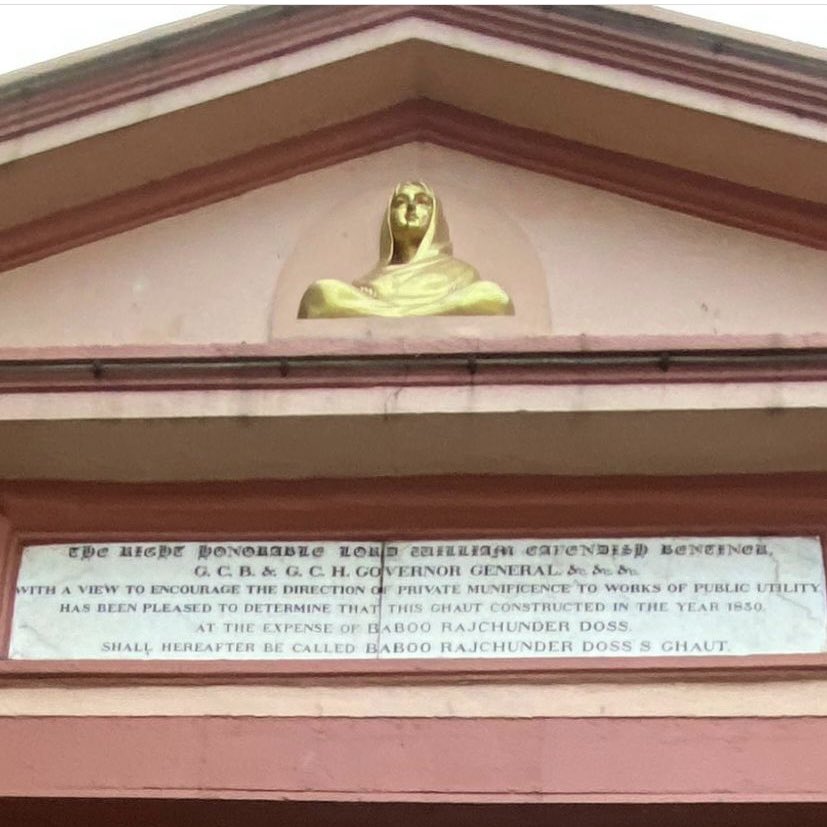
The matriarch Rani Rashmoni built the Babu Ghat in 1830 in memory of her late husband, supported by Governor General William Cavendish Bentinck encouraging private munificence for public service.
Today among the oldest ghats of Calcutta.
More: https://t.co/oTWWYAW2Jq
The Greek Demetrius Panioty came to Calcutta in 1849 as a writer for the Bengal Secretariat, and later became the Assistant Private Secretary to Lord Ripon.
Lord Curzon ordered the construction of this water fountain, in his memory.
More #heritage on https://t.co/oTWWYAW2Jq
When the British folk thought it beneath them to mingle with Hindustani commoners in #Calcutta, the Municipal Corporation built the Victorian-Gothic styled market in 1871 and later named it after Commissioner Sir Stuart Hogg.
More on Instagram: https://t.co/oTWWYAW2Jq
#heritage
People inspire. Institutions mould.
The Saifee Masjid in Kolkata has been the pillar of the Dawoodi Bohra community for 100 years.
Contributed to writing Saifee Masjid Kolkata: A Hundred Years
https://t.co/pTeYDAjAok via @Dawoodi_Bohras
For 30 years @DOBnAssociates have been making young people ‘Know And Grow’ with ‘success skills’ programs & quizzes. No better time for some public service.
👇Presenting a list of resources to help fight #COVID19 in Bengal. Hope you find this useful.
https://t.co/GEALpAI8mC
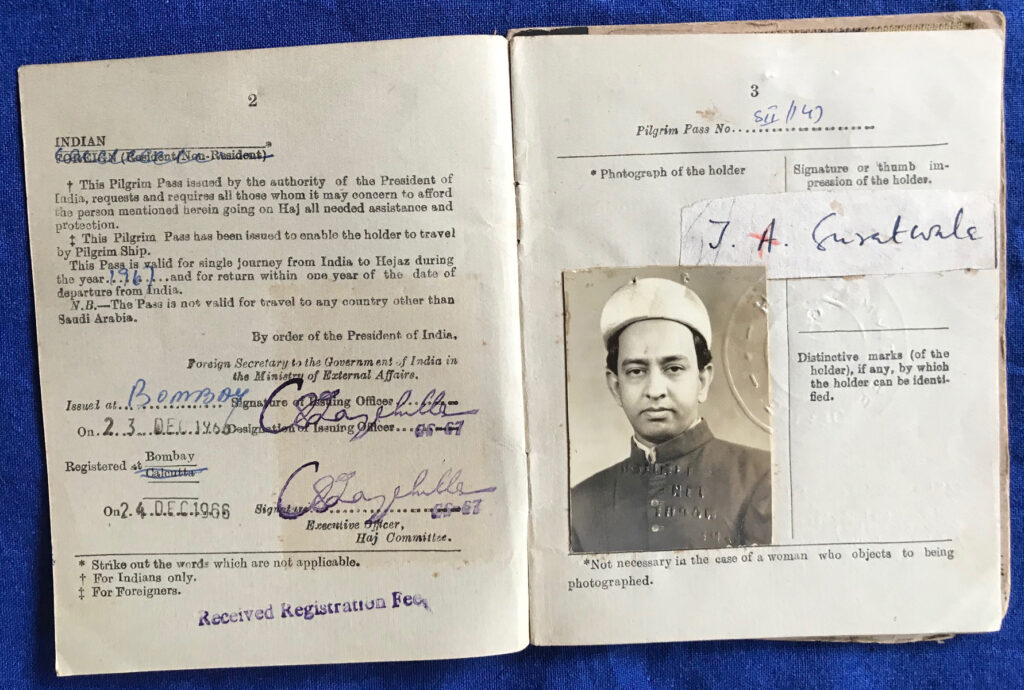
About his grandfather's photograph on the pass, Ammar writes that "what is today a clinical job of a second, was something that Nanaji had prepared for carefully. He had meticulously dressed for the occasion, resplendent in a shining sherwani and feta."
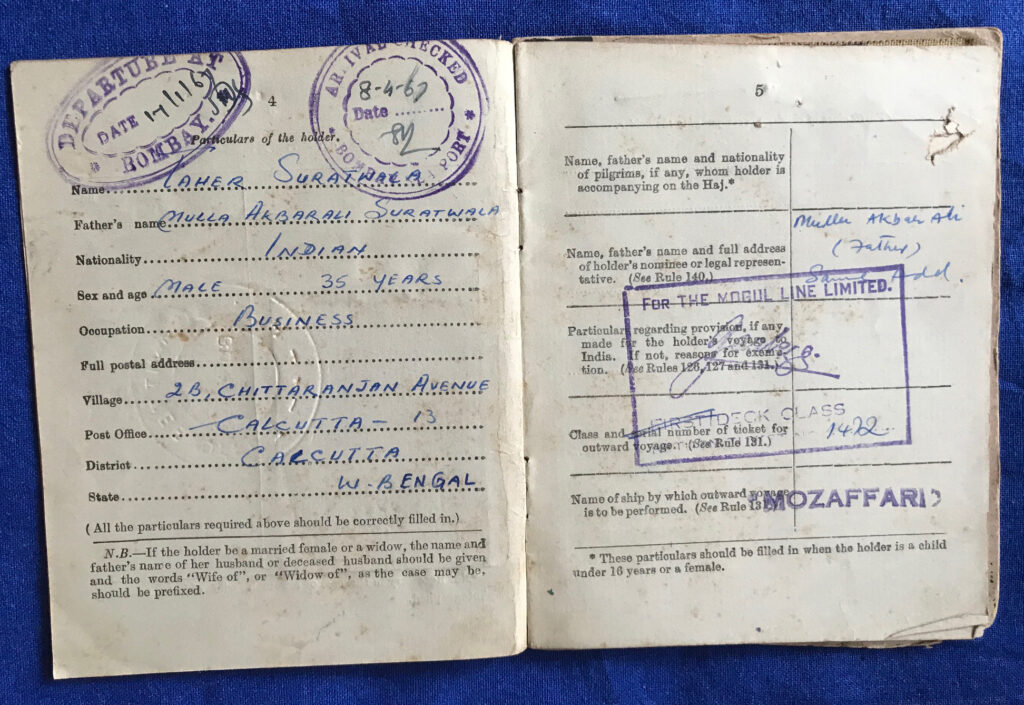
The Pilgrim Pass was issued at Bombay on 23 December 1966. The Departure and Arrival stamps from Bombay to Jeddah read ‘17 January 1967’ and ‘8 April 1967’ respectively. Also, instructions to pilgrims were published in three languages, English, Urdu and Bengali.
The document was ‘Printed by the Government of India Press, Calcutta, India, 1966’. This was the ancient version of the modern e-Visa. As per the document, Ammar's grandparents had undertaken their Haj pilgrimage to Mecca in 1967; this photo was taken just before their departure.
Upon inspecting the document, Ammar notes, "My grandfather took the trip at the young age of 35. ‘Pilgrim Pass for Pilgrims Proceeding to the Hejaz from Ports in the States of India’ read the cover, with his name at the bottom, Taher Suratwala, Son of Mulla Akbar Ali Suratwala."
Ammar writes, "Among the age old sheaves in the packet was a yellow book the size of a passport. Though the pages had aged, I could see that its spirit was intact. It was Nanaji’s rite of passage to Haj, which every pious Muslim craves to achieve in their lifetime."
In this weeks story for the #MuseumofMaterialMemory, @ammar_hamid writes about chancing upon his grandfather, Taher Suratwala’s Haj Pilgrim Pass from 1966. A fitting piece to celebrate Eid Al Adha, which coincides with the end of Haj today. https://t.co/HEQ3xWt5Xc
Here is the full piece on Taher Suratwala’s Haj Pilgrim Pass from 1966 written by his grandson, @ammar_hamid for the Museum of Material Memory https://t.co/HEQ3xWt5Xc