I genuinely don’t understand how any reasonable person can interpret the failure of the U.S. and Iran to reach a deal in Islamabad as a failure of Pakistani diplomacy.
Consider what Pakistan achieved: 1. It got U.S. and Iranian negotiators in the same room at the highest level in 47 years. 2. It received public appreciation for its role from both warring parties. 3. It maintained the trust and tacit support of China and Saudi Arabia, important players in this drama. 4. It earned the goodwill of scores of nations that would like this conflict to end sooner rather than later.
Is Pakistan worse off than it would have been if the U.S. and Iran had thrashed out an agreement? Yes, obviously. The Pakistani economy is fragile and particularly dependent on both energy imports and remittances from the Gulf. And if Saudi Arabia is drawn into the war Pakistan could be forced to honor its defense pact with the Kingdom, which could trigger widespread domestic unrest.
But accepting that a deal is better than no deal for Pakistan (and many other countries) is not the same as claiming that the summit was a failure from Pakistan’s perspective. It most clearly was not. Pakistan has emerged, at least for now, as a prominent diplomatic actor on the world stage, and as the recipient of much international goodwill. I’m not sure how anyone can claim otherwise.
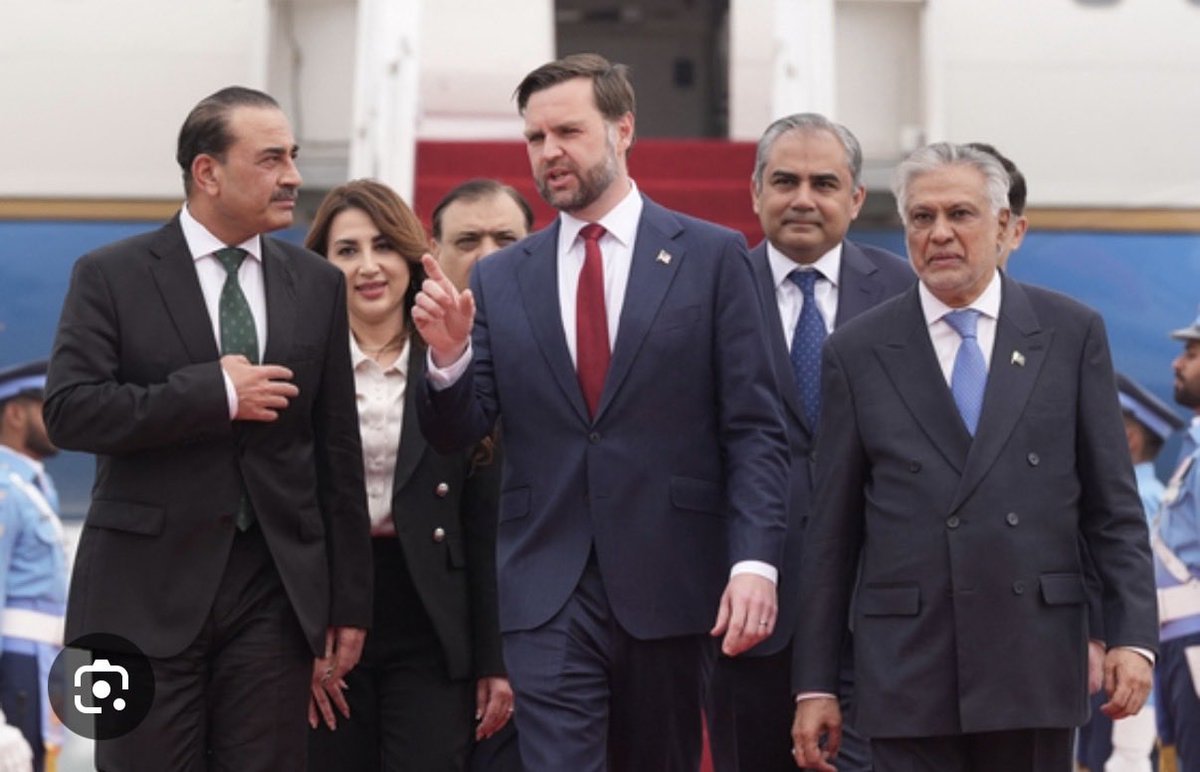
Marathon talks between senior officials from the U.S. + Iran in Pakistan stretched into the early hours Sunday, a historic encounter between decades-old adversaries as they sought to broker peace after more than a month of war.
Follow along in Islamabad:
https://t.co/PMb13QHzSd
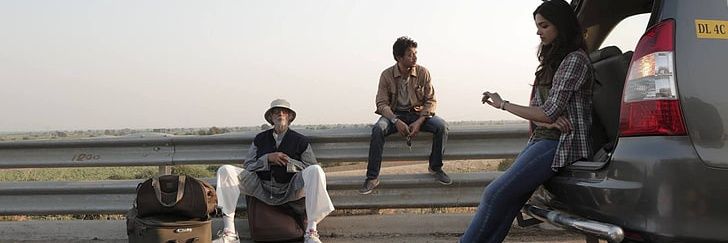
I have a favourite Aamir Khan story that should have absolutely been the crown jewel of my Bollywood book, if I ever get around to writing one. And given that I spent 12 years in the trenches as a Hindi film journalist and critic for The Telegraph, believe me, I have quite a few stories.
But this one. This one is different.
Dhobi Ghat had just released. I reviewed it for t2, the entertainment supplement of The Telegraph. I wrote that while Monica Dogra, Prateik Babbar, and Kriti Malhotra slipped into their characters like second skin — effortlessly, organically, exactly what Kiran Rao's debut needed — Aamir Khan stuck out like a sore thumb. He hadn't found the sur of the film. He was, in my honest critical opinion, miscast.
The review ran on Saturday.
Monday evening. Late. My phone buzzes with a text from an unknown number.
"Hi Pratim, when can I call? Aamir."
I went cold. I knew what film people do when you don't align with them creatively. They get vengeful. They get vindictive. They have long memories and longer grudges. And this wasn't just any film person. This was Aamir Khan. The perfectionist. The man who doesn't do anything without a reason.
With slightly unsteady fingers, I typed back: "Hi Aamir, we can speak now."
He called immediately.
In that inimitable style of his — measured, unhurried, punctuated with those trademark pauses that make you hang on every single word — he said he had read my review.
I braced myself.
He said he completely agreed with me.
I'm sorry — what?
Aamir Khan had called me, a film critic, to say I was right about his performance being off. I couldn't process it. Here was one of the biggest stars in Indian cinema, a man with nothing to prove to anyone, voluntarily picking up the phone to validate a critic's assessment of his own shortcomings. The silence on my end must have been deafening.
And then he said it. The line I will never forget: "I was the worst of the four."
He ended the call with four words that have stayed with me ever since: "Keep writing what you feel."
Years later, when I heard that he had auditioned for Kiran Rao's second film — Lapataa Ladies, which he was producing — and that she had ultimately gone with Ravi Kishen for the role instead, something clicked into place quietly inside me.
No ego. No entitlement. Just a man who understood his own limitations well enough to let go.
Nothing had changed. He was still that guy.
بند باہر سے مری ذات کا دَر ہے مجھ میں
میں نہیں خود میں، یہ اِک عام خبر ہے مجھ میں
اک عجب آمد و شُد ہے کہ نہ ماضی ہے نہ حال
جونؔ، برپا کئی نسلوں کا سفر ہے مجھ میں
ہے مری عمر جو حیران تماشائی ہے
اور اک لمحہ ہے جو زیر و زبر ہے مجھ میں
جون ایلیاء ♥️
آرام نیست در همه عالَم بهاِتِّفاق
ور هست در مُجاوَرَتِ یارِ مَحرَم است
سعدی شیرازی
اِس بات پر سب کا اِتِّفاق ہے کہ پُوری دُنیا میں کہِیں بھی آرام و راحَت مَوجُود نہیں ہے، اور اگر مَوجُود ہے تو صِرف ہمدِل و ہمراز مَحبُوب کے پہلُو میں ہے





![Al__Quraan's tweet photo. “Allah is truly with those who are patient”.
— Al Qur’aan [2:153] https://t.co/qZoVvzwVRO](https://pbs.twimg.com/media/HCyIoVbaUAMmMcg.jpg)


