Inflammatory myopathies are typically associated with a myositis-specific autoantibody that determines the diagnosis and prognosis. Myositis subgroups have distinct pathomechanisms that now allow for targeted therapies.
Learn more in the Review Article “Inflammatory Myopathies” by Yves Allenbach, MD, PhD, and Olivier Benveniste, MD, PhD: https://t.co/ZeCKdNe87v
For many years, India depended heavily on imported MRI machines — expensive systems that required liquid helium and consumed high amounts of power, placing them beyond the reach of numerous hospitals.
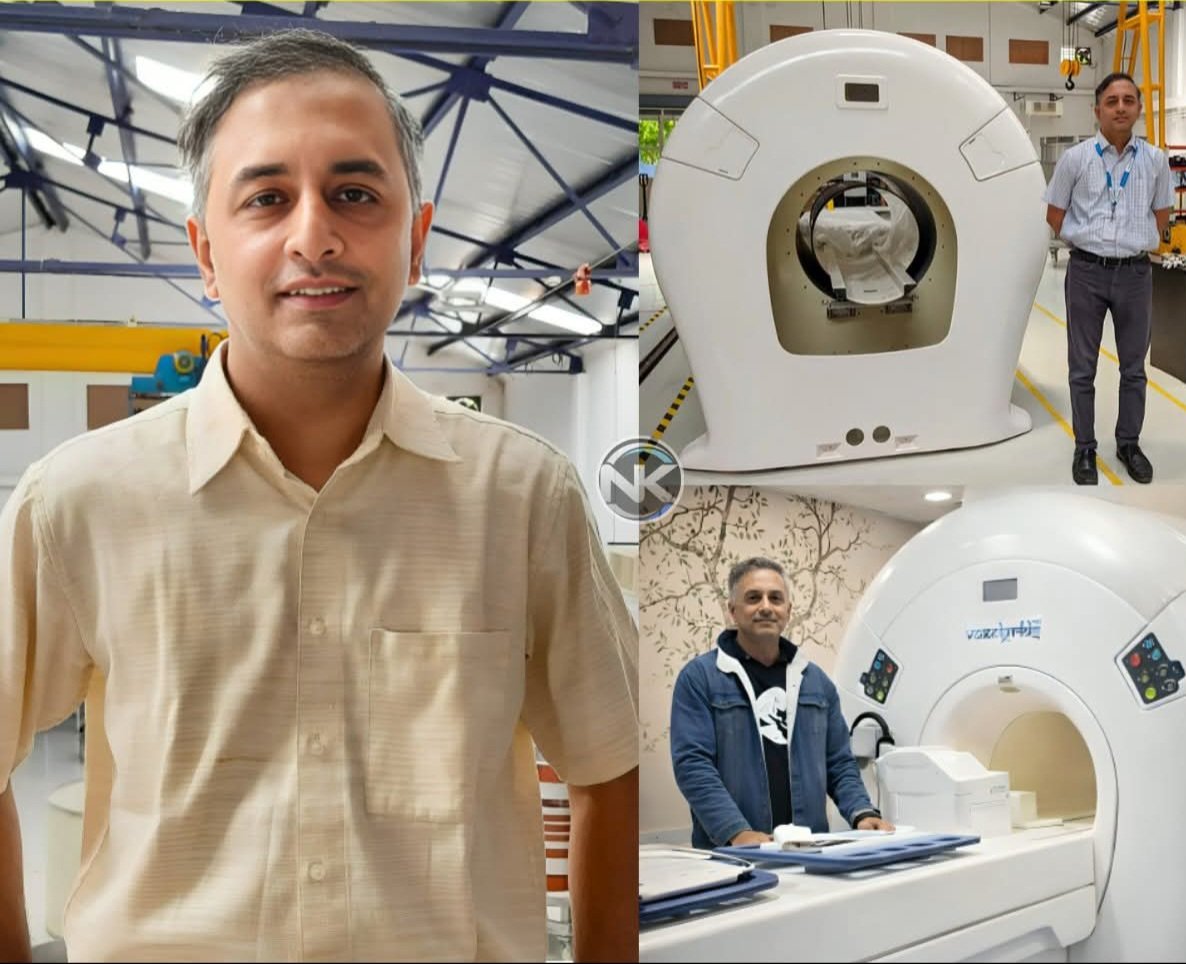
Now, Bengaluru-based startup VoxelGrids has introduced India’s first fully indigenous 1.5-tesla MRI scanner. The system is already functioning at a cancer care centre in Chandrapur, Maharashtra, marking a meaningful development in the country’s medical technology journey.
What makes this innovation stand out is not just that it is manufactured in India, but that it is engineered specifically for Indian conditions:
• No dependence on liquid helium
• Reduced power consumption
• Approximately 40% lower cost compared to imported alternatives
For hospitals operating under tight capital budgets, VoxelGrids also provides a pay-per-use model, helping extend advanced diagnostic imaging to underserved and remote areas.
Leading this breakthrough is founder Arjun Arunachalam, who returned from a research career in the United States with the goal of addressing a long-standing gap in India’s healthcare infrastructure. With support from institutions such as Tata Trusts, the team dedicated years to research, refinement, and development to build a solution suited to domestic needs.
This achievement represents more than just a new medical device. It reflects a broader transition — from reliance to self-reliance, from importing technology to innovating at home, and from limited access to wider inclusion in healthcare services.
#MakeInIndia
#HealthcareInnovation
#MedicalTechnology
#IndianStartup
#AffordableHealthcare
#Innovation
Tu Youyou discovered artemisinin, a drug that has significantly reduced the mortality rates for patients suffering from malaria at a time when efforts to eradicate the mosquito-borne disease had failed and the disease was on the rise.
Learn more: https://t.co/hIze1O5Fjz
#NobelPrize
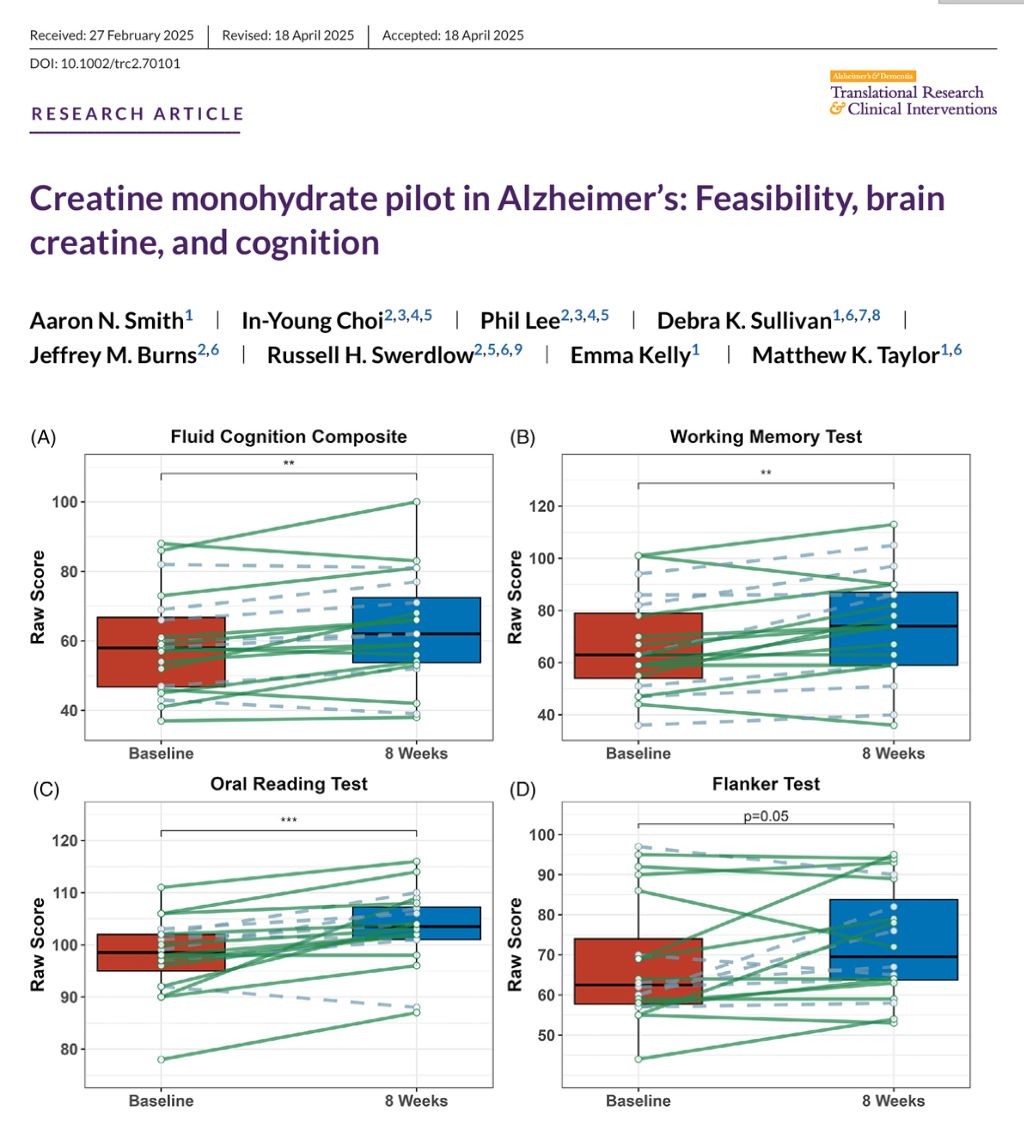
Scientists gave 20 Alzheimer's patients creatine monohydrate for 8 weeks.
This was the first clinical trial to test creatine in humans with Alzheimer's.
What happened to their memory and cognition was extraordinary.
Here's how remarkable creatine can be for your brain:
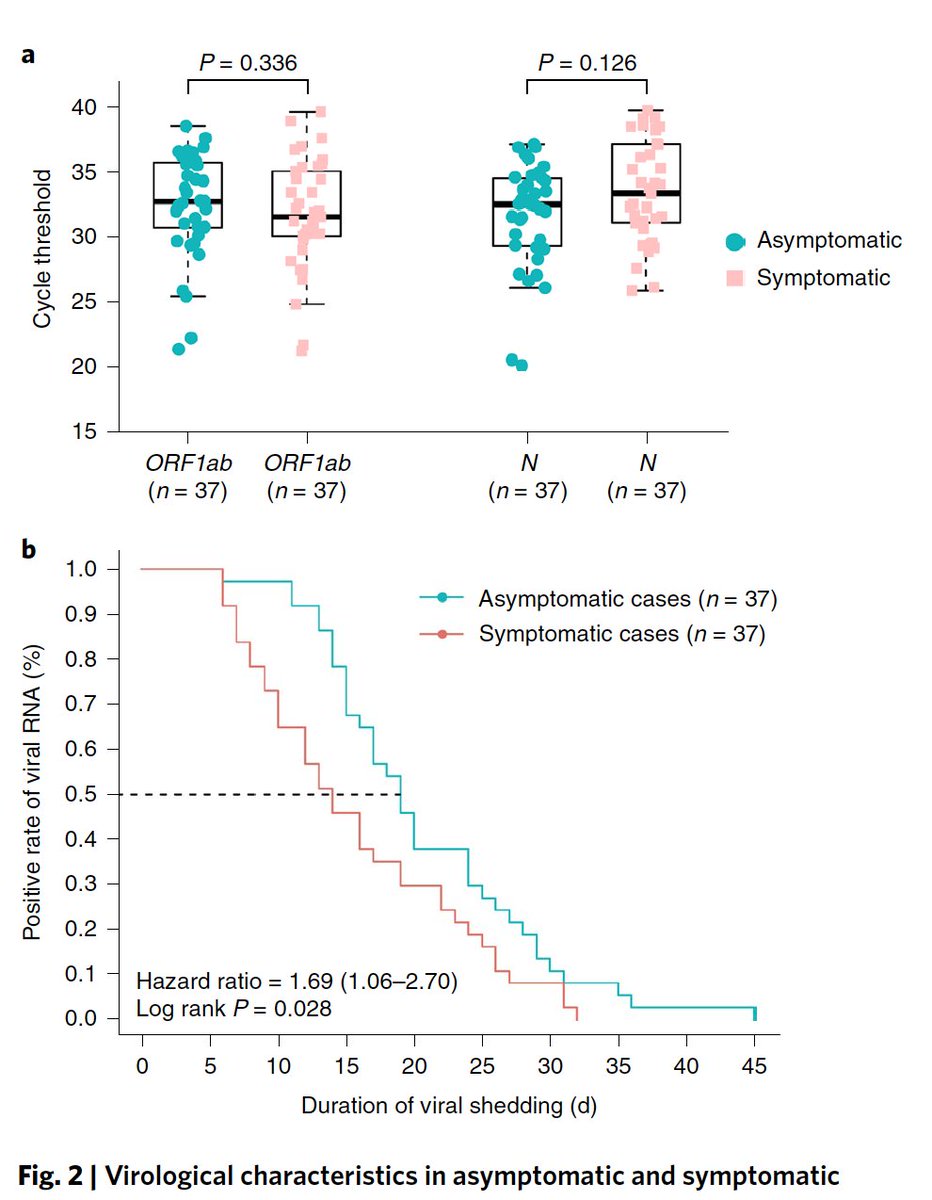
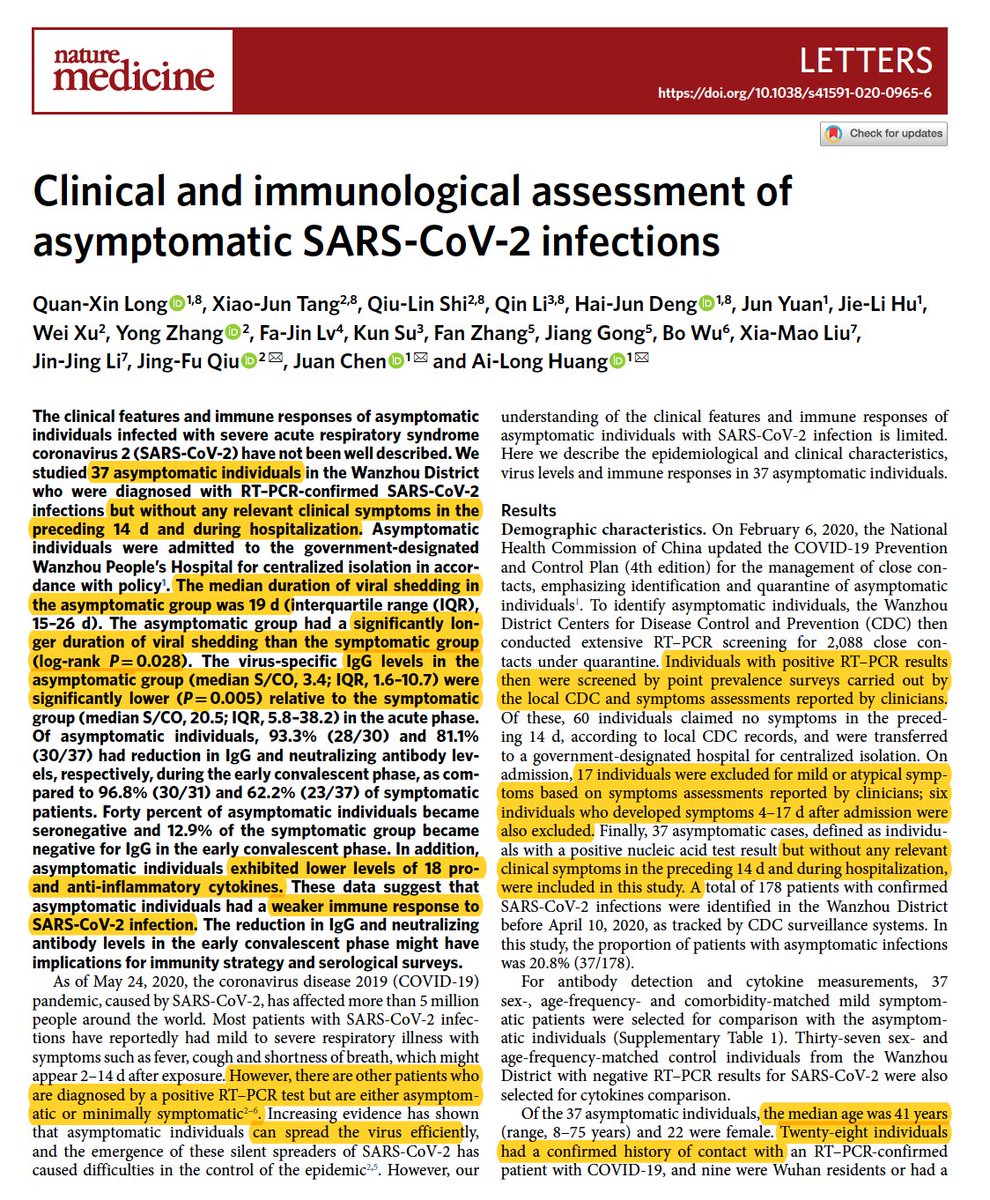
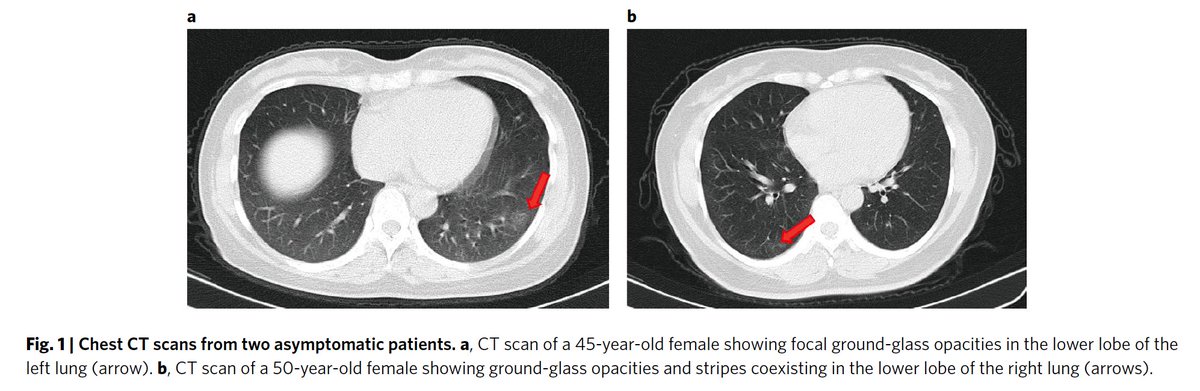
The first in-depth, dedicated, immunologic profile of people who had #COVID19 but never developed symptoms—the asymptomatics (N=37)
https://t.co/PmUSgdfj1j
@NatureMedicine
—less immunologic & inflammatory response
—prolonged viral shedding
—most (59%) w/ abnormal lung CT scans
The devastating #COVID19 destruction of lungs in a young woman in her 20s and the (1st) double lung transplant to save her life https://t.co/6C5wKXTAJr by @nytDeniseGrady
@TheLancet So this brings up bigger questions.
How many studies like this exist and haven't been caught?
What are the motives and who is responsible for a, likely intentional, misleading study?
Why wasn't it published without greater scrutiny?
Today, three of the authors have retracted "Hydroxychloroquine or chloroquine with or without a macrolide for treatment of COVID-19: a multinational registry analysis" Read the Retraction notice and statement from The Lancet https://t.co/pPNCJ3nO8n
If I had to pick a top #COVID19 vaccine candidate (other than our own), this one would be on the list: "Old school" inactivated virus vaccine, same proven technology as Salk polio vaccine, flu vaccine, Japanese encephalitis vaccine. https://t.co/6hGnnylVQd
No sign of any efficacy in this new @NEJM report of hydroxychloroquine for #COVID19, an observational study of 1,376 patients treated w/ propensity analysis https://t.co/J6bc1E6gzV by @joshgeleris and colleagues
The circle of life, publish or perish edition: Two journals retract more than 40 papers https://t.co/hMhnWNpDmB via @ivanoransky highlights very important issues faced in scientific field.
Social distancing is needed to keep us safe. So @LandingAI created this AI tool to help our customers in essential industries maintain #SocialDistancing in the workplace. We hope many people can benefit from these ideas. https://t.co/RukER1pNRw