@IhabFathiSulima higher risk of ascending bacteria infection from ulcers, pimples/acnes within this area, ending with meningitis, encephalitis.....one of the reasons or contributors will be the lack of valves over veins, hence ascending bacteria infection
@giarratanaangel @zitsempri lol....beats me. Frankly, any kind of r/s, I won't judge but cheating and infidelity are merely troubles we create for everyone and ourselves. Why Grey's love cheaters is more of my concern, lol!
@IhabFathiSulima HUS patients may get quite ill....the one I witnessed before is definitely lying on bed with tubes and not alert. So I'd put Rhabdomyolysis as the top ddx here
@GreysABC As a med student, I used2 luv Grey's. Learn'g Meds w interns in S1 is great. But then the show shifts from Med2 just drama. Now, I'd rather watch other Med dramas, like "The Pitt".
@DrRazi4@drharikrishrau@ainanabilaazhar @PMcardioBot I would say its Dangerous
1. Inf leads negative - could be mitral valve / ischemic PVC
2. No pause
3. PVC QRS > 150msec
Exercise might induce VT
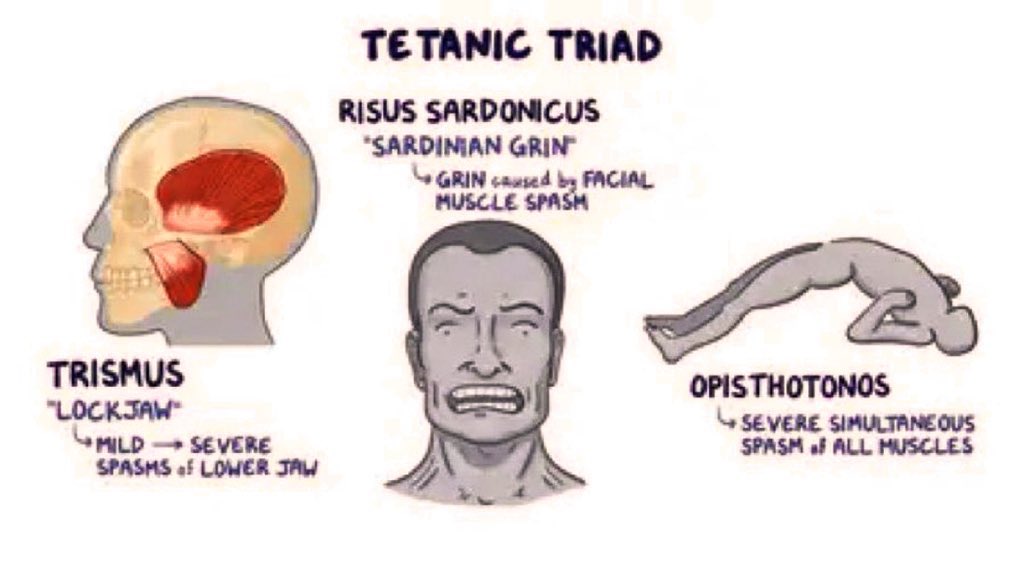
Opisthotonus Position - Tetanus
Tetanus is a bacterial infection caused by the bacterium Clostridium tetani.
The bacteria release a toxin called tetanospasmin, which affects the nervous system and leads to muscle stiffness and spasms.
Pathogenesis:
Tetanus occurs when the bacterium enters the body through a wound, such as a deep puncture wound or a contaminated injury.
The bacteria produce tetanospasmin, which binds to nerve endings and travels to the central nervous system.
It blocks the release of inhibitory neurotransmitters, leading to excessive muscle contractions and spasms.
Clinical Features:
- The opisthotonus position, where the patient's back is arched and the head is thrown back, is a classic sign of tetanus.
- Other symptoms may include muscle stiffness and spasms, particularly in the jaw (lockjaw), neck, and abdomen.
- Risus Sardonicus aka Sardinian Grin - caused by facial muscle spasm
- Patients may also experience difficulty swallowing, fever, sweating, and high blood pressure.
Treatment:
The treatment of tetanus involves a combination of supportive care and administration of specific medications.
The patient should be placed in a quiet and dark environment to minimize stimuli that can trigger muscle spasms.
Wound care is crucial to prevent further bacterial growth, and antibiotics may be prescribed to eliminate the bacteria.
Tetanus immunoglobulin is administered to neutralize the toxin, and tetanus toxoid vaccine is given to boost immunity.
Muscle relaxants and sedatives may be used to control muscle spasms.
FAQS:
1. Can tetanus be prevented? Yes, tetanus can be prevented through vaccination. Routine immunization with the tetanus toxoid vaccine is recommended.
2. How long does it take for tetanus symptoms to appear after infection? The incubation period for tetanus can range from a few days to several weeks. It typically takes around 7 to 10 days for symptoms to appear.
3. Is tetanus contagious? No, tetanus is not contagious. It is caused by the introduction of the bacteria into the body through a wound.
4. Can tetanus be fatal? Yes, tetanus can be a life-threatening condition, especially if not treated promptly. Complications such as respiratory failure and cardiac arrest can occur.
5. How long does it take to recover from tetanus? The recovery from tetanus depends on the severity of the infection and the promptness of treatment. It can take several weeks to months for a patient to fully recover.
Try - https://t.co/3XKwhCuWoV
@modernHealthMe Arteriovenous fistula aneurysms are defined by an expansion of the intimal, medial and adventitial layers of the vessel wall to a diameter of more than 18 mm. They occur in between 7% and 17% of patients who require long-term hemodialysis.
@modernHealthMe Arteriovenous fistula aneurysms are defined by an expansion of the intimal, medial and adventitial layers of the vessel wall to a diameter of more than 18 mm. Treatment of arteriovenous fistula aneurysm is indicated if there is pain, risk of haemorrhage and flow disturbance
It's called Froment sign, which is a physical examination of the hand to test for palsy of the ulnar nerve, which results in reduced functionality and muscle weakness of the pinch grip. It tests the strength of the adductor pollicis of the thumb, which is innervated by the ulnar nerve and is weakened in ulnar nerve palsy. The patient is asked to hold a flat object, such as the piece of paper shown in the picture, between the thumb and index finger. The examiner then tries to pull the object out of the patient’s hands. A positive Froment sign is when the patient flexes the interphalangeal joint of the thumb instead of adducting the entire thumb, indicating a substitution of the flexor pollicis longus for the adductor pollicis.
You prescribed iv iron to patient in iron deficiency anemia and 3 days later patient comes up with severe fatigue? Medicine residents!!!!
Very very important to know.
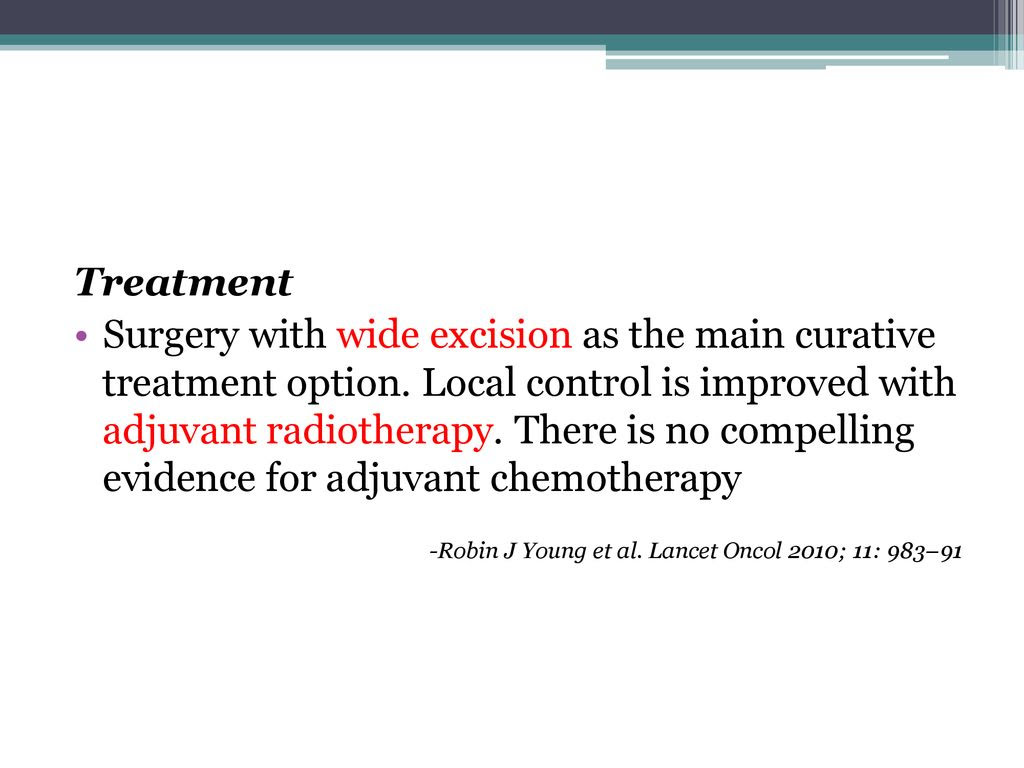
@mendietaalex1@BrownJHM@Jenmatos0@ManualOMedicine@docxusofficial@Lap_surgeon@drkeithsiau Radiation induced angiosarcoma (RIAS) of the breast is a rare and aggressive complication of radiotherapy.RIAS is a late toxicity that occurs in 0.05-0.3% of patients of breast cancer who underwent breast-conserving-surgery & adjuvant radiotherapy.
Rx
Surgery with wide excision
Angulations around a colon can become less acute with position changes. Here is a reminder of the optimal positions during colonoscopy 🔄
https://t.co/Y9DY5yWTvH