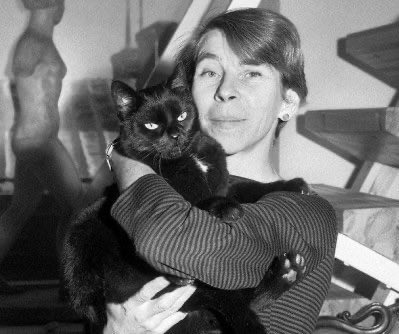
in persepolis, women both for and against the veil are portrayed with agency, even if in the context of theocracy. satrapi used her transnational status to place this in deliberate contrast to the 'enlightened' west, where women are objectified and belittled. islamophobic how?
You should really read Perspolis. So much misinformation about Satrapi's work exists because people haven't actually read her memoir. It's nuanced and beautiful.
@FcoVega00@sangreytrueno Ella misma habla en Persépolis de todas estas contradicciones que mencionas, habla de su perspectiva burguesa en toda su obra y nunca, nunca dejó de criticar el intervencionismo gringo.
Part of the hostility toward Marjane Satrapi is b/c she occupies an uncomfortable position for multiple audiences at once. For many Western readers she became a symbol of the Iranian woman who defies stereotypes, but in the process she was often turned into a different kind of stereotype: the secular liberal Iranian woman whose story could stand in for an entire society. People tend to struggle with that kind of complexity forgetting that one woman’s story is exactly that, one person’s account!
There is also a gendered dimension. Iranian women who achieve extraordinary visibility (whether Marjane Satrapi, Golshifteh Farahani, or Iran Daroodi) have often attracted a particular kind of scrutiny and resentment that their male counterparts do not face.
At the same time, some Western academics are uneasy with the way Satrapi’s work has been received. Her narratives have often been embraced by liberal audiences as evidence of women’s resistance to religious and political authority whereas scholars influenced by works such as Politics of Piety have challenged the assumption that Muslim women’s agency must take secular or liberal forms. The result is that Satrapi can become a flashpoint in larger debates about feminism, secularism, Islam, and representation.
So the criticism comes from different directions: diaspora misogyny, discomfort with her symbolic status in the West, and genuine intellectual disagreements about how women’s agency and freedom should be understood.
💔 "Nobody can take your freedom. I have lived in a dictatorship. There was a ban on everything! Was I less free in my mind? No, I wasn’t. Did I become a stupid person? No, I didn’t. Because no matter how much they looked at me, they could not get into my mind."
~ Marjane Satrapi
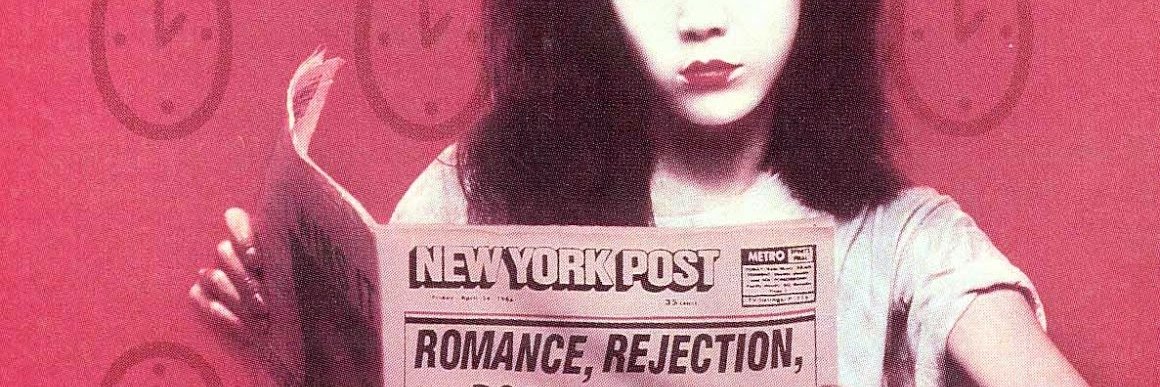
“romcom is cringe” as opposed to what? love itself is inherently absurd. yearning is embarrassing, devotion is theatrical, and vulnerability has always carried a certain humiliation to it. that’s precisely what makes it beautiful.
when mary oliver said 'if you suddenly and unexpectedly feel joy, don't hesitate. give in to it.'
and mahmoud darwish said 'and if happiness should surprise you again, do not mention its previous betrayal.
enter into the happiness, and burst.'
@caosilustrado Probablemente síndrome disfórico premenstrual, es horrible, pero ya ponerle nombre y saber cómo opera puede ayudar. Yo estoy probando con ciclos de semillas porque no produzco estrógeno suficiente y eso me causa el bajonsote pre-regla. Chécalo con tu gineco!
Las mismas fuerzas especiales que enaltece Ridley Scott en Black Hawk Down son las responsables del secuestro de Maduro. El cine de Scott es un aparato para generar consentimiento alrededor de los crímenes estadounidenses y, como bien dijo Pedro Costa, sencillamente fascista
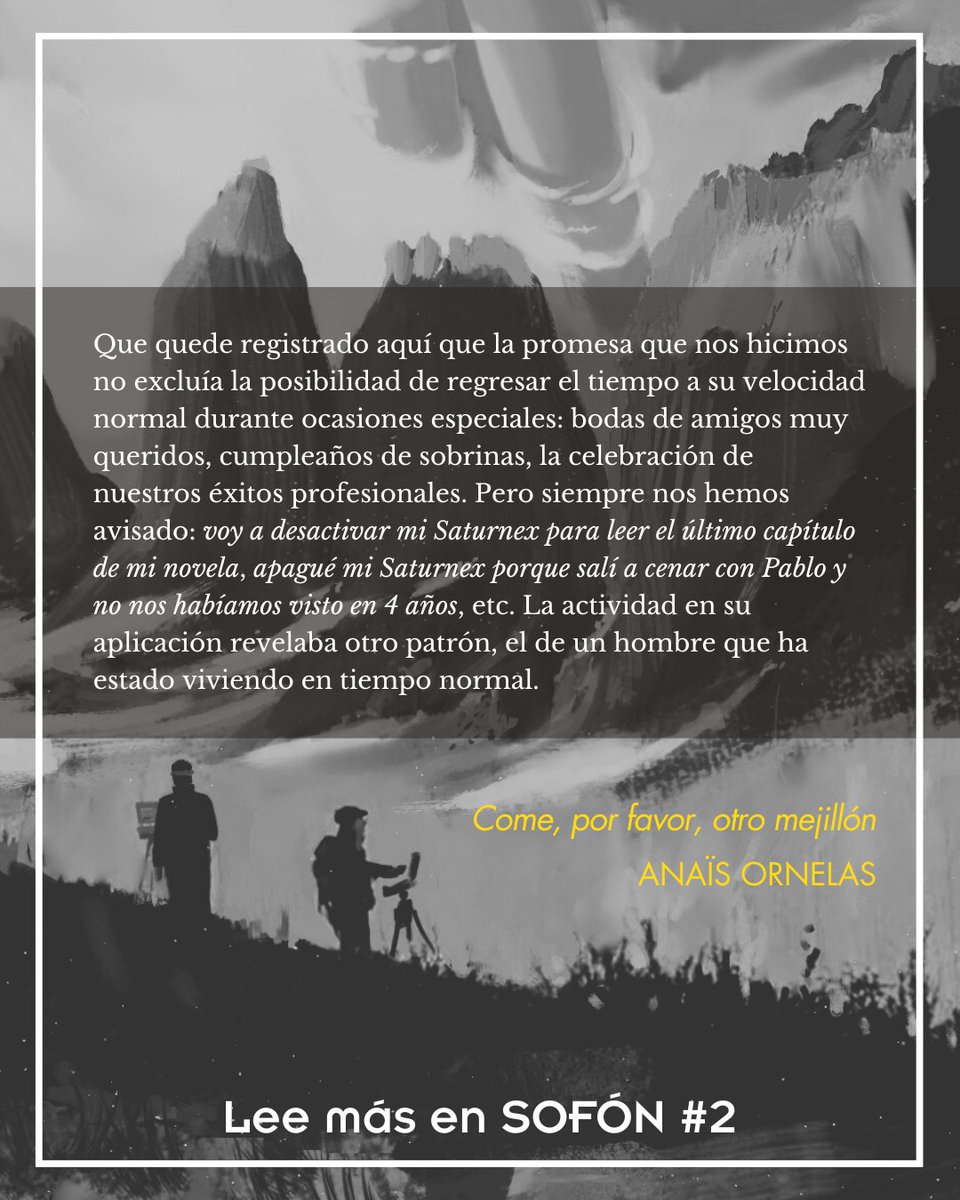
Un buen ejemplo de la ciencia ficción que usa la tecnología para narrar historias humanas.
Sofón #2, disponible en Amazon en Kindle y papel, y próximamente en impresión local en México y más allá
MX: https://t.co/j0F4QJQWz9
ES: https://t.co/BGGJfmXoRK
USA: https://t.co/dG0pjbb9v6
En Sofón #2 encontrarán este cuento donde Anaïs Ornelas / @anabase92 nos muestra, en formato de cartas, las consecuencias de usar un artefacto que acelera o ralentiza la percepción del tiempo, para mantener una relación entre dos personas que se reencuentran esporádicamente.