ventral CA1 (vCA1) responds to perseverative errors and is functionally required for adapting to a rule change, whereas dorsal CA1 (dCA1) stabilizes newly learned information after an initial, vCA1-dependent adaptation phase. (2/2)
The discovery paves the way for a new type of antidepressant that inhibits the chemical (SGK1). “Current antidepressants are often less effective for people with a history of childhood adversity," says the study's leader @Der_Scientist. Read more: https://t.co/WMQZoYkliQ
New paper from our lab out this week! We show that hippocampal SGK1 links early life adversity, stress, and genetic risk to depression, and that inhibiting SGK1 promotes resilience, boosts neurogenesis, and rescues dentate gyrus function. Link ⬇️
https://t.co/aJlPgPi7zE
New paper out from @anacker_lab in @npp_journal ! We show sex-specific effects of early life adversity on future stress vulnerability in adolescence and adulthood, and how they can be rescued by targeting the serotonin system.
Our new paper is out in @npp_journal showing female-specific effects of early adversity on stress reactivity, adult neurogenesis, and neuroinflammtion across development, and how they can be rescued by raphe 5HT1A knockdown and increased serotonin! https://t.co/9lvTi9GvXs
Huge congratulations to our fantastic postdoc Maryam Hasantash for receiving a 2024 NARSAD Young Investigator Award to study neural circuits of stress susceptibility and resilience! #BBRFoundation
Fantastic talks by @maya_opendak@Der_Scientist and Sam Richer from Flores lab @cfloreslab at @CAN_ACN
A great coverage of circuit and behavioural alterations by early life adversities. Thanks everyone for attending!
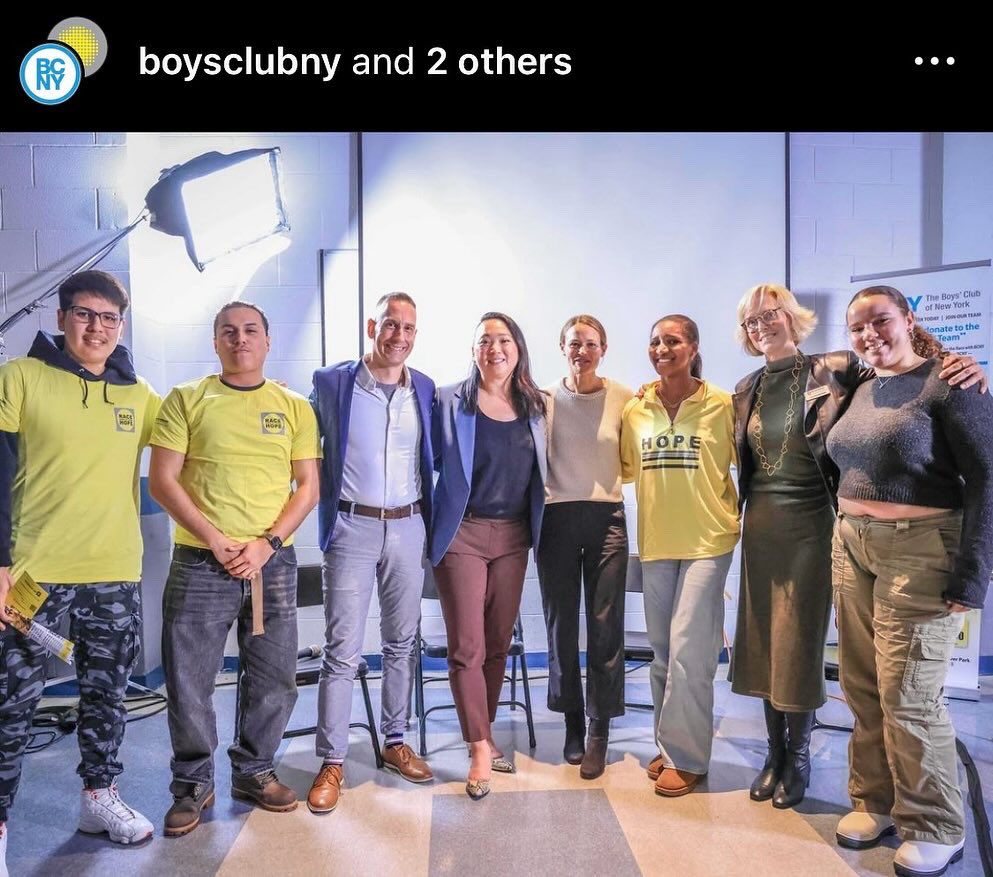
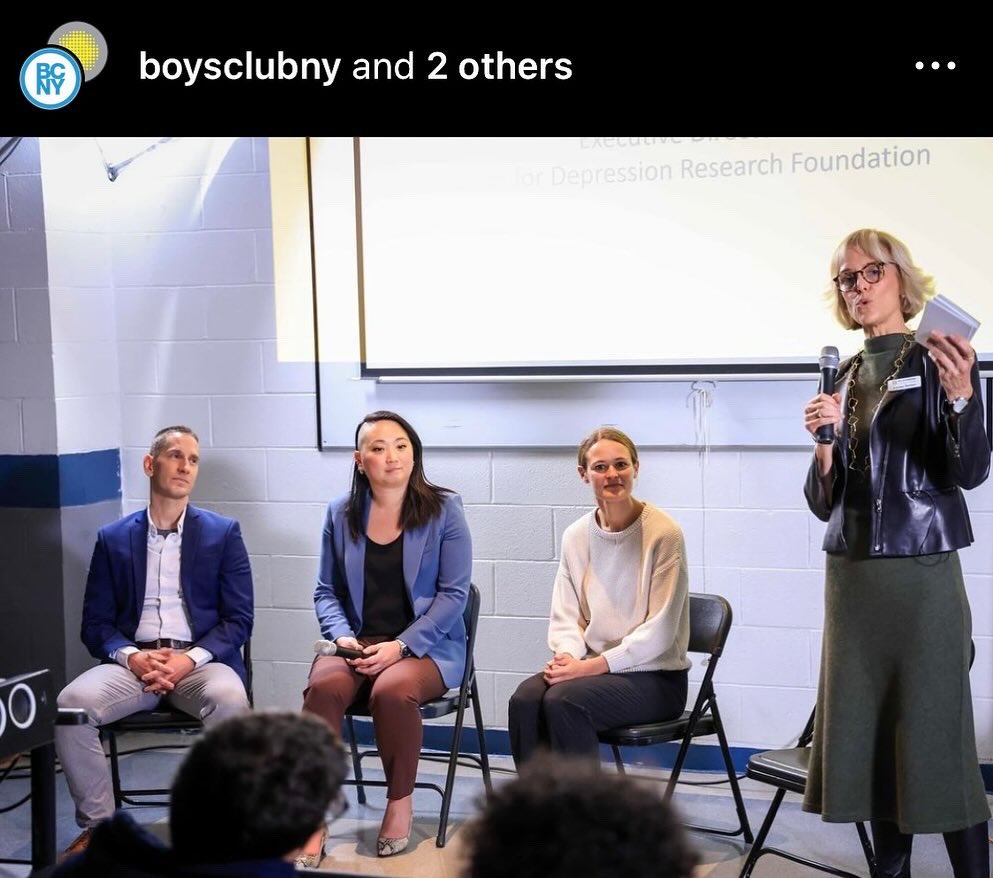
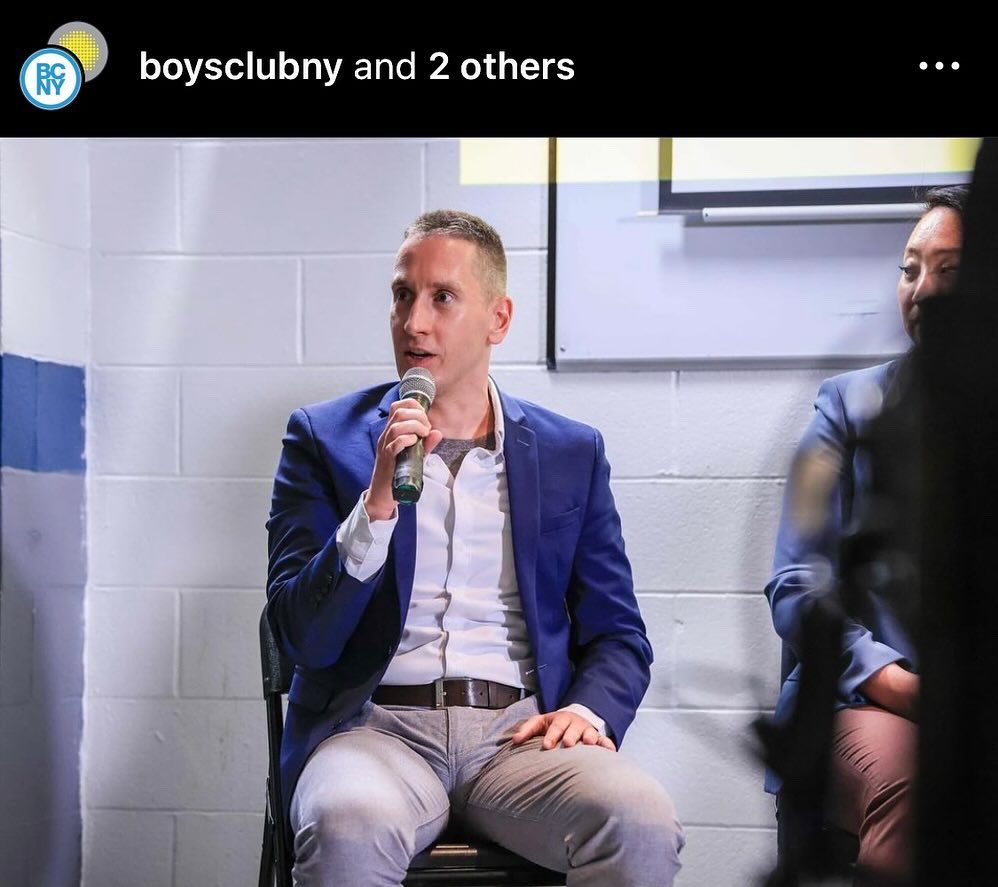
Such a great experience being part of this fantastic panel on Teen Mental Health and the role of social media last week! Great initiative by @_HDRF and @BoysClubNY
Check out our new paper by Twitter-less John Bickle showing that activating 5-HT1A (hetero-) receptors in the dentate gyrus inhibits neuronal activity and confers resilience to social defeat stress in mice! @anacker_lab @Der_Scientist https://t.co/HC7yo6RpoI
Check out this new paper by @MilennavanDijk in collaboration with @Der_Scientist showing that Dentate Gyrus microstructure in humans is associated with vulnerability and resilience to maternal stress exposure! Great translation of our rodent findings into human populations.
Big congratulations to our Postdoc @lauren_malave on receiving @SfNtweets Trainee Professional Development Award! 👏🏼 She will be presenting her work in a nanosymposium on Wednesday (11/15/23) morning that you won’t want to miss!
Such a fantastic comprehensive paper from @MitoPsychoBio lab characterizing stress effects on mitochondria across the brain. So happy to have been part of this great collaboration!
How we interact with the world – our perceptions, reactions, behaviors – are driven by brain biology. But what part?
We find that mitochondrial energy production capacity in specific brain areas explains a large fraction of mouse behavioral differences
https://t.co/UzrfjNJ1Oa
So incredibly happy to receive the ACNP travel award this year! I’m looking forward to engaging with this amazing group again. Thank you @ACNPorg@Der_Scientist@anacker_lab ! 😄
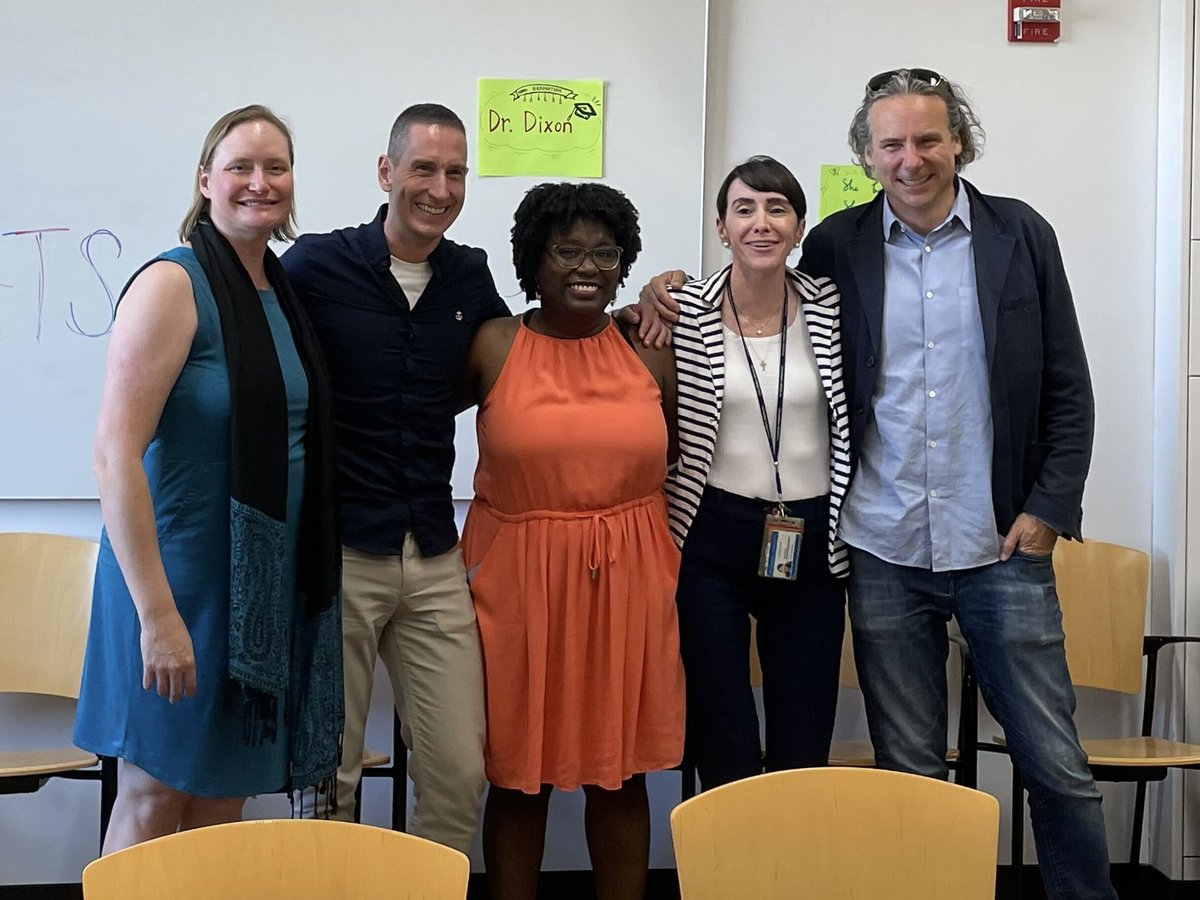
Massive congratulations to DR. @dixon_ronie - the 1st grad student of the Anacker lab!🥳 👏👏 So incredibly proud of your accomplishment! And thanks to @DrZoePhD for coming all the way to NYC for the defense! @DrChristineAnnD@mark_ansorge@DANLAB_Columbia