GA4 is making multi-channel reporting easier.
Campaign data from Meta, TikTok, Snap, Pinterest & Reddit can now be connected to GA4.
You can bring in cost + impression data and configure attribution settings for supported channels.
Less manual reporting.
Better cross-channel
A cookie banner alone isn't a complete consent setup.
I show how to implement Full Cookie Consent V2 on Shopify using Google Tag Manager.
Google + GA4 consent behavior, testing in GTM Preview, and additional Facebook requirements are covered.
https://t.co/bPr3YTgEl5
How does Google Ads Offline Conversion Tracking work?
Google Ad → Website → Lead
↓
CRM / Sheet → Lead Qualification
↓
Offline Conversion → Google Ads
The lead starts online, the business outcome happens later, and the conversion data is sent back to Google Ads.
Google Ads generated a lead. But did that lead become a customer?
Offline Conversion Tracking connects qualified leads and real business outcomes back to Google Ads.
Better data → Better attribution → Smarter optimization.
https://t.co/TeHp2BvhMA
A form submission isn't necessarily a customer.
Offline Conversion Tracking helps connect:
Ad → Lead → Qualified Lead → Sale
So Google Ads can receive more meaningful conversion signals from your CRM/business data.
The goal isn't to magically increase ROAS.
@chrisjhdtc Absolutely. Tracking is only useful if it helps answer the bigger question: “Did these leads actually become customers?” That’s where the real measurement starts.
Recently configured Fluent Forms + WhatsApp tracking for a client and connected the events to GA4 & Google Ads.
After the setup, I jumped on a video call to verify the data.
Client confirmed everything was working properly with no missing data.
https://t.co/thOH8228f6
Shopify stores need more than just conversion tracking.
In my latest video, I showed how to set up a Cookie Consent Banner using Cookiebot, connect the required setup, and verify it through GTM Preview.
https://t.co/HZZgJosoC6
Shopify tracking warning:
If your data layer is theme-dependent, a theme update can break:
❌ Add to Cart
❌ Checkout
❌ Purchase tracking
I recommend a theme-independent data layer for long-term tracking stability and cleaner analytics.
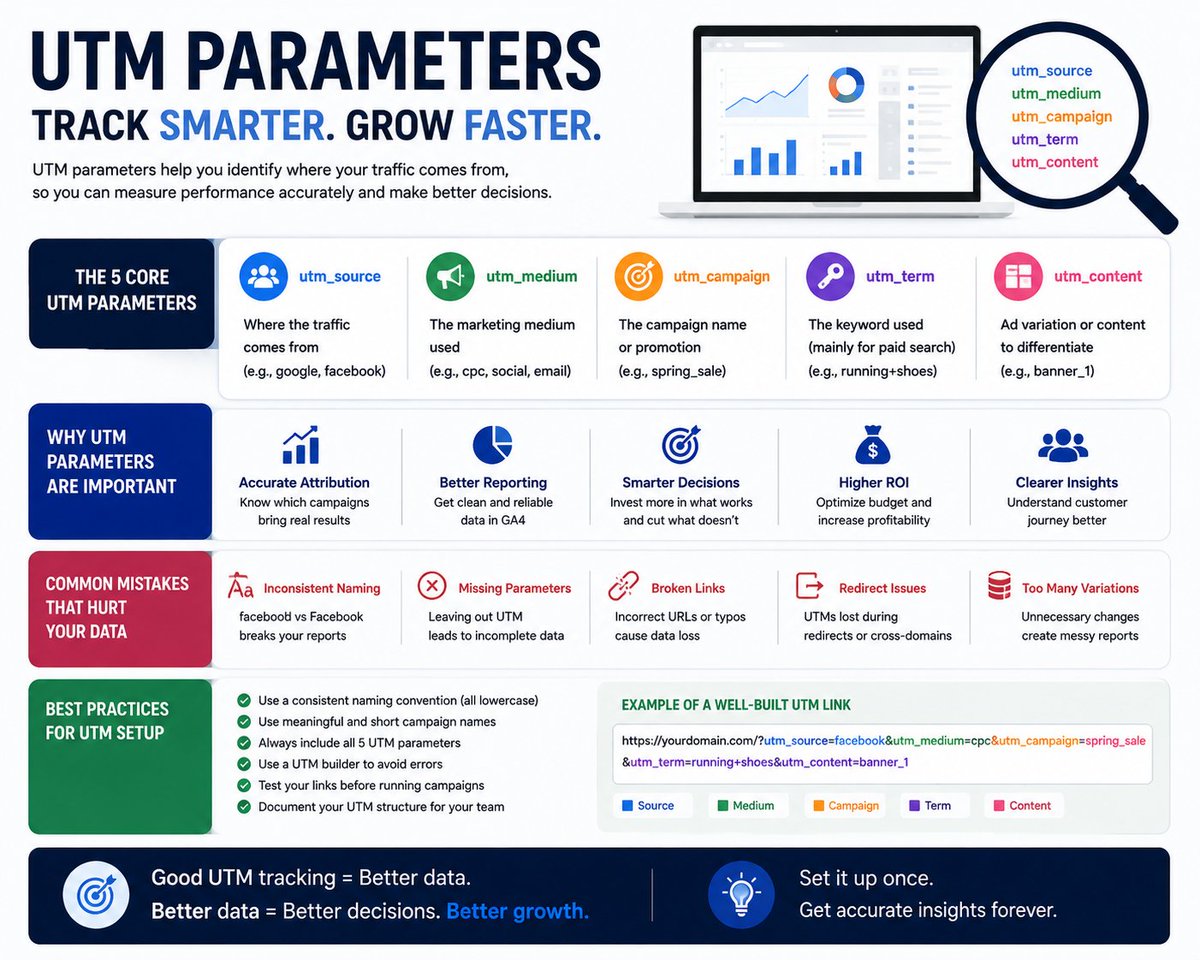
Many businesses run ads but cannot clearly tell which campaign generated the lead.
The missing piece is often UTM parameters.
A proper UTM setup helps track:
• Source
• Medium
• Campaign
• Content
• Traffic quality
Wrong UTM tags can create messy reports and mislead.
Quick tracking insight:
Traditional offline conversion tracking can lose data because of browser restrictions.
I recently implemented:
Website → GTM → Server GTM → Stape → Google Sheet → Google Ads
The goal was to protect conversion data before it gets blocked.
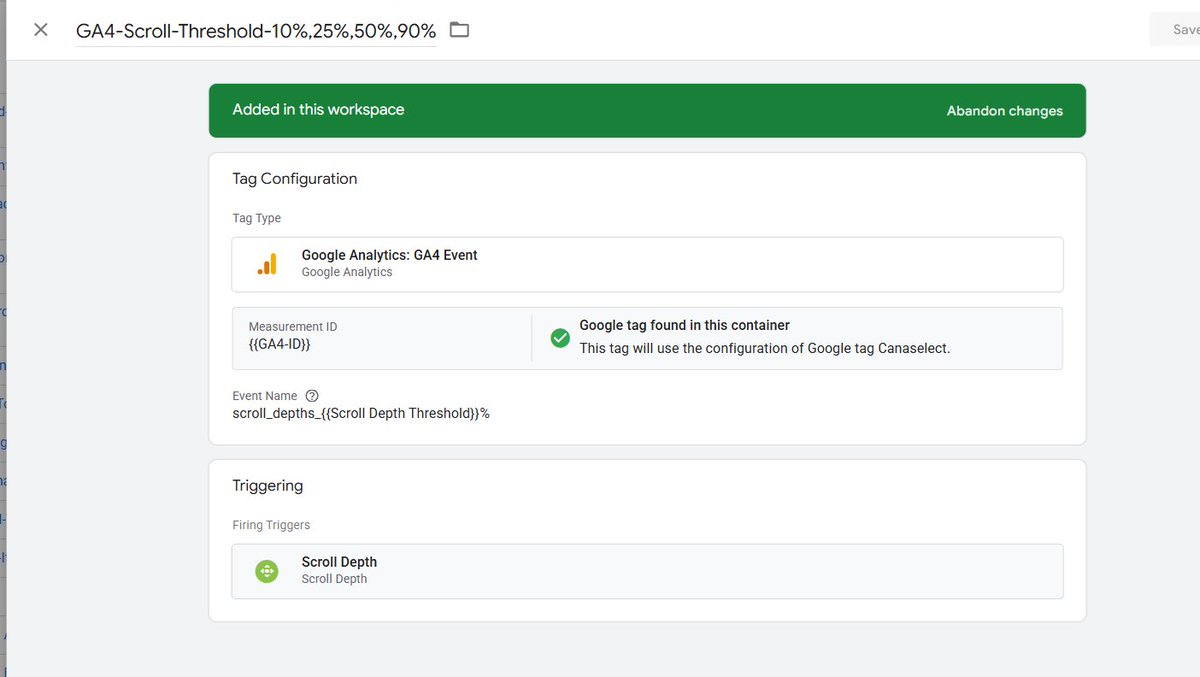
How far do users actually scroll on your website? That's something a simple pageview can't tell you. I show two ways to set up Scroll Tracking in GTM Normal Method → specific scroll percentage Dynamic Method → 10%, 25%, 50%, 75,90% https://t.co/LaVOM84pw8
Server-side tracking flow:
Website → GTM → Server → Analytics & Ad Platforms
Why businesses move to this setup:
✔ Less blocked data
✔ Better attribution
✔ Better reporting
✔ Better optimization
Owning a server layer gives much better control over conversion data.
Why I use Stape Data Tag + Data Client in server-side GTM:
• Cleaner event delivery
• Better attribution
• Better reporting
• Better control over tracking data
Small infrastructure improvements often create much better analytics outcomes.
Most sites track only 25%, 50%, and 75% scroll.
I recently implemented 10%, 25%, 50%, 75%, and 90% dynamic scroll tracking in GA4.
Now we can see real reading depth, identify drop-off points, and optimize content more accurately.
Better engagement data = Better decisions.
Quick GTM tip:
If your lead conversion fires on a Thank You page, a page refresh can send the same lead to Google Ads again.
I recently fixed this with a JavaScript reload check so the tag fires only once.
Less duplicate data = Better reporting and better optimization.
ChatGPT Conversion API feels like the next big conversation in analytics.
As people search less and ask AI more, businesses will want to know which leads and sales came from AI interactions.
I expect strong future demand in AI attribution, CRM integration, and server-side track
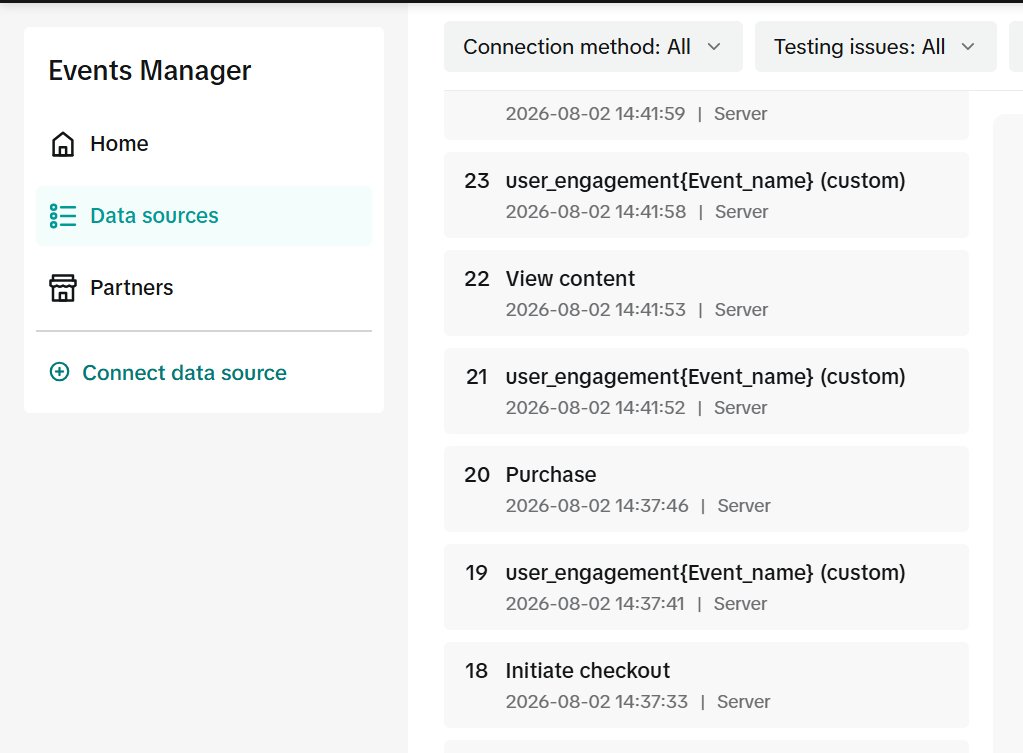
TikTok ads are getting more popular, but many stores still send incomplete conversion data.
I recently configured a server-side TikTok setup through GTM, and Purchase, Initiate Checkout, and View Content events are now reaching TikTok correctly.
Better data → Better optimize
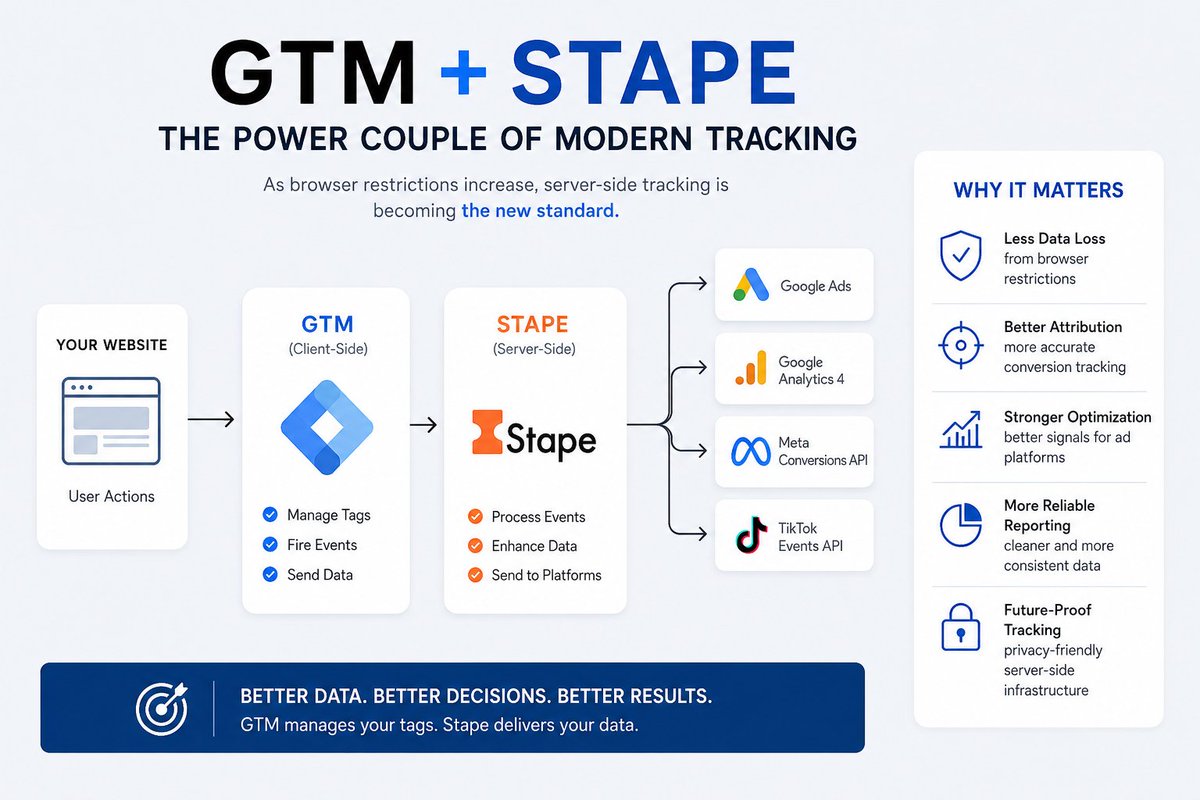
GTM handles the tracking logic. Stape helps deliver the data server-side.
Why ecommerce brands are adopting GTM + Stape:
• Less data loss • Better attribution • Better reporting • Better ad optimization
Server-side tracking is quickly becoming the new standard.