Sekere-inspired Stadium Design
The Sekere (or Shekere) is a traditional Yoruba percussion instrument made from a dried vine gourd (calabash) encased in a woven net of beads, shells, or seeds. Designing a stadium around this translates into a "mesh and vessel" architectural concept.
Core Design Concepts:
The "Vessel" Bowl: The main body of the stadium mimics the rounded, organic shape of a sun-dried gourd. Rather than sharp corners, the stadium would feature smooth, sloping curves that create a sense of "holding" the fans within a protective, earth-toned container.
The Kinetic Façade (The "Beaded Net"): The most striking feature is an external steel and cable mesh that "wraps" the stadium. Each "bead" on the mesh could be a programmable LED node or a kinetic panel that moves slightly with the wind, mimicking the rattling sound and movement of the instrument.
The "Handle" Entryways: The neck of the gourd becomes the primary grand entrance or "gateway," often tapering upward to create a soaring canopy that provides natural ventilation.
Imagination: Sola Fanawopo
@ELEGBETE1SPORTS@EmekaOkoye@imakun122@jamesagada@MuftauAdewale3@OsunFa@thenff
Part 1: Types of Clauses in Football Contracts
Liverpool bought Coutinho for €12 million Euros in 2013. They sold him to Barcelona 5 years later for a whooping €120 million Euros. The initial €12 million Euros Inter Milan got in 2013, was topped by an additional €2.4 Million euros when Liverpool made this sale, and that was all they ever got.
Fastforward a couple of years later. Barcelona sold Philippe Coutinho to Aston Villa for €20 million in 2022, they didn't just walk away with the cash. In that contract was a 50% sell-on clause. If Villa had flipped him for profit, Barcelona would have got half. Half. That one line in the contract could have been worth millions Barcelona never touched a ball for.
That's the power of clauses. And if you don't understand them, you're watching football with one eye closed.
That’s why I am here for you. To open your second eye.
Do I still have your attention?
So what even Is a Contract?
A contract is simply a legally binding agreement between two or more parties. In football terms, it's that document where a club agrees to sell a player to a club and the buying club agrees to pay the selling club or when a player agrees to play for a club, and the club agrees to pay him for his services.
It's the foundation of the entire player-club relationship. Without it, there's no legal obligation. No protection. No enforceable promises. Just vibes. And vibes don't hold up in court.
What's a Clause?
A clause is a specific provision or section within that contract. It's one individual term among many. Think of it as a single rule in a rulebook. Each clause addresses a particular aspect of the agreement: salary, duration, termination conditions, bonuses, you name it.
And just like rules, if you break them or misinterpret them, there are consequences.
Here's the relationship: If contracts were a building, clauses are the bricks. You can't have a building without bricks, and you can't have a meaningful contract without clauses.
Each clause serves a purpose. Some are load-bearing: remove them and the whole structure collapses. Others are decorative, sure, but they still matter. The way these clauses are drafted, combined, and interpreted determines whether your contract is a fortress or a house of cards.
Over the next couple of posts, I'll walk you through eight critical types of clauses you'll find in football contracts, with real-life examples and the reali life legal landmines that lawyers consider when drafting and reviewing them.
Let's start. Shall we?
Sell-on Clauses
A sell-on clause gives the selling club a percentage of a future transfer. Sounds straightforward, yeah? But here's what most people ignore: is it 20% of the total fee, or 20% of the profit? You see how it can be in practice?
Example: Chelsea sold Kevin De Bruyne to Wolfsburg for £18 million in 2014. They included a 25% sell-on clause in the Transfer agreement. When Manchester City came calling 18 months later with a £55 million bid, Chelsea pocketed an extra £10 million without De Bruyne ever kicking another ball for them. That's the power of sell-ons.
Or look at Coutinho again. Barcelona bought him from Liverpool for £142 million in 2018. Liverpool didn't have a sell-on clause from when they bought him from Inter Milan in 2013, so when Barcelona moved him on, Liverpool got nothing extra. Inter Milan also missed out because they reportedly didn't have a significant sell-on clause either when they sold him to Liverpool for just £8.5 million. The sell on clause was about 1.5%. Everyone left money on the table.
Legal Pitfall: In cases like this, the definition of "profit" is everything. Does it account for agent fees paid by the buying club? Training costs? Signing bonuses? What about wages paid during the player's time at the club? If the clause says "20% of profit" but doesn't define profit, the buying club's accountants will minimize it every way they can.
I've seen clubs argue against paying a sell-on fee based on the fact that they made zero profit because they spent heavily on the player's wages and "development costs." If you're the selling club and you don't specify "profit equals transfer fee received minus original transfer fee paid, with no other deductions," you're leaving money on the table.
Also, some sell-on clauses only apply to the next transfer of the player and not the next sale. If the buying club loans the player to another club who then buys him, does the original club still get their percentage? Not if the clause isn't worded to cover indirect transfers.
Are you still with me?
If the contract terms are not properly defined, it can get really messy. That’s why I say a good contract is like a defense setup. You have to think of every possible eventuality there can be wgen drafting it. If not, your eyes can peel o.
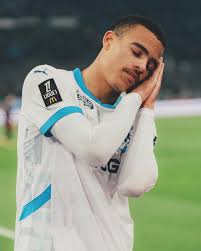
Generally, the percentage of sellon increaases when really great players are sold for cheap. For example, United sold highly rated Mason Greenwood to Olympique Marseille at 25m Euros and inserted a 50% sellon clause for him. The percentage might not have been that high if Marseille had paid a higher price for him. SOmething similar happened in the sale of Antony to Betis as well. Do you get it now?
Yeah so that will be it for today. We will discuss another clause next time. And until then, make sure you stay tuned, follow and repost.
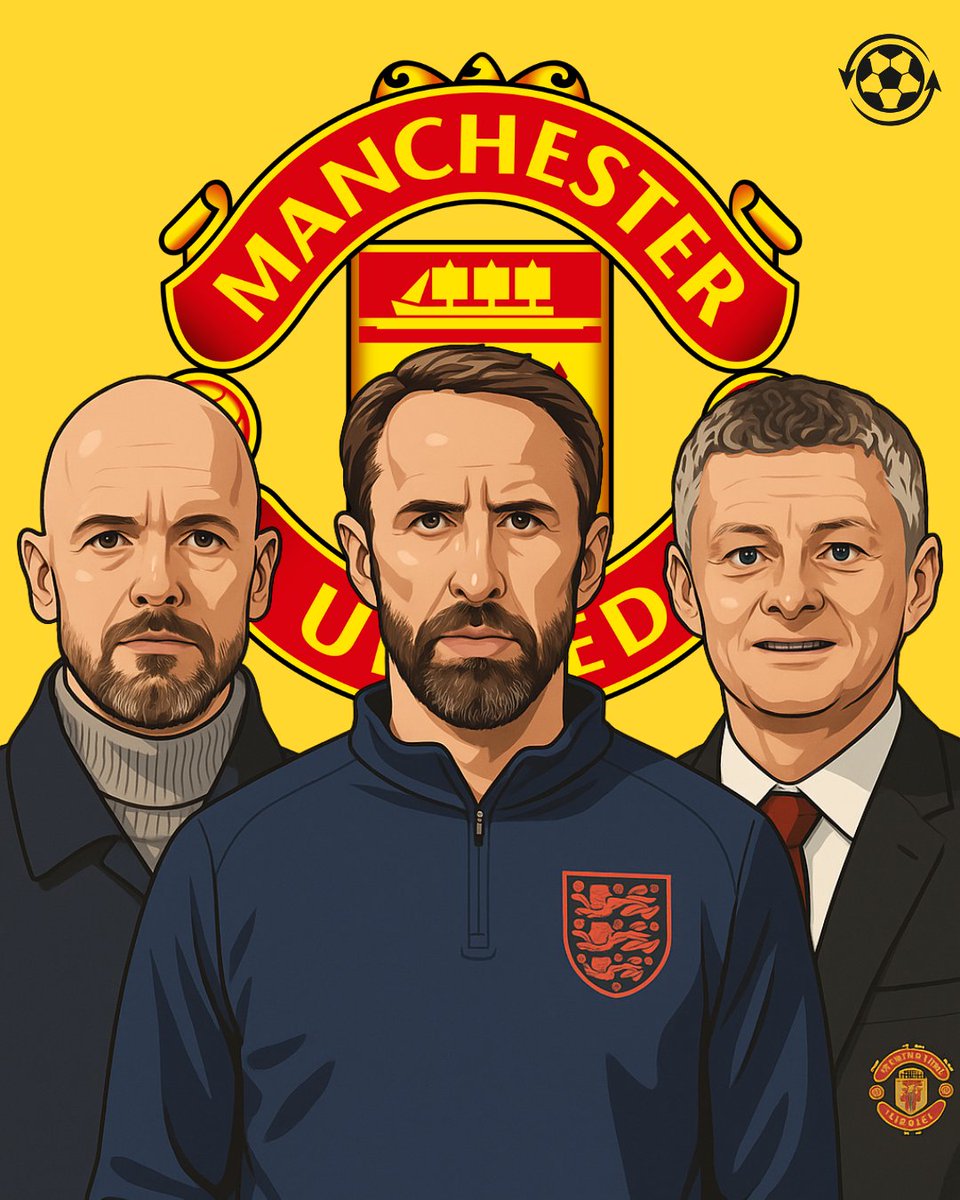
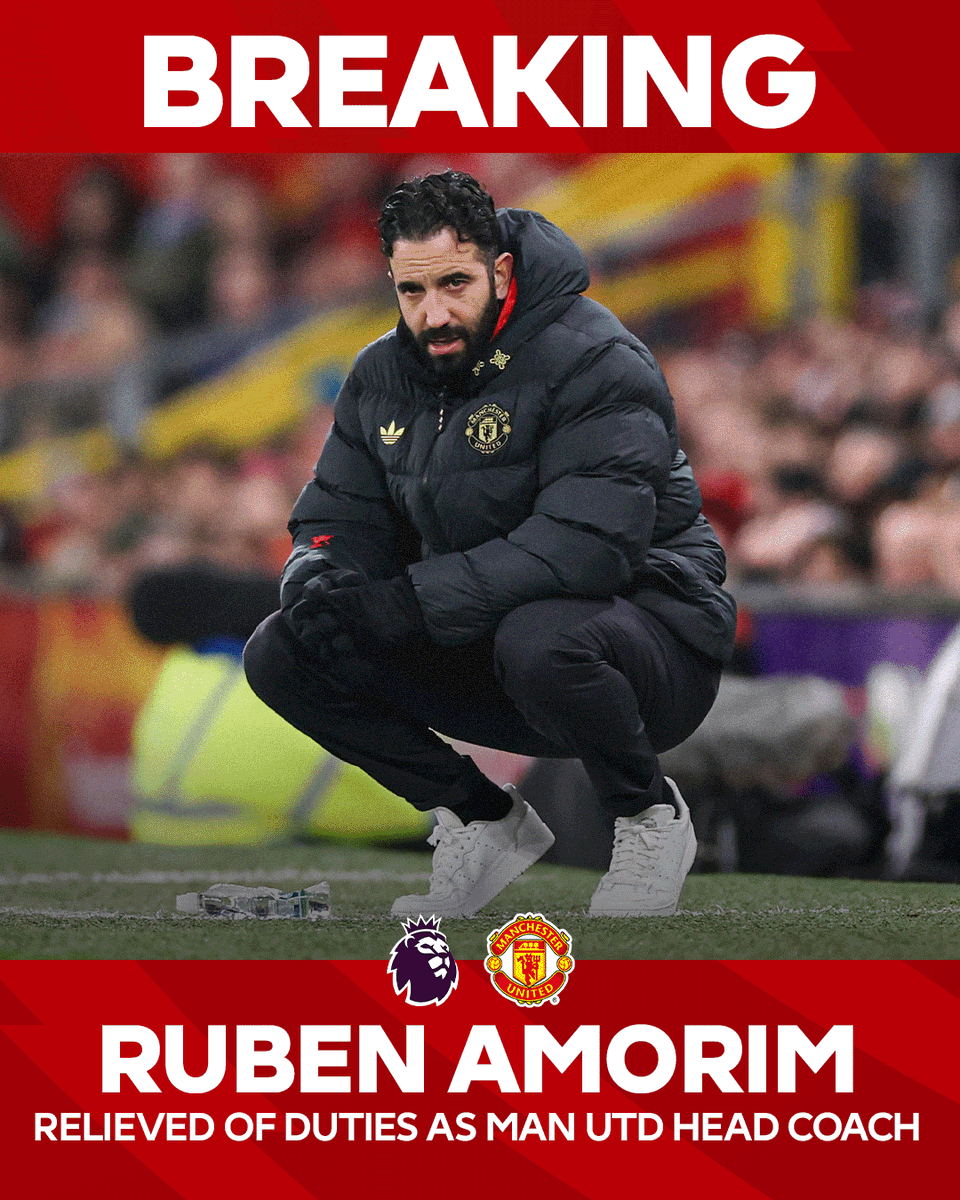
👔 List of managers out of work right now:
🏴 Gareth Southgate
🇮🇹 Enzo Maresca
🇳🇴 Ole Gunnar Solskjaer
🇩🇪 Joachim Löw
🇹🇷 Telat Üzüm
🇪🇸 Xavi
🇮🇹 Thiago Motta
🇭🇷 Igor Tudor
🇦🇺 Ange Postecoglou
🇮🇹 Walter Mazzarri
🇮🇹 Marco Rose
🇭🇺 Zsolt Löw
🇳🇱 Erik ten Hag
🇩🇪 Edin Terzić
🇭🇷 Ivan Jurić
🇩🇰 Jon Dahl Tomasson
🇪🇸 Juanvi Peinado
🇪🇸 Albert Celades
🏴 Gary O’Neil
🇵🇹 Vítor Pereira
🇵🇹 Vítor Bruno
🏴 Sam Allardyce
🇧🇷 Dunga
🇵🇹 Bruno Lage
cc. @ManUtd
Nottingham Forest's Arnaud Kalimuendo is set to undergo a medical with Eintracht Frankfurt after they agreed an initial loan deal with an option to buy. The striker only signed for Forest in the summer for £26m 🔜📝
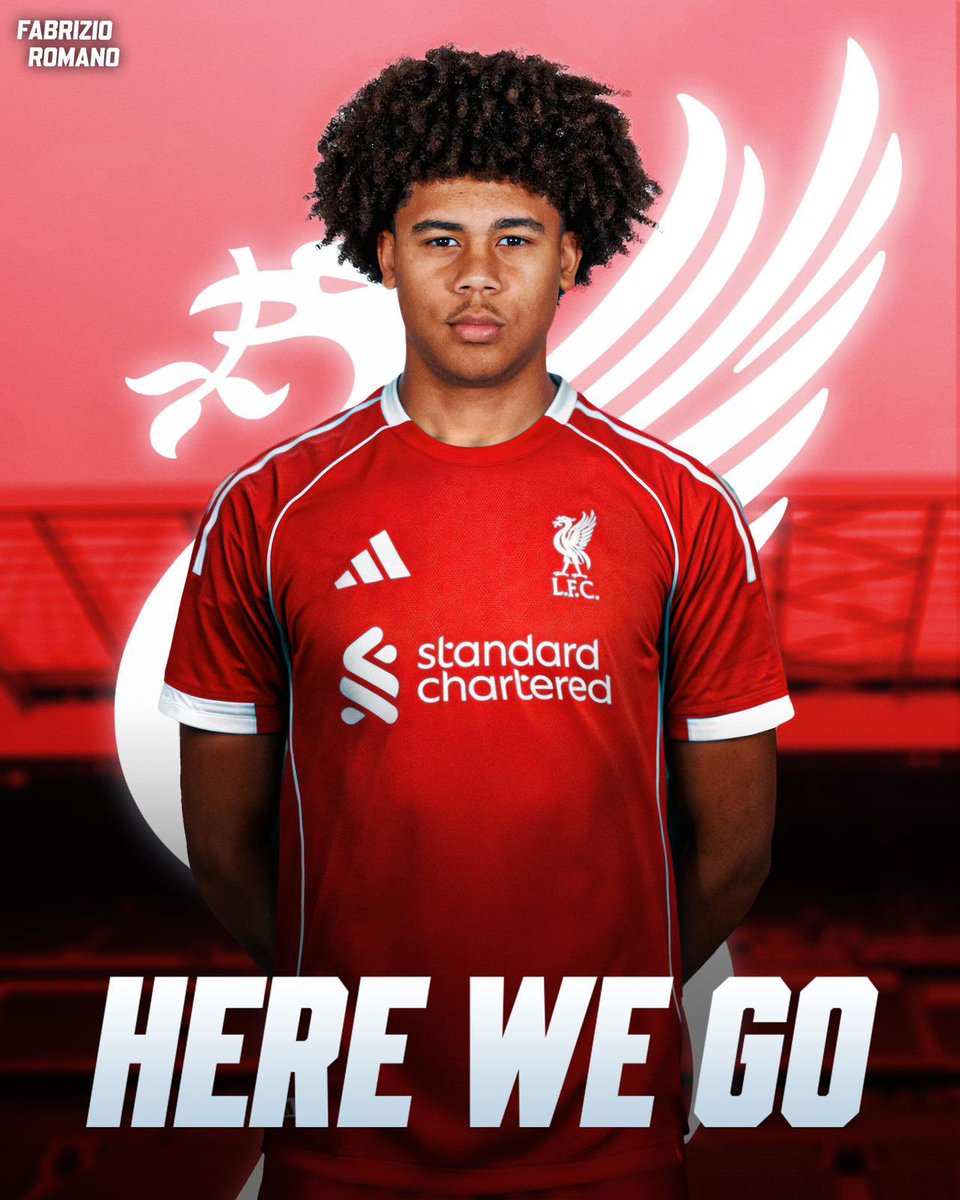
🚨🇦🇹 Liverpool agree deal to sign 17 year old Austrian centre back Ifeanyi Ndukwe for summer 2026, here we go!
Agreement in place, valid from July. Austria Wien accepted the proposal, as @AlexHuber81 reported today.
Seen as huge talent, Nduke said yes to #LFC project.
🚨 Aston Villa are interested in bringing Manchester City forward Omar Marmoush to Villa Park in the January transfer window.
Villa are on the lookout for another player for the front line to give them a better chance of sustaining the form they have shown recently.
(Source: @TEAMtalk)