İlk satırda, yılın ilk ayı olan Nisannu'da sarmal yükselişe sahip olan ve ilkbahar ekinoksu ile ilişkilendirilen üç yıldız listelenir.
İkinci satırda, ikinci ay olan Ayyāru'da sarmal yükselişi olan diğer üç yıldız listelenir.
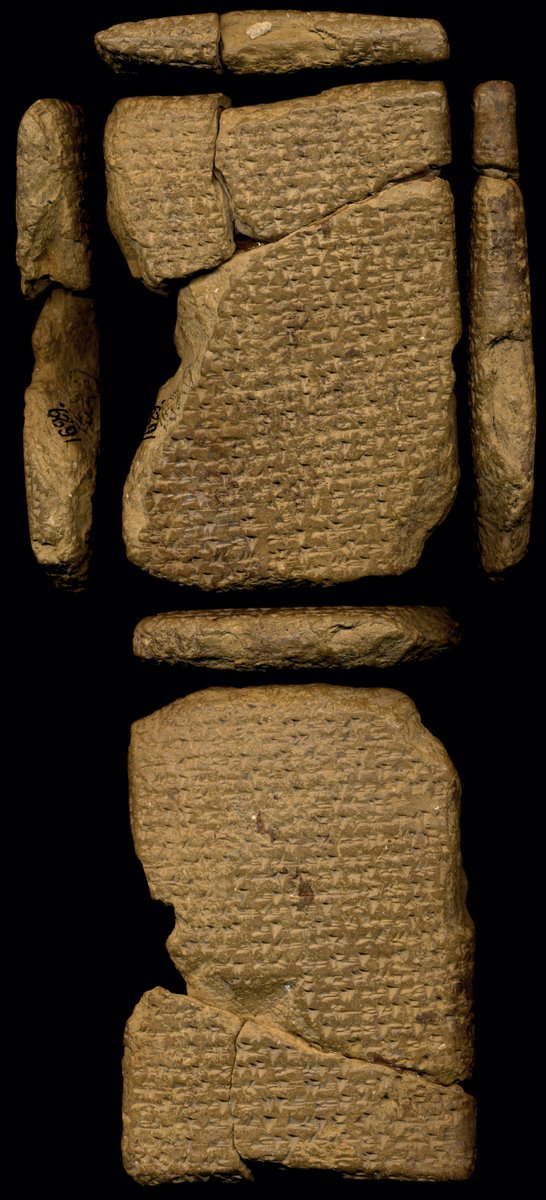
BM 86378, Kral Ashurbanipal'in kütüphanesinden çivi yazılı tabletler ca. M.Ö. 687.
MUL.APIN, yılın her ayı için üç yıldız olmak üzere otuz altı yıldızdan oluşan bir liste içerir. Yıldızlar, belirli bir ayda sarmal bir yükselişe sahip olanlardır.
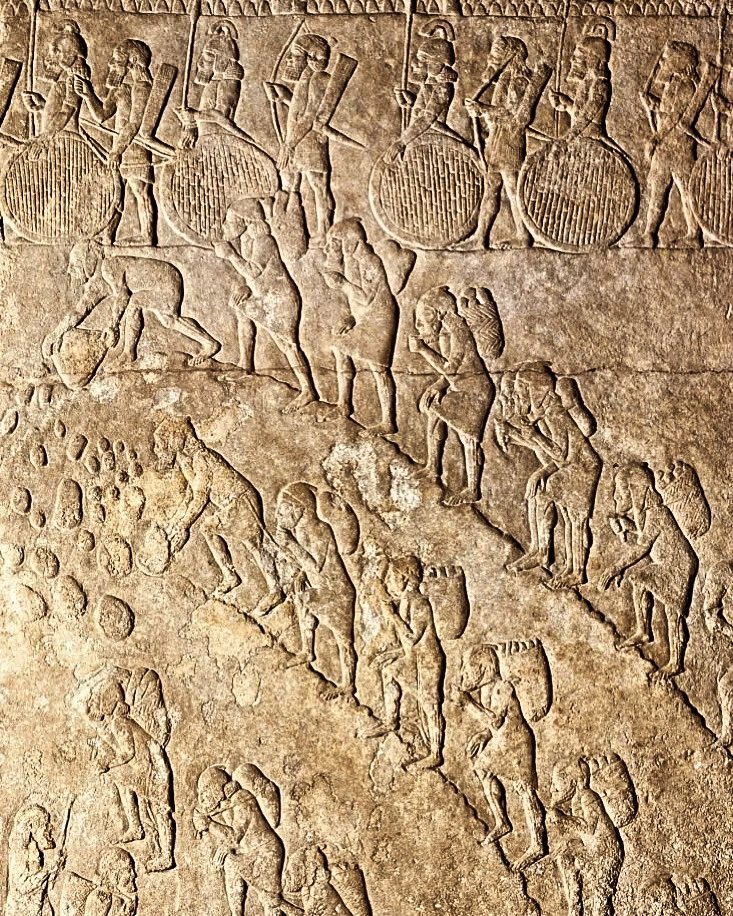
1 May Workers’ and Laborers’ Day 📜
Protected by soldiers, prisoners are forced to work in the quarry. Assyrian relief from around 700 BC. Photo: W. FORMAN
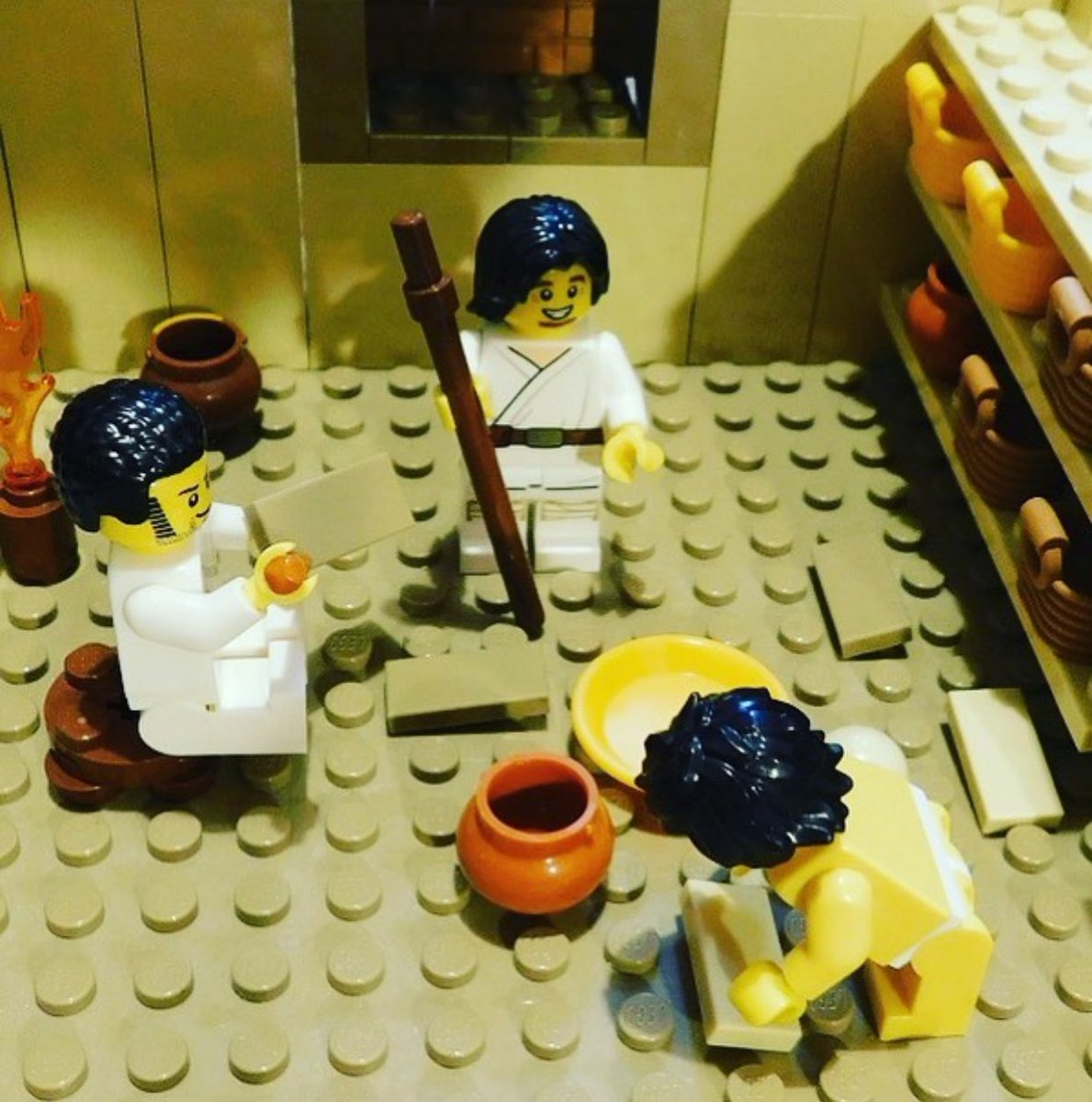
#çiviyazısıvekiltabletatölyesi
Chicago folks: please do join @SophusHelle and me for our discussion of his translation of the #Sumerian#poetry of Enheduana next Monday (April 25th) 6pm at the wonderful @SeminaryCoop
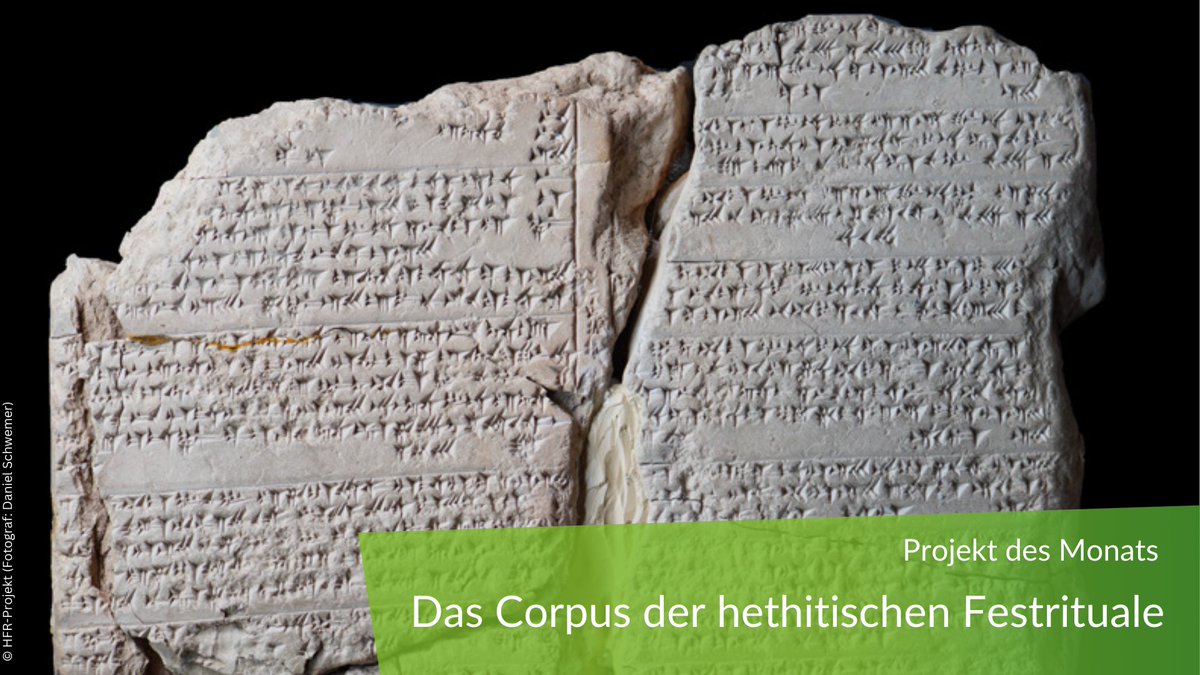
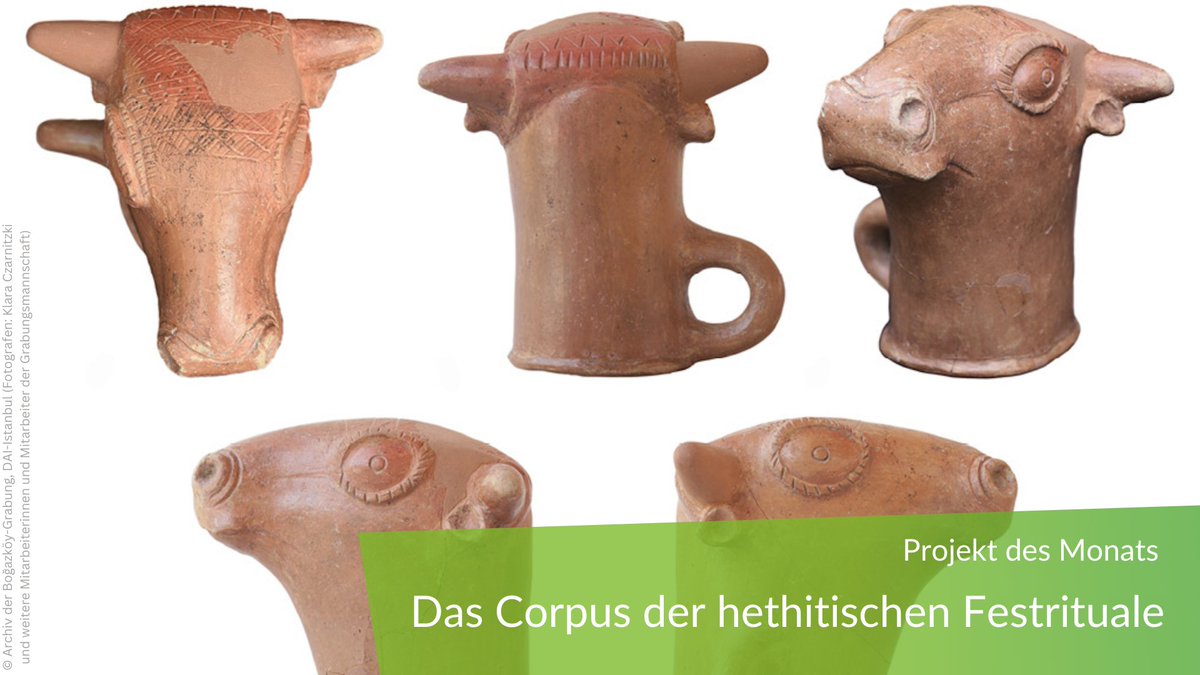
Festritualtexte dienten als #Informationsspeicher, um eine korrekte & umfangreiche Erfüllung der Kultpflichten sicherzustellen. Die Erfüllung gegenüber den #Göttern war essentiell für das Wohlergehen des Landes der #Hethiter. Mehr dazu: https://t.co/uE3g2NsgAQ #ProjektdesMonats
New Article📜
Bayramı İçerikli Üç Yeni Hititçe Tablet
Fragmanı (Bo 7860-Bo 7909-Bo 7957)*
Three New Hittite Tablet Fragments From Bogazkale Archives with Content of Hišuwa Festival (Bo 7860-Bo 7909-Bo 7957) by
Özlem SİR GAVAZ & #melihsalihkececi
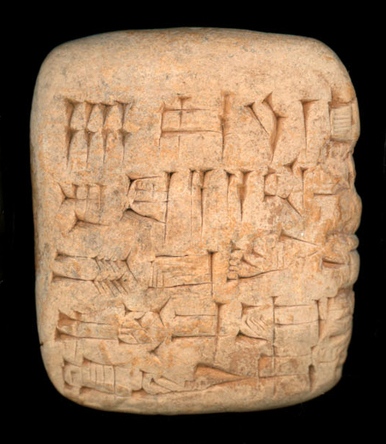
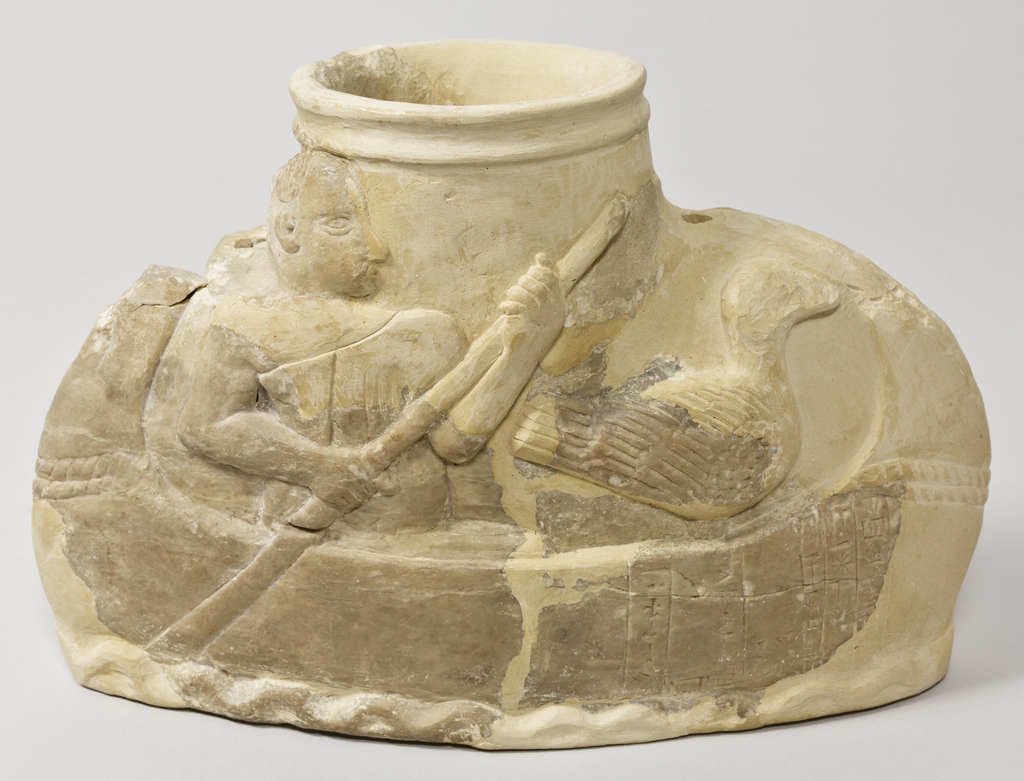
It's #TabletTuesday! This tablet records that it took 8 days of labor to pull a sunken boat from the water in front of a royal palace. It is unclear if this water is perhaps a lake that might have been part of the gardens of the palace or what sort of feature this water
Determiners
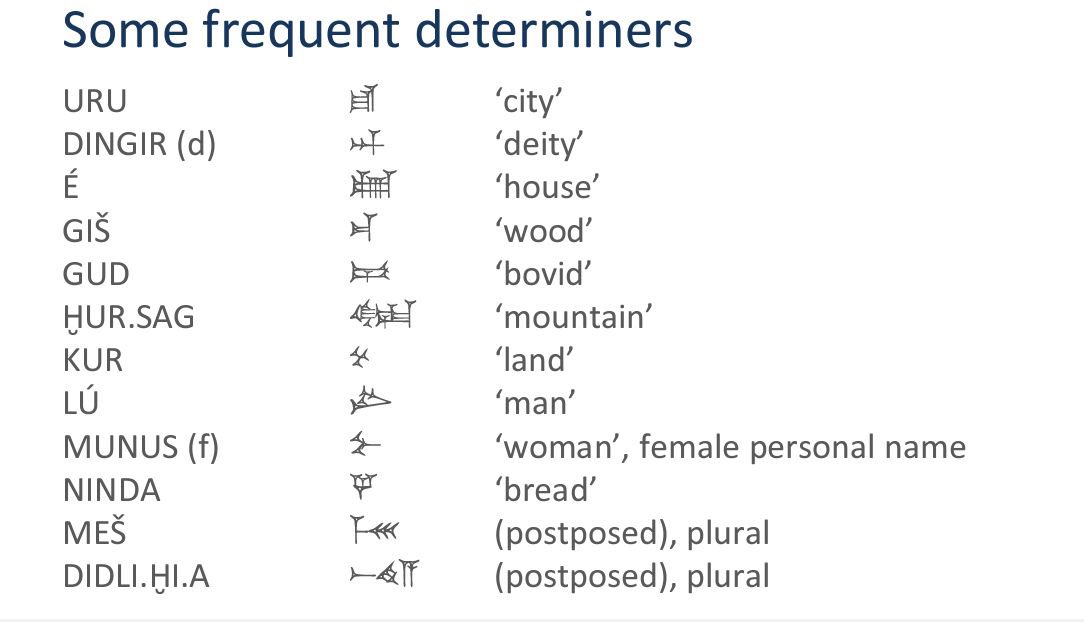
Determiners are Sumerograms that are not pronounced but indicate the class or nature of a noun for clarity, e.g. in URUḪa-at-tu-ša (𒌷𒄩𒀜𒌅𒊭); the URU is a determiner marking the name of a city, and the pronunciation is simply /hattusa/.
Join us online on Nov 24 at 18.00 CET for "Writing on the Edge: Cuneiform Traditions in the Western Peripheries" by @JanaMynarova of @CharlesUniPRG.
It's the final lecture in the "Mesopotamia vs Greater Mesopotamia" series. Don't miss it!
Link: https://t.co/0it5DliQHk
Daniel Schwemer will give the Veenhof lecture “Living in a precarious world: Magical rituals from ancient Mesopotamia” on 1 December at 5pm in the RMO, Leiden. The event will be hybrid; sign up voor in-person attendance or livestream via https://t.co/ioY74WiS4B
Heavy Babylonian Door Socket with the Name of the High Priest Nur-Kakka
Important, rectangular limestone block with circular hollowed out centre part, once serving as a socket of a temple door. One of the outer sides with a very finely drawn two-column inscription (6 and 1 line)
). The translation reads: ”Only Nur-Kakka, beloved high priest of Nin-isina, erected two matching doors and the beam of the Pahum gate." Notable for this inscription is that it mentions a high priest, whereas it was exclusively reserved for kings to inscribe foundation stones.