Previously, delivering highly technical trainings entirely virtually was deemed impossible.👨🏾💻But with a carefully considered virtual training format, SITA has made it work for Ethiopia’s Handloom weavers.
Other #SouthSouth initiatives can do the same👇 https://t.co/IYLEumQjAw
HOWEVER, in light of Covid-19 and the ongoing Ethiopian conflict, SITA experts have not been able to travel. SITA has trained Tana Shema’s weavers on how to install and use this new technology ENTIRELY VIRTUALLY.
How??
DID YOU KNOW? 👕 #Ethiopia’s textile and garment industry is growing rapidly and could be a powerful means for inclusive growth and #SustainableDevelopment.
🙌To fill the gaps in the domestic supply chain, SITA has set up a producer-owned handloom company.
This week, SITA is carrying out an online training on production and processing, aimed mainly at the lab team.
Here they are, learning from our Indian textile manufacturing expert 📷👇
SITA has been providing @rivatex_ltd textile manufacturers with bespoke, hands-on support to reconfigure its operations in compliance with international sustainability standards.
Once @ZeroDHC compliant, Rivatex can start selling to many significant int’l retailers and brands!📈
The growth of East Africa’s #textile sector contributes directly and significantly to #SustainableDevelopment. 👕
However, with today’s consumer environment, textile companies don’t get very far without complying with the internationally-agreed sustainability standards. 🏵
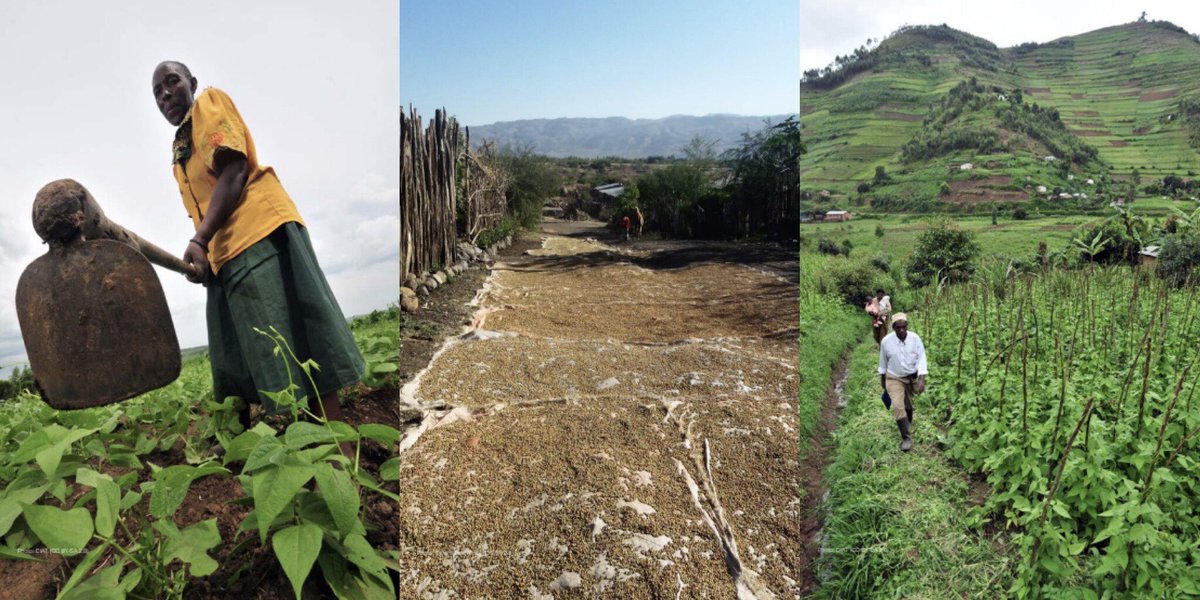
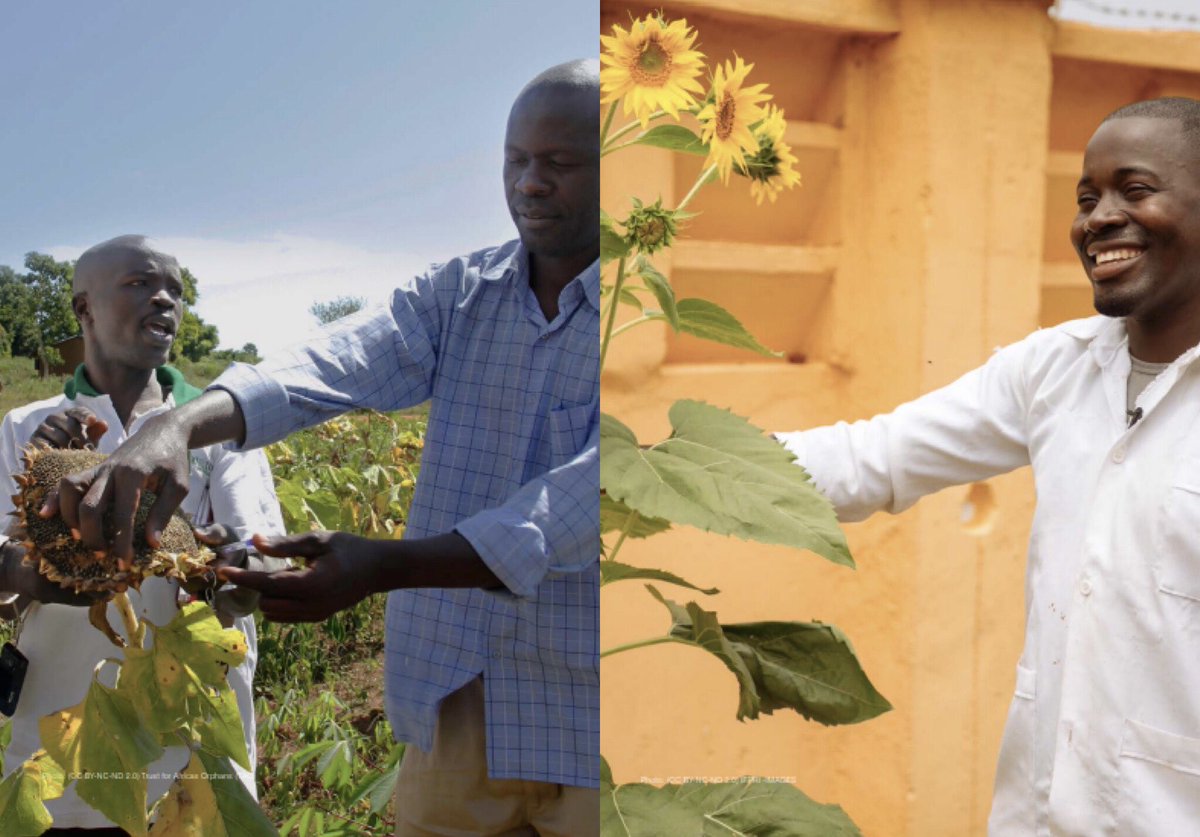
Well, East African government policies could do more to support the oilseed sector’s journey towards self-sufficiency. And SITA has produced a technical report provides a policy-maker’s guide as to how: https://t.co/b0szSECFg3
A major factor holding back East Africa’s pulses and oilseeds sector is the unavailability of high-quality seeds,
👉which forces farmers to use old seed material,
👉which leads to lower yield and heightened susceptibility to pests and diseases.
So, what can be done?
Oilseed crops play a crucial role in human diet and industrial application. 📈The consistent and growing demand represents an opportunity for East Africa’s Agriculture sector.
#WOMENSEMPOWERMENT contributes to positive and sustainable social outcomes – and makes economic sense too. Supporting women as entrepreneurs is a pathway to empowerment.
🚺 NEW BLOG POST on why SITA leverages #SouthSouth to support women entrepreneurs👇
https://t.co/8OBT5fKM9S
💡Always wanted to be an entrepreneur, but didn't know where to start?
We are launching our first free Certificate Programmes, powered by @WE_Accelerator.
📃 Earn a certificate upon completion of each programme
📅 Starting on 11 November 2021
Register now ⬇️
And back again for day 3 to learn about preservation 📷👇
Leather expert, Dr Anne Lama, is teaching 41 leather businesses and leather business support organisations (BSOs) about preservation practices - which, done right, can improve quality and reduce costs and wastage.
Today is the day!
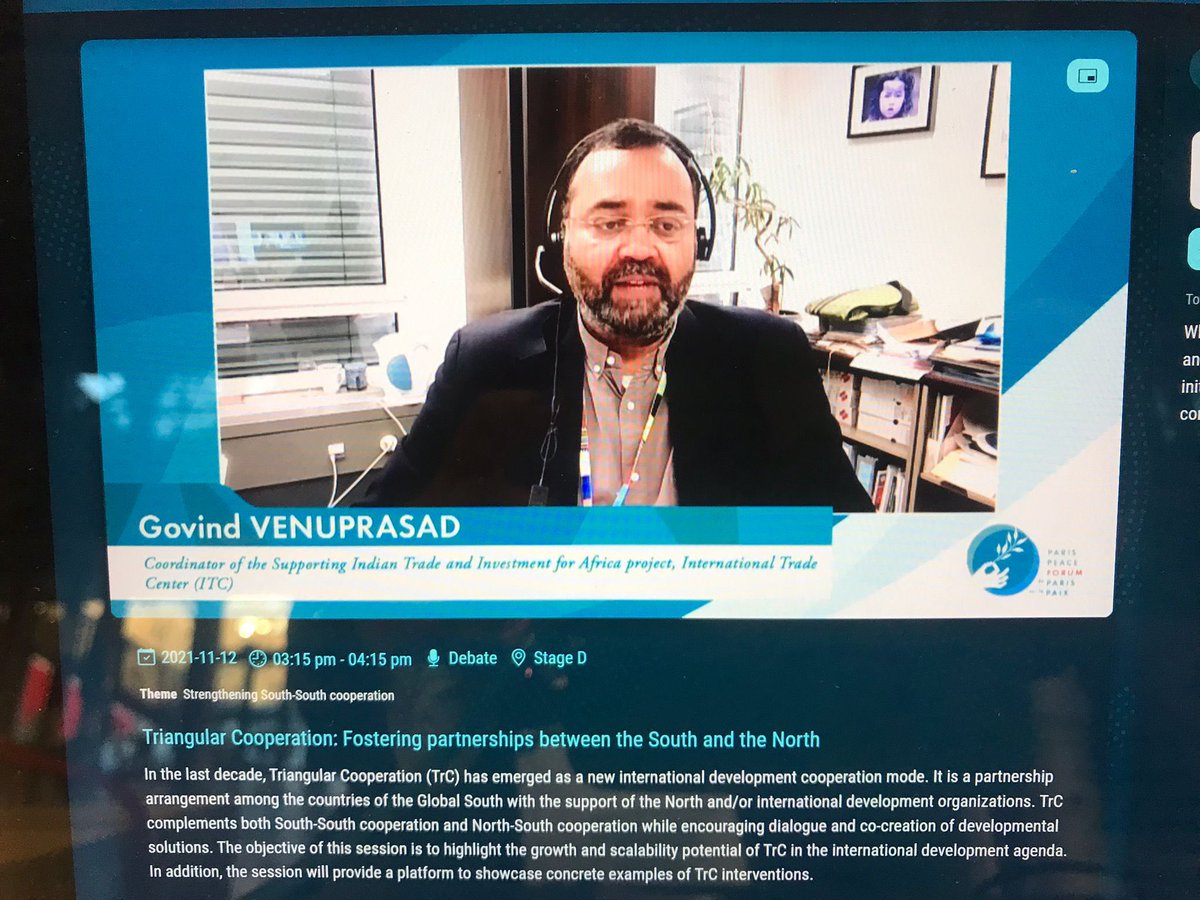
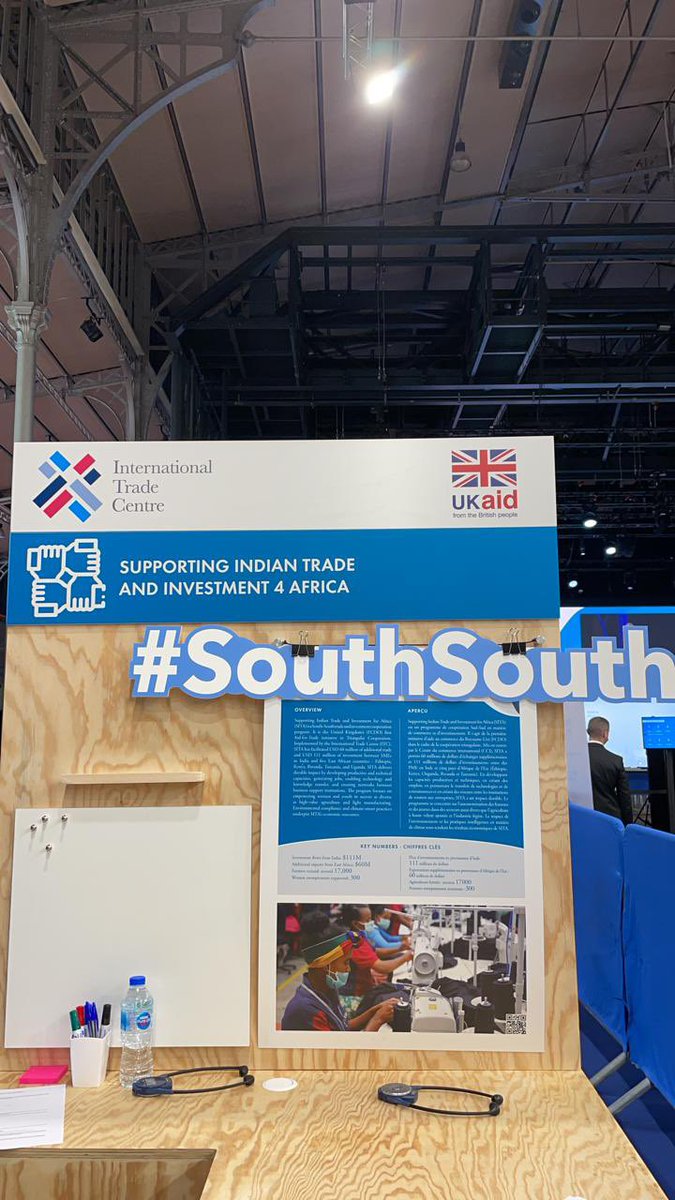
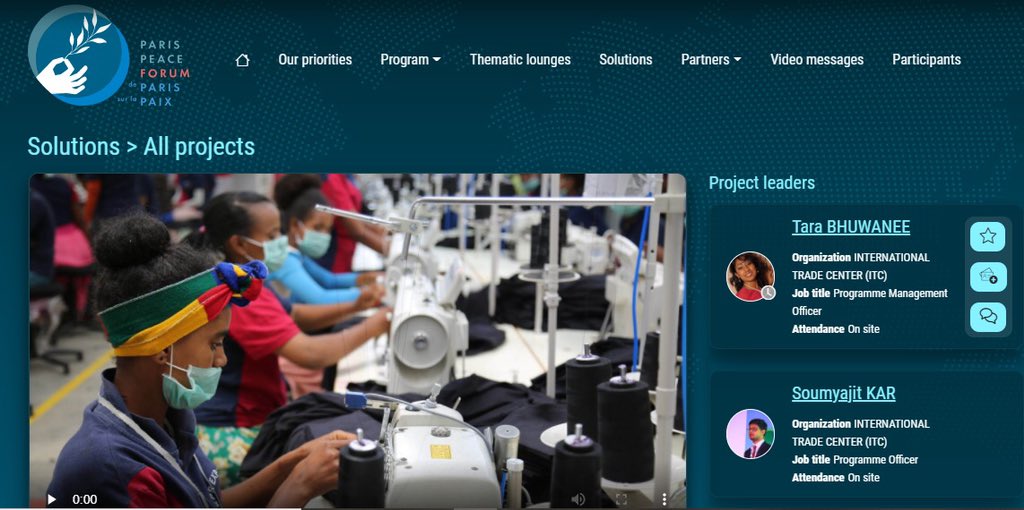
SITA has a booth at the @ParisPeaceForum, alongside other impressive #SustainableDevelopment projects.
🎟🎗Come swing by (virtually) and learn about #SouthSouthCooperation in East Africa, facilitated by SITA. Request an invitation here: https://t.co/WJNNNTcULQ
📈East Africa should strengthen, enhance and green its leather sector to boost exports for #SustainableDevelopment.
🐂🐏However, since hides and skins are a waste material from the meat industry, #leather inputs are rarely of highest quality and value chains are fragmented.
THE BACKSTORY: Back in May, SITA consulted East Africa’s leather stakeholders to find out the sector’s needs. In response, SITA created a training manual, which forms the basis of this week’s training program, delivered by experts from @ICLTLeather, University of Northampton.