This was the week things flipped for me: more to read & more post engagement on Bluesky than on twitter.
If you haven't, you should make a starter pack there on your favorite subject + see if your folks have made their own yet. Here's mine.
https://t.co/n9Yo4fEDQ1
@ProfBZZZ in their defense (for some reason) they waited until the last minute to be pretty sure they were going to lose anyway before rolling the dice on this
We spent $600B - $1.2T in real dollars fixing Y2K. It was a huge effort!
The lack of major problems from Y2K was more a result of solid preparation than misplaced fears.
@loganb "A continuous channel along that low edge then carries the water lengthwise to downspouts at the posts or ends." no source cited, nor does this fully address the problem, but it's not as if the old designs were
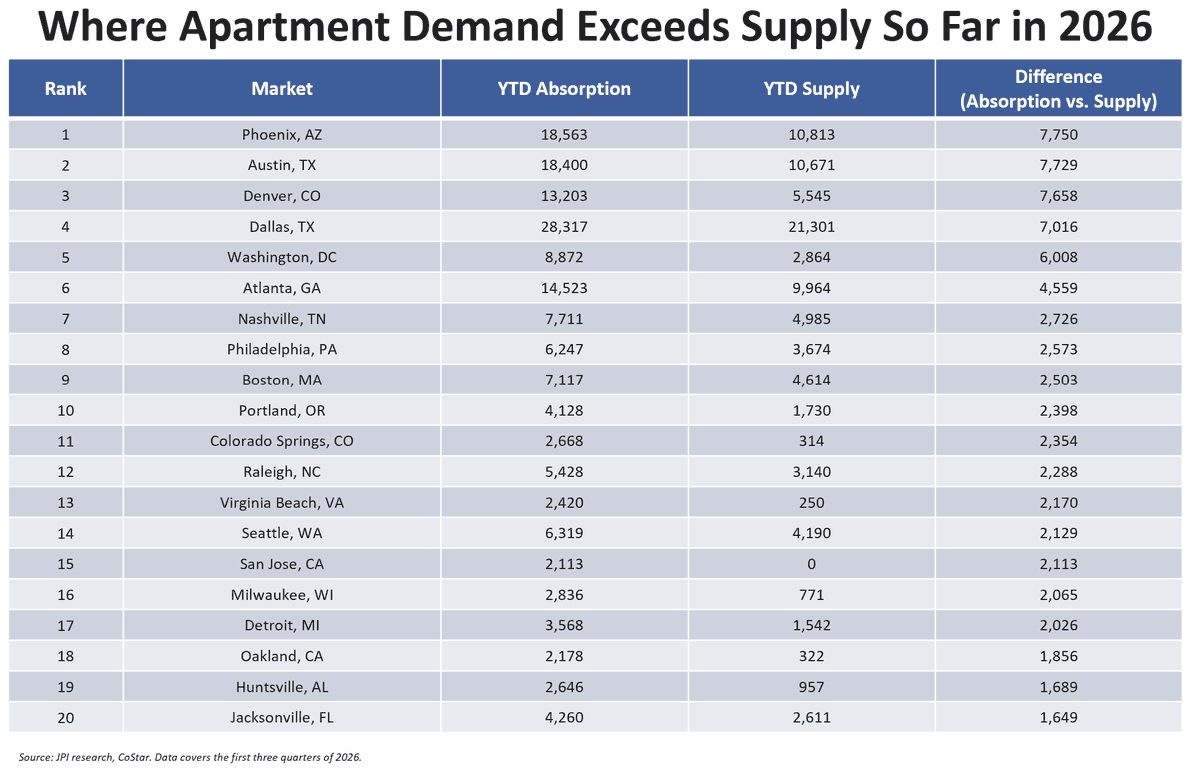
Here are 20 MSAs where apartment demand exceeds supply so far in 2026.
In most cases, vacancy rates still remain high due to 2023-25's supply wave, so the story here isn't that the market has recovered. It's about an inflection point where demand tops supply again for the first time in 4+ years.
Surprises: Phoenix, Austin, Dallas. Still somewhat elevated supply, yet very strong demand. Vacancy rates and rents still soft, but seeing momentum for first time since 2021-22.
Upward trend: Other previously high-supplied spots now seeing much more absorption than deliveries: Denver, Atlanta, Nashville, Raleigh, Huntsville, Jacksonville.
Low-supplied markets where supply isn't keeping up with demand: DC (showing positive trends following the DOGE-era slowdown), Philly, Boston, Milwaukee, Detroit, San Jose, Oakland. (No San Francisco only because there's little there to absorb given it's a very tight market, and you can only absorb what is available.)
To be clear: The apartment market in most regions (especially Sun Belt and Mountains) is still very much a renter's market. But 2026 may prove to be an inflection point year where low supply begins to allow demand to catch up, laying foundation for possible upward pressure on rents.
@buildhomez Also, at least where I was spending time the high-rises were mostly commercial, which probably makes more economic sense than residential in extremely high density nodes & corridors
@buildhomez Tokyo seems to me like the single best argument against fighting for high-rises rather than for whatever the fuck people want on those first three stories
A good YIMBY trend is cities reducing the number of zoning districts in their code
Redmond, WA reduced to 20 zones. Vancouver, WA reduced to just 10 zones. Meanwhile Seattle has 285.
Difficult to analyze feasibility when zones are so arbitrarily dispersed like this
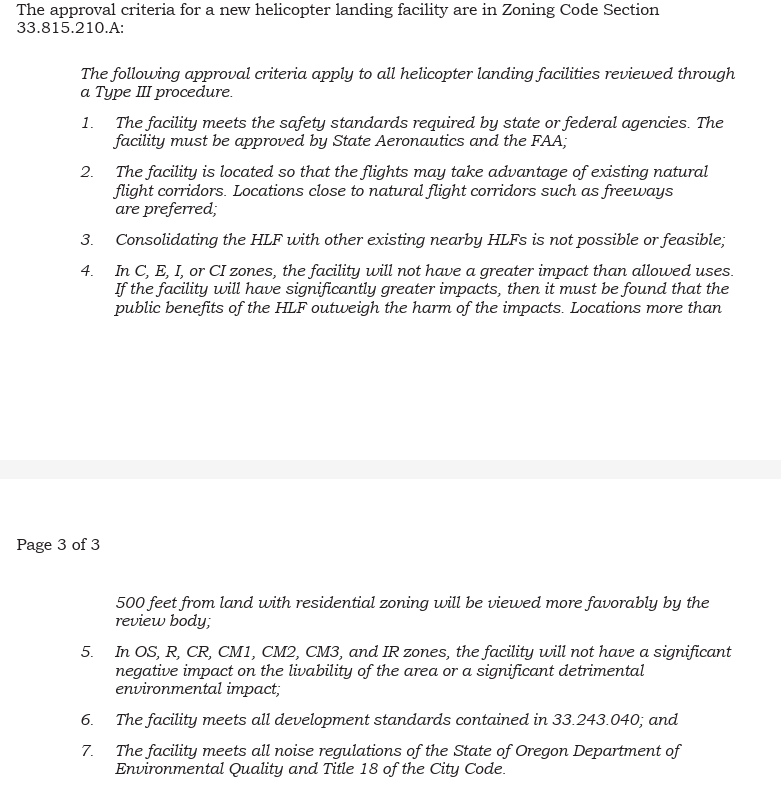
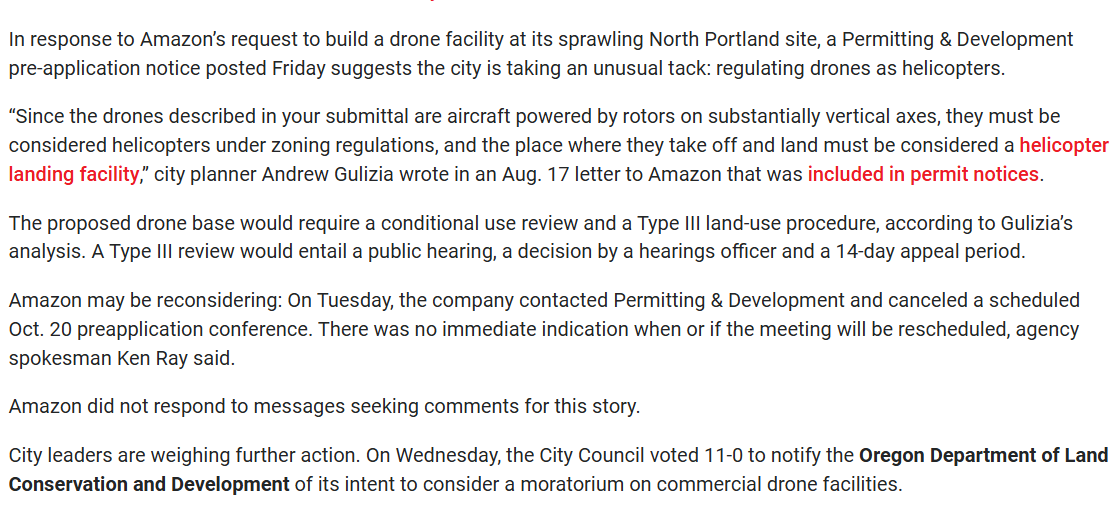
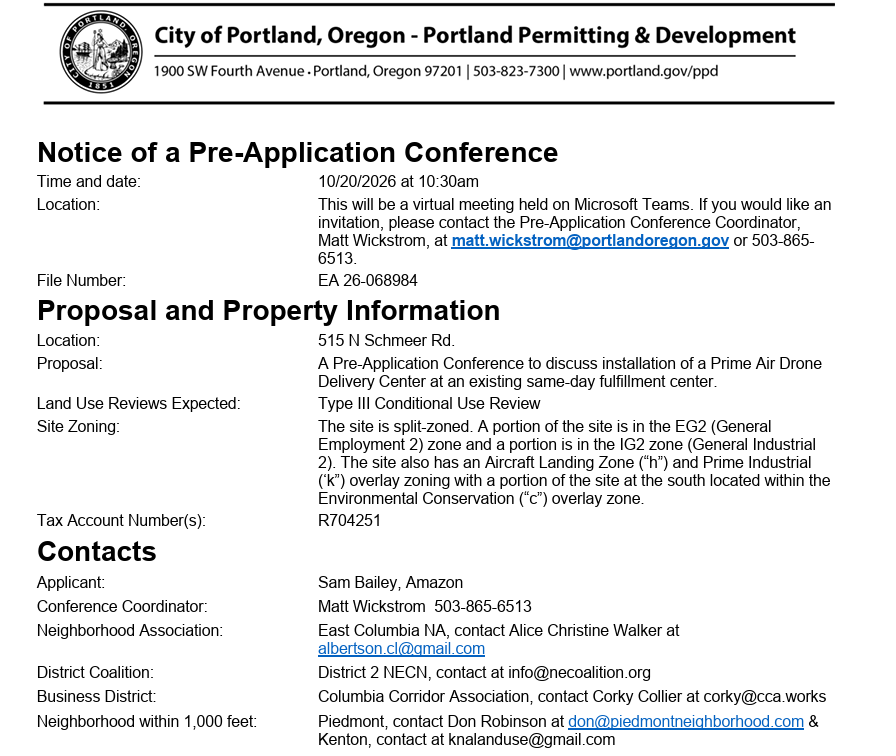
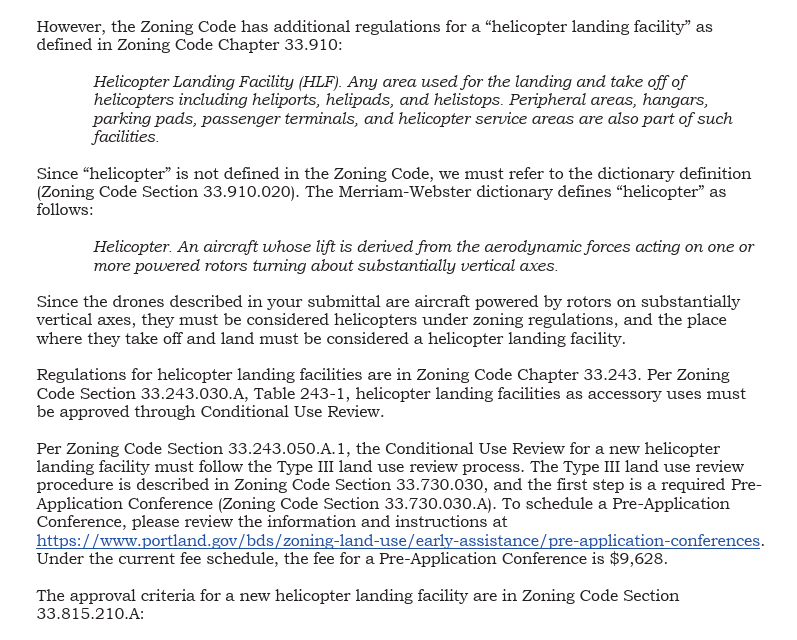
Amazon asked Portland for a Preapplication Meeting for a proposed delivery drone facility.
City staff chose to classify drones as "helicopters" by interpreting rules as strictly as possible, making permitting more difficult.
Now the plan is withdrawn.
https://t.co/4N9V06bm2Q
We’re hiring a messaging strategy manager!
Research, test, and refine pro-housing, democracy, and clean energy messages as part of Sightline’s communications team: https://t.co/1StAHQYUuw
crazy moment in the NY governor debate: Hochul says she wishes she pushed even harder on YIMBY policies, meanwhile, Blakeman literally *brags* about how his NIMBY policies have made housing so expensive