Yes bener, jaringannya lebih kecil.
Setelah 6 tahun membangun jaringan sensor kualitas udara Nafas, kami harus mengambil keputusan yang sangat berat.
Kami harus mengecilkan jaringan kami.
Bukan karena datanya tidak penting. Tapi karena pendanaan untuk jaringan ini tidak cukup. Kami sudah berusaha keras. Cari funding, cari sponsor, cari cara supaya jaringan ini bisa terus jalan. Tapi kenyataannya, membangun infrastruktur publik seperti ini butuh dukungan yang jauh lebih besar dari yang bisa kami tanggung sendiri.
Karena itu, kami mengubah jaringan sensor Nafas menjadi sebuah Yayasan - @yayasannafas . Artinya jaringan ini sekarang milik publik. Dan kalian bisa ikut menjaganya.
Ada 3 cara kalian bisa bantu:
1. Donasi langsung lewat Kitabisa (link di tweet berikutnya)
2. Sponsori satu sensor. Bisa patungan bareng komunitas kalian.
3. Ajak perusahaan kalian untuk sponsori kampanye kualitas udara.
Kalau kalian tertarik sponsori sensor atau kampanye, DM saya langsung - bisa disetup untuk sensor2 tertentu.
Kami sudah kasih yang terbaik selama 6 tahun ini. Sekarang kami butuh bantuan keluarga digital kami.
Kalau kalian nggak bisa donasi, bantu share ke orang yang mungkin bisa.
Itu sudah sangat berarti. 🙏
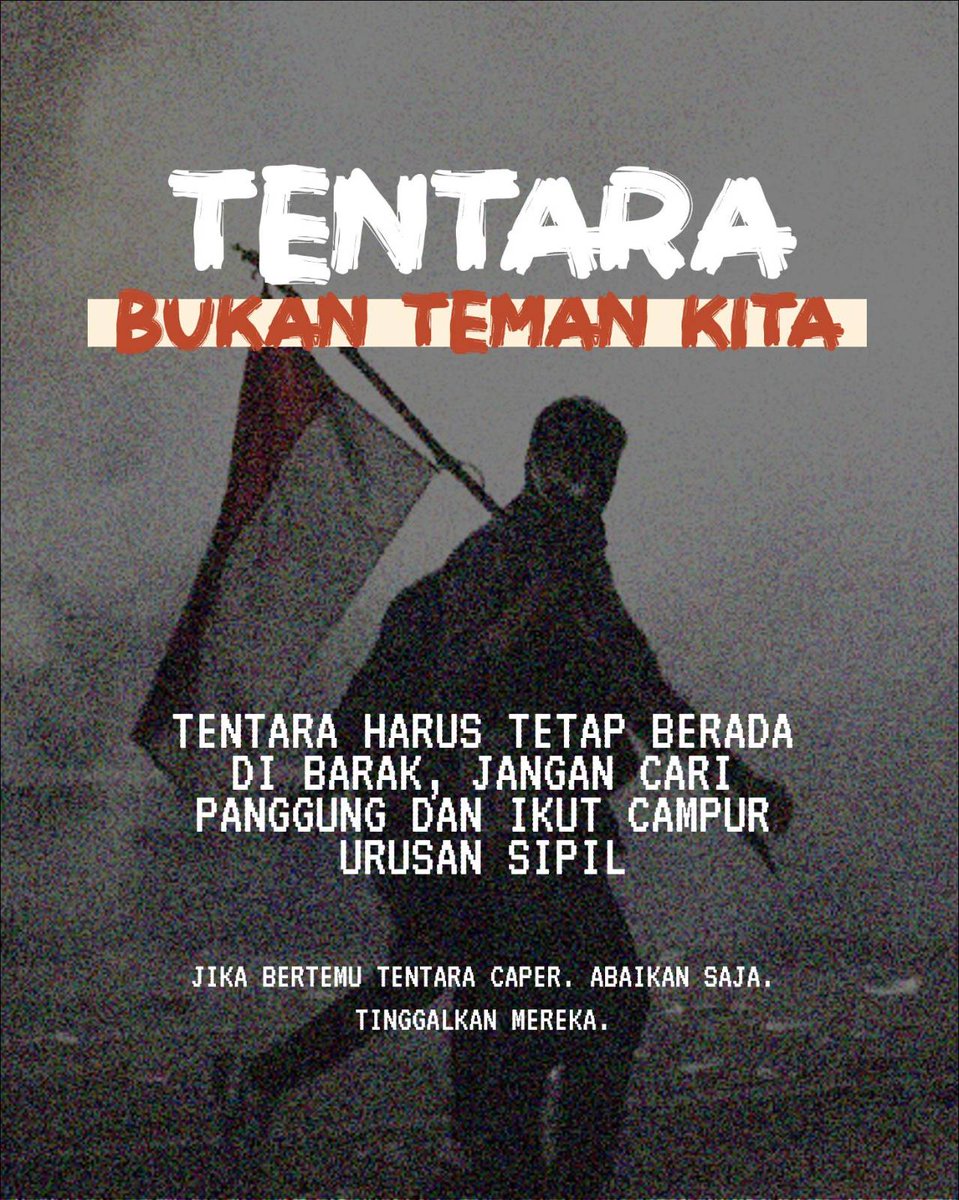
Kami mendapatkan kabar bahwa puluhan orang ditangkap oleh aparat keamanan.
Jika anda atau rekan anda belum ada kabar, mendapatkan intimidasi atau tindakan kekerasan lainnya, bisa menghubungi @LBHMalang .
Tim LBH Malang sedang menuju ke lokasi massa aksi yang ditahan saat ini.
#TolakUUTNI
Press Release: Call for Donor Countries @UKinIndonesia & @NorwayAmbIndo to Reevaluate Funding for FOLU Net Sink 2030 Program
The FOLU Net Sink 2030 program, launched under Indonesia's Ministry of Forestry, aims to curb greenhouse gas emissions through sustainable forestry and land use practices. While the initiative holds promise for environmental conservation, recent revelations about its management and funding allocation have sparked widespread concern, prompting an urgent call for review.
At the heart of the issue is the program's Operation Management Office (OMO), which is reportedly dominated by members of the Partai Solidaritas Indonesia (PSI), including the Minister of Forestry, Raja Juli Antoni, who also serves as PSI’s Secretary-General. This heavy involvement of PSI affiliates has fueled allegations of nepotism and potential misuse of funds, with critics suggesting that resources may be diverted to political interests rather than the program’s environmental objectives.
The FOLU Net Sink 2030 program relies heavily on international support, with significant funding provided by the United Kingdom and Norway through the Badan Pengelola Dana Lingkungan Hidup (BPDLH). These two donor countries have a history of contributing to Indonesia’s environmental initiatives, with previous accounts of funding directed toward reforestation and peatland restoration efforts. However, the current concerns cast doubt on whether these contributions—intended to advance critical conservation goals—are being utilized effectively and transparently.
In light of these developments, we call upon the governments of the United Kingdom and Norway to reevaluate their ongoing financial support for the FOLU Net Sink 2030 program. A thorough review is essential to ensure that their previous and current contributions are not being misallocated due to political influences, but are instead driving tangible environmental outcomes as intended.
Public outcry has amplified these concerns, with numerous posts on X (formerly Twitter) reflecting growing unease. Many users have demanded greater scrutiny of the program’s funding, expressing fears that the money from donor countries like the UK and Norway is being siphoned off to serve political agendas rather than protect Indonesia’s forests and peatlands.
We urge the United Kingdom and Norway to act swiftly to investigate the use of their funds in the FOLU Net Sink 2030 program. Transparency and accountability are paramount to restoring confidence in this initiative and ensuring that their longstanding commitment to environmental conservation in Indonesia is not undermined.
Cc @txtfromIR
100%
Dulu juga dipaksa bikin pernyataan “diperlakukan dg baik” sama Polda Metro. Gue bilang “lah kemarin saya diancam pistol” dan dibalas “kalo gamau ya ga pulang”… akhirnya gue tulis.
Pas kembali waras, gugat di praperadilan—dan kalah walau tindakan paksanya ga sesuai KUHAP.
Masih ada kadang middle class yang suka ngomel2 (baik dalam hati atau explicit) kalau ada demonstrasi. Bikin macet lah, kurang kerjaan lah, itu pengangguran lah, berisik lah, mending pada kerja lah, dll.
Pada ga sadar kalau yang stay di rumah kaya gw gini, itu udah dpt privilege banyak dari orang2 yang protes di jalan.
Hak-hak basic pekerja kita kaya kerja 5 hari seminggu, 8 jam sehari, cuti sakit, cuti hamil, dll itu semua ya didapetin dari orang2 yang berkeringat "kurang kerjaan" demo di jalan.
Bahkan di Indonesia, kita bisa lihat banyak kebijakan cek ombak kaya Tepera atau kenaikan PPn yang berubah karena orang2 yang "berisik".
So kalau ga bisa ke jalan, at least ga usa nyinyir dan kita bisa dukung mereka. Bisa berisik di socmed. Clickactivism (ikut aktif melalui online) itu secara riset bisa efektif juga koq. Bahkan Arab Spring dulu ada yang riset kalau itu awalnya dari social media activism.
Ini beberapa rights yang kita dapetin karena ada orang2 yg mau turun ke jalan:
- Eight-Hour Workday – The labor movement, including the Haymarket Affair in 1886, fought for and won the standard eight-hour workday in many countries.
- Minimum Wage Laws – Protests and strikes, such as those led by garment workers in the early 20th century, helped establish minimum wage protections.
- Right to Unionize – Worker protests pushed governments to recognize trade unions, leading to legal protections for collective bargaining.
- Paid Overtime – Worker strikes, particularly from industrial and factory workers, led to laws requiring employers to pay extra for overtime work.
- Anti-Discrimination Laws – Civil rights protests, including labor movements, led to laws prohibiting workplace discrimination based on race, gender, and other factors.
- Paid Sick Leave & Medical Benefits – Strikes and protests have pressured governments and companies to offer sick leave and healthcare benefits.
- Maternity and Paternity Leave – Protests and labor advocacy have led to laws granting paid leave for new parents in many countries.
#IndonesiaGelap