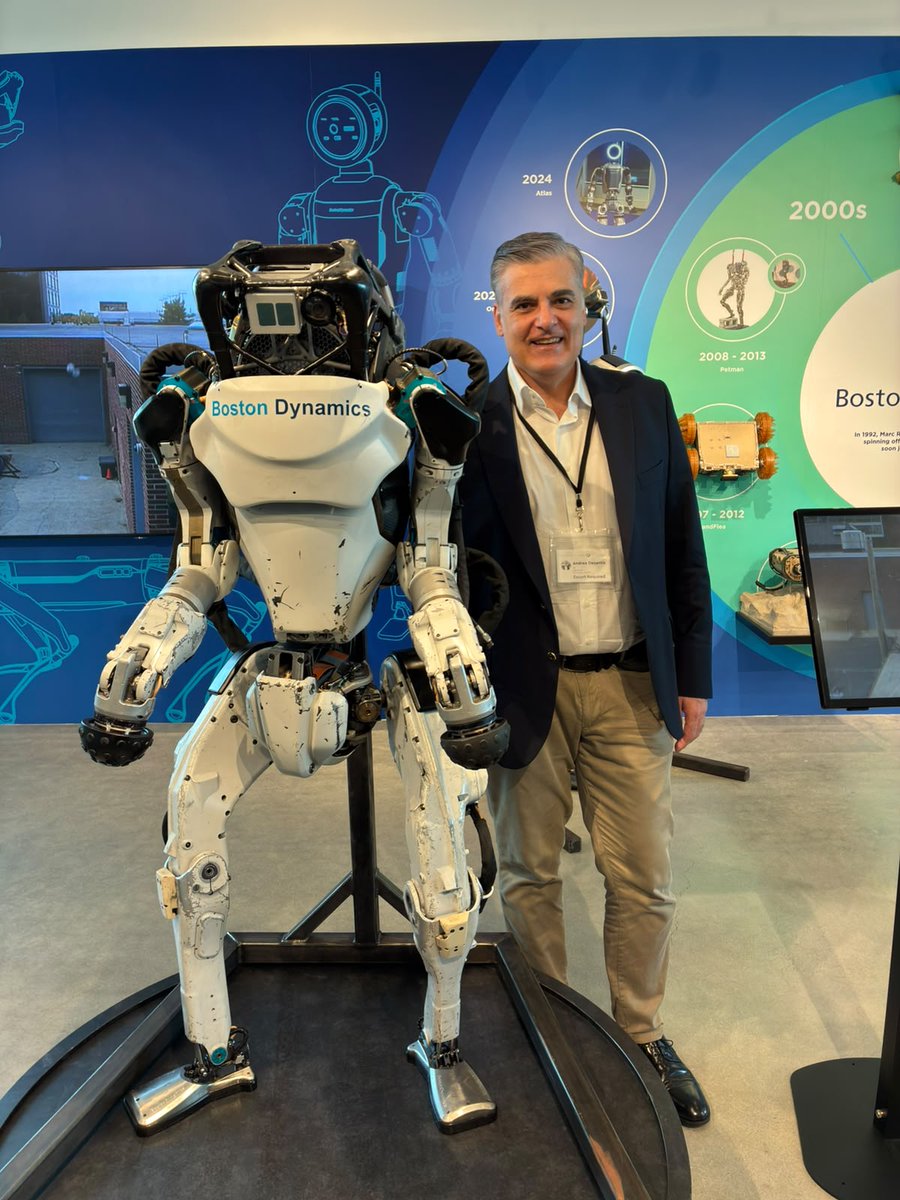
Boston Dynamics, Greater Boston, USA.
AI and robotics are not just a way to do yesterday's work faster. They challenge us to rethink organizations, decisions and ways of working.
Calling for the brakes to avoid change is not prudence. Transformation is a leadership task.
AI is turning us into augmented minds inside organizations designed for the past.
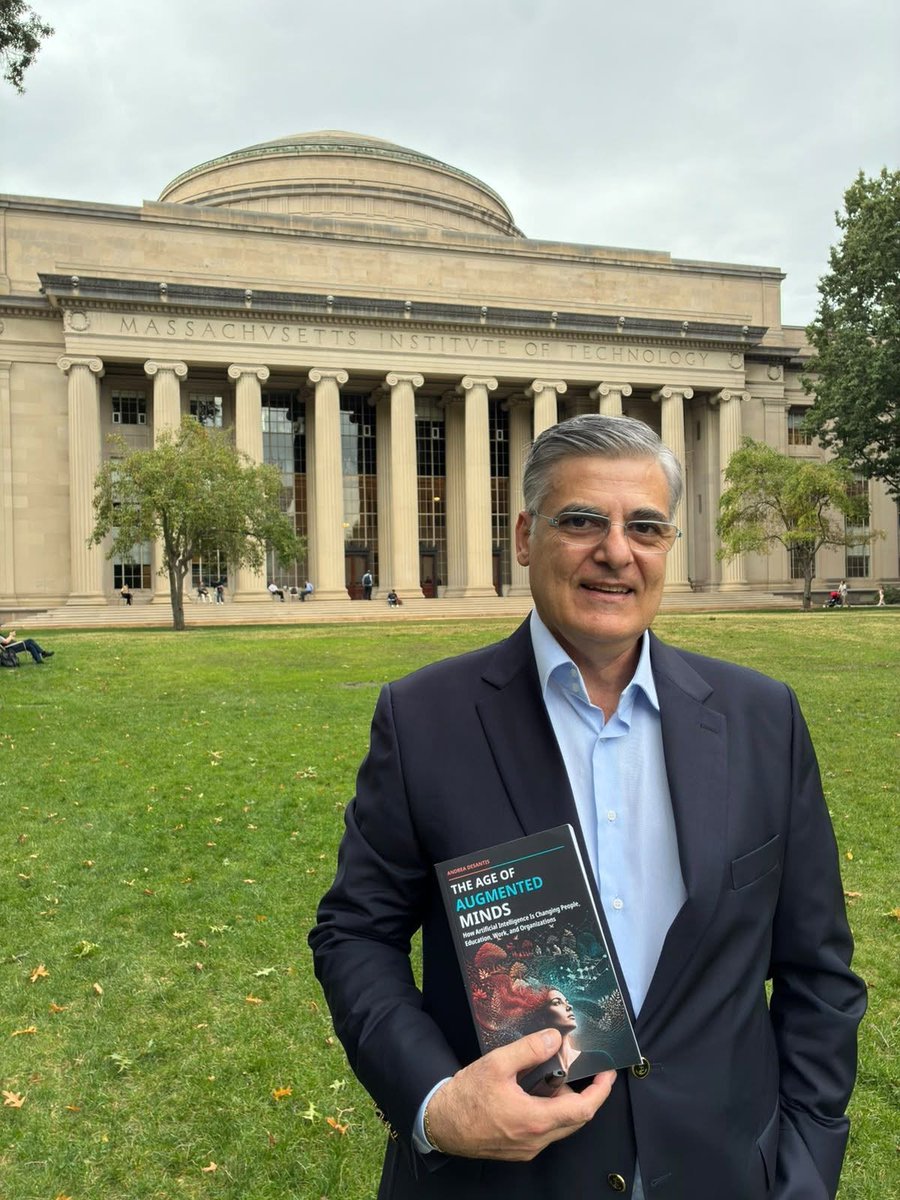
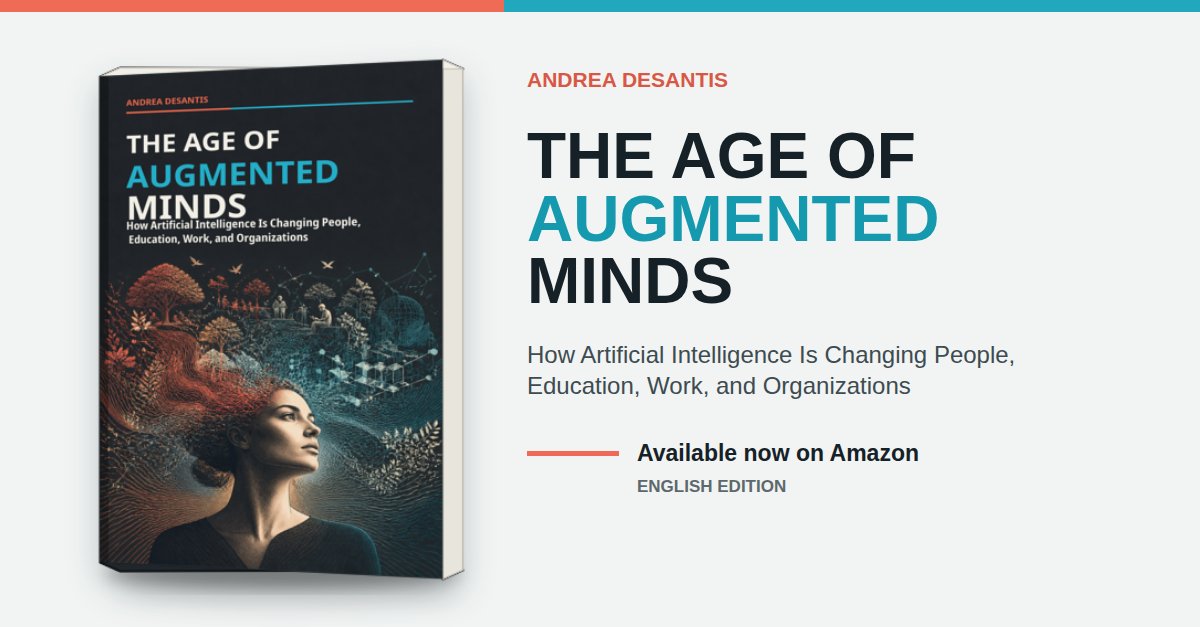
That is the central argument of my new book, The Age of Augmented Minds, now available in English.
Where do you see the greatest gap?
https://t.co/AtOzRzfPux
@GoogleDeepMind@ZoubinGhahrama1@FryRsquared Reliable AI needs more than confidence scores. It needs operating rules for when uncertainty changes the action: proceed, ask for human judgment, gather more evidence, or stop. Self-doubt matters only when tied to decision rights and escalation paths.
@AndrewYNg@percyliang Open training runs matter because they expose not just the artifact, but the decisions, tradeoffs and failure modes behind it. For enterprises, that is the part most often missing from AI adoption: not more models, but more traceable learning loops.
@core42_ai@mbzuai Sovereign AI becomes real capability only when research, infrastructure, governance and adoption practices move together. The difficult part is not announcing national AI capacity; it is turning it into repeatable operating capability across institutions and industries.
@GoogleDeepMind Games are useful because they force the loop to be explicit: goal, environment, action, feedback, adaptation.
The harder enterprise challenge is making that loop reliable when incentives, governance and accountability are messier than the simulation.
A Nature Communications paper reports a closed-loop AI+robotics platform that improved one enzyme 57x and another up to 104x in five cycles.
The real AI shift is not faster answers.
It is redesigning work as a learning loop: hypothesis, execution, measurement, feedback.
Two recent studies suggest an important point.
This is not an argument against AI.
It is an argument for better organizations.
AI can increase intelligence, speed and scale.
But if the organization stays the same, it may simply accelerate average thinking.
AI does not threaten work.
It reveals and accelerates the poverty of the idea of work many organizations already had.
Because it does not create a culture. It inherits one.
Layoffs are only the final act.
AI transformation is not about chasing every new model.
It is about turning models, data, tools, controls and people into reliable operating capability.
Less hype.
More method.