The Castlevania series celebrates its 40th anniversary on September 26, 2026!
To mark this milestone, we're excited to announce:
- A free app release of the original Castlevania game
- Special sales on select Castlevania titles
- Vinyl releases and streaming availability for series soundtracks
- Concerts and official merchandise
Official Portal:
https://t.co/D7y6qgnUMz
Thank you for supporting the Castlevania series over the past 40 years. The journey continues.
#Castlevania
This week in 1993, we released our album August and Everything After. What song do you have on repeat still to this day? Listen now: https://t.co/uzDe2qxfJK
Spotify recorta un 90% de tokens en Claude Code.
¿Cómo? Con un router inteligente interno.
Evita usar Claude para leer archivos enormes o generar boilerplate. Para eso usan modelos más baratos.
Lo explican todo paso a paso aquí y cómo puedes hacerlo tú también:
→ https://t.co/JI487TKqs5
Cada vez más empresas buscan ahorrar en tokens.
Un día como hoy, 37 años atrás, Technotronic irrumpieron como exponentes primigenios del hip house.
El 18 de agosto de 1989, ‘Pump Up The Jam’ comportó su sencillo debut e hizo las veces de carta de presentación del elepé homónimo.
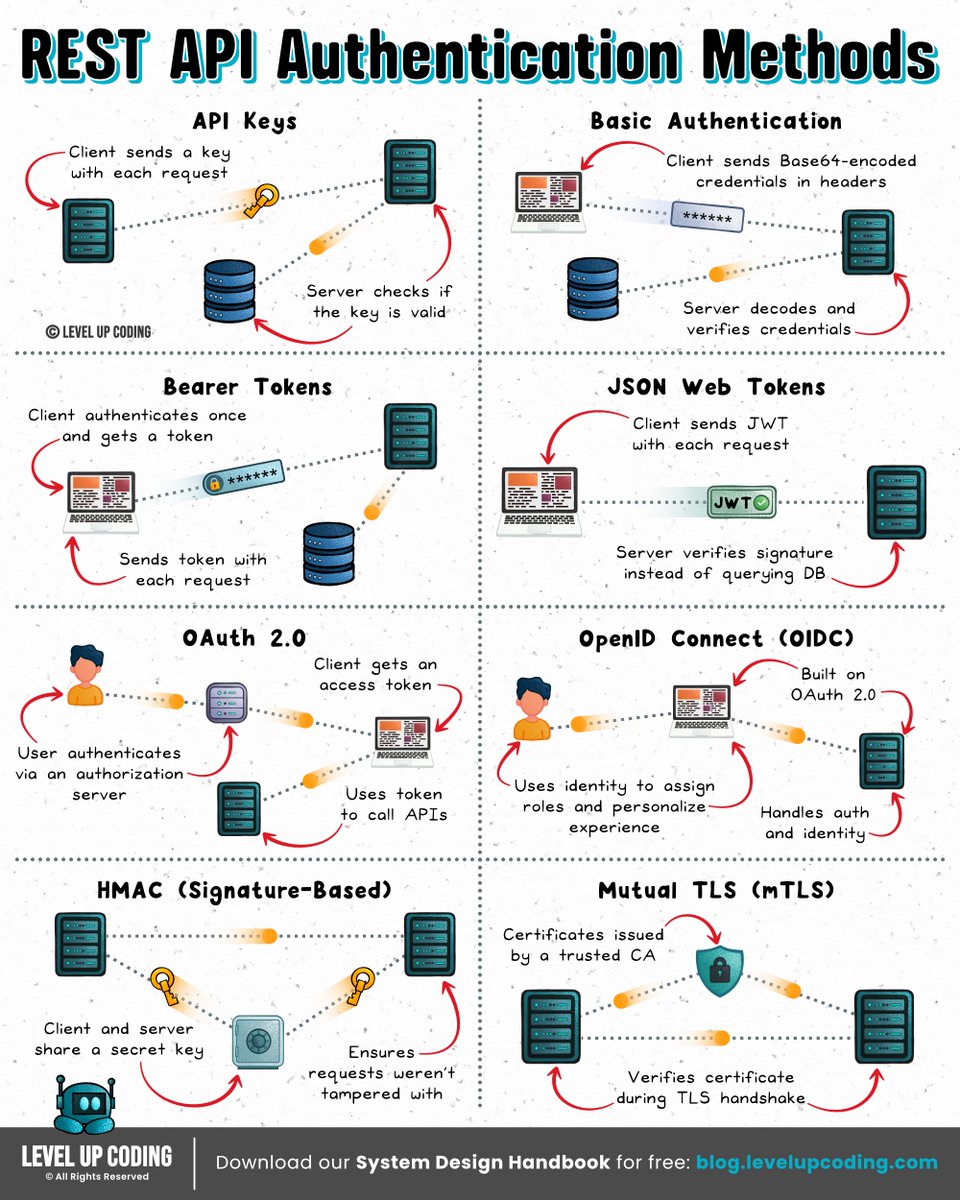
8 Authentication methods developers should know:
𝟭) 𝗔𝗣𝗜 𝗸𝗲𝘆𝘀
↳ A static key sent with each request. Simple for app identification, usage tracking, and rate limits, but risky if leaked.
𝟮) 𝗕𝗮𝘀𝗶𝗰 𝗮𝘂𝘁𝗵𝗲𝗻𝘁𝗶𝗰𝗮𝘁𝗶𝗼𝗻
↳ A username and password sent with each request. Easy to implement, but only safe over HTTPS and mostly used in simple or legacy systems.
𝟯) 𝗕𝗲𝗮𝗿𝗲𝗿 𝘁𝗼𝗸𝗲𝗻𝘀
↳ A token that grants access to whoever holds it. Flexible, but stolen tokens can be used until they expire or are revoked.
𝟰) 𝗝𝗦𝗢𝗡 𝗪𝗲𝗯 𝗧𝗼𝗸𝗲𝗻𝘀 (𝗝𝗪𝗧𝘀)
↳ Signed tokens that carry claims like user ID, roles, and expiration. Good for stateless auth, but harder to revoke.
𝟱) 𝗢𝗔𝘂𝘁𝗵 𝟮.𝟬
↳ A framework for delegated access. Lets apps access resources on a user’s behalf without sharing the user’s password.
𝟲) 𝗢𝗽𝗲𝗻𝗜𝗗 𝗖𝗼𝗻𝗻𝗲𝗰𝘁
↳ An identity layer on top of OAuth 2.0. OAuth grants access; OIDC confirms who the user is.
𝟳) 𝗛𝗠𝗔𝗖
↳ A request signature created with a shared secret. Useful for proving the request came from a trusted client and was not changed.
𝟴) 𝗠𝘂𝘁𝘂𝗮𝗹 𝗧𝗟𝗦
↳ Both client and server authenticate with certificates. Strong for service-to-service APIs, but heavier to operate.
The best authentication method depends on what you need to prove. Identity, access, integrity, and machine trust are different problems with different solutions.
What else would you add?
——
𝗔𝗿𝗲 𝘆𝗼𝘂 𝘀𝘂𝗿𝗲 𝘆𝗼𝘂𝗿 𝗿𝗲𝘀𝘂𝗺𝗲 𝗽𝗮𝘀𝘀𝗲𝘀 𝗔𝗧𝗦 𝘀𝗰𝗮𝗻𝘀? Check by using Kickresume’s ATS Resume checker.
Check your ATS score here → https://t.co/5leMTB0Yg4
Thanks to our partner Kickresume who keep our content free.
——
🔖 Save for later.
➕ Follow me ( @NikkiSiapno ) to improve at system design.
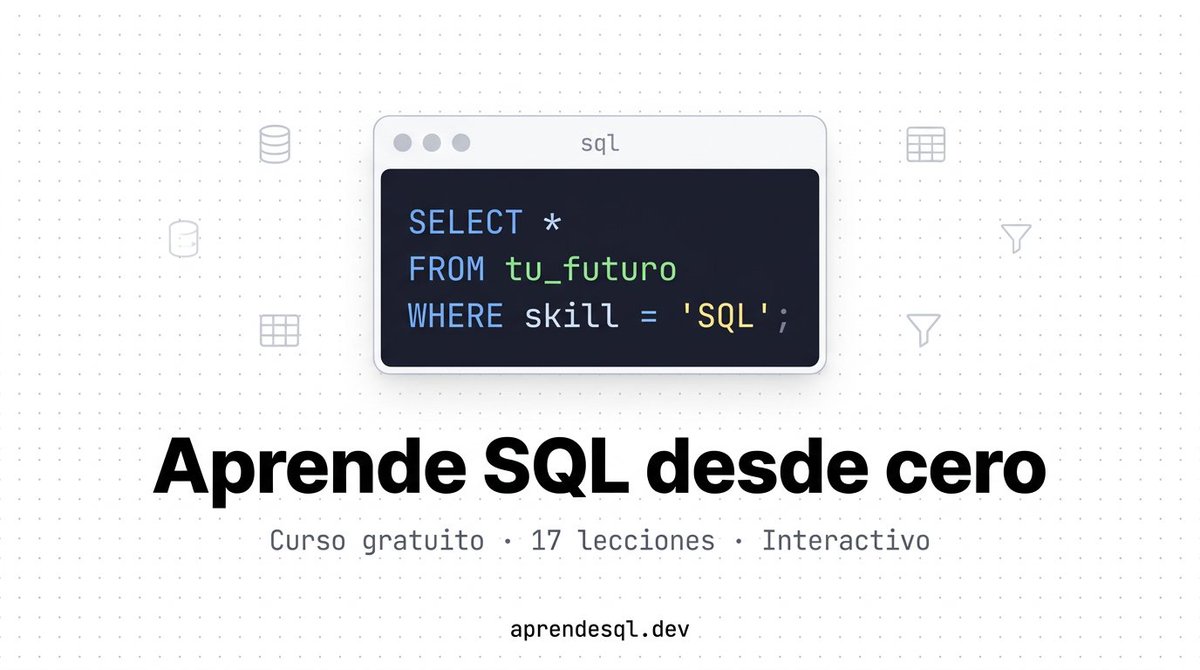
¿Quieres aprender SQL de forma práctica y desde cero?
He preparado un recurso 100% gratuito con:
✓ 26 lecciones en Español con ejercicios
✓ Desde SELECT hasta índices y subconsultas
✓ Con diagramas y playground en el navegador
→ https://t.co/k2QYOoqDMx
Si te sientes abrumado (como yo) de todos los avances y cambios que aparecen en el desarrollo con IA, siempre es buena idea repasar los conceptos básicos sobre los que se construyen.
En este vídeo repasamos los conceptos que existen detrás de Claude, Codex y otras LLM.
https://t.co/YpymGVmhyW
¡Mi curso de DOCKER ya está disponible!
Desde contenedores hasta un despliegue real.
✓ Dockerizar apps
✓ Imágenes y contenedores
✓ IA local
✓ Docker Hub
✓ Producción en Vercel
→ https://t.co/l4tgvvKiMr