@angelojco @mnolangray This will start happening in California too. Townhomes at 1/10 the density make more economic sense than rental apartments in some areas. This is a policy failure I feel some will respond to by banning townhomes, but the right solution is to subsidize more housing.
Important research by the @pewtrusts shows that 4-6 storey apartments with a single fire stair do not put residents at any greater fire risk (as compared to 2 stairs)
Single stairs are also cheaper, and could allow much more housing to be built!
https://t.co/K2iWwTPvVZ
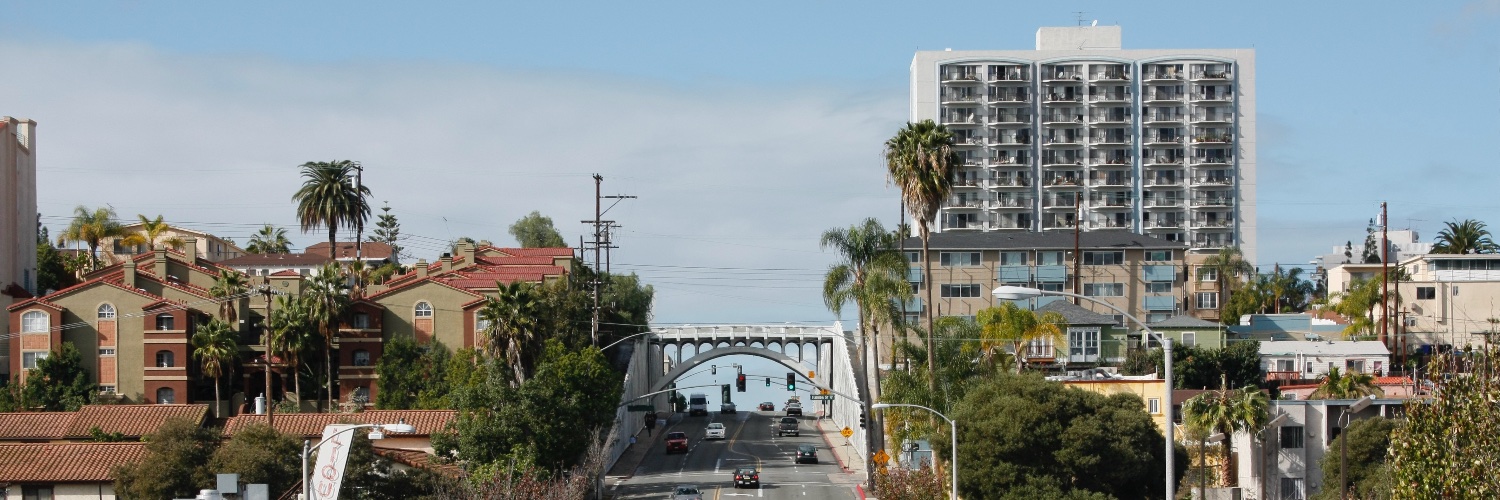
Fact Check: There are no 20 story towers next to single family homes in North Park. Density Limits make this highly unlikely. This is bad journalism. Kudos, to smart infill developments like Fox Point however, a well balanced infill project!
https://t.co/Sf2Ap5pcFg
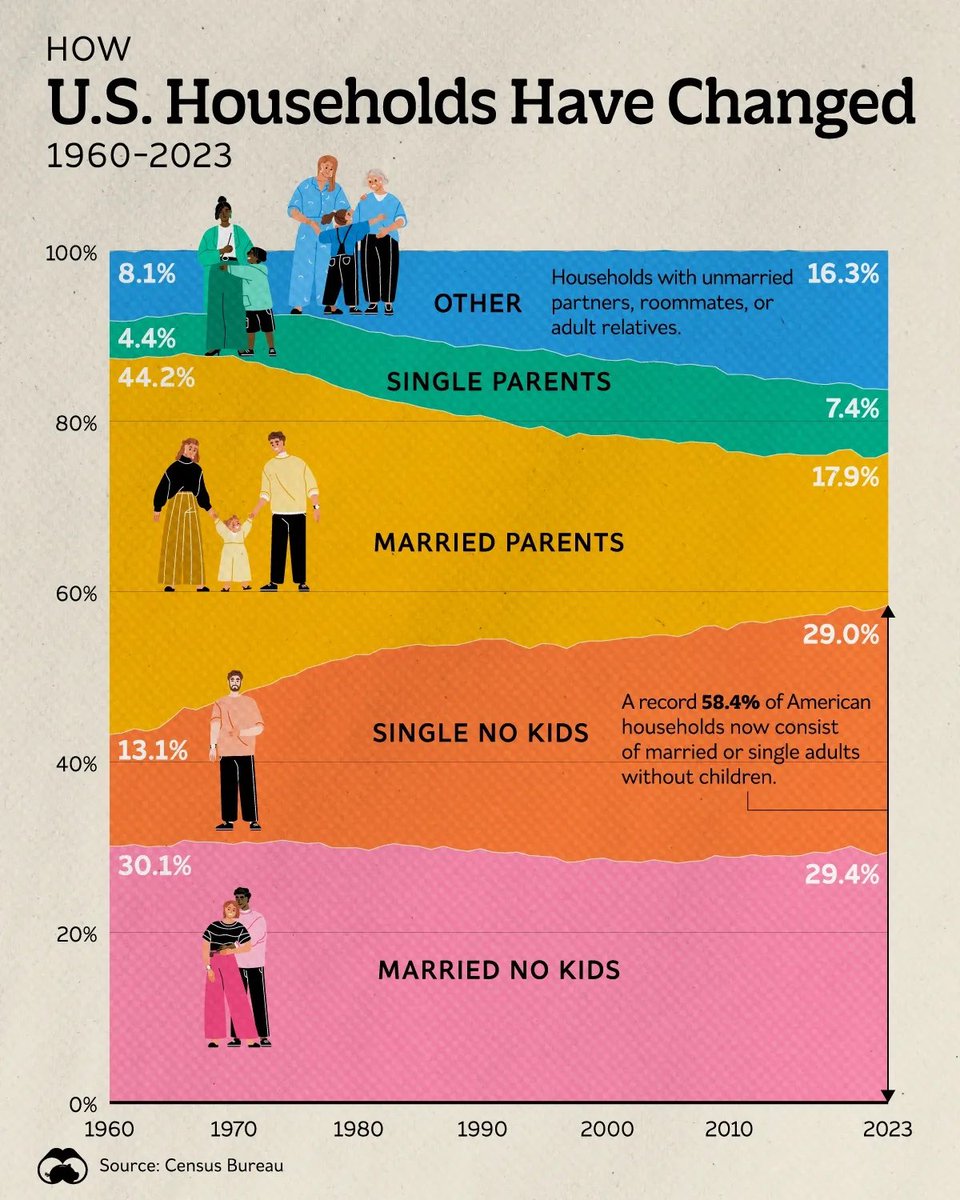
“We have enough housing” denialism answered in one graphic.
Single no kids: 220% of prior.
Married w/ kids: just 46% of prior.
Single parents: 168% prior.
We have a housing variety problem. Cities are not meeting the demographics & it shows over and over again in negative ways.
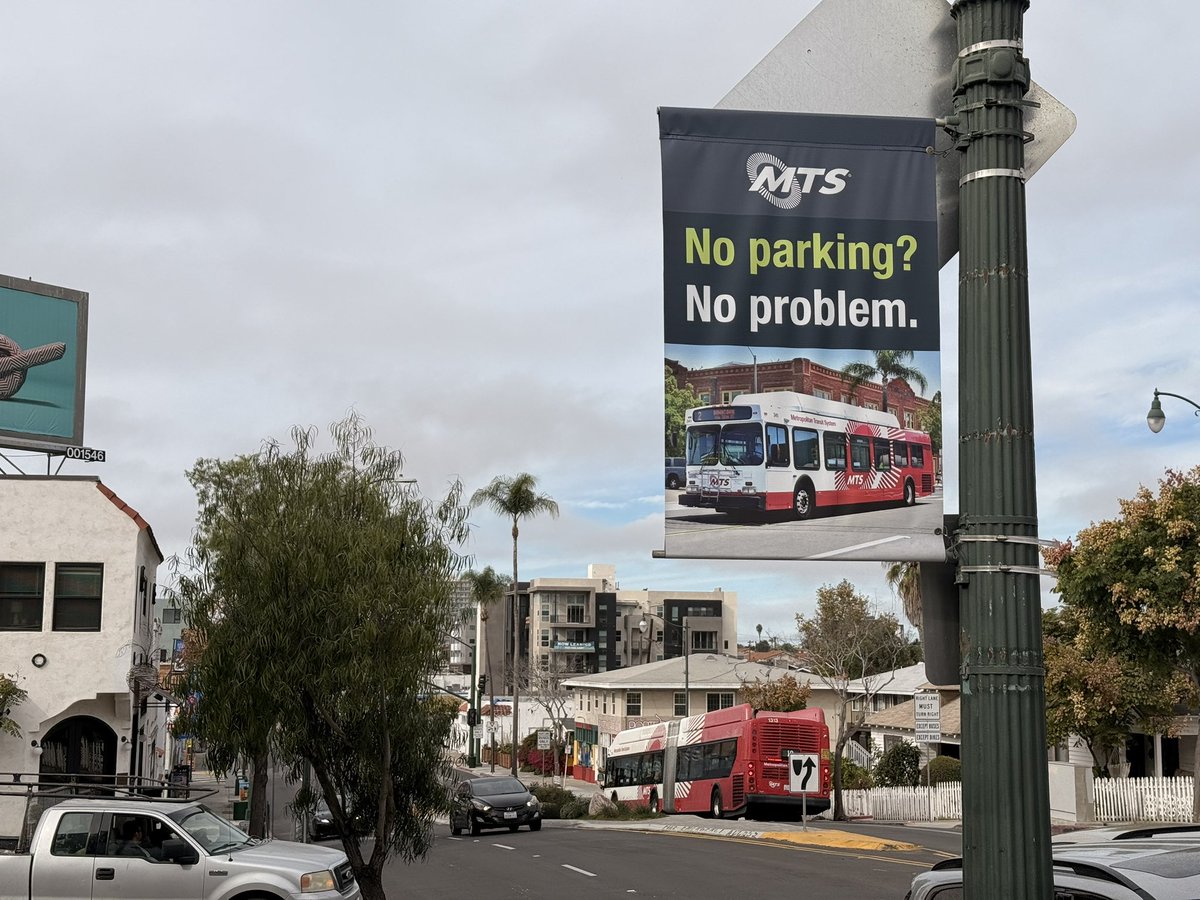
“No single legislative action did more to contribute to housing creation than the elimination of parking minimums.”
- Director of City Planning
📍 Minneapolis, MN
Come hear Andrew Malick speak with Leigh Eisen, Bill Fulton, and Howard Blackson on the Future of Design in San Diego. Bread & Salt, 7/25/24, 5:30pm
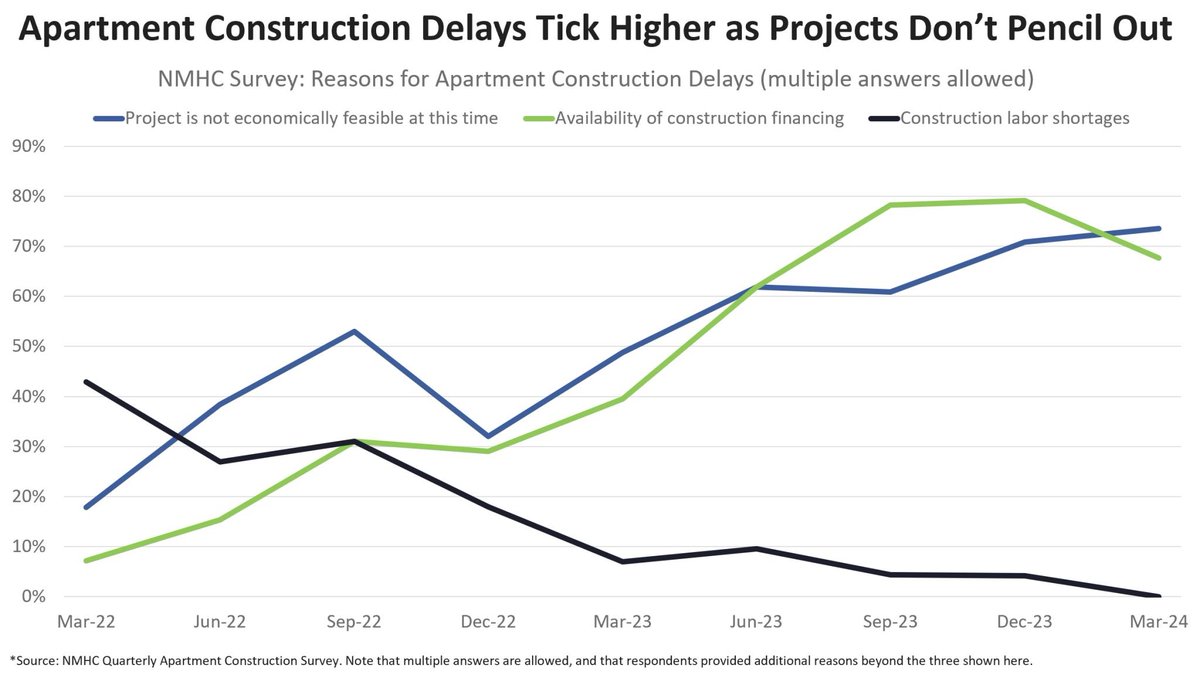
Apartment construction starts are rapidly declining, BUT not just because banks are pulling back on lending. That's not even the No. 1 reason.
The biggest reason? The math no longer works.
"Project is not economically feasible at this time" was the No. 1 reason for delays cited by respondents to NMHC's construction survey released this week.
So what does that mean?
1) Developers cannot generate the returns needed to justify the project to their capital partners. (And no, this isn't just about "greedy developers" because contrary to the social media noise, developers do not self-fund projects and instead must convince investors and lenders to inject that capital, and that's just harder to do right now despite developers' best efforts.)
2) Costs are sticky. Higher costs for debt, taxes and insurance + fairly sticky construction costs provide a big hurdle.
3) Rents are falling in many markets -- especially for new construction. Once-in-a-generation rent spikes of 2021-22 unquestionably helped trigger the once-in-a-generation supply surge of 2023-24, which then put downward pressure on rents. But those days are gone, and rising costs + slowing rents (and, in turn, falling property values / higher cap rates) make it less likely projects can pencil out.
Ironically, all these delays and the slowdown in starts helps buttress the pro-development argument that anyone who can break ground in 2024-25 amidst sluggish market conditions will be well positioned for growth in 2026-27 -- when new supply will certainly be dramatically less and (barring a recession or black swan event), demand should top supply and rents could be growing at a solid clip again.
Businesses often resist bike lanes, fearing parking loss may deter customers. Research since 1984 shows bike-friendly streets boost revenue and employment, benefitting urban economies overall.
https://t.co/iANVkWag1N?