Dad, husband, 🎣,Consultant Interventional Cardiologist (coronary and structural), Lancashire Cardiac Centre, Blackpool, 🇬🇧. Views expressed are my own.
@wesstreeting If we can’t afford an nhs where doctors are paid fantastic salaries and work in fantastic conditions we are getting it wrong. Or, I should say, YOU are getting it wrong.
Being a uk nhs doctor should be a great option for a great life, never a sacrifice. Have some pride.
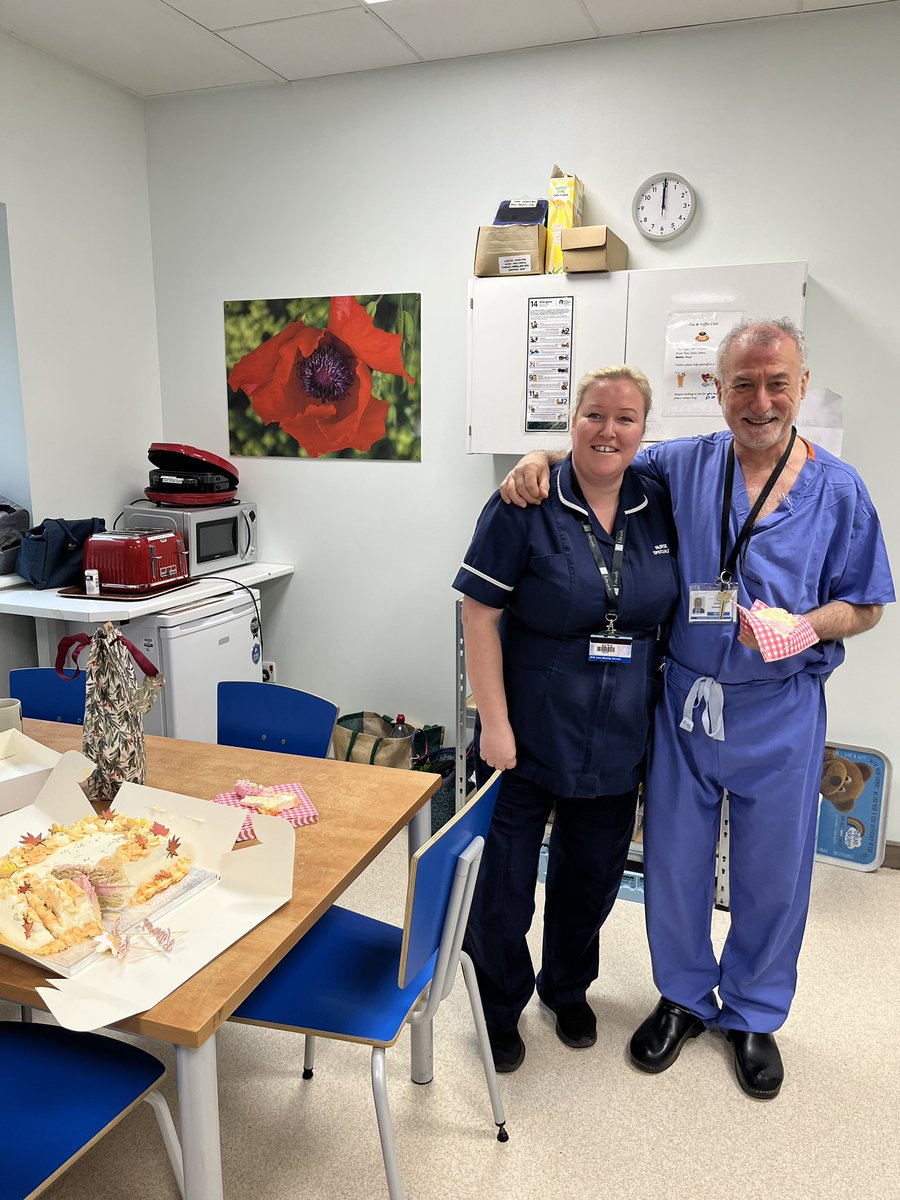
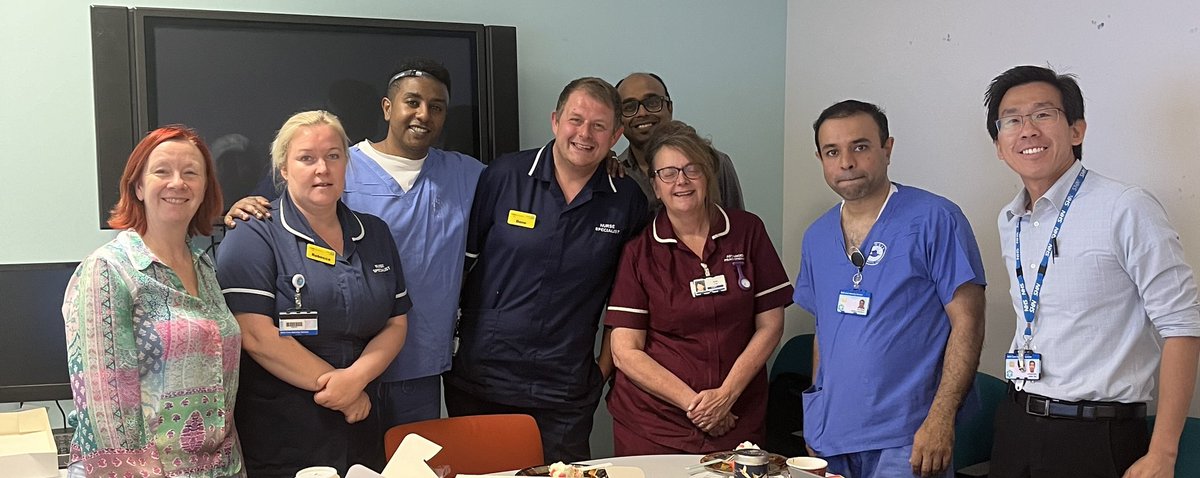
It’s the last week for our fantastic cardiac surgeon Mr Carmelo Raimondo
He will be greatly missed
A gentleman and a fantastic surgeon
All the best Carmelo
@BlackpoolHosp@RobertsHesketh@drtrc99@Collette16
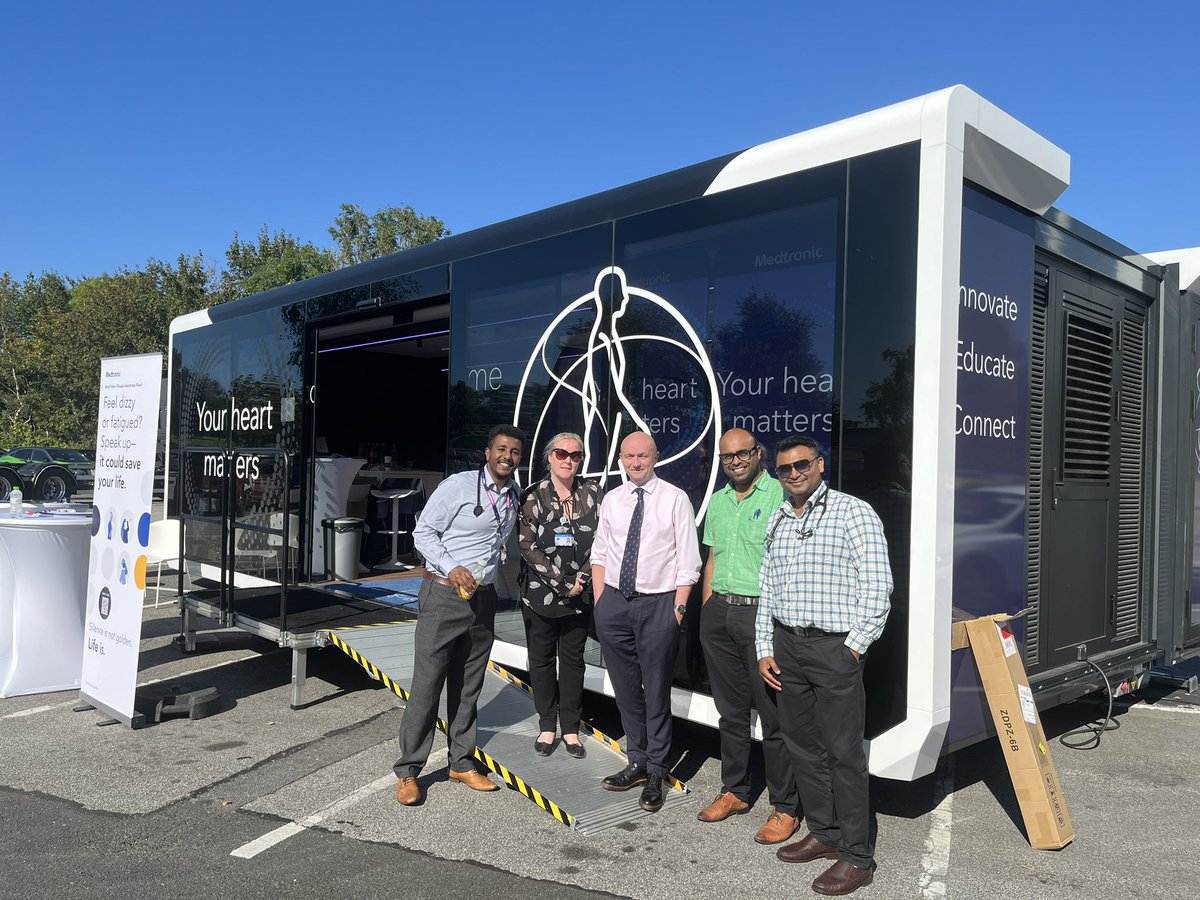
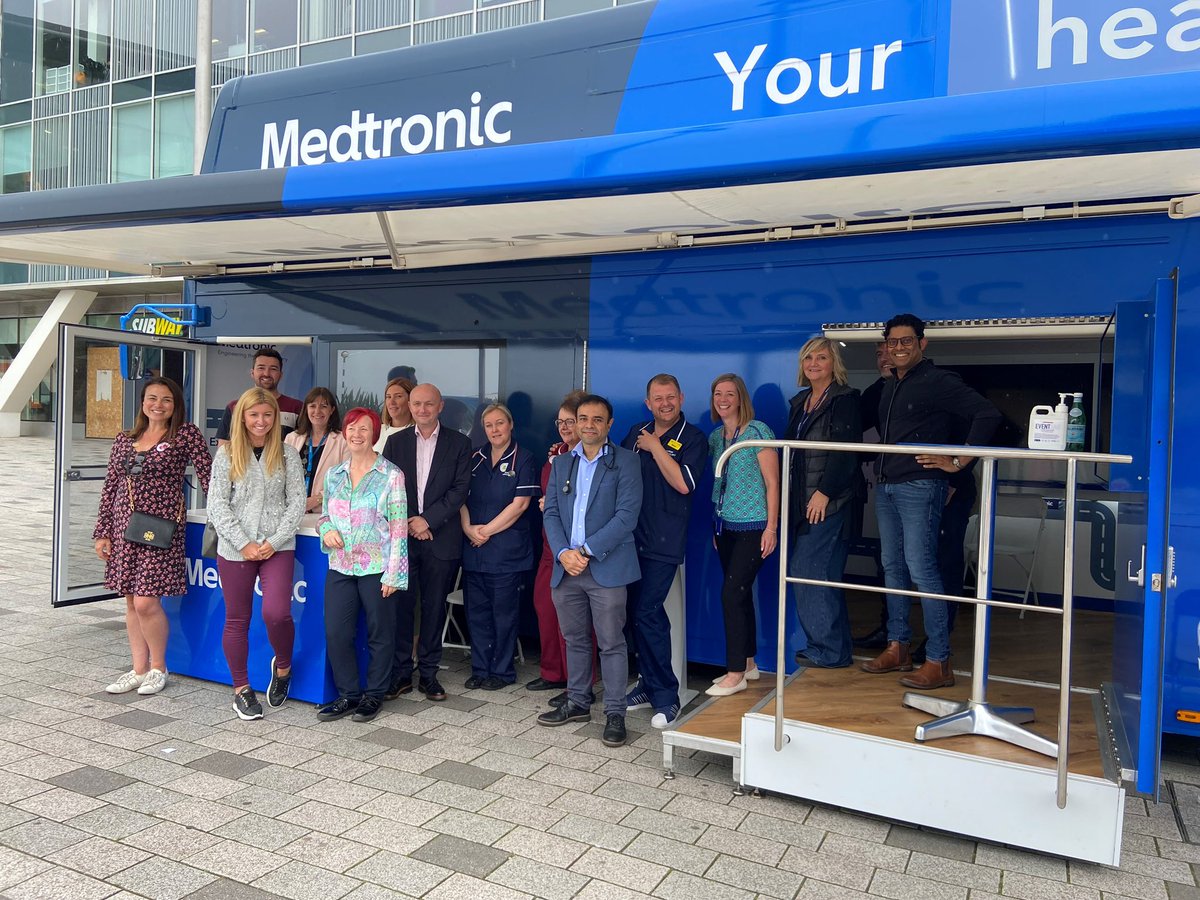
Great day screening in Lancaster on the Medtronic bus. 105 patients screened with heart valve auscultation and pulse check @BlackpoolHosp@UkValve@WilWoan Thanks to Ranjit More, Saad, Sharique, Arnab and Beki
80 nstemi sev ostial LM&LAD prxRCA CTO EF40 sev MR mod AS x1 kidney gfr 20 pt declined 🔪. Impella x1 access Ultra Lo Contrast PCI LM-LAD Orbital ath. Contrast 15ml. Done together with @andrewwiper habdelaziz. Thanks @suse_56296#LCC@sunita57347943
If only willing interventional cardiologists were allowed to train to contribute to this life-changing treatment… rather than being blocked by professional protectionism. Suitable patients need equitable access? @HelenRoutledge2
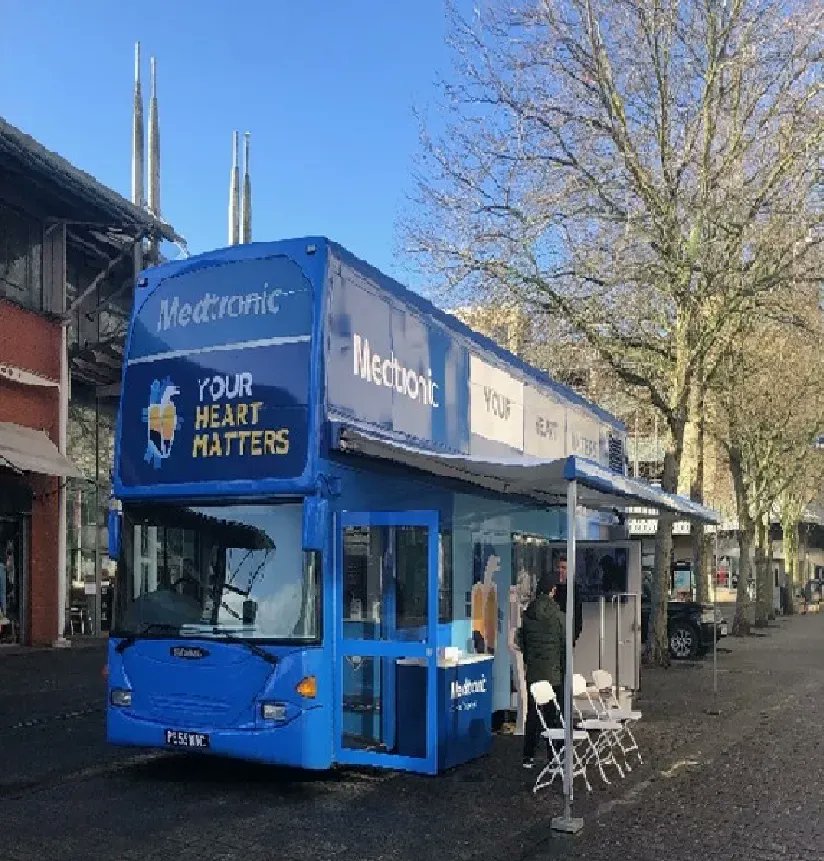
The ‘Your Heart Matters’ bus is touring the country to listen to the nation’s hearts.
The bus will be in Blackpool on Wednesday 23 August in Bickerstaff Square from 10am – 3pm.
Find out more here:https://t.co/bz4IqFPV33
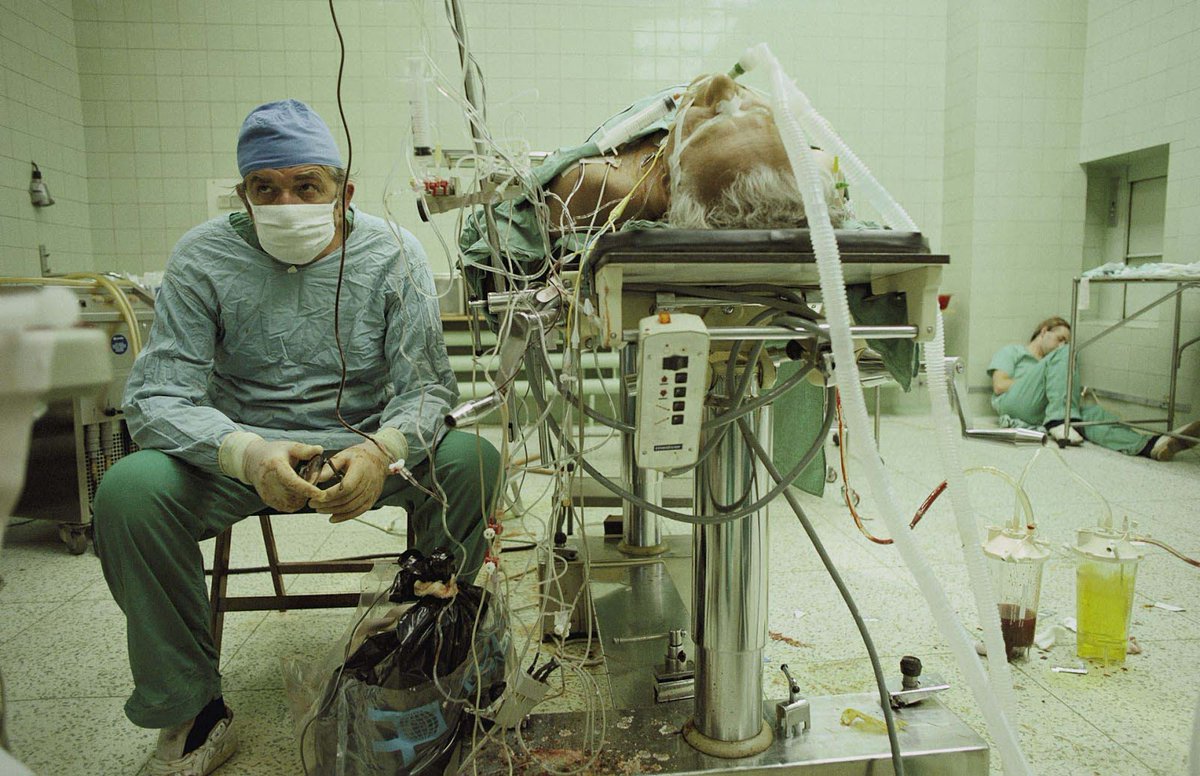
Dr. Zbigniew Religa, a Polish doctor, anxiously watched a screen to check his patient's response after a heart transplant. The surgery was complex and lasted 23 hours. In the photo, you can see one of his colleagues who helped him with the operation asleep in the corner.
Dr. Religa was a trailblazer for heart transplants in Poland. The surgery was seen as nearly impossible at the time, but he took the risk, and the operation was successful.
The patient, Tadeusz Żytkiewicz, lived for 30 years after the operation, outliving Dr. Religa.
The photo was taken by James Stanfield in 1987. He was documenting Poland's struggling and outdated free healthcare system, which was in crisis during the 1980s. The 'National Geographic' chose this picture as the photo of 1987, and it was named one of the 100 most significant photos in history.
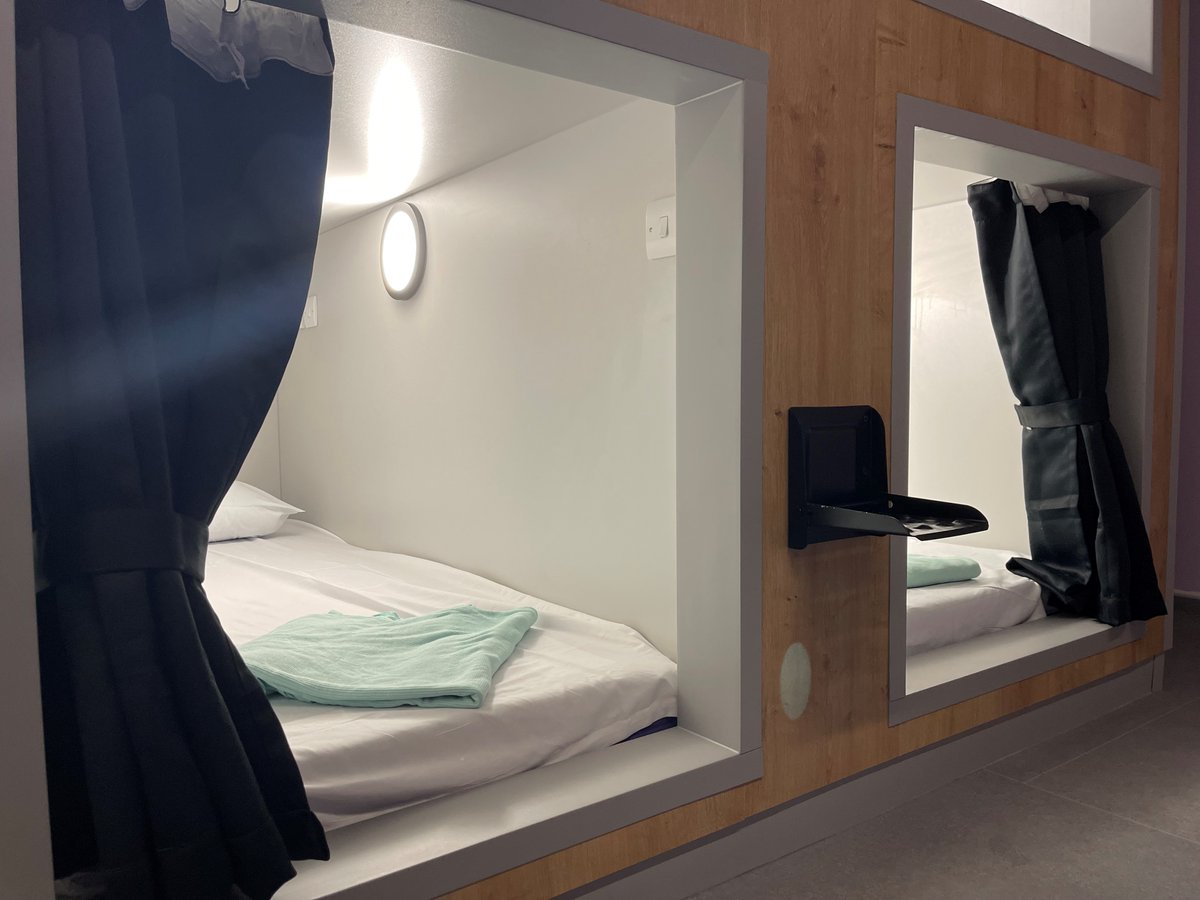
We unveiled our new #juniordoctors mess at Hull Royal Infirmary today, updated to provide comfortable modern surroundings for doctors in training to rest and relax. As well as seating, dining and kitchen areas, there are also 4 sleeping pods for those on-call/on shifts @PurvaDr
In 1922, a team of scientists went to the Toronto General Hospital, where numerous children with diabetes - often upwards of 50 - were housed in wards. Most of these children were in diabetic comas.
In what can only be described as their deathbeds, these children were waiting for a fate that, at the time, was deemed certain.
However, these scientists, brimming with determination, promptly began administering a newly purified insulin.
As they injected the final comatose child, a miracle happened - the first child who had received the injection started to regain consciousness.
And, one after another, the rest of the children also began to wake up from their diabetic comas. What was once a room of despair and imminent death had become a beacon of hope and joy.
The discovery of insulin was made by Frederick Banting and Charles Best under the supervision of John Macleod at the University of Toronto during the early 1920s.
They were assisted by James Collip, who played a crucial role in purifying insulin, thus paving the way for successful diabetes treatment. Their ground-breaking work earned Banting and Macleod the prestigious Nobel Prize in 1923.