UC Berkeley's Energy Institute at Haas • Western Energy Imbalance Market • energy policy • Oakland's Bicyclist and Pedestrian Advisory Commission • He/him/his
A group of California legislators want to slow down the CPUC's implementation of an income graduated fixed charge. @borenstein responds. https://t.co/SA9fT2ngEI via @energyathaas
"[B]y 2022, it looks a lot like it did in 2012, with about half of all new EVs going to the 10% most Democratic counties, and about one-third going to the top 5%." New research by Lucas Davis, Jing Li, Katalin Springel https://t.co/JCRKd0adcs
"[The Scrubgrass Power plant in Kennerdell, Pennsylvania] was on its way to be phased out (yay) until a cryptominer bought it and moved in their GPUs." @auffhammer with the latest on the impact of bitcoin mining. https://t.co/xaT63qEQKu via @energyathaas
Why the broadening electric vehicle market means that government subsidies will flow to buyers – not automakers. Lucas Davis examines through an economist's lens. More Good News for EV Buyers https://t.co/xqqNhaXYJu via @energyathaas
"[T]he estimates are all over the place: AI is on track to consume our entire energy supply; US data center demand will more than double by 2030; Data centers will draw up to 21% of the world’s electricity supply by 2030. "
New Paper🚨
Why are some countries polluted? Leading existing explanations: environmental policy; factor endowments. Additional story here: institutions provide comparative advantage in clean industries.
https://t.co/lQPJ6Eo2WW
Policymakers want cap-and-trade to balance many goals - greenhouse gas reductions, air pollution impacts, consumer prices, local jobs. James Bushnell focuses on how local trading restrictions, intended to address air pollution, could impact other goals. https://t.co/flcLtN22va
U.S. peak electricity demand on weekends is now almost as high as on other days as shown by Lucas Davis in Weekends Are No Free Lunch Anymore https://t.co/rGrzHpLZgb via @energyathaas
"[O]ne round-trip coast-to-coast flight cancels out the annual GHG difference between a person living in an 'efficient' 25th percentile electricity use home and a person living in a 'pretty hoggy' 75th percentile electricity use home." @borensteinS https://t.co/nAsCaJY55u
"I find that the common narrative of imprudent energy hogs and socially-responsible energy angels ... fails to adjust for differences in number of occupants, rooftop solar and climate." @BorensteinS (Mis)Judging Energy Hogs https://t.co/caIfmfpRqs via @energyathaas
The influences Formula 1 racing has had on technology innovation -- @auffhammer discusses his love of racing. Drive to Survive https://t.co/59ou7fxvpg via @energyathaas
The relationship between carbon markets and environmental justice is the focus of Meredith Fowlie's new blog post. Highlighting research from Dallas Burtraw and Nicholas Roy @rff. Carbon Pricing, Environmental Justice, Compromise https://t.co/h75Hw6qbQP via @energyathaas
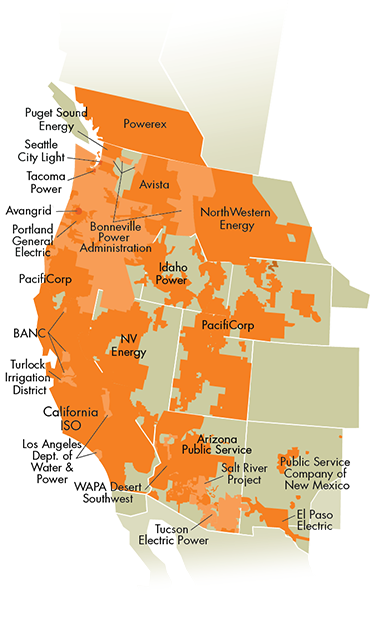
The 2Q report is in! The 22 participants in the Western Energy Imbalance Market have generated over $4 billion in economic benefits. Big environmental benefits too. https://t.co/5n4IN4XvXz
Observations from quiet Iceland by Energy Institute Faculty Affiliate @auffhammer. A Love Letter From Iceland https://t.co/YmVPluHBo8 via @energyathaas
"Same-day discounts supercharge the incentive to move away from the expensive hours and towards the discounted hours when supply isn’t constrained." @BorensteinS lays out a better way to design critical peak pricing programs. https://t.co/vsz1l6xPlm via @energyathaas
Investor-owned utilities vs. publicly-owned utilities in California. Meredith Fowlie and Duncan Callaway compare rates in the Energy Institute Blog. Not All of California’s Electricity Prices Are High https://t.co/wsvFKS9E2A via @energyathaas
"If zero emission trucks aren’t truly ready for primetime, industry will dial up its use of what I like to call 'creative compliance.'" Prof. James Sallee on new truck regs. Are Electric Trucks Ready for Primetime? https://t.co/AC2VOPLRCf via @energyathaas
James Bushnell looks at the challenge of managing carbon price volatility. Have Carbon Prices Broken Containment in Washington State? https://t.co/eaIVVXB7bY via @energyathaas
"at $190/tonne, it is more important than ever to transition away from burning natural gas in our homes and gasoline in our cars." @borensteinS Electricity Pricing and the Social Cost of Carbon https://t.co/zPboxe8kWR via @energyathaas