👩🏻 Ella entra al supermercado pensando:
・¿Qué desayunamos esta semana?
・¿Qué hacemos de cena?
・¿Queda fruta para los niños?
・El detergente está a punto de acabarse
・Mañana necesitan merienda para el colegio
・Quedan dos yogures
・El viernes vienen amigos a casa
・Y seguro que falta algo en el baño
Sale con 23 productos aunque en la lista solo había 7.
Y ahí está la diferencia.
Él entiende hacer la compra como completar una tarea:
“Dime qué falta y lo compro”.
Ella puede entenderla como anticipar lo que necesitará la casa antes de que falte.
Por eso él llega y dice:
“¿Cómo que falta comida? He comprado TODO lo que ponía en la lista”.
Y ella responde:
“Sí. Has comprado la lista. No has hecho la compra”.
Uno piensa en lo que falta hoy.
El otro recorre mentalmente desayunos, cenas, colegio, baño, limpieza y lo que probablemente se acabará dentro de tres días.
No siempre es que uno ayude menos y el otro compre demasiado.
Es que uno está ejecutando una lista.
Y el otro está gestionando mentalmente la semana.
Él: “Si quieres que compre algo, apúntalo”.
Ella: “Si tengo que pensar qué falta, cuándo faltará y además apuntártelo, una parte de la compra ya la he hecho yo”.
@EdoWeatherman Yo alnigual que varios, mas le creo a ud. Acabo de ver en la tele que para Thno llega un temporal de lluvia y viento fuerte pars el domingo, es así? Cómo se ve la cosa para estos días allá? Muuuuchas gracias.
Minutos de terror vivieron pasajeros del vuelo Sky Santiago Concepción de esta mañana, ya que debido a las fuertes ráfagas de viento (107 km/h, medidos) no pudo aterrizar. Lo intentó dos veces hasta que desistió y tuvo que retornar a Santiago @Cooperativa
Actualización.
El temporal ya causa estragos en diversos sectores, principalmente por el viento. Esta tarde y noche la lluvia se intensificará desde Coquimbo al sur. El viento seguirá presente.
Mañana esto se concentra de Atacama al sur y cuidado porque la tarde del viernes llega una baja presión a potenciar la lluvia y viento.
Actualmente me encuentro sin luz por lo que intentaré actualizar cuando sea posible.
Comente la situación de su sector y cuídece porque esto recién comienza.
#Temporal
#SistemaFrontal
En #MesaCentral de canal 13 estan hablando del cae y las conclusiones que sacan demuestran como la gente estúpida en este pais es que la que toma decisiones.
Algunas conclusiones TOP 5 de lo ridículo.
1. Los desertores de las carreras, desertan ya que les ofrecen lucas.
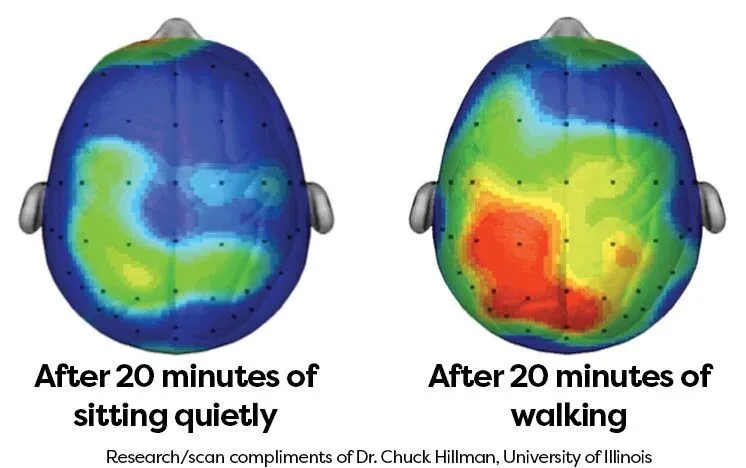
🚨Twenty minutes of walking triggers measurable brain rewiring.
That timeframe should terrify every person chained to a desk. Twenty minutes. Not twenty days, not twenty weeks. In the span of a single episode of a TV show, your brain begins physically restructuring itself at the cellular level.
Neuroscience research reveals that this brief window of rhythmic movement activates gene expression patterns that had been dormant. Within those twenty minutes, your hippocampus starts manufacturing fresh neurons. Your prefrontal cortex begins strengthening synaptic connections. Blood flow to regions governing memory and executive function increases by 15 to 30 percent.
The implications destroy every excuse you've ever made about not having time.
Most people spend twenty minutes scrolling social media, watching random videos, or sitting in traffic. During that same period, they could literally be growing their brain. The opportunity cost is staggering. Every twenty minute block you remain sedentary is a twenty minute block your neural architecture remains static, aging, shrinking.
Researchers tracked office workers who took twenty minute walking breaks versus those who remained seated. The walkers showed immediate improvements in attention span, working memory, and creative problem solving that persisted for hours afterward. Their brains generated more alpha waves, the electrical patterns associated with calm focus and insight. The sitters showed declining cognitive performance throughout the day.
The twenty minute threshold reveals something profound about human neurobiology. Evolution wired our brains to expect regular movement. Our ancestors walked 5 to 10 miles daily while hunting, foraging, and traveling. The modern sedentary lifestyle represents a radical departure from the movement patterns that shaped our neural development over millions of years.
When you walk for twenty minutes, you're not just exercising. You're activating the biological programs that built human intelligence. The rhythmic gait pattern synchronizes brain waves across multiple regions. The increased oxygen delivery feeds neural tissue that's been starved by prolonged sitting. The gentle stress of movement triggers adaptive responses that make your brain more resilient.
Psychology studies reveal that twenty minute walks reduce cortisol levels more effectively than meditation apps, therapy sessions, or pharmaceutical interventions. Cortisol, the chronic stress hormone, shrinks the hippocampus and impairs memory formation. Walking doesn't just lower cortisol. It reverses the brain damage that elevated cortisol causes.
It's found that people who sit for more than 8 hours daily show brain patterns identical to patients with early stage dementia. Their hippocampi are visibly smaller. Their white matter is less organized. Their processing speed declines measurably with each passing year.
Twenty minutes of daily walking can prevent and reverse these changes.
The research suggests that sedentary behavior isn't just bad for your heart and muscles. It's a form of accelerated brain aging. Every hour you spend immobile, your cognitive capacity degrades in ways that compound over time. The good news is that those changes aren't permanent. The brain retains remarkable plasticity throughout life. But you have to activate that plasticity through movement.
Silicon Valley executives have started conducting meetings while walking. They report better decisions, more creative solutions, and clearer thinking. They've accidentally rediscovered what Aristotle knew 2,400 years ago: the best ideas emerge when the body moves and the mind follows.
Your brain evolved to think while moving. Sitting still for hours violates the fundamental architecture of human cognition. Every step you take sends electrical signals through your nervous system that say: stay sharp, build connections, generate insights.
Twenty minutes. That's all it takes to begin rewiring decades of neural stagnation.