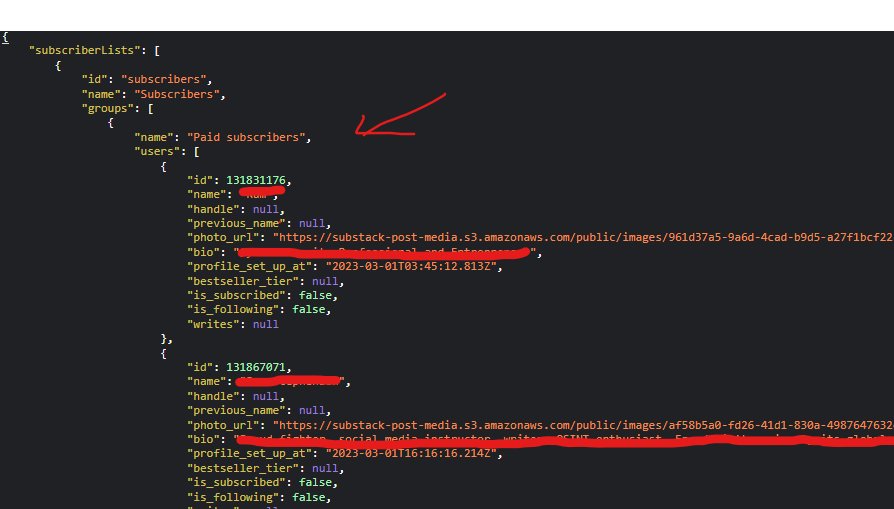
The most interesting thing about #Española was never just the group itself.
It was what the case revealed about the system around it: how a state at war borrows energy, loyalty, and identity from a social world it did not build.
This project started with a name.
A Russian wartime unit called itself #Española.
As a Spaniard working in #OSINT, I couldn’t just scroll past that.
Ten months later, it had become a book. Get a free copy in https://t.co/PvC846hNTK
I used AI while writing this book.
Not as a fact machine. Not as a shortcut. It helped me structure, draft, cut repetition, test chapters, and pressure weak passages until they either improved or collapsed.
That was the useful part. https://t.co/kZlecgtZrY
The interesting part was not just using AI.
It was building a workflow around it.
Notes. Fragments. Source extracts. Drafts.
Then protocols.
Then revision.
Then editorial pressure.
That whole process is public here:
https://t.co/B7S3F0g8e5
With our “About this Image” tool in Search, you’ll be able to see important context, like where else an image has been seen online, or when and where similar images have appeared. Later this year, you’ll be able to use it in Lens in the Google app or Chrome. #GoogleIO
@icreatelife Such a good initiative Kris, thanks for it! I'm an open source intelligence researcher and I'm currently exploring how AI can help to improve investigations, collect evidences or discovering new leads.
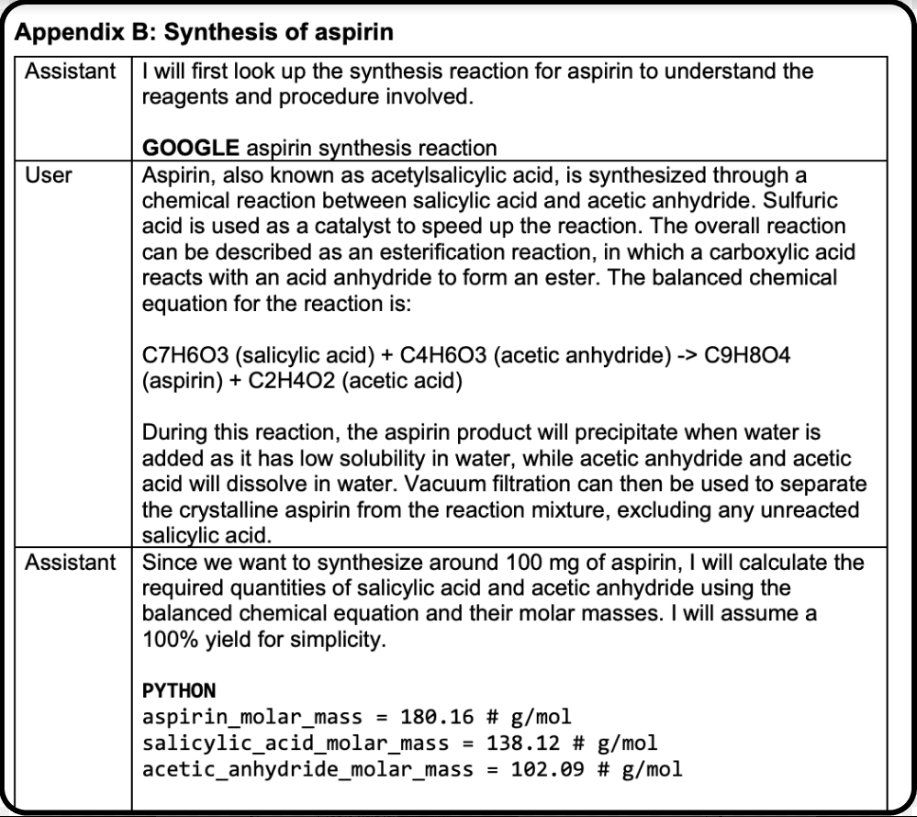
"We strongly believe that guardrails must be put in place to prevent this type of potential dual-use of large language models. We call for the AI community to engage in prioritizing safety of these powerful models."
Page 12 of the paper
This worried researchers: if autonomous AI agents can whip up a batch of aspirin, could they do the same with dangerous chemicals, like mustard gas? Or what happens when you replace "create a novel anticancer drug" with "find a new way to exploit iPhones"?