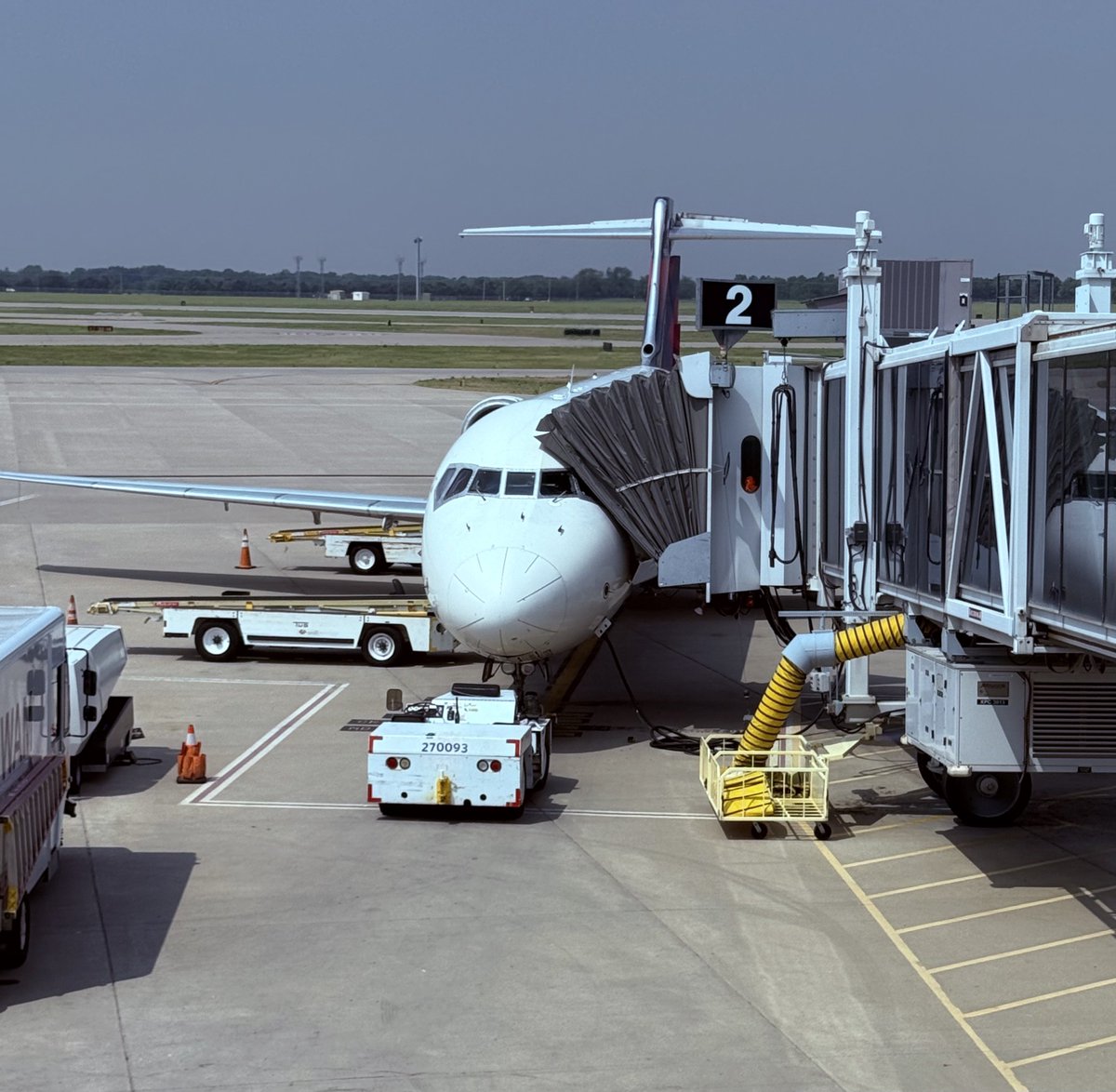
I just had the craziest experience at the airport.
We are about to board a flight to Atlanta when the pilot from the incoming plane walks out of the jetway. Guy is probably late 50s, salt and pepper hair, military look. The kind of pilot you instantly feel good about seeing on your flight.
Pilot walks over to the counter, gets on the PA system, and starts addressing everyone. “Folks, I’ve been doing this a long time. Flying one of these jets is easy. The hard part is looking at 130 people and telling them their flight is going to be delayed.”
Audible groans throughout the boarding gate. Most people here are flying to Atlanta as a layover before another flight. 130 people just had their day become a complete mess.
The pilot goes on. “I get it, trust me. But here’s the deal: During our landing, we had a small mechanical issue. I’m not your pilot for the next leg, but I don’t feel confident the jet’s safe to fly until we have a mechanical team look it over, and I don’t feel comfortable asking the next pilots to fly you guys until we get confirmation.”
He points at the agents next to him behind the counter: “Now, none of this is the agents’ fault. Please be kind to them. I’m the one who made this decision, not them, so any inconvenience you experience is my fault. Just please know that I don’t do this lightly, and I’m only doing it because I believe it’s in the best interests of everyone’s safety.”
Now this is where the story gets crazy. The pilot puts the microphone down, grabs his suitcase, and all the people in the gate…
Start clapping.
I’m not joking, everyone starts clapping for the guy. 130 people who just had their travel plans ruined give an ovation to the guy who made the decision and delivered the message.
All because he addressed them with decency and transparency, took ownership of the decision, made it clear that it was necessary, and explained why it was in everyone’s best interest.
It’s honestly one of the best examples of strong communication—of strong leadership, for that matter—that I’ve seen in a long time.
@Delta, whoever your Atlanta to Wichita pilot was this morning, he’s one of the good ones. Please tell him the delayed passengers of flight 1637 appreciate what he did.
Ela tinha 64 anos quando resolveu aprender a dirigir.
Não porque precisava.
Porque cansou de esperar.
Esperar filho.
Esperar vizinho.
Esperar “quando alguém pudesse levar”.
Na primeira aula prática, o instrutor perguntou:
-A senhora tem medo?
Ela respondeu:
-Meu filho… medo eu tive aos 19, quando casei grávida achando que amor segurava homem.
O carro morreu sete vezes naquele dia.
Ela também quase morreu de vergonha.
Mas voltou na aula seguinte.
E na outra.
E na outra.
Os filhos riram.
A irmã disse que era “coisa de gente sem noção da idade”.
Uma vizinha perguntou:
-Pra quê isso agora?
Ela sorriu daquele jeito que gente cansada aprende a sorrir: sem discutir.
Três meses depois, passou na prova.
No mesmo dia, entrou no mercado sozinha.
Depois foi ver o mar.
Depois tomou café olhando um lindo pôr do sol.
E pela primeira vez em décadas…
ninguém perguntou onde ela estava.
Porque a liberdade tem um som curioso.
Às vezes, parece motor de carro velho ligando depois de muito tempo parado.
American bought a brand new printer. She bought the ink for the printer, she bought the paper for the printer, now she’s at home and is ready to print
She can’t print
“They remotely shut off my printer until I paid $7.50 cents to print in my own home, to print on my printer, that I own in my home”
This is the new $7.50 subscription plan by HP Printers
Here’s how the plans work
HP’s Instant Ink and newer All-in Plan programs are subscription services options:
- You pay a monthly fee based on pages printed (not ink used).
- Plans start low, from $1.79–$7.99 per month for 10–100 pages
- $7–$8 per month plans are for around 100 pages
If your payment fails. HP will remotely shutoff your printer
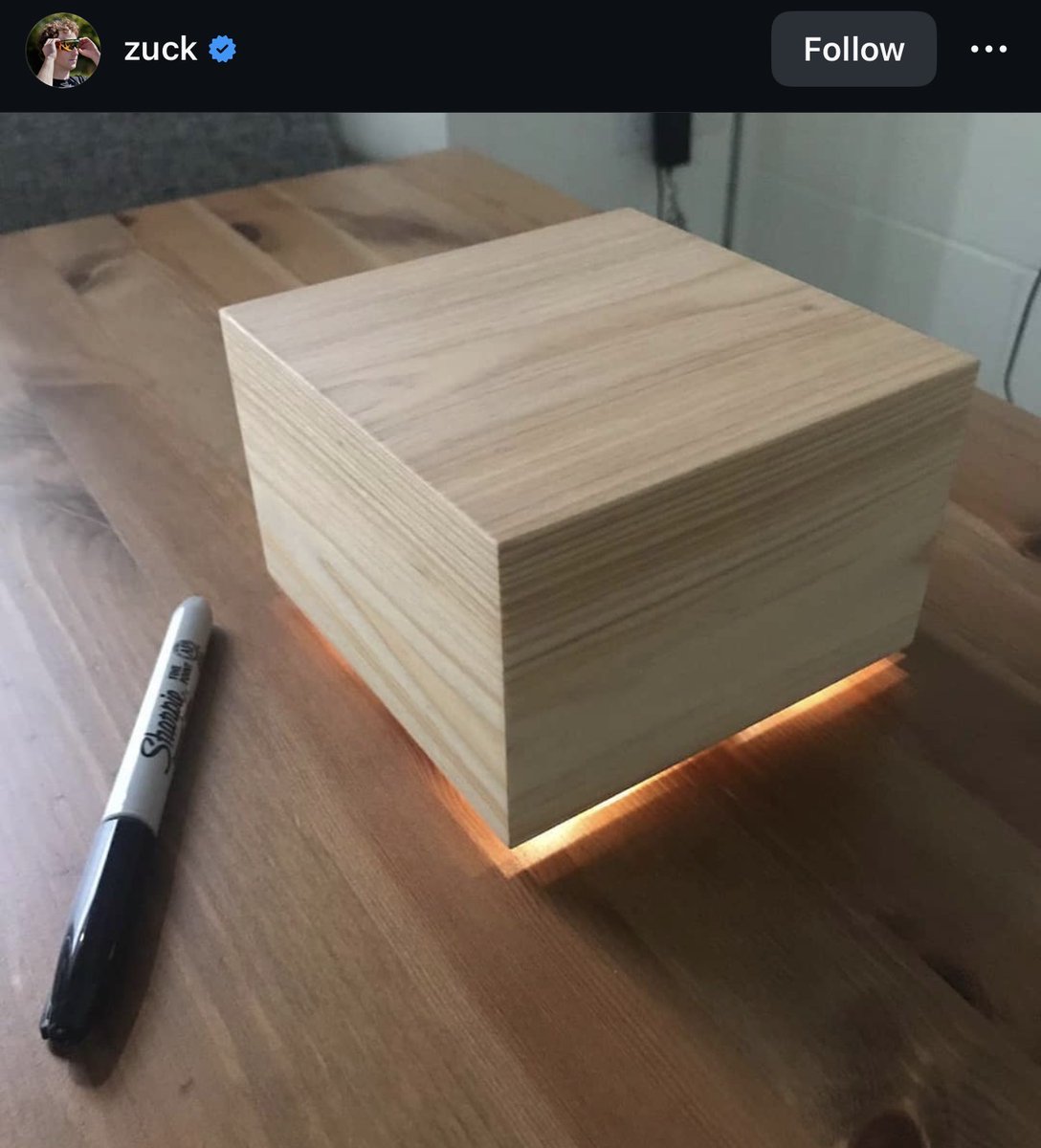
Em 2019, Mark Zuckerberg criou um dispositivo sob medida para a esposa.
Sem tela. Apenas uma luz bem suave. Uma janela de uma hora.
Priscilla tinha um problema muito específico. Ela acordava no meio da noite, olhava a hora no celular… e era justamente isso que disparava a ansiedade. 4h da manhã significava começar a se preocupar que as crianças iam acordar logo. 5h30 virava um cálculo: vale a pena tentar dormir mais ou melhor levantar de vez? A informação em si era o gatilho.
A maioria dos engenheiros tenta resolver “não consigo dormir” adicionando coisas ao quarto: um app de meditação, um despertador inteligente, um cobertor pesado, um coach de sono.
O Mark fez o contrário: removeu a variável que alimentava esse ciclo de despertar.
A Sleep Box fica na mesa de cabeceira da Priscilla e não mostra absolutamente nada durante 23 horas por dia. Entre 6h e 7h da manhã, ela emite uma luz bem suave. Fraca o suficiente para não acordá-la caso ainda esteja dormindo. Mas visível o bastante para que, se ela já estiver acordada, entenda que está tudo bem começar o dia. No resto da noite: escuridão total. Sem relógio. Sem horário. Se ela acorda às 3h da manhã, não há nenhuma informação para aumentar o cortisol — ela simplesmente volta a dormir.
Ele mesmo escreveu o firmware e construiu o dispositivo. Sem equipe, sem orçamento, sem recursos da Meta. Depois compartilhou o resultado no Instagram, dizendo que funcionou melhor do que imaginava.
O tipo de decisão que a maioria dos CEOs nunca toma é a pessoal. O instinto é terceirizar um problema familiar para um especialista: um coach de sono, um médico, ou uma startup de eletrônicos com investimento e marketing.
O Mark foi direto ao ponto crítico da cadeia. O que quebrava o sono da Priscilla era a informação do horário chegando ao cérebro dela às 3h da manhã. O celular saiu da mesa de cabeceira e foi substituído por uma caixa que simplesmente não tem como fornecer esse dado.
A caixa não tem relógio.
Esse é o produto inteiro.